Best Affordable Midi Keyboards for Fl Studio: Reviews and Buying Guide for 2026
Disclosure: We may earn a commission when you buy through links on this page, at no extra cost to you. As an Amazon Associate I earn from qualifying purchases. Learn more

Learn how to choose the best affordable midi keyboards for fl studio with plain guidance on keys, pads, controls, connections, and setup for home producers.
Playing melodies with a mouse gets old fast, and that is why so many home producers shop for best affordable midi keyboards for fl studio as their first real upgrade. A simple controller puts notes, chords, and drum patterns under your fingers. This guide explains the tiers, the specs, and the setup choices that matter.
You do not need to spend a lot to write better music. You need keys that feel right, controls FL Studio can use, and a size that fits your desk. Start with the comparison table below, then work through the tiers.


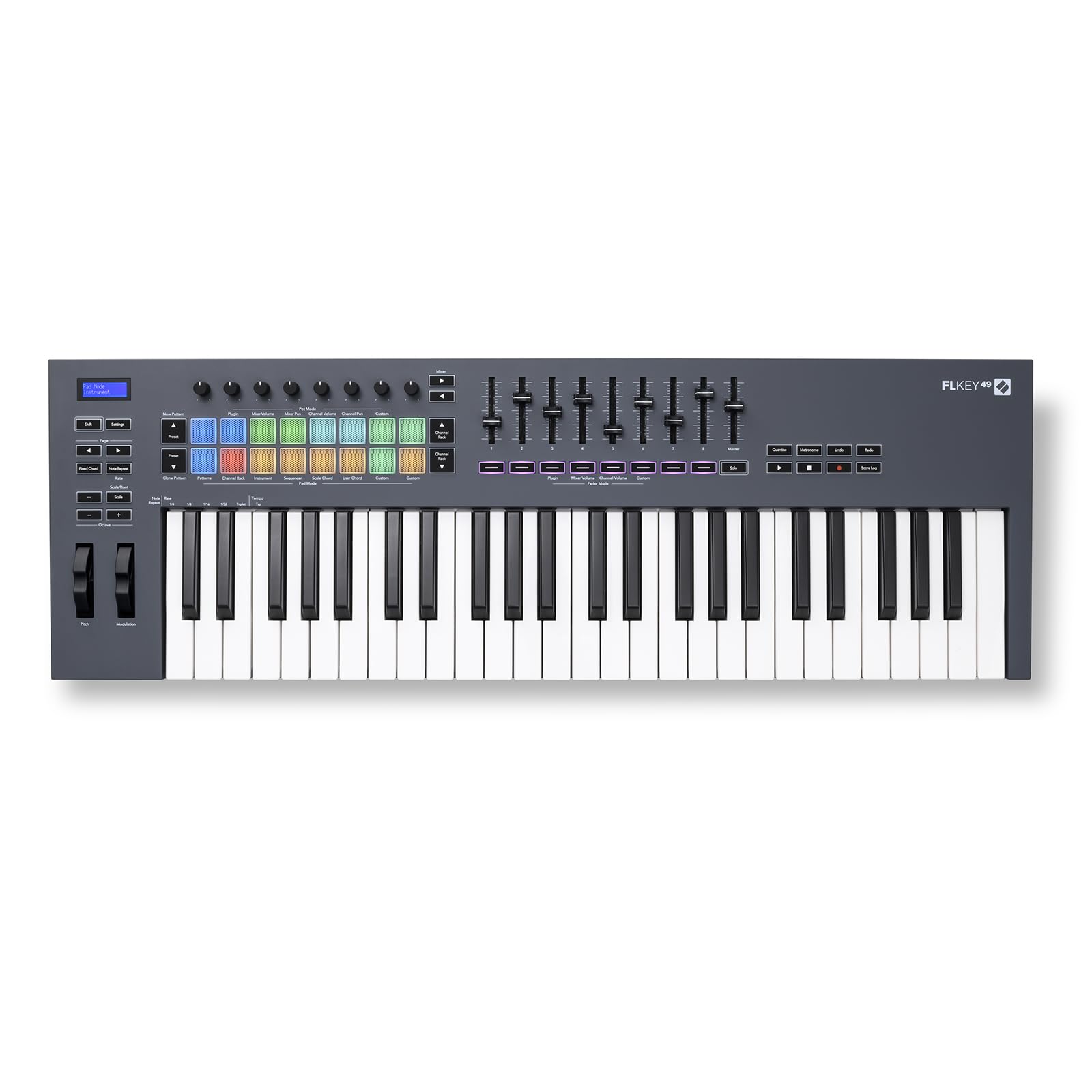

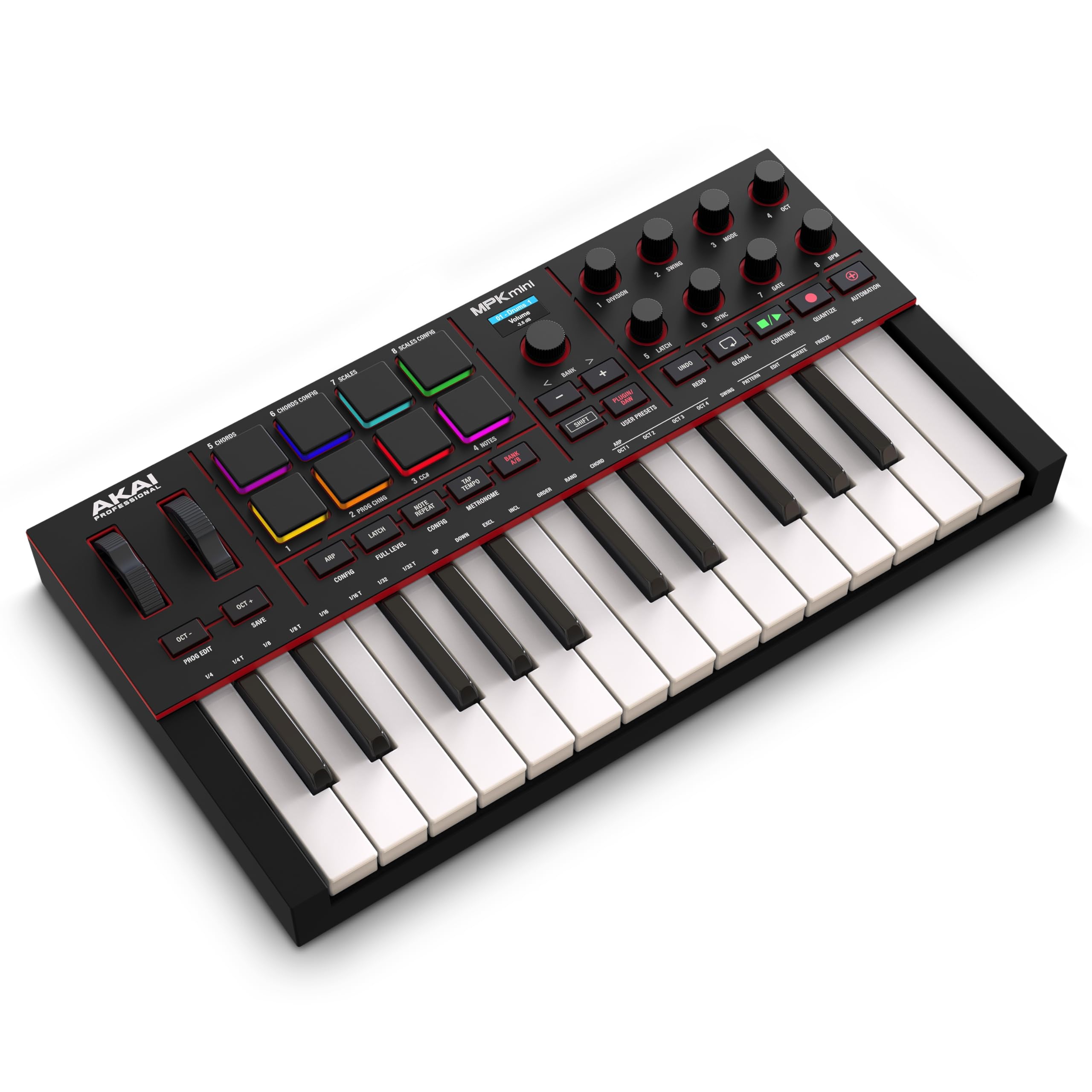

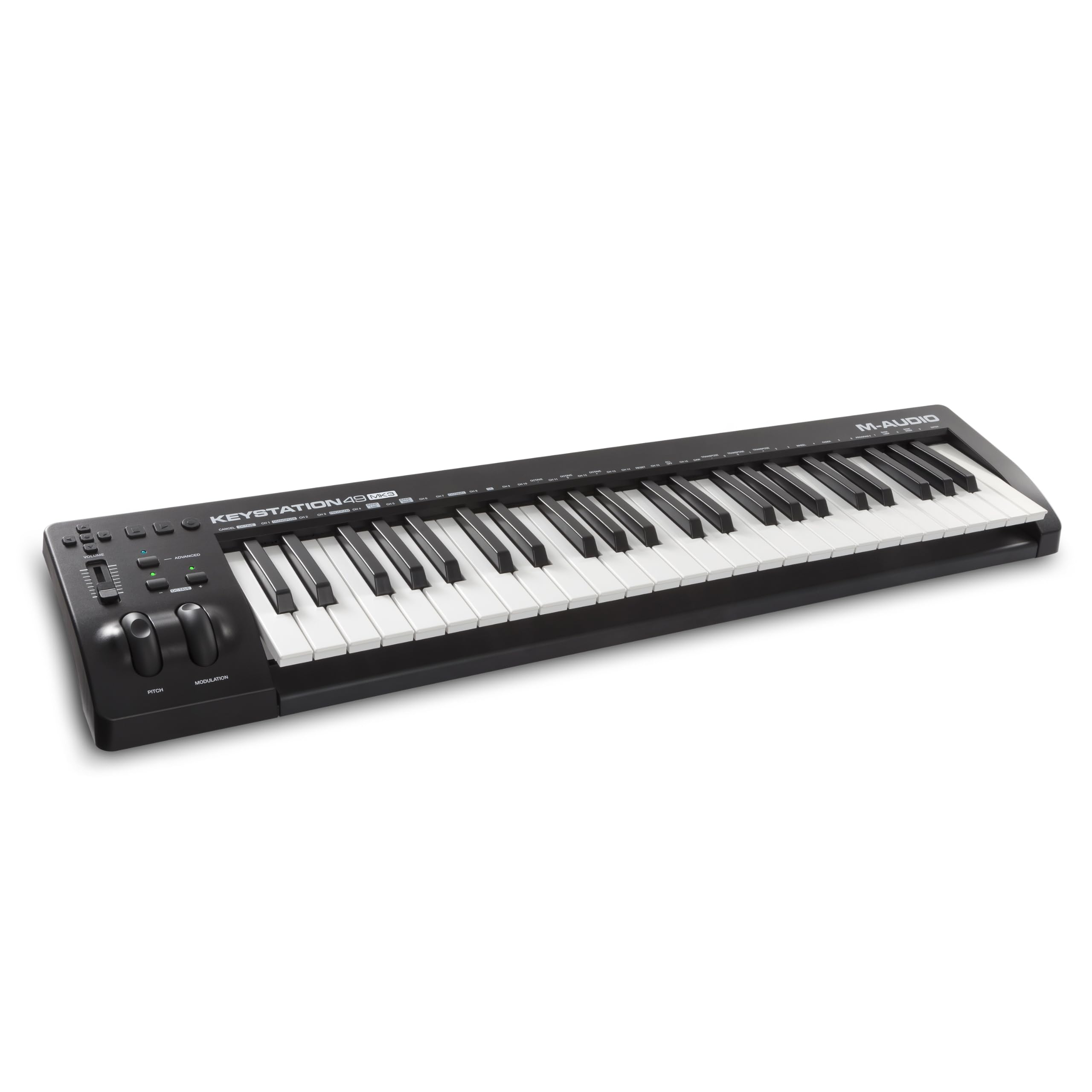


Three Budget Tiers at a Glance
Instead of chasing a single winner, think in tiers. Each tier below describes what that money generally delivers, who it suits, and what you give up. Match the tier to how often you produce and how much desk space you have.
Best Overall
The overall tier, usually about $120 to $200, balances key feel, controls, and build quality. Expect 37 or 49 full size or near full size keys, eight pads, and assignable knobs or faders. Cases feel firmer, and keys respond more evenly across their travel.
This tier suits producers who open FL Studio several times a week and want one controller for years. The main limit is size, since 49 keys take real desk space. If you play two handed parts or record long sessions, this is the tier to aim for.
Best Value
The value tier, around $80 to $120, keeps the essentials and trims extras. You typically get 25 or 37 keys, a handful of pads, and basic knobs, with a lighter plastic body. Key feel is acceptable for writing melodies, bass lines, and chord progressions.
This tier fits hobbyists who produce on weekends and want money left for headphones or software. The trade off is fewer controls, so you will reach for the mouse more often. For many home studios, that compromise is smart rather than painful.
Best for Beginners
The beginner tier, often under $80, focuses on simple note input. Expect 25 compact keys, a few pads or none, and a basic USB connection. Setup is quick, and the small footprint fits a crowded desk or a laptop bag.
This tier suits new producers still learning whether they enjoy making music. The limit is key size and travel, which can feel cramped for piano style playing. Treat it as a learning tool you may outgrow, not a failure, and keep the box in case you pass it on later.
How to Choose the Best Midi Keyboards: Buying Guide
The best affordable midi keyboards for fl studio choice comes down to six practical questions. How many keys fit your desk, how do the keys feel, which controls will you actually touch, and how does the unit connect? Answer those first and the price sorts itself out.
What You Can Realistically Get on a Budget
Around $60 to $150, expect solid note input, velocity sensitive keys, and basic pads and knobs. What gets cut is aftertouch, premium key actions, metal bodies, and large color screens. Bundled software also shrinks to starter editions.
Do not save money by accepting keys with sloppy, uneven response, because you will feel that flaw in every take. Spend first on decent keys and a reliable USB connection. Extra knobs are nice, but bad keys end sessions early.
Features That Matter for Fl Studio
FL Studio rewards controllers with transport controls, pads for the channel rack and drum programming, and knobs you can map to mixer levels and plugin parameters. Note repeat and arpeggiator tools help sketch ideas quickly. Check that the maker provides a simple mapping template or clear manual steps for FL Studio.
Practical know how: after connecting, open the MIDI settings in FL Studio, enable your controller, and test one knob mapping on a mixer fader before a real session. Saving that template once saves you setup time every day after.
Wired vs Wireless
Wired USB connections give the lowest delay and never need charging, which is why most budget controllers are wired. You play a note and hear it at once, with no pairing steps. The only cost is a cable across your desk.
Wireless models using Bluetooth free up space and suit couches or travel, but they can add slight delay and need battery care. For recording tight drum parts, wired still wins. Readers comparing connection types can also see the best usb midi keyboards for fl studio guide for wired focused advice.
Weight and Build Quality
Budget controllers weigh about 2 to 6 lb, light enough to move daily. Build quality shows in key wobble, pad firmness, and knob resistance. Keys should return quickly and quietly, and pads should trigger without pounding.
A heavier unit is not always better, but a very light one can slide around during energetic playing. Rubber feet or a bit of shelf liner under the unit solves sliding cheaply. If you travel with it, a padded bag protects keys far better than a tote.
Ergonomics, Size, and Key Count
Size decides comfort more than any other spec. A 25 key unit fits almost anywhere and covers bass lines and simple melodies, but you will shift octaves often. A 49 key unit lets both hands play together and suits piano trained users, at the cost of desk space.
Measure your desk depth before ordering, leaving room for your computer keyboard and mouse. Compact keys save space but can crowd larger fingers during chords. If you are unsure, 37 keys is a balanced middle ground for most home producers.
Battery Life and Charging
Most wired controllers draw power from USB, so there is no battery to manage at all. Wireless models typically run many hours per charge and refill through USB C. Check whether the unit still works wired while charging, so a flat battery never cancels a session.
For wired models, cable length matters more than charging. A cable of about 4 to 6 feet reaches most desk setups without strain. Keep a spare cable in your bag, since a lost cable silences a controller completely.
Durability and Warranty
Keys, pads, and USB ports take the most abuse. A warranty of at least one year is standard, and longer coverage signals maker confidence. Keep your receipt and register the product, because warranty service often starts faster with proof of purchase ready.
Treat the pitch and modulation wheels gently, since they are hard to repair at this price. Dust is the quiet enemy, so cover the controller or store it in a drawer when not in use. Simple care like that keeps budget gear working for years.
Types of Midi Keyboards
Beyond price tiers, controllers fall into three broad types. Your desk, travel habits, and playing style point to one of them. The wider category is covered in our guide to the best affordable midi keyboards if you produce in other software too.
Wireless Models
Wireless models connect by Bluetooth and run on battery power. They suit small rooms, travel kits, and producers who hate cables. The downsides are possible delay, pairing hiccups, and charging. Choose wireless only if freedom of placement matters more to you than the tightest timing.
Compact Models
Compact models shrink keys and controls to fit tight desks and bags. They excel at travel production, quick sketches, and dorm rooms. You give up two handed playing comfort and some controls. For a deeper look at controllers shaped around this one program, see the best midi keyboards for fl studio guide.
Wired Models
Wired models connect by USB and need no charging or pairing. They deliver the most stable timing for the least money, which is why studios default to them. The only real downside is cable clutter. If your desk is fixed, wired is the practical default for almost everyone.
Care and Maintenance Tips
- Clean keys and pads gently: wipe with a dry or slightly damp cloth, never sprays directly on the unit, so moisture stays out of the switches.
- Update firmware when offered: maker updates fix mapping bugs and improve response, and they take only a few minutes.
- Protect the USB port: avoid yanking the cable sideways, since a loose port is one of the most common budget controller failures.
- Keep spare cables handy: a backup USB cable and, for wireless models, a charging cable prevent lost sessions.
- Store it flat and covered: dust and sunlight age plastic and rubber pads, so a simple cover extends the life of the unit.
Frequently Asked Questions
What features matter most in midi keyboards for fl studio?
Key feel, pads, and mappable knobs matter most for FL Studio work. Velocity sensitive keys make melodies and drums sound human instead of flat. Pads speed up drum programming in the channel rack, and knobs mapped to the mixer save constant mouse trips. A clear FL Studio mapping template from the maker is a quiet bonus that saves real setup time.
How many keys do I need for FL Studio?
You need 25 keys to start, but 37 or 49 keys feel much better for real playing. With 25 keys you will press octave shift buttons often during melodies. With 49 keys both hands can play chords and bass together, which speeds up writing. Choose based on desk space first, then playing style, since a controller that stays in a closet helps nobody.
Wired or wireless: which is better for music production?
Wired is better for most music production because timing stays tight and power is constant. When you record drums or fast passages, even slight wireless delay can push notes off the groove you intended. Wireless earns its place for casual sketching away from the desk. Many producers start wired, then add a small wireless unit later for travel.
Does a MIDI keyboard work with Mac computers?
Yes, nearly all budget MIDI keyboards work with Mac computers without extra drivers. They use class compliant USB or Bluetooth, so you plug in and select the device in your music software. FL Studio runs on Mac as well, though a few older plugins differ by system. Check the maker support page for your exact system version before buying if your computer is very old.
Are full size keys worth it on a budget MIDI keyboard?
Full size keys are worth it if you have any piano background or larger hands. They make chords, dynamics, and two handed parts easier to play accurately. Compact keys are fine for one finger melodies and bass lines, and they win on small desks. If you plan to practice playing skills along with producing, choose full size keys and accept the larger footprint.
Our Verdict
Pick your tier by how often you produce, then protect key feel and a stable connection above extra knobs. Wired models suit fixed desks, compact models suit travel, and 37 to 49 keys suit anyone who plays with two hands. When you are ready, compare your finalists in the product table above.
The best affordable midi keyboards for fl studio setups share one trait: they disappear into your workflow. You sit down, FL Studio sees the controller, and your ideas land as notes instead of mouse clicks, which is the whole point of buying one.