
Best Affordable Men's Dress Watches: Which Type Is Right for You 2026
Disclosure: We may earn a commission when you buy through links on this page, at no extra cost to you. As an Amazon Associate I earn from qualifying purchases. Learn more

Best affordable men's dress watches: Automatic, solar and quartz dress watches compared by case size, slimness and upkeep.
A dress watch should make a suit, a blazer, or even a clean knit look more finished, yet the choices can feel confusing fast. Automatic, solar, quartz, slim cases, and sportier styles all promise elegance at a friendly price, and the differences are not always obvious from a photo. This guide to the best affordable men's dress watches compares each type side by side so you can match the style to your wardrobe and your habits.
You will learn what each type does well, where it falls short, and what a sensible budget realistically buys. Use the comparison table below to narrow your shortlist, then work through the fit and movement sections before you spend anything.

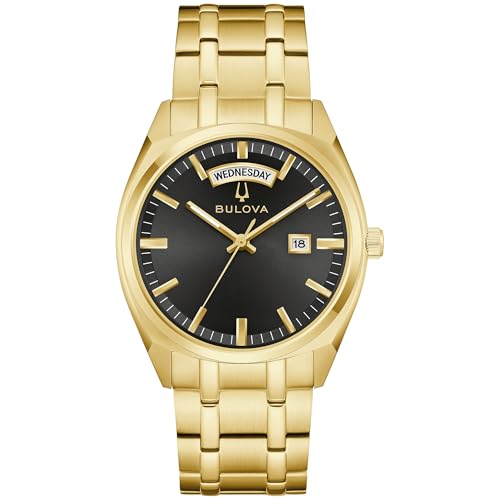

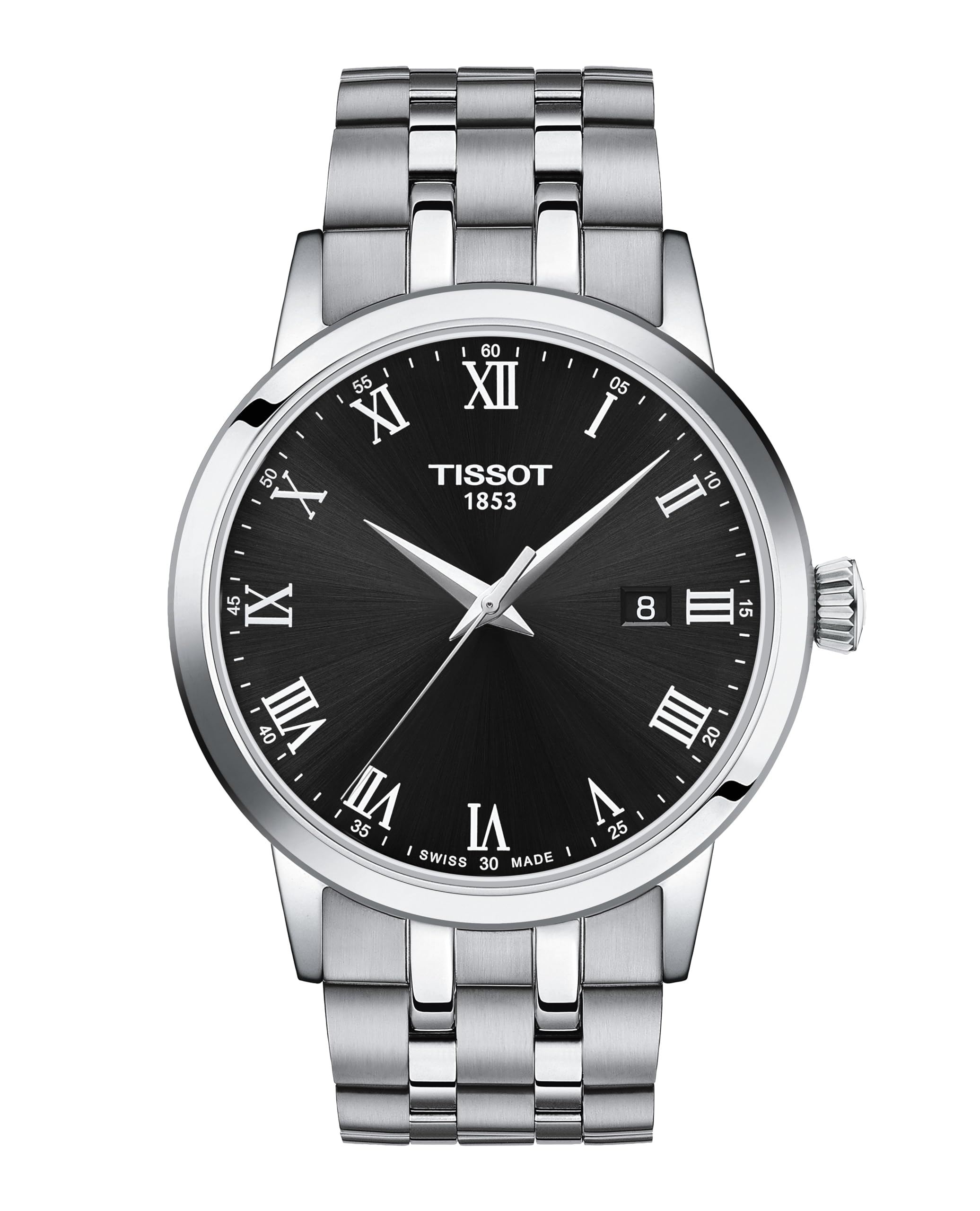


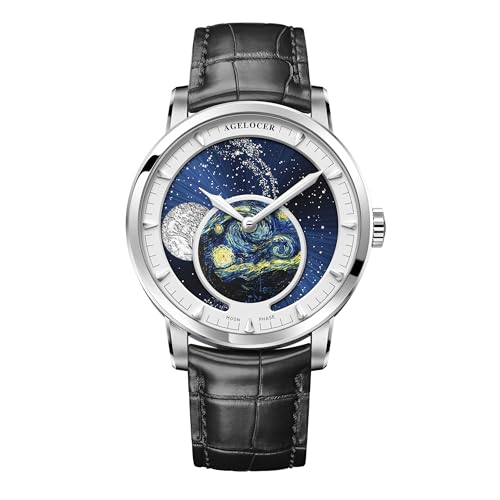
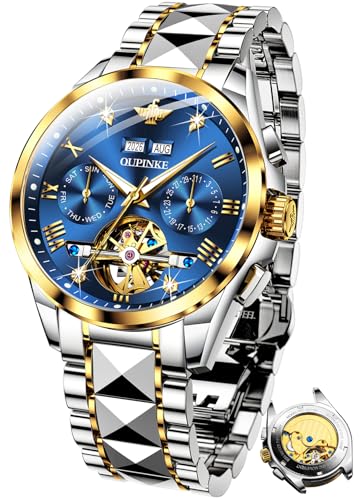
Types of Dress Watches Compared
Think of the types below as different answers to the same question: how formal do you need to be, and how much daily attention do you want to give a watch? Automatic models suit men who enjoy a mechanical movement and a smooth sweeping seconds hand. Solar models suit men who want accuracy with almost no upkeep. Slim quartz models, covered later in this guide, remain the simplest route to a classic look. Dive and field inspired styles trade some formality for toughness, which can work if your office dress code is relaxed.
Automatic Watches
An automatic movement winds itself from the motion of your wrist, storing energy in a mainspring that typically runs for about 38 to 48 hours once you take the watch off. The appeal is craft: a sweeping seconds hand, no battery changes, and a case back that sometimes shows the movement at work. The trade off is cost and care, since servicing is needed every 5 to 7 years and accuracy can drift by several seconds a day.
Choose an automatic if you wear the watch most days, enjoy mechanical objects, and accept slightly thicker cases. If you rotate several watches, expect to reset the time often, or budget for a watch winder.
Solar Watches
A solar watch turns light into stored energy through cells hidden in or around the dial, then runs a quartz movement from that charge. Many models hold a charge for months in the dark, so a week on a desk near a window keeps them ready. You get quartz level accuracy without routine battery swaps, which keeps long term costs low.
Solar suits men who want a set it and forget it routine and who spend time outdoors or near bright rooms. The limits are style and repair: dials sometimes show a faint cell texture, and a failed capacitor years later needs a specialist rather than a quick battery change at any jeweler.
Dive and Field Watches
Dive and field styles borrow their looks from tool watches, with larger cases, bold numerals, strong lume, and water resistance ratings of 100 m or more. Slimmer versions in the 38 to 40 mm range can slide under a cuff and pass as smart casual, especially on a leather strap. They are the most forgiving choice if your watch also faces gym sessions, travel, and weekends outdoors.
The cost of that toughness is formality. Thick bezels, bright dial text, and chunky crowns look out of place with a tuxedo or a very formal suit. Pick this type only if most of your dressed up occasions stop at business casual.
Automatic Watches vs Solar Watches: Which Should You Choose?
On accuracy, solar wins easily, since its quartz heart usually stays within a few seconds a month while an automatic can gain or lose that much in days. On upkeep, solar also leads, because it asks only for regular light, while an automatic needs periodic servicing that can cost around $150 to $300. On character, the automatic leads, with its sweeping hand and mechanical feel that many men find more satisfying on the wrist.
On price, comparable styling often costs less in solar form, and on daily convenience solar wins again if you wear the watch only a few days a week. Choose automatic for enjoyment and tradition, and choose solar for accuracy, thin cases, and the lowest effort ownership. Either way, if you are still weighing the broader category, see our guide to the best men's dress watches for how dress styling differs from sport styling.
How to Choose the Best Affordable Men's Dress Watches
What Men Should Look For
Start with proportion, because a dress watch lives or dies by how it sits under a shirt cuff. A case diameter of 36 to 40 mm, a thickness under about 11 mm, and short lugs keep the watch flat and elegant. Dial design should stay quiet: simple baton or Roman markers, a small seconds hand or none, and little text beyond the brand name.
Strap choice matters as much as the case. Smooth leather in black or brown reads most formal, a fine mesh bracelet suits modern tailoring, and a quick release strap lets you swap between the two in seconds without tools. That one feature makes a single watch cover far more outfits.
Movement Type (Quartz, Automatic, Solar, Smart)
Quartz movements are battery powered, very accurate, and the cheapest to buy and maintain, with a battery change roughly every 2 to 3 years. Automatic movements trade some accuracy for mechanical charm and no battery at all. Solar movements pair quartz accuracy with light charging, which removes most battery worries for a decade or more.
Smart models add notifications, GPS, and health tracking, but screens and thick cases rarely look right with tailoring, and charging every day or two breaks the dress watch idea. For most men, quartz or solar gives the best balance of price, accuracy, and a slim profile.
Case Size and Wrist Fit
Measure your wrist with a soft tape where the watch will sit. Wrists under about 6.5 inches usually look best with 36 to 38 mm cases, midsize wrists suit 38 to 40 mm, and larger wrists can carry 40 to 42 mm without the watch looking small. Lug to lug length matters as much as diameter, so keep it under about 48 mm so the lugs do not overhang your wrist.
Try the watch with a shirt cuff if you can. The case should slide under the cuff without catching, and the dial should sit centered rather than drifting toward your thumb. If you shop online, compare the listed lug to lug figure with a watch you already own and like.
What You Can Realistically Get on a Budget
Around $50 to $100 buys a clean quartz dress watch with a mineral crystal, a basic leather strap, and modest finishing. Around $100 to $250 is the sweet spot, where you can find sapphire crystal on some models, better case polishing, applied markers, and straps that feel less stiff. Around $250 to $400 opens the door to entry level automatic movements and solar models with finer dials.
Do not expect hand finishing, precious metals, or a long service network at these prices. Spend first on fit, crystal quality, and a strap you will actually wear, since those shape your daily experience far more than a decorative case back. For a wider view of value across styles, our roundup of the best affordable dress watches explains how unisex and smaller case options compare.
Water Resistance Rating
A 30 m rating means splash resistance only, so the watch handles hand washing and light rain but should stay off in the shower. A 50 m rating tolerates brief splashes and an accidental shower, though swimming is still unwise. Ratings of 100 m and above allow swimming with a properly sealed crown, which is rare and rarely needed on a true dress watch.
Leather straps change the picture anyway, since repeated soaking stiffens and cracks them. Treat a dress watch as clothing rather than sports gear: keep it dry, and switch to a steel bracelet or rubber strap model for pool days.
Care and Maintenance Tips
Service automatic watches every 5 to 7 years so old lubricants do not wear the movement, and keep them away from strong magnets, which can speed them up. Rinse any watch after saltwater exposure with fresh water and dry it fully, even one with a high rating. Store solar models where they get some light rather than in a closed drawer, and store all watches away from speakers, tablet covers, and other magnet sources. Wipe leather straps with a dry cloth after warm days and let them rest a day between wears to extend their life.
FAQs
What makes dress watches for men different?
Dress watches for men differ through restraint: slimmer cases, simpler dials, fewer complications, and straps in leather or fine mesh rather than rubber or heavy steel. They are designed to sit quietly under a cuff and support an outfit instead of drawing attention. A useful test is text: the more words, scales, and subdials on the dial, the less formal the watch tends to be.
How long does a watch battery last?
A typical quartz watch battery lasts about 2 to 3 years, though slim movements and added features can shorten that span. A fading battery often shows itself through a seconds hand that jumps every few seconds on models with an end of life indicator. Replace the battery promptly, because a dead battery left inside for years can leak and damage the movement, turning a cheap fix into a costly repair.
What case size fits my wrist?
Most men suit a case between 38 and 40 mm, with slimmer wrists favoring 36 to 38 mm and broader wrists handling up to 42 mm. Lug to lug length under about 48 mm keeps the watch from overhanging. If you are between sizes, choose the smaller one for dress use, since a slightly small watch reads elegant while a slightly large one reads sporty and catches on cuffs.
Quartz or automatic: which is better?
Neither is better for everyone, because they optimize different things. Quartz is more accurate, thinner, cheaper to own, and ready the moment you pick it up. Automatic offers a sweeping seconds hand, no battery changes, and mechanical character that many owners enjoy daily. If you wear one watch daily and value craft, lean automatic. If you rotate watches or want the lowest cost per wear, lean quartz.
How water resistant should a watch be?
For a dress watch, 30 m to 50 m is enough for rain, hand washing, and daily splashes, provided the strap stays mostly dry. You only need 100 m or more if the same watch will swim with you, which usually means choosing a sportier style on a bracelet. Remember that ratings assume intact seals, so have gaskets checked when an older watch is serviced or its battery is changed.
Is a smartwatch worth it over a classic watch?
A smartwatch is worth it if you rely on notifications, GPS tracking, and health data every day and accept nightly or near daily charging. It is not worth it as a dress piece, since bright screens, thick cases, and short product support cycles clash with tailoring and age quickly. Many men solve this by wearing a smartwatch for training and a classic watch for work and events, which keeps each tool in the setting it suits.
Our Verdict
Fit, movement, and crystal quality decide satisfaction more than any other factors, so start with a case that suits your wrist, pick the movement that matches your routine, and favor sapphire crystal when your budget allows. Automatic suits daily wearers who love mechanics, solar suits low effort accuracy, and quartz remains the simplest value. Compare your finalists in the product table above, and if you are building a small rotation on a budget, our guide to the best men's watches affordable options can help you plan the next piece. Chosen well, the best affordable men's dress watches prove that looking sharp at formal moments does not require luxury pricing, and readers curious about that next step can see our overview of the best men's luxury dress watches for contrast.


