
Best Affordable Memory Foam Mattresses: Density, Firmness, and Cooling 2026
Disclosure: We may earn a commission when you buy through links on this page, at no extra cost to you. As an Amazon Associate I earn from qualifying purchases. Learn more

Best affordable memory foam mattresses: Foam density, firmness, cooling and sag coverage compared for pressure relief without overspending.
Choosing best affordable memory foam mattresses means finding pressure relief and support without paying a premium price. Memory foam softens with body heat and molds around shoulders, hips, and joints, which can ease pressure points for side sleepers and restless sleepers. The challenge is avoiding models that sleep hot, sag early, or feel too soft for proper spinal alignment.
The comparison table below lists the main options together, but foam density, layer design, and cooling features decide long term comfort. The sections below explain how to read specifications, use trial periods well, and judge value beyond the headline price.
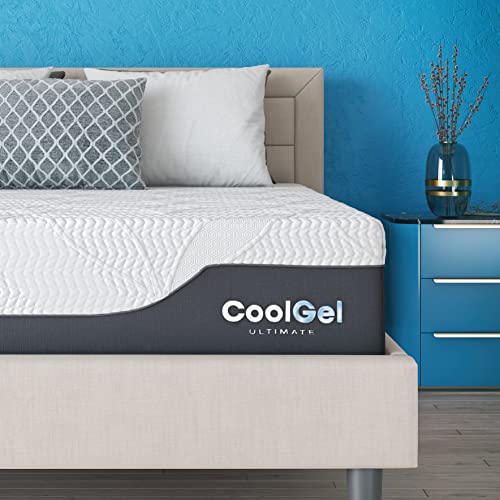
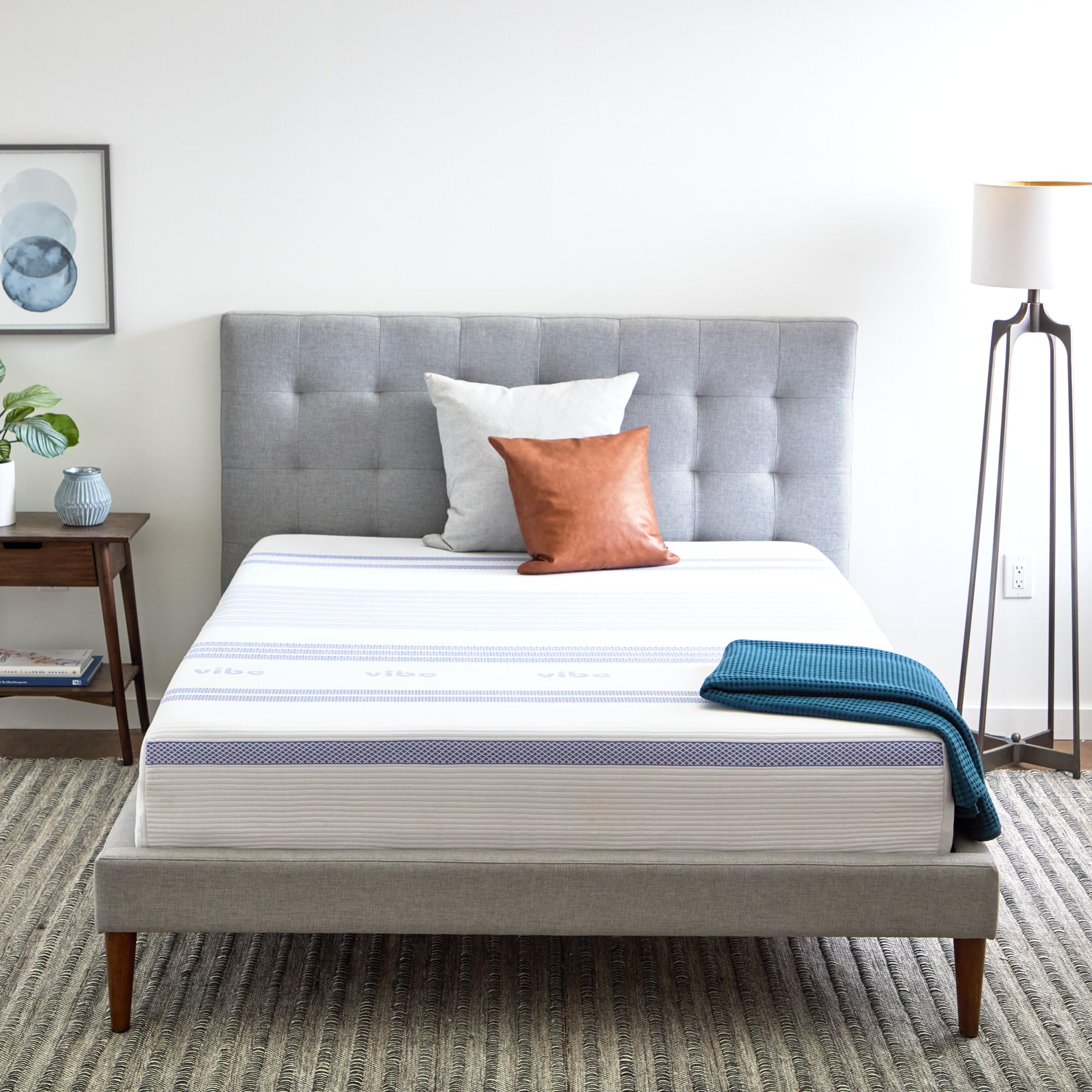
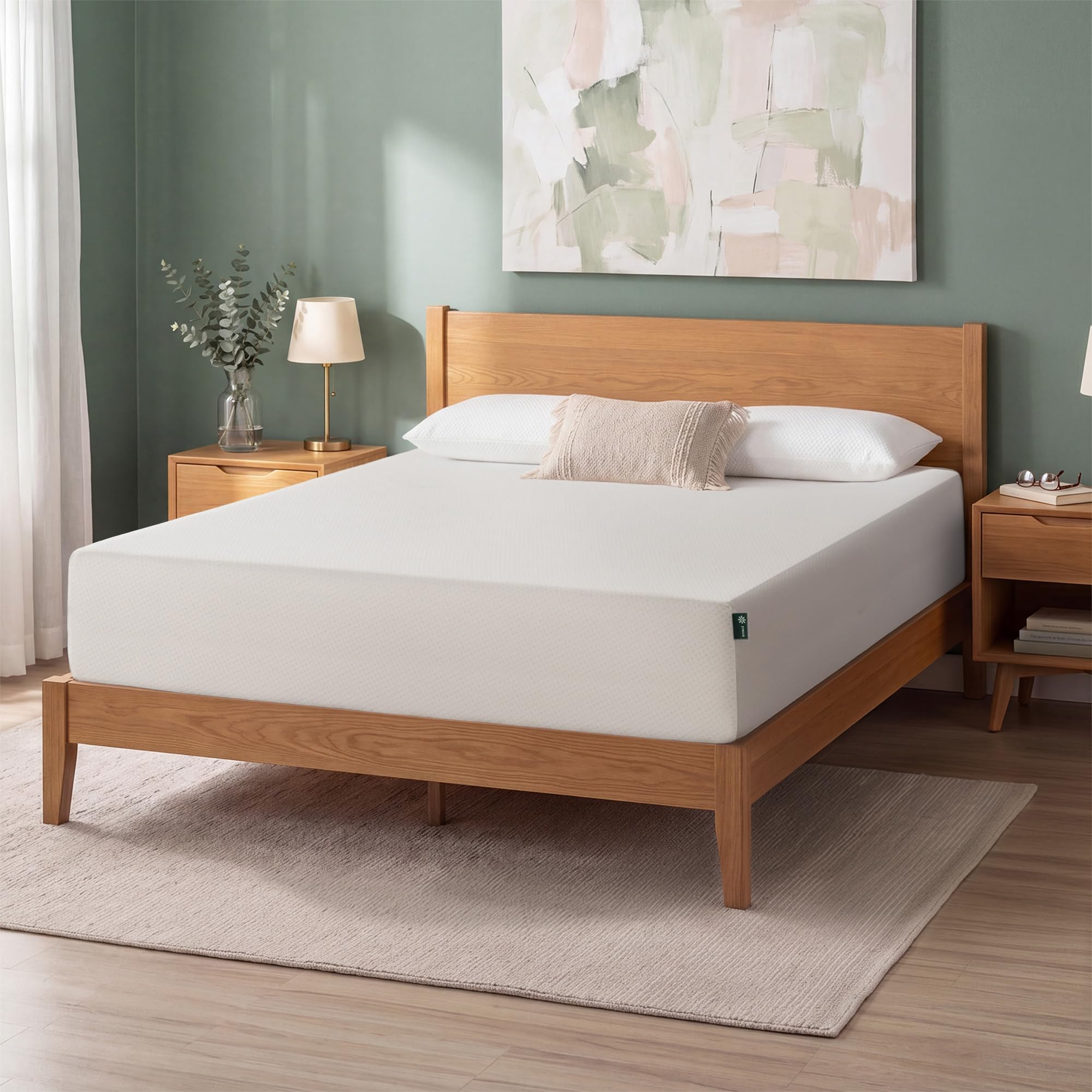


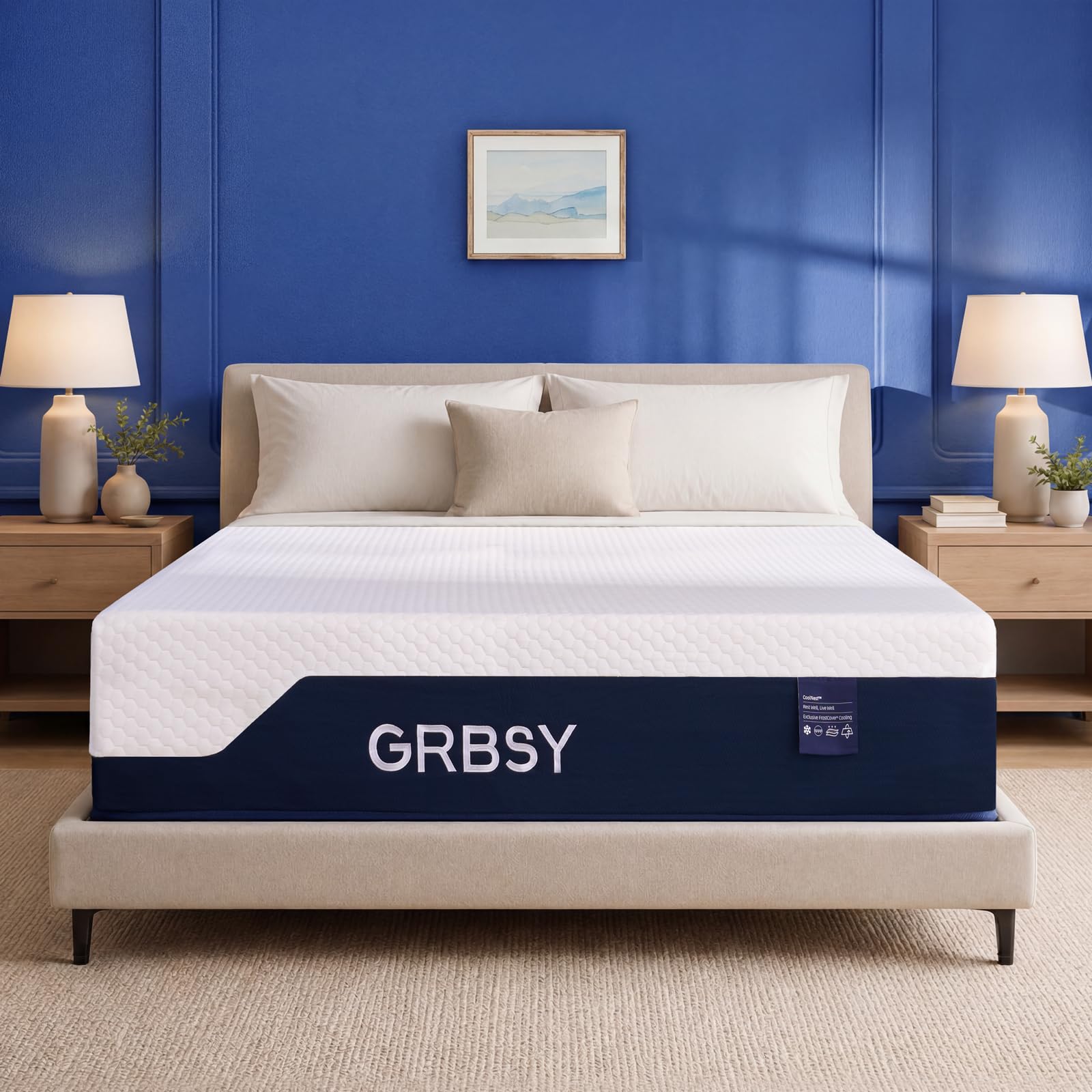
Who Should Buy This Type
Memory foam suits side sleepers, joint sensitive sleepers, and couples who want motion isolation so one partner movement does not disturb the other. It also suits buyers who like a contouring, cradling feel rather than a bouncy surface. Back and stomach sleepers can still enjoy memory foam, but they usually need a firmer model to keep hips from sinking too far.
Buyers with back pain should treat a mattress as one part of a broader comfort picture, not as a cure. A medium firm model that keeps the spine neutral often feels better than a very soft model. If pain is persistent, worsening, or paired with numbness, weakness, or bladder or bowel changes, talk with a clinician before relying on a new mattress.
Key Features of the Best Affordable Memory Foam Mattresses
Foam density and layer thickness affect durability and support. Higher density foams usually last longer and resist body impressions, while low density foams may feel plush at first and sag sooner. Layer design matters too, since a comfort layer over a supportive base gives pressure relief without excessive sink.
Cooling features such as gel infusion, open cell foam, and breathable covers help sleepers who run hot. Firmness ratings vary by maker, so trial periods matter more than a single number. Edge support affects sitting and getting in and out of bed, and motion isolation matters for couples. Check cover washability and certifications for foam safety when available.
- Foam density and durability
- Layer design and support
- Cooling for hot sleepers
- Firmness and spinal alignment
- Edge support and motion isolation
Types Compared
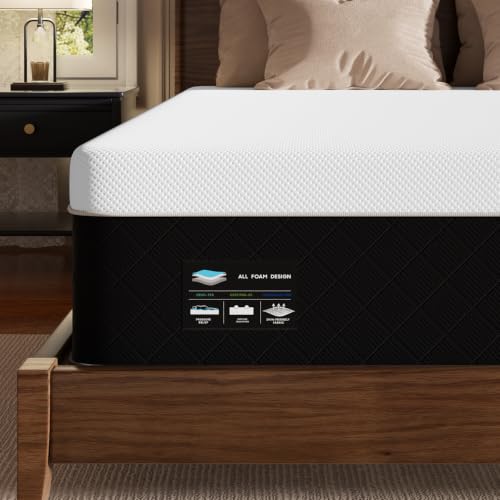
All foam models offer the most contouring and motion isolation, with a simple layered design and usually a lower price. Hybrid models add pocket springs under foam layers, which improve airflow, bounce, and edge support while keeping pressure relief. Firmer all foam models suit back and stomach sleepers, while softer models suit side sleepers and lighter bodies.
Gel infused models aim to reduce heat build up, while open cell foams improve airflow through the structure. A mattress in a box design compresses for delivery and expands at home, which simplifies transport but needs a day or so to fully expand and air. Choose by sleep position and temperature preference rather than by marketing terms alone.
Budget and Long Term Value
Affordable memory foam mattresses can offer good value, but durability separates the best bargains from false economies. Check density, warranty length, and sag coverage, since a mattress that dips early costs more per year than a slightly pricier model that holds shape. Trial periods of several weeks let you judge comfort across different nights and seasons.
Factor in a protector, which guards against stains and moisture and often protects warranty coverage. Check return costs and conditions, since some trials charge for collection. A clear trial and warranty policy is worth as much as a small price saving when comfort is uncertain.
Common Mistakes to Avoid
A common mistake is choosing the softest model available without considering spinal alignment, which can leave back sleepers with morning stiffness. Another is judging comfort after a few minutes in a shop, since foam feel changes with body heat and over a full night. Use the trial period properly and sleep on the mattress for several weeks before deciding.
A third mistake is ignoring heat. Sleepers who run hot should prioritize cooling features and breathable bedding, since a warm mattress disrupts sleep even when pressure relief feels good. Check the cover and layer design, and pair the mattress with breathable sheets and a suitable pillow.
Care and Everyday Use
Rotate the mattress regularly unless the maker advises against it, and use a protector to guard against spills and allergens. Air the room and the mattress when possible, and clean the cover according to maker guidance. Avoid bending or folding a foam mattress for storage, since creases can damage layers.
Allow a new mattress time to expand and air after delivery, and expect a brief adjustment period as your body adapts. Keep the base supportive and flat, since a sagging base undermines even a good mattress. Replace the mattress when support fades, impressions deepen, or sleep quality drops despite good sleep habits.
Related Guides Worth Reading Next
If you want to compare a neighboring option, read our guide to best non memory foam mattresses, which covers the same kind of buying decision from a slightly different angle and can help you narrow the shortlist.
If you want to compare a neighboring option, read our guide to best mattresses without memory foam, which covers the same kind of buying decision from a slightly different angle and can help you narrow the shortlist.
If you want to compare a neighboring option, read our guide to best mattresses not memory foam, which covers the same kind of buying decision from a slightly different angle and can help you narrow the shortlist.
If you want to compare a neighboring option, read our guide to best firm memory foam mattresses, which covers the same kind of buying decision from a slightly different angle and can help you narrow the shortlist.
If you want to compare a neighboring option, read our guide to best gel memory foam mattresses, which covers the same kind of buying decision from a slightly different angle and can help you narrow the shortlist.
A Closer Look Before You Decide
Pillow pairing is an overlooked part of memory foam comfort, since a mattress that cradles shoulders changes the height a pillow needs to keep the neck neutral. Side sleepers often need a loftier pillow than they used on a firmer mattress, while back sleepers may need a lower profile. Try the new mattress with your existing pillow for a week, then adjust pillow height before blaming the mattress for morning neck stiffness.
Trial periods work best when you treat them as a structured test rather than a vague impression. Sleep in your usual position, note morning stiffness and night waking for the first two weeks, and give the foam time to soften slightly with body heat and use. Avoid judging on a single hot night or after a long travel day, since those factors distort comfort. A short nightly note reveals patterns that a single morning impression misses.
Frequently Asked Questions
Do memory foam mattresses sleep hot?
Traditional memory foam can retain heat, but modern designs use gel infusion, open cell structure, and breathable covers to improve airflow. Hot sleepers should prioritize these features and pair the mattress with breathable bedding. Room temperature and pajamas also affect warmth, so judge heat over several nights rather than on the first night alone.
How firm should a memory foam mattress be?
Firmness depends on sleep position and body weight. Side sleepers usually need a softer surface for shoulder and hip relief, while back and stomach sleepers usually need a firmer surface to keep the spine neutral. Heavier sleepers often need firmer and denser foam for lasting support. Trial periods help you find the right balance for your body.
How long do affordable memory foam mattresses last?
Lifespan depends on foam density, use, and care, but many affordable models last several years with good support. Higher density foams and strong warranties usually signal better durability. Sagging, deep impressions, and loss of support are signs of wear. Rotating the mattress and using a protector can extend useful life.
Are memory foam mattresses good for couples?
Yes, memory foam excels at motion isolation, so movement on one side disturbs the other side less than on a bouncy mattress. Couples should also check edge support, since a weak edge makes the bed feel smaller, and size, since a larger bed gives each partner more room. Temperature preference matters too when partners sleep at different warmth levels.
When should I talk with a clinician about sleep or back pain?
Talk with a clinician for pain that persists, worsens, or comes with numbness, weakness, fever, unexplained weight loss, or bladder or bowel changes. These signs need professional assessment rather than a mattress change alone. A clinician can advise on sleep position, activity, and whether further tests are needed, and help you judge mattress firmness in that context.
Final Thoughts
best affordable memory foam mattresses can deliver genuine comfort and pressure relief when density, firmness, and cooling match the sleeper. Use the trial period fully, check warranty and sag coverage, and prioritize spinal alignment over softness alone. That patient approach finds a mattress that stays comfortable for years.
The product table above brings the main options together, so use it beside the checklist in this guide when you compare size, features, and price before you order.


