
Best Affordable Mechanical Watches: A Complete Buying Guide 2026
Disclosure: We may earn a commission when you buy through links on this page, at no extra cost to you. As an Amazon Associate I earn from qualifying purchases. Learn more

Best affordable mechanical watches: Automatic and hand wound movements, accuracy, power reserve and service costs explained.
If you are shopping for best affordable mechanical watches, this guide will help you compare options clearly and choose with confidence. It explains the features that matter, the types available, and the mistakes to avoid, in plain terms without jargon.
The comparison table below gives a quick overview of the main types. The sections that follow explain fit, features, and care in detail, so you can narrow your shortlist and judge the final choice by how it performs in real use.


Who Should Buy This
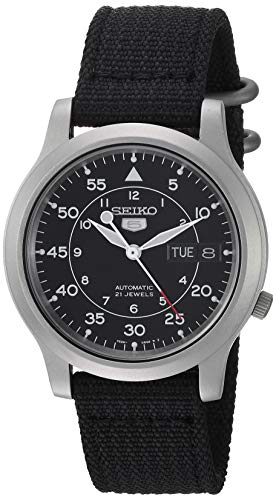
Affordable mechanical watches suit buyers who enjoy traditional watchmaking and want a watch with a beating mechanical heart. They work for daily wear, office use, and occasions, and they suit collectors starting a first mechanical piece. They suit people who wear a watch most days, since automatic movements stay wound through motion. They are a weaker fit for buyers who want perfect accuracy with no servicing, where quartz is the simpler choice.
Key Features to Compare
When comparing best affordable mechanical watches, focus on the features below before looking at price. Each feature affects daily comfort, performance, or running costs, and the right balance depends on how you will use the product most.
Automatic versus manual movements
Automatic movements wind from wrist motion through a rotor, so they suit daily wearers. Manual movements need winding by hand, usually daily, and suit enthusiasts who enjoy the ritual. Both use springs and gears rather than a battery, and both need periodic servicing. A manual watch that stops simply needs winding, while an automatic that stops after a day off the wrist is normal if its power reserve is short.
Accuracy in daily life
Mechanical watches are less accurate than quartz, typically gaining or losing seconds per day rather than per month. Position, temperature, and activity affect rate, so a watch may run slightly differently on your wrist than on a table. Judge accuracy over a week, not a single day, and note whether the rate is consistent. A sudden large change suggests a fault or magnetization, and a watchmaker can check it quickly.
Power reserve and winding
Power reserve tells you how long a watch runs after full winding, often about one to two days for affordable movements. If you rotate watches, a watch winder can keep an automatic running, but hand winding occasionally is simpler and cheaper. Wind a manual watch gently until you feel resistance, then stop. Forcing the crown past resistance can damage the movement, so a light touch matters more than a full wind every time.
Case, crystal, and service costs
At an affordable price, look for a solid case, a sapphire or hardened mineral crystal, and a secure crown. Sapphire resists scratches best for daily wear. Servicing every four to six years costs a meaningful share of the purchase price, so factor it into your decision. Buying from a retailer with watchmaker support makes servicing simpler.
A watch with a standard movement is easier and cheaper to service than a rare in house calibre.
Getting the Fit Right
Fit and comfort should be judged in real use, not just at first glance. Wear or test the item in the conditions you will use it most, and give yourself time to notice pressure points, slipping, or awkward controls. A good fit feels secure without forcing you to adjust constantly. If something rubs, slips, or feels unbalanced in the first session, it will usually feel worse later, not better.
Types Compared
The main types of best affordable mechanical watches suit different routines and budgets. Understanding the differences helps you avoid paying for features you will not use, or missing a feature you need every day.
Affordable automatic watches
Automatic watches wind themselves through daily movement and suit anyone who wears a watch most days. They are the easiest mechanical choice for a first purchase. They need servicing every few years and lose accuracy if left unworn. Choose automatic when you want mechanical charm without daily winding.
Affordable manual wind watches
Manual wind watches need daily winding and suit enthusiasts who enjoy a hands on routine. They are often slimmer than automatics, since they lack a rotor. They reward a daily habit and make a good dress watch. Choose manual when you enjoy the ritual and wear the watch deliberately, not casually.
Affordable mechanical dress watches
Mechanical dress watches are slim, simple, and understated, with clean dials and leather straps. They suit formal occasions and office wear. They prioritize elegance over water resistance and extra functions. Choose this style when the watch is mainly for smart occasions rather than active weekends.
What Your Money Gets You
Affordable mechanical watches usually cost about $150 to $600, with simple automatics near the lower end and better finished models higher. Servicing every four to six years can cost about $100 to $250, so include it in the long term budget. A standard movement keeps service costs lower and parts easier to find. Buying a watch you will wear often gives better value than a watch that sits in a drawer, since automatics need motion to stay running.
Spending more mainly buys finishing, a longer power reserve, and a more refined movement.
Care and Warning Signs
Care for a mechanical watch is gentle and regular. Keep it away from magnets, including phone cases and bag clasps with strong magnets, since magnetization affects accuracy. Avoid shocks and sudden temperature changes, and rinse after salt water exposure if the watch is water resistant. Wind manual watches gently, and do not force the crown.
Store the watch dry, and have it serviced on schedule rather than waiting for it to stop. If accuracy changes suddenly, a watchmaker can often demagnetize and regulate it quickly.
Common Buying Mistakes
A common mistake is buying on price alone, without checking fit, running costs, and compatibility. Another is choosing the largest or most featured model, when a simpler model fits daily use better. Read the full specification, not just the headline feature, and check what is included in the box. A short checklist before ordering prevents most disappointing purchases.
Before You Order
Before you order best affordable mechanical watches, recheck the details that matter most for your routine. Confirm size, fit, compatibility, and total cost including any consumables or accessories you will need in the first year. Check return terms and warranty coverage, since a clear return policy makes testing a new item far less risky. If two options seem close, choose the one that fits your daily routine better, not the one with the longer feature list.
Shopping Checklist
- Confirm that the size and fit suit your normal use, not just a quick try.
- Check the features you will use weekly, and ignore features you will rarely touch.
- Compare total cost, including consumables, accessories, and servicing where relevant.
- Read the return and warranty terms before ordering, so a poor fit stays easy to fix.
Related Guides to Compare
If you are also considering best mechanical watches, read that guide alongside this one to compare features and fit. It covers a closely related option that may suit a different routine or budget.
If you are also considering best looking affordable watches, read that guide alongside this one to compare features and fit.
If you are also considering best affordable wrist watches, read that guide alongside this one to compare features and fit.
If you are also considering best affordable watches for men, read that guide alongside this one to compare features and fit.
Frequently Asked Questions
Are mechanical watches less accurate than quartz?
Yes. Mechanical watches typically gain or lose seconds per day, while quartz watches gain or lose seconds per month. For daily life, a few seconds a day rarely matters, and consistency matters more than perfection. Judge a mechanical watch over a week, and have it regulated if the daily rate drifts noticeably.
Do automatic watches need winding?
Not if worn daily, since wrist motion winds the rotor. If left unworn for longer than the power reserve, usually one to two days, an automatic will stop and need winding and resetting. Hand winding an automatic gently a few turns helps it start, then normal wear keeps it going. A watch winder is optional, not essential.
How often should a mechanical watch be serviced?
Roughly every four to six years, depending on use and movement. Servicing cleans, lubricates, and regulates the movement, and it prevents wear from causing larger faults. Skipping service can shorten a movement life. Budget for service when you buy, since it is a real part of mechanical ownership.
Can a mechanical watch be magnetized?
Yes, exposure to strong magnets can make a mechanical watch run fast or erratically. Common sources include magnetic phone mounts, bag clasps, and some speakers. A watchmaker can usually demagnetize a watch quickly and cheaply. If your watch suddenly gains many seconds a day, magnetization is a likely cause.
Is a mechanical watch a good first watch?
Yes, if you wear it regularly and accept servicing costs. A simple automatic with a standard movement is the easiest entry point. It offers traditional watchmaking charm at an affordable price, and it teaches you how mechanical timekeeping works. Choose quartz instead if you want perfect accuracy with almost no maintenance.
Final Thoughts
Choosing best affordable mechanical watches well comes down to fit, features, and total cost, not to the most expensive model or the longest feature list. Use the product table above to compare types, then judge your shortlist by how it feels and performs in your normal routine. Take your time, check the details that matter for your use, and choose the option you will be happy to use every day.


