Best Affordable Luxury Women's Watches: Types Compared and How to Choose 2026
Disclosure: We may earn a commission when you buy through links on this page, at no extra cost to you. As an Amazon Associate I earn from qualifying purchases. Learn more

Best affordable luxury women's watches: Case size, lug fit, movement and crystal choices for women who want a refined watch on a budget.
Shopping for best affordable luxury women's watches can feel confusing at first because the word luxury covers very different machines. A slim automatic dress watch, a rugged dive watch, and a smartwatch with health tracking all sit in the same search results, yet they suit different wrists, wardrobes, and daily routines.
This guide compares each type side by side so you can see what you gain and what you give up before you spend anything. Use the comparison table below to scan case sizes, movements, and price bands, then read the sections that match your lifestyle most closely.


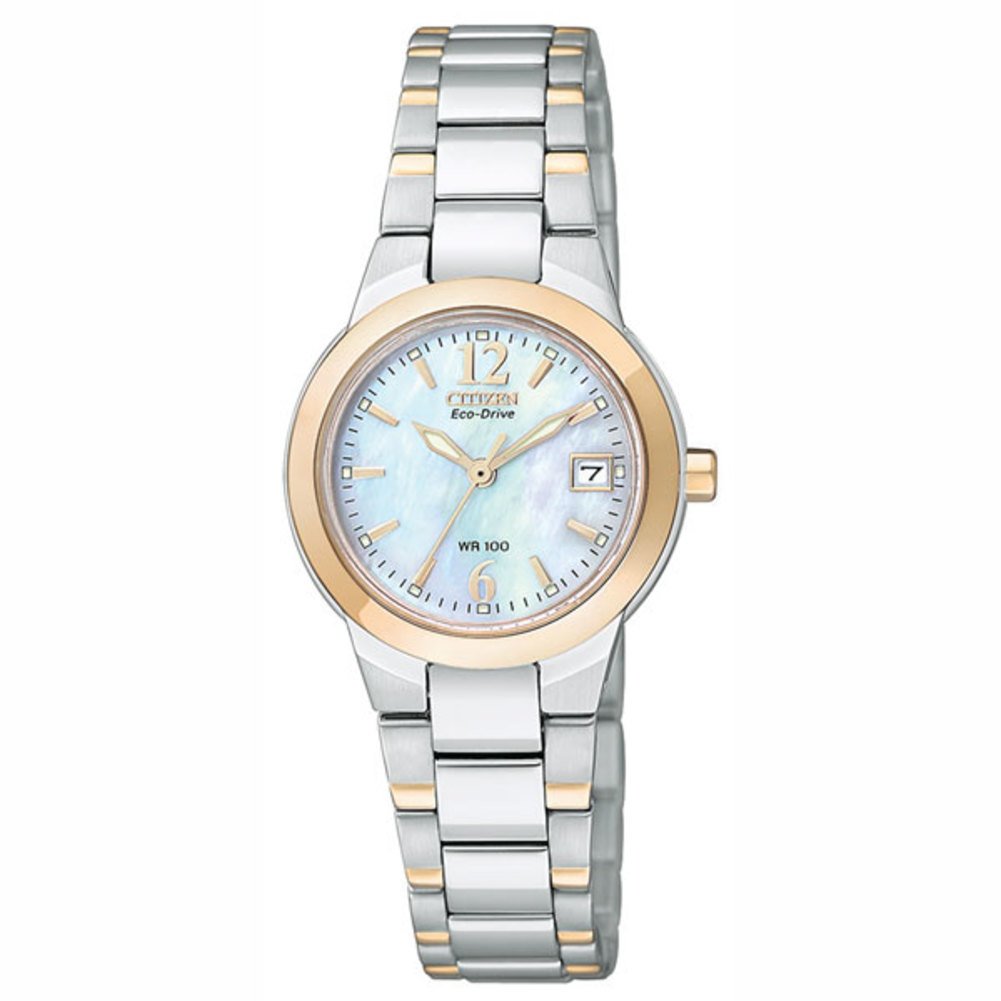
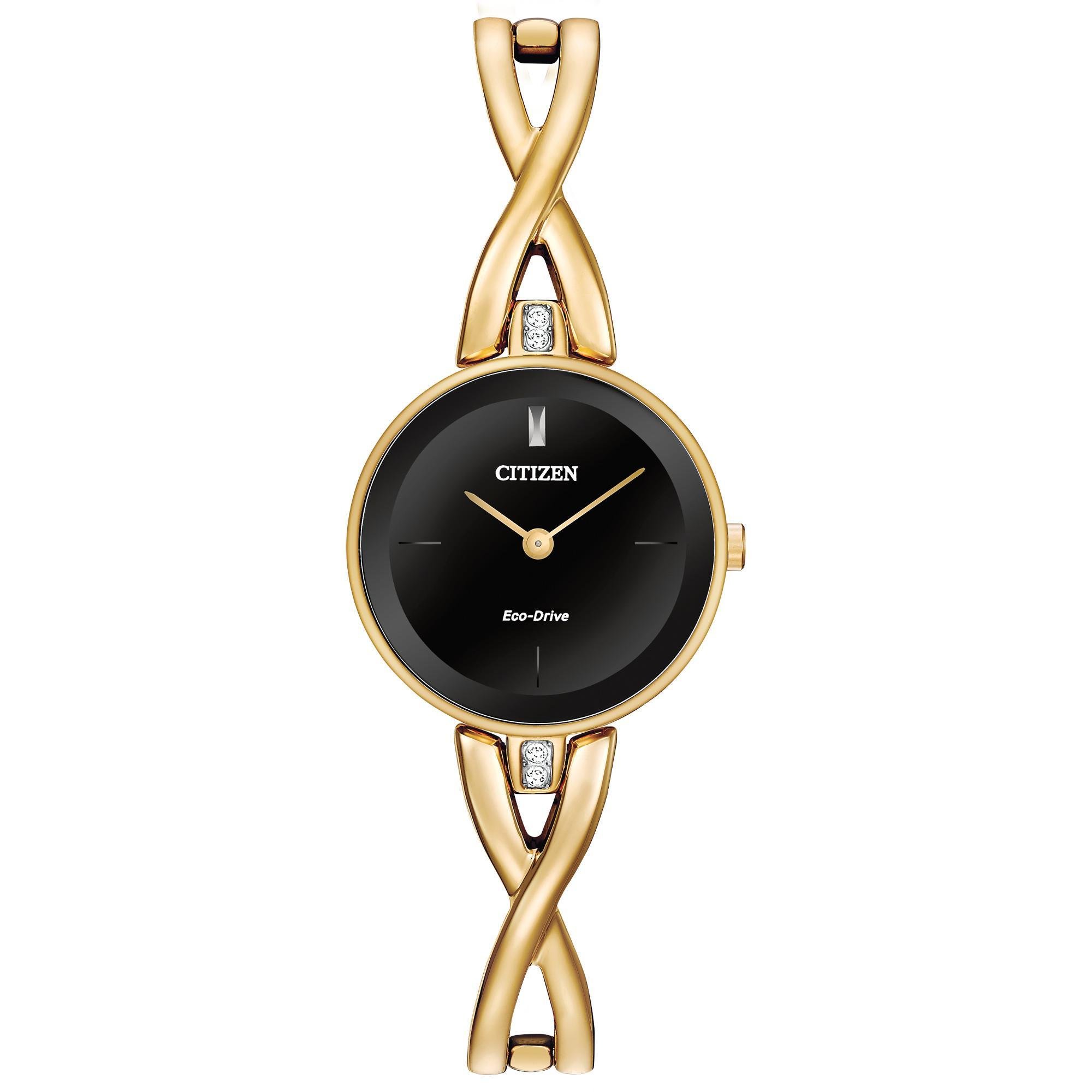

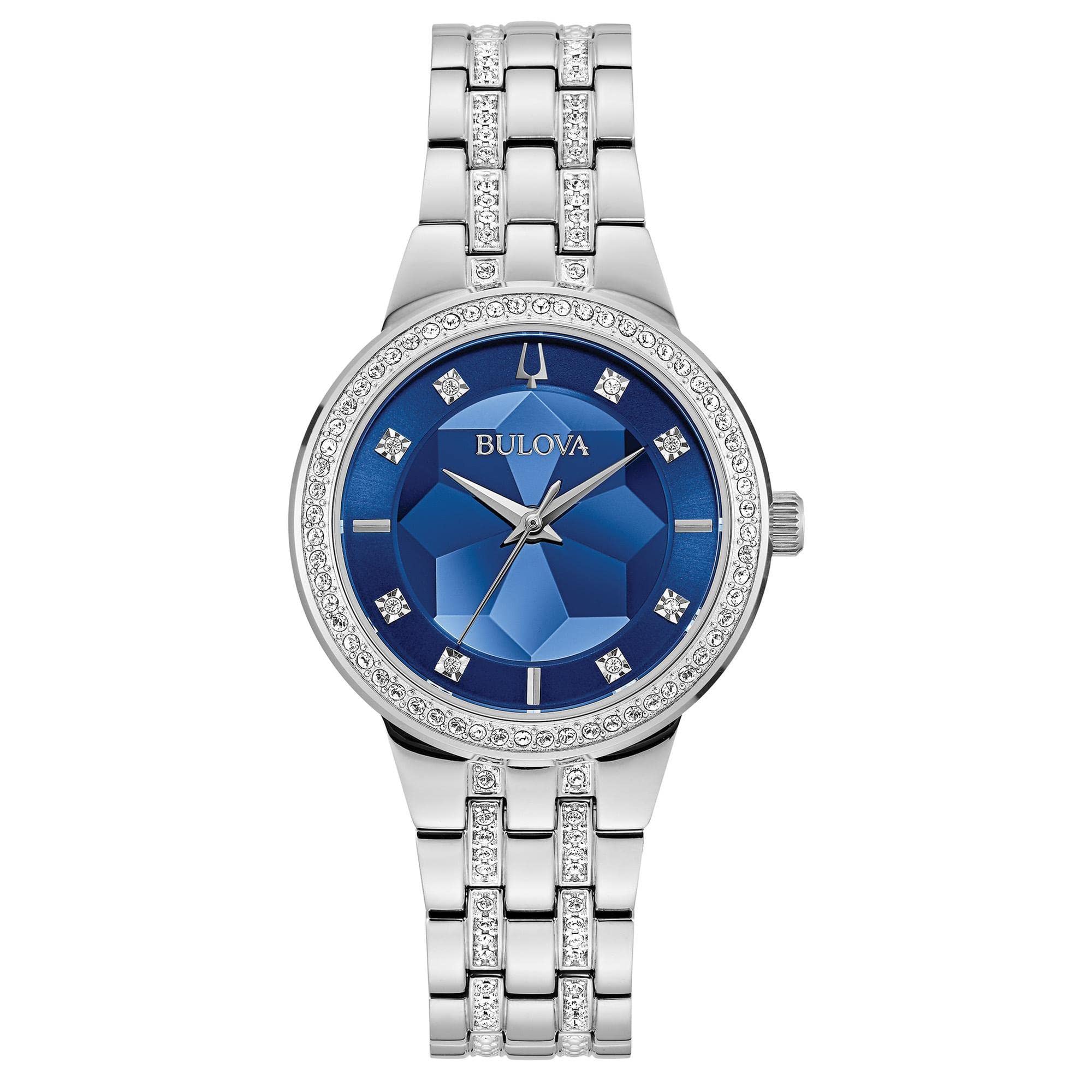
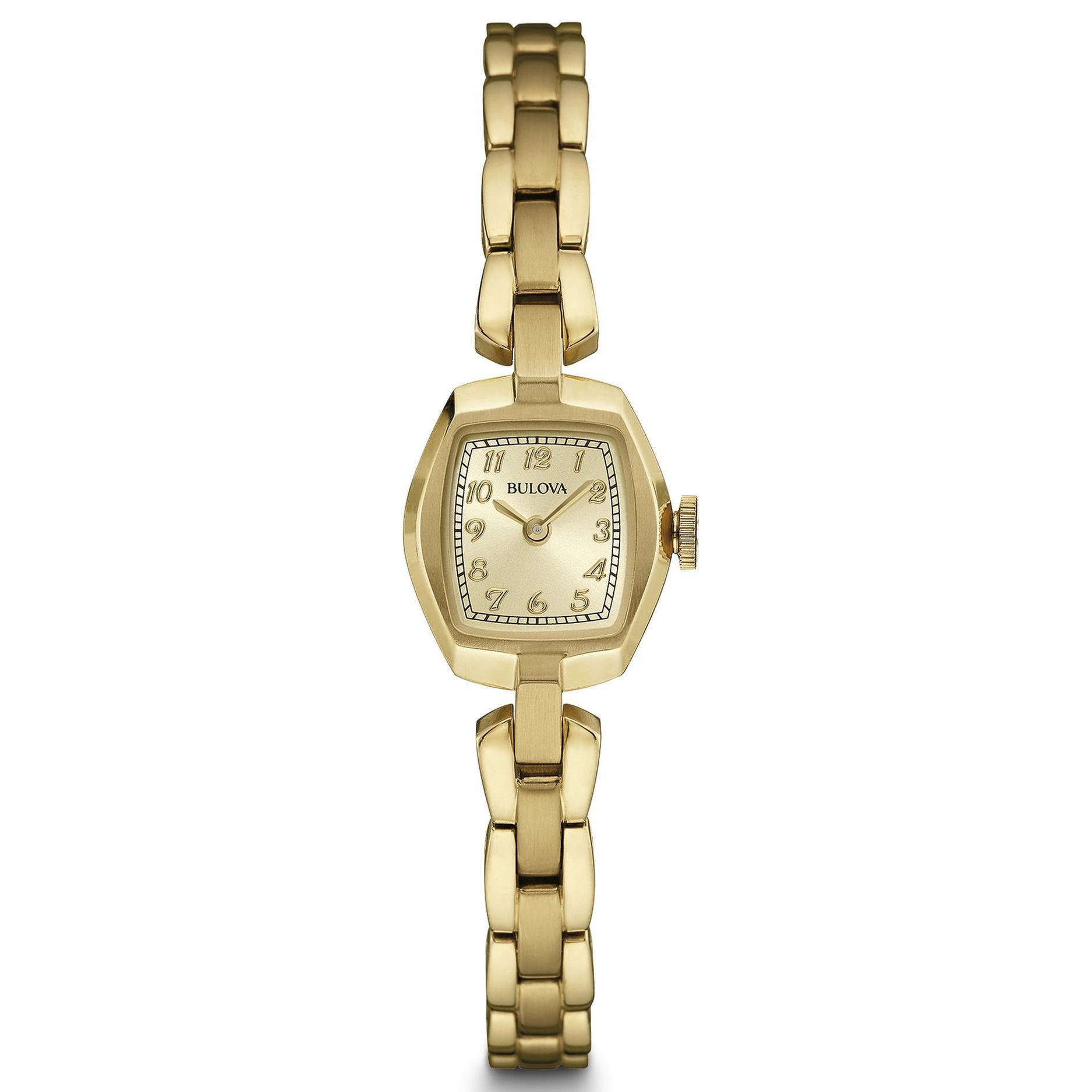


Types of Luxury Watches Compared
Three broad families cover most of the affordable luxury market for women. Automatic models deliver traditional watchmaking with no battery. Dive and field styles add toughness and water protection for active days. Smartwatches trade classic looks for notifications, GPS, and fitness data. If you want the wider market view first, see our guide to the best affordable luxury watches for the shared criteria that apply to every wrist, then come back to the women specific fit notes below.
Automatic Watches
An automatic movement winds itself from the motion of your wrist, storing energy in a mainspring that typically runs for about 38 to 80 hours off the wrist. You get a smooth sweeping seconds hand, real mechanical craft, and a watch that can last for decades with periodic servicing. The trade offs are thickness, cost, and accuracy, since a mechanical watch may drift by several seconds a day and needs a service every 5 to 7 years.
Choose an automatic if you love the ritual of wearing and setting a mechanical object and you plan to keep the watch for many years. Skip it if you rotate several watches and dislike resetting the time after a quiet weekend.
Dive and Field Watches
Dive watches bring strong water resistance, a rotating bezel for timing, and bright lume so you can read the dial in low light. Field watches share the same tough spirit with a simpler fixed bezel, clear Arabic numerals, and a case built to shrug off knocks at work or on the trail. Both styles usually feel sportier and a little thicker than dress watches.
These are the right pick if you swim, travel, garden, or work with your hands and want one watch that never needs babying. The main downside is style range, since chunky cases and fabric straps can look out of place with formal evening wear.
Smartwatches
A smartwatch pairs with your phone to show messages, track workouts, record sleep, and in many cases log heart rate, GPS routes, and contactless payments. Battery life is the big compromise, ranging from about one day to roughly two weeks depending on the screen and feature load. You also depend on software support, so the useful life is closer to a phone than to a mechanical watch.
Pick a smartwatch if training data and staying reachable matter more to you than timeless looks. Many women keep one smartwatch for weekdays and workouts and one classic watch for evenings, which is a sensible split at this price level.
Automatic Watches vs Dive and Field Watches: Which Should You Choose?
On movement, both families often use the same automatic calibers, so the real differences are case design, water resistance, and daily comfort. A dive watch rated to 200 meters handles swimming and showering with ease, while many slim automatics rated to 30 or 50 meters should stay away from the pool. On size, field and dive cases commonly run larger and sit higher on the wrist, which can overwhelm a small wrist under a fitted cuff.
On legibility, dive and field dials win because bold markers and lume are core to the design. On wardrobe range, the classic automatic wins because a clean dial and leather strap move from office to dinner without comment. If you are also shopping for a partner, our guide to the best affordable luxury watches for men uses the same sizing logic in larger case sizes. Choose the tough watch if your days are active and wet, and choose the classic automatic if polish matters most.
How to Choose the Best Affordable Luxury Women's Watches
The sections below walk through the decisions in the order most buyers find useful. Start with features, check legibility, confirm the fit for your wrist, then settle the movement question and a realistic budget.
Smart and Fitness Features
GPS, heart rate tracking, sleep scores, and phone notifications only come with smartwatches, so decide early whether those tools matter to you. A practical know how point is to check phone compatibility before anything else, because some models lock their best features to one phone brand. Remember that wrist heart rate data is a general wellness guide, not a medical device, so treat unusual readings as a prompt to talk with your clinician rather than as a diagnosis.
Legibility and Style
You read a watch dozens of times a day, so contrast matters more than decoration. Look for hands that stand out against the dial, markers with real lume if you read the time at night, and a dial free of clutter at small sizes. For timeless layouts that stay easy to read, see our guide to the best classic women's luxury watches and note how restraint helps clarity. Match the case finish to the jewelry you already wear so the watch blends with your daily style instead of fighting it.
What Women Should Look For
Fit is where women specific shopping really differs. Case diameter is only part of the story, because lug to lug length decides whether the case overhangs your wrist, and thickness decides whether it slides under a cuff. A case around 28 to 36 mm suits most wrists, and lighter cases with curved lugs feel secure without constant adjusting. Our guide to the best women's luxury watches explains these proportions in more depth. Also check the strap, since a quick release strap lets you swap leather for steel in seconds and doubles the looks you get from one watch.
Movement Type (Quartz, Automatic, Solar, Smart)
Quartz movements run on a battery, keep excellent time, and need the least care, which makes them the lowest effort option. Automatic movements need no battery but ask for regular wear and periodic servicing. Solar models charge from light and can run for months in a drawer, a nice middle path for occasional wear. Smart movements do the most and age the fastest, so buy them for features rather than longevity. There is no single winner here, only the match between your habits and the upkeep each type asks for.
What You Can Realistically Get on a Budget
Around $150 to $300 usually buys a well finished quartz or solar watch with a sapphire crystal if you shop carefully, or an entry automatic with a mineral crystal. Around $300 to $600 is where automatic movements, better bracelets, and 100 meter water resistance become common. Sapphire crystal, solid bracelet links, and a smooth bezel action are worth protecting in your budget, while decorative stones and gold tone coatings are the first places brands cut cost. Readers shopping outside the United States may also find our guide to the best affordable women's watches philippines helpful for local pricing context and availability notes.
Care and Maintenance Tips
A few habits keep any of these watches looking and running well. Service automatic watches every 5 to 7 years so old oils do not wear the movement. Rinse a dive watch under fresh water after saltwater exposure and dry the strap fully. Store watches away from magnets, including phone speakers and tablet covers, because magnetizm is a common cause of a mechanical watch suddenly running fast. Wipe cases with a soft dry cloth weekly, keep leather straps away from perfume and water, and store each watch in a padded case rather than loose in a drawer.
- Wind and set an automatic gently, and stop if the crown feels gritty.
- Push crowns and pushers fully back in before any contact with water.
- Replace a quartz battery promptly when it dies so it cannot leak.
- Charge a smartwatch on a schedule instead of letting it sit empty.
Luxury Watches: Your Questions Answered
What makes luxury watches for women different?
The main differences are proportion, weight, and strap design rather than movement quality. Cases are sized and shaped for smaller wrists, lug curves sit flatter, and straps taper more so the watch feels balanced. A detail many shoppers miss is clasp design, since a slim deployant clasp lies flatter under a desk than a bulky buckle. Always judge a watch on your own wrist measurements instead of the category label, because unisex sizes around 36 to 38 mm suit many women well.
What case size fits my wrist?
Measure your wrist with a soft tape just behind the wrist bone, then compare that number with lug to lug length rather than diameter alone. As a simple home test, cut a paper strip to the lug to lug length and lay it across your wrist, since overhang shows at once. Wrists under about 6 inches usually suit 28 to 34 mm cases, while wrists above that often carry 36 to 40 mm comfortably. Thickness under about 12 mm slides under most cuffs.
Quartz or automatic: which is better?
Quartz is better if you want low cost, slim cases, and time that is right every time you pick the watch up. Automatic is better if you value mechanical craft and plan to wear the watch most days. One point buyers rarely hear is resale and repair, since common automatic movements can be serviced by most independent watchmakers for decades, while an old quartz module may become hard to source. Your wearing routine should decide, not prestige.
Is a smartwatch worth it over a classic watch?
A smartwatch is worth it if you will actually use training, sleep, and notification features most days. If those tools sound appealing but unproven in your life, start with the smartwatch alone for a full month before adding a classic watch. A practical check is your charging habit, because a device that needs daily charging only works if it fits your existing routine. Classic watches hold the edge for formal wear, longevity, and freedom from software updates.
How water resistant should a watch be?
For daily life with hand washing and rain, 50 meters is a sensible floor, and 100 meters or more covers swimming with confidence. Ratings are tested in still water under lab conditions, so moving water and hot showers add pressure and heat that ratings do not reflect. A simple know how habit is to have the seals checked every couple of years if you swim often, because aged gaskets are the usual reason a rated watch leaks.
How long does a watch battery last?
A typical quartz battery lasts about 2 to 3 years, and solar models avoid routine changes because their rechargeable cells often run for a decade or more. Smartwatch batteries are measured in days per charge and slowly lose capacity over a few years of daily charging. A useful warning sign is a quartz seconds hand jumping in wide steps, which many movements use as a low battery signal. Plan a battery change before travel so a dead watch never surprises you mid trip.
The Bottom Line
Start with the type that fits your routine, then confirm case size and lug to lug fit on your wrist, and finally protect sapphire crystal and honest water resistance inside your budget. Active swimmers do best with a dive or field style, traditionalists with a classic automatic, and data lovers with a smartwatch. Whichever route you take, the best affordable luxury women's watches are the ones you will wear daily without fuss, so compare the finalists in the product table above and choose the fit that feels right on your wrist.