
Best Affordable Laptops for Graphic Design 2026: Guide
Disclosure: We may earn a commission when you buy through links on this page, at no extra cost to you. As an Amazon Associate I earn from qualifying purchases. Learn more

Pick the best affordable laptops for graphic design with accurate color, enough power for large files, and a screen you can trust every day.
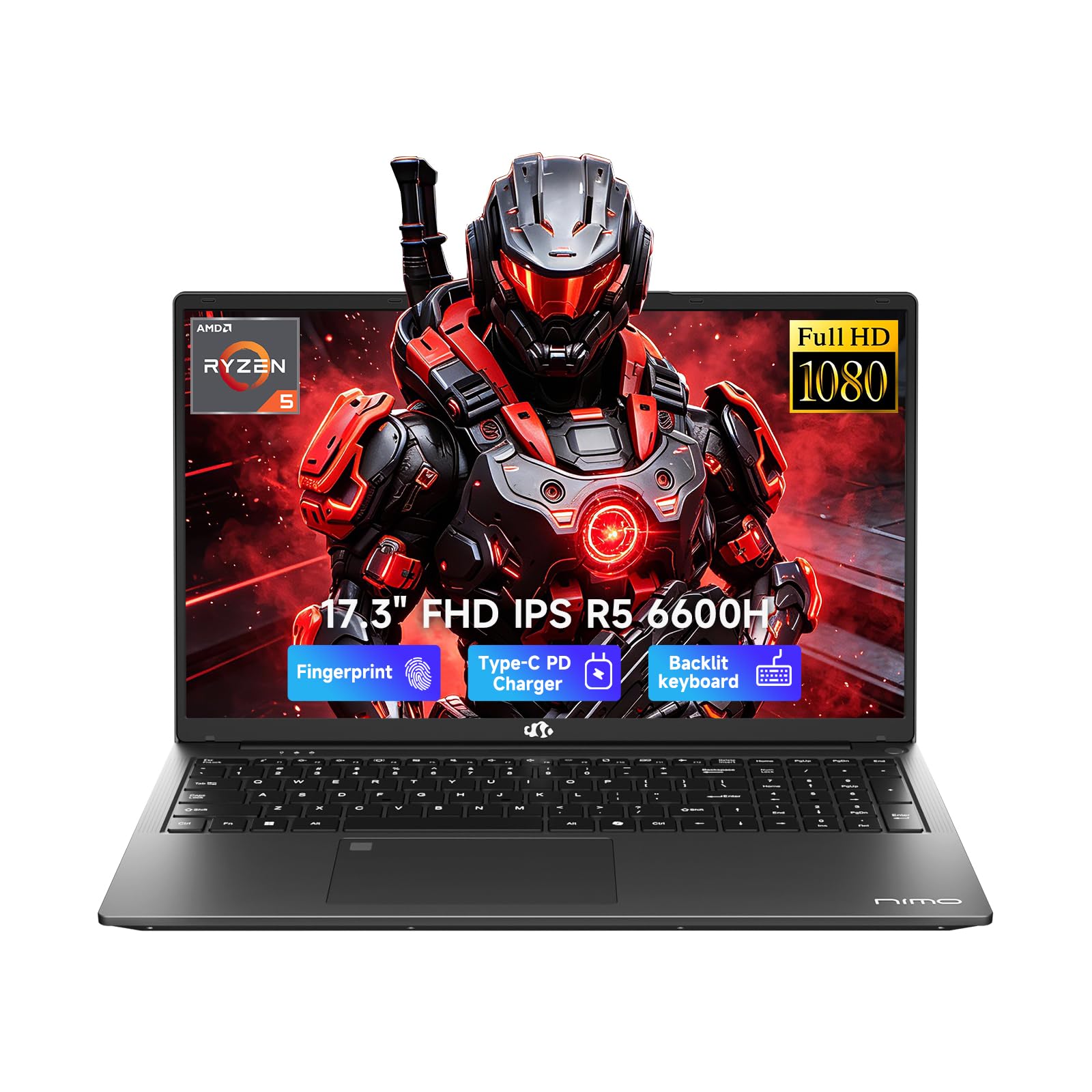
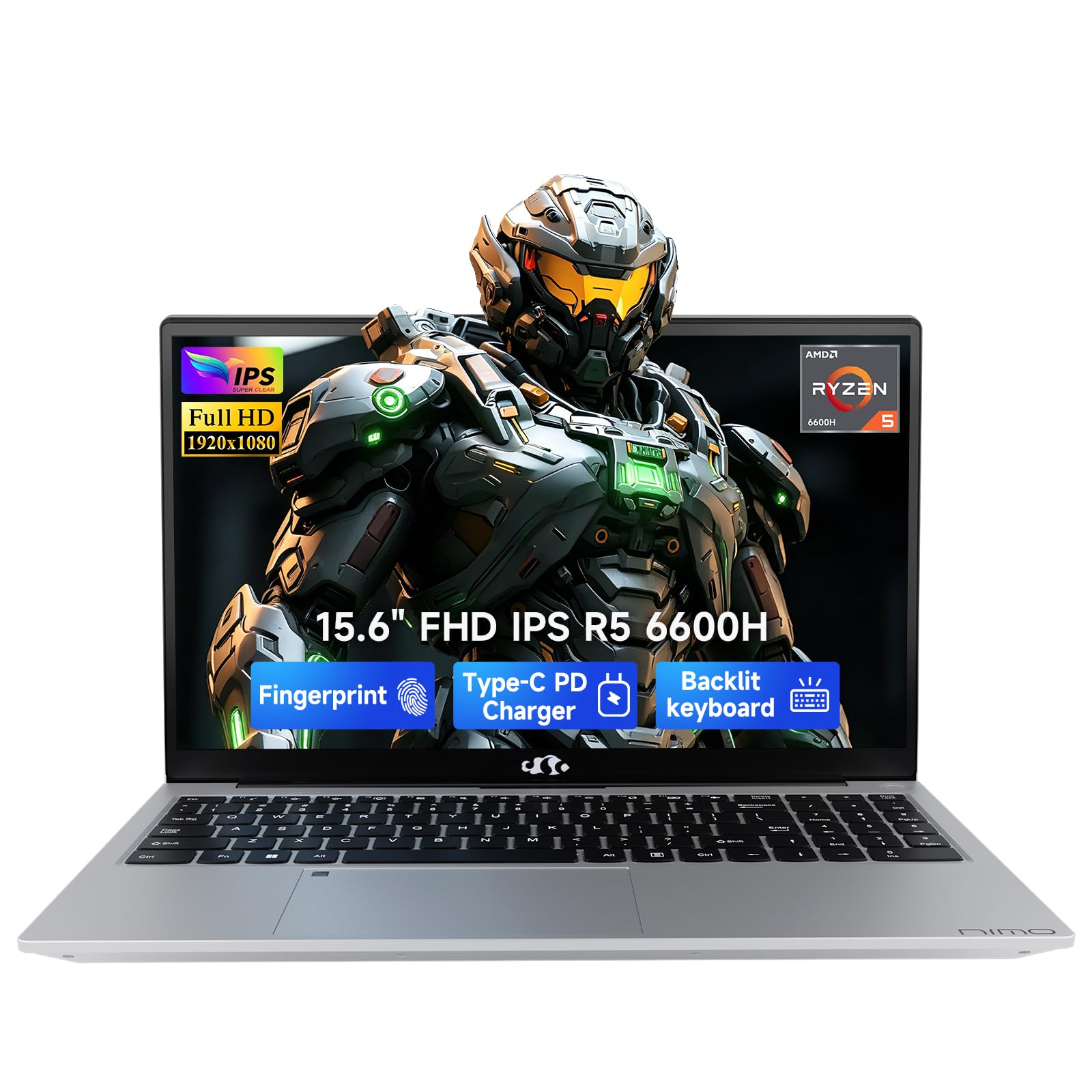
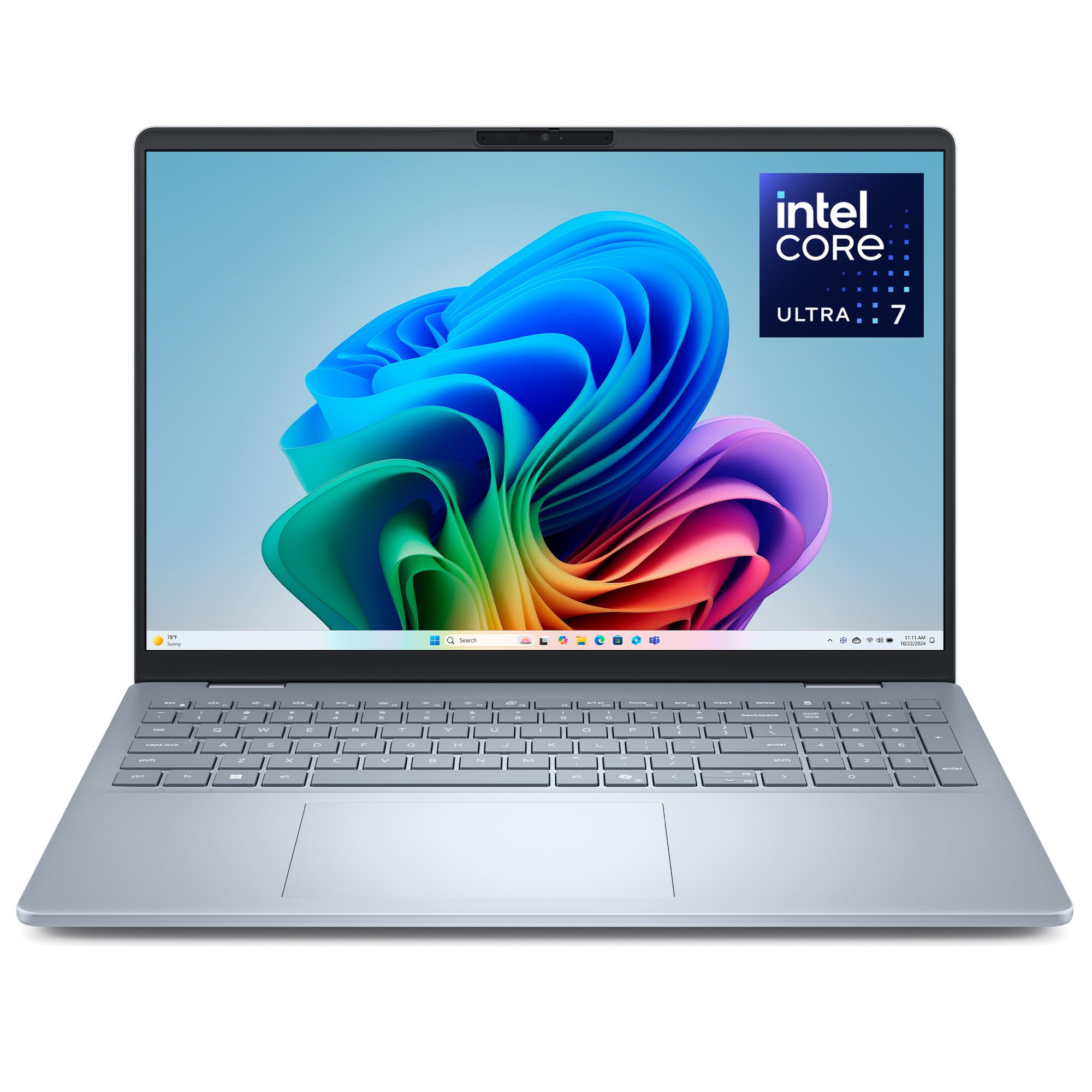
Best affordable laptops for graphic design need more than a low price, since design work pushes a screen, processor, and memory harder than everyday browsing. The product table below lays out the key specs side by side so you can see where a budget model shines and where it compromises. Color accuracy, screen size, and enough memory to handle large image files matter far more than a slim body or a fashionable finish.
Students and freelance designers often work with tight budgets, yet still need reliable tools for client work. The good news is that mid range laptops now offer strong screens and capable processors at prices that were once reserved for basic machines. This guide explains which specs deserve your money and which ones you can safely trade away.





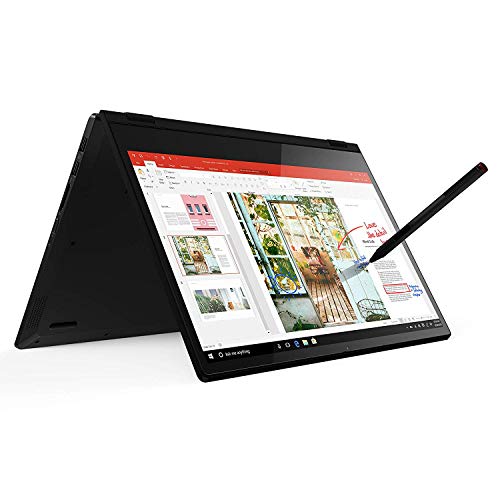
Who Should Buy the Best Affordable Laptops for Graphic Design
A budget design laptop suits students learning layout, illustration, and photo editing, who need a capable machine without student debt. It also suits freelancers starting out, who need to produce client work reliably while keeping costs low. Hobby designers who edit photos and create social graphics will find a mid range machine more than enough.
If you work on large print files, complex illustrations, or video alongside still images, you may need to stretch the budget for extra memory and a stronger graphics chip. Heavy three dimensional work and long video renders demand more power than a basic budget model offers. Be honest about your heaviest task, and buy for that task rather than for your lightest one.
Screen and Color Accuracy
The screen is the most important part of a design laptop, since every decision you make depends on what you see. Look for a screen that covers a wide color range and shows consistent brightness across the panel. A larger screen helps with detailed work, while a high resolution panel lets you judge fine edges and small text clearly.
Color accuracy matters most when work goes to print or to a client screen. A screen with poor color will make your prints look different from your files, which leads to costly rework. If you cannot afford a top tier panel, a budget laptop plus an external monitor for final checks can be a smart compromise. For a broader look at screen choices, see best laptops for graphic design, and best laptops for graphic design students covers student friendly options in more depth.
Processor, Memory, and Storage
Design software benefits from a modern processor with several cores, since filters, exports, and large files all use processing power. Memory matters just as much, because design apps keep many layers and high resolution images open at once. Sixteen gigabytes of memory is a sensible target for serious work, while eight gigabytes suits lighter tasks but may struggle with many files open.
Storage should be fast as well as roomy, since a solid state drive opens large files far quicker than an older hard drive. Aim for enough space for your current projects plus your software, and use an external drive for archives. A separate graphics chip helps with three dimensional previews and video effects, though many two dimensional designers manage well with strong integrated graphics. Gamers who also design should compare best laptops for gaming and graphic design, while brand focused buyers can check best hp laptops for graphic design.
Portability and Battery Life
Design students carry laptops between classes, studios, and home, so weight and battery life deserve real attention. A lighter machine with a full day battery suits campus life, while a heavier workstation style laptop suits a fixed desk. Think about where you actually work, and do not pay for extreme portability if the laptop rarely leaves your desk.
Battery claims vary with workload, and design software drains power faster than web browsing. Expect shorter life when editing large files, and carry a charger for long studio sessions. A good keyboard and a precise touchpad also matter, since you will spend hours selecting, dragging, and typing on them every day.
Budget Tiers and Trade Offs
At the lowest prices, you gain a usable design machine by accepting a smaller screen or less memory. This tier suits learners and light photo editing, especially if you add an external monitor later. Check that memory can be upgraded, since a cheap machine with room to grow often beats a sealed machine with slightly better launch specs.
In the middle range, you gain a better screen, more memory, and a faster drive, which together make daily design work smoother. This tier suits freelancers and students who design every day. Above it, you pay for premium color accuracy, stronger graphics, and refined build, which matter most to professionals handling print critical work.
Mistakes to Avoid
The most common mistake is buying a laptop for its processor alone while ignoring the screen. A fast machine with a dull, inaccurate screen produces work that looks wrong elsewhere, no matter how quickly it renders. Another mistake is buying too little memory to save money, then watching the machine slow down with every open file.
Many buyers also forget ports and connectivity, then struggle to connect a monitor, tablet, or external drive. Count the ports you need for your daily setup, including video output and fast data transfer. A laptop that fits your whole workspace saves adapters, dongles, and daily frustration.
Setting Up a Design Friendly Workspace
A budget design laptop works best when paired with a workspace that supports long creative sessions, starting with a comfortable chair and a screen at eye level. A laptop stand lifts the screen to a healthier height, while an external keyboard and mouse reduce strain during hours of detailed work. Good lighting matters too, since harsh overhead light creates screen glare that hides color problems, while soft side lighting keeps colors truer.
File habits protect your work as surely as hardware does, so organize projects with clear folders and consistent naming from the first assignment. Back up work to an external drive or cloud storage daily, because a single drive failure can erase weeks of client projects. Keep your software updated, but avoid updating in the middle of a deadline week, when an unexpected change could disrupt a familiar workflow.
Color management deserves a small investment of time even on a budget setup, starting with basic screen calibration using built in tools. Learn how your screen renders common colors by printing a sample page or viewing work on a second device, and note where your screen runs warm or cool. This awareness helps you make safer color choices for print, and it builds skills that transfer to any machine you use later.
Frequently Asked Questions
How much memory do I need for graphic design?
Sixteen gigabytes of memory suits most graphic design work, including layered images, large print files, and several apps open at once. Eight gigabytes handles light photo editing and simple layouts, but may slow down when files grow large. If you work with video or three dimensional scenes as well, more memory helps noticeably. Choose a laptop that allows memory upgrades when possible, so the machine can grow with your skills.
Is a dedicated graphics chip necessary for design work?
A dedicated graphics chip helps with three dimensional work, video effects, and fast previews, but many two dimensional designers work well without one. Photo editing, layout, and illustration rely more on the processor, memory, and screen. If your work stays in two dimensions, spend the savings on a better screen and more memory. Add a dedicated chip when video or three dimensional tasks form a regular part of your week.
What screen size suits graphic design best?
A 15 inch or larger screen suits graphic design best, since it gives room for tool panels alongside your artwork. Smaller screens work for travel and short edits, but force constant zooming and panel shuffling. If you buy a smaller laptop for portability, pair it with an external monitor at your desk. Screen quality matters more than size alone, so favor color accuracy over a slightly larger but duller panel.
Can a budget laptop handle professional design software?
Yes, a budget laptop can handle professional design software when it has a modern processor, enough memory, and fast storage. Performance depends on file size and task complexity rather than the software brand alone. Large print files and complex illustrations need more power than simple social graphics. Try the machine with your heaviest typical project before a return window closes, so you learn its limits early.
Should I buy a laptop or a desktop for graphic design?
Buy a laptop when you need to work in different places, such as classes, studios, and client meetings. Buy a desktop when you work at one desk and want maximum power and a large screen for the same money. Many designers use a laptop as their main machine plus an external monitor at home, which gives both portability and screen space. Let your working pattern decide, not the idea that one type is always better.
Final Thoughts
Best affordable laptops for graphic design come down to a simple priority list: screen first, memory second, and processor third. Use the product table above to compare those specs honestly against your heaviest work, and do not let a slim design distract you from color accuracy. A machine that shows your work truly will serve you far better than a faster machine with a poor screen.
Buy from a seller with a fair return policy, try the laptop with a real project in the first week, and keep your files backed up from day one. With a careful choice among the best affordable laptops for graphic design, a budget laptop can carry your design work from student projects to paid client jobs.


