
Best Affordable Laptops for Computer Science Students: Every Type Explained Side by Side for 2026
Disclosure: We may earn a commission when you buy through links on this page, at no extra cost to you. As an Amazon Associate I earn from qualifying purchases. Learn more

Compare the best affordable laptops for computer science students by type, processor, RAM and battery life with a clear checklist for coding classes.
Choosing a laptop for a computer science degree feels confusing because every type claims to do it all. Gaming models promise power, tablets promise light weight, and slim models promise all day battery life. This guide compares each type side by side so you can match the machine to your classes, your commute, and your budget. If you are shopping for best affordable laptops for computer science students, start with how you actually code each day, not with the longest spec list.
The product table below sums up the main options at a glance. After that, the guide walks through what each type does well, where it falls short, and which specs protect you from slow builds and constant charging.



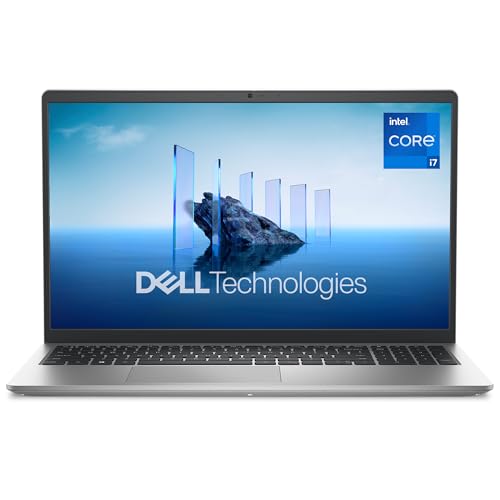

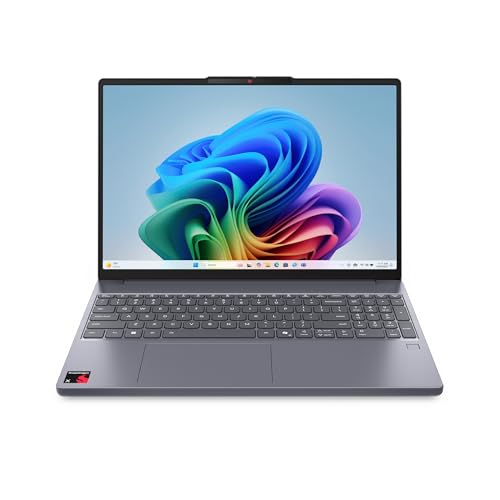


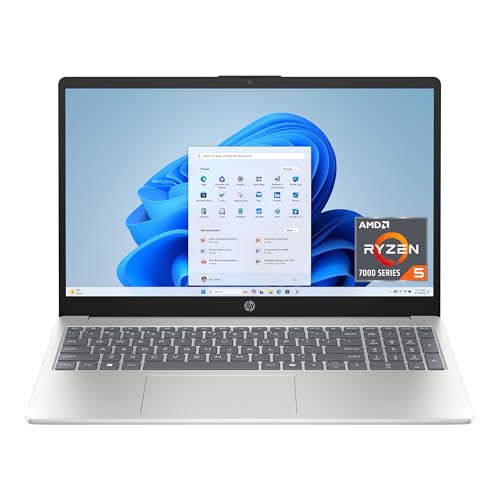

Types of Laptops Compared
Think of the three types below as different answers to the same daily problem. You need a machine that runs editors, browsers, terminals, and virtual tools without slowing down between lectures. Price, weight, and graphics power pull in opposite directions, so the right choice depends on which compromise costs you the least time.
Gaming Laptops
Gaming laptops put a dedicated graphics card and strong cooling in a larger body. That extra hardware helps with game development, machine learning coursework, and 3D graphics labs, and it keeps frame rates smooth in demanding software. Cooling fans and bigger batteries add weight, so most models feel heavy in a backpack.
Expect prices around $700 to $1,200 for capable new models, with battery life often around five to seven hours in class use. Choose this type if your program includes graphics heavy work and you mostly study at a desk with an outlet nearby.
Tablets
Tablets work as light companions for reading, notes, and light browser based coding. A detachable keyboard and stylus can make them handy in tight lecture seats, and battery life is often excellent. The limits show up fast when you need a full desktop operating system, local development tools, or multiple windows side by side.
Most students use a tablet as a second device rather than their only machine. If your courses require installing compilers, containers, or engineering software, a tablet alone will frustrate you. Budget around $300 to $600, but remember the keyboard and pen often cost extra.
Ultraportables
Ultraportables are slim laptops built for carrying all day. They trade a dedicated graphics card for low weight, quiet fans, and battery life that can reach ten hours or more. Modern processors in this class handle coding, data work, and dozens of browser tabs with ease.
Prices usually sit around $600 to $1,000. Look for 16 GB of RAM and a 512 GB solid state drive if you can, because many slim models cannot be upgraded later. For most computer science students, this type offers the best balance of power and portability.
Gaming Laptops vs Tablets: Which Should You Choose?
Compare the two on five points. For software access, the gaming laptop wins easily because it runs full desktop tools without workarounds. For portability, the tablet wins, since it weighs far less and starts instantly. For typing and multitasking, the laptop wins again, thanks to a proper keyboard and a larger screen.
For battery life, the tablet usually lasts longer on light tasks. For total value as your only machine, the gaming laptop is safer. If you already own a capable desktop at home, a tablet can work as a portable extra.
If this purchase must carry your whole degree, choose a real laptop. You can also read our broader guide to the best laptops for computer science students for degree wide context.
How to Choose the Best Affordable Laptops for Computer Science Students
What You Can Realistically Get on a Budget
Around $500 to $800 is the sweet spot for most students. At this level you can expect a modern midrange processor, 16 GB of RAM on many models, and a bright enough screen for library work. You will give up premium metal bodies, the fastest graphics, and the very lightest designs.
Do not save money by dropping to 8 GB of RAM or a tiny 256 GB drive if you plan to run virtual machines. Those two cuts cause daily slowdowns. Save instead on extras like touch screens or decorative lighting that do not help you finish assignments.
Display Size, Resolution, and Brightness
A 14 inch screen balances code readability and backpack size for most students, while 15 or 16 inch models help if you keep two windows open all day. Choose at least full HD resolution so text stays sharp during long reading sessions. Brightness around 300 nits or higher keeps the screen usable near windows.
Refresh rate matters less for coding than for gaming, so a standard 60 Hz panel is fine on a budget. A matte finish reduces glare in bright lecture halls. If you do photo or video work on the side, look for wider color coverage, but do not trade RAM away to pay for it.
What Students Should Look For
Weight matters more than most first year students expect. A machine under about 3.5 lb plus its charger is far easier to carry across campus all day. Check the charger size too, because a bulky power brick adds hidden weight to your bag.
Battery life should cover a full block of classes without hunting for outlets. A backlit keyboard helps during evening study, and a webcam with a clear microphone matters for group projects and remote office hours. Students comparing general value can also see our guide to the best affordable laptops for students for non coding priorities.
Graphics (Integrated vs Dedicated GPU)
Integrated graphics share memory with the processor and handle everyday coding, video playback, and light photo work without trouble. They also use less power, which helps battery life and keeps the laptop thin and quiet.
A dedicated GPU earns its cost if you take game development, computer graphics, or machine learning courses that use GPU acceleration. It also helps with video editing. If your syllabus stays with web development, databases, and standard programming, integrated graphics are enough and leave more budget for RAM and storage.
Processor and Performance Tier
The processor decides how fast your code compiles and how smoothly your tools run together. Current midrange chips from the Intel Core Ultra, AMD Ryzen, and Apple M series families all handle student coding well. Focus less on the brand name and more on getting a recent generation chip.
Pair the processor with 16 GB of RAM for comfortable multitasking with editors, browsers, and chat apps open at once. Storage speed matters too, so choose a solid state drive rather than a spinning hard drive. If you also take lab heavy science courses, our guide to the best laptops for science students covers those shared needs.
Tips to Get the Most From Your Laptop
Keep the operating system and firmware updated, since updates fix security issues and often improve battery behavior. Avoid running at 100 percent charge all the time if your settings allow a charge limit, because long periods at full charge can wear the battery faster. Use a padded sleeve when commuting to protect the screen and corners from bumps in a crowded bag.
Two habits pay off quickly. First, back up your code to cloud storage or a version control service every day, so a lost laptop never means lost coursework. Second, learn your keyboard shortcuts for your editor and terminal early in the term, because that speed gain helps on every assignment. If you prefer one brand family, see our guide to the best hp laptops for computer science students for brand specific notes.
Frequently Asked Questions
What makes laptops for students different?
Student laptops balance price, weight, and battery life more than raw power. You carry them daily, use them in crowded rooms, and need them to last a full degree. A slightly slower processor is a fair trade for a lighter body and longer battery life, as long as RAM and storage stay generous enough for your tools.
What features matter most in laptops for computer science?
RAM, storage speed, and keyboard comfort matter most for computer science work. Aim for 16 GB of RAM and a fast solid state drive before paying for graphics extras. A clear screen and reliable WiFi also matter daily. One detail students miss is port selection, since a USB C port that supports charging lets you carry one smaller charger.
Is a Chromebook enough for school?
A Chromebook is enough only if all your tools run in a browser or through a supported Linux setup. Many computer science courses require local software, offline compilers, or specific operating system features. Check each course tool list before you buy. If even one core class needs full desktop software, choose a Windows, macOS, or Linux laptop instead.
How long should a laptop last?
A well chosen student laptop should last about four to five years, covering a full degree. Longevity depends more on RAM and storage headroom than on the processor alone. Batteries fade first, so a model with a replaceable battery or affordable service options helps later. Protecting the machine from drops and heat extends its life more than any spec upgrade.
Should I buy a laptop or a tablet?
Buy a laptop if it will be your only study machine, because you need a full keyboard, desktop software, and easy multitasking. Buy a tablet only as a second device for reading and notes, or if your program is fully browser based. Remember to add the keyboard cost to any tablet price before you compare totals fairly.
How much RAM do I need?
You need 16 GB of RAM for comfortable computer science study in most cases. It lets you run an editor, browser, terminal, and course tools at the same time without swapping to slow storage. Eight GB can work for light first year work, but it leaves little headroom for virtual machines or large data sets in later courses.
Is a dedicated GPU worth it?
A dedicated GPU is worth it only if your courses or hobbies actually use it, such as game development, 3D work, or GPU based machine learning. For standard programming it adds cost, weight, and fan noise without speeding up your daily tasks. Spend that money on RAM, storage, or a better screen instead if your syllabus is code focused.
Wrapping Up
Start with type, then protect RAM, storage, and battery life, in that order. Ultraportables suit most students, gaming models suit graphics heavy programs, and tablets work best as companions. Check the product table above to compare current options against this checklist. The right best affordable laptops for computer science students choice is the one that still feels fast and easy to carry in your final year, not just your first term.


