
Best Affordable Hiking Boots Women's: Buying Guide for 2026
Disclosure: We may earn a commission when you buy through links on this page, at no extra cost to you. As an Amazon Associate I earn from qualifying purchases. Learn more

A plain guide to the best affordable hiking boots women's: fit, waterproofing, ankle support, and grip.
Good hiking boots keep your feet dry, steady, and comfortable on rough ground, and you do not have to spend a lot to get them. If you are comparing best affordable hiking boots women's, the things to weigh are fit, waterproofing, ankle support, and grip. This guide explains each in plain terms and shows how to use the comparison table below.
Prices for women's hiking boots run from around $40 for light day boots to $200 for premium leather and membrane models. Most hikers do well with a pair in the $55 to $190 range.


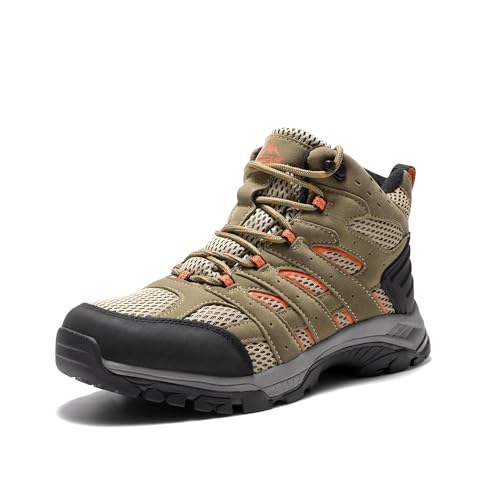
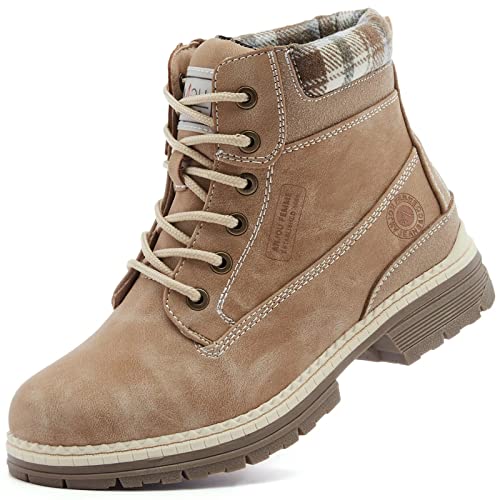


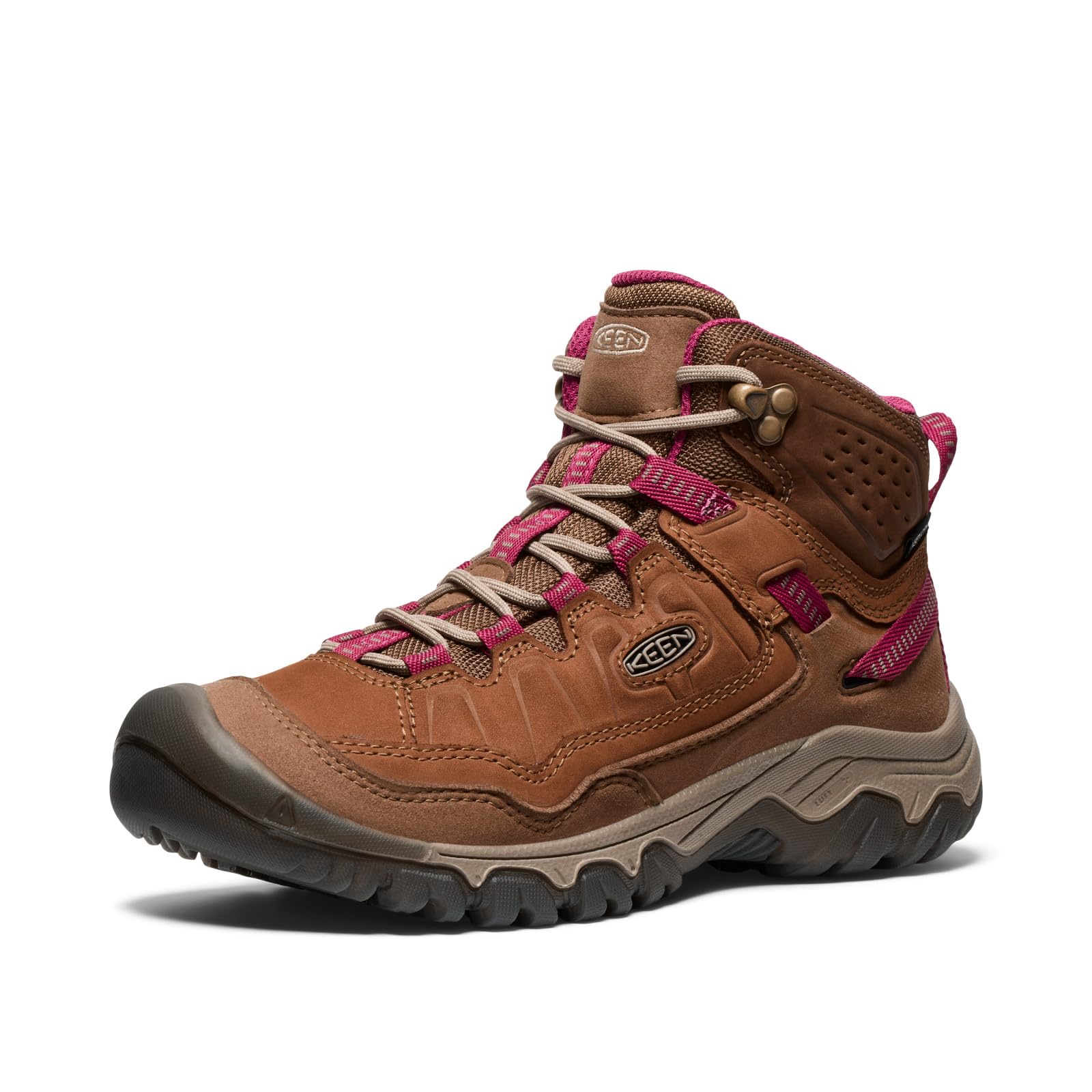
Boots, Shoes, and Mid Height Boots
Low cut hiking shoes are light and flexible and suit easy trails. Mid height boots add ankle support and protect against rocks and mud, which helps on uneven ground and when carrying a pack. High backpacking boots offer the most support but are heavier and take longer to break in. For most day hikes, a mid height boot is a good balance. If you also want a low cut option, see our guide to the best affordable hiking boots.
Key Features to Compare
Fit and Women's Specific Shape
Women's boots are usually built on a narrower last, with a lower volume and a narrower heel. That often holds the heel in place and reduces blisters. Some women fit unisex boots better, so try both if you can. Your toes should have room to wiggle, and your heel should not lift when you walk uphill.
Waterproofing
Waterproof membranes keep feet dry in rain, mud, and shallow streams. They are less breathable, so feet can feel warm in hot weather. In dry, warm climates, non waterproof boots dry faster and feel cooler. For wet or cold trails, see our guide to the best waterproof hiking boots women's.
Traction and Outsole
Deep lugs grip mud and loose ground, and a sticky rubber compound helps on wet rock. A defined heel brake helps on descents. Check that the outsole is firmly bonded to the midsole.
Cushioning and Support
The midsole absorbs impact on descents, and a supportive insole prevents foot fatigue. Boots with a stiffer shank support the foot on rocky terrain, while softer midsoles feel more comfortable on easy trails. Replace worn insoles with a supportive insert if your arches ache.
Weight and Materials
Lighter boots reduce fatigue over long distances. Synthetic and mesh uppers dry quickly and cost less. Leather lasts longer and offers more protection but weighs more and needs care.
What You Can Realistically Get on a Budget
Around $40 to $60 buys a light, waterproof day boot with a decent outsole, which suits park trails and easy hikes. Around $80 to $110 buys better cushioning and support from established brands such as Columbia or Merrell. Around $150 to $190 buys premium models from brands like KEEN with improved durability and comfort. Do not expect premium leather and a long warranty at the lowest prices.
Choosing by Trail Type
For well maintained park paths and gentle hills, a light boot or shoe with a flexible sole is enough, and the lower weight keeps your legs fresher. For rocky or root covered trails, choose a mid height boot with a stiffer sole and a rubber toe cap that protects against stubs. For wet climates, mud season, or snowy shoulder months, waterproofing and deeper lugs matter most. If you carry a heavy pack on multi day trips, step up to a sturdier boot with firm ankle support and a stiffer shank, and size up a little for swelling over long days.
Sizing, Socks, and Insoles
Hiking boots usually fit best about a half size larger than your everyday shoes, since feet swell on long walks and thick socks take room. Always test with the socks you plan to wear. Merino wool and synthetic hiking socks cushion pressure points and wick sweat, and a thin liner sock under them can reduce rubbing. If the stock insole feels flat, a supportive aftermarket insole can transform comfort for a modest price, especially for wide arches or high arches.
Common Mistakes to Avoid
- Buying fashion boots with smooth soles for rough trails.
- Choosing a size that is too tight, which causes blisters on downhills.
- Skipping a break in period before a long hike.
- Wearing cotton socks, which hold moisture and cause blisters.
- Assuming waterproof boots suit every climate, even hot, dry trails.
Fit and Break In Tips
Try boots on in the afternoon, when feet are slightly swollen, and wear the hiking socks you plan to use. Lace snugly around the ankle and leave room in the toe box. Walk up and down a slope if you can, and check for heel lift and toe pressure. Break the boots in with short walks before a long hike. Tape or pad any hot spots early, and stop to adjust your laces rather than pushing through pain.
Weight, Packs, and Long Days
Every extra ounce on your feet adds up over a long hike, so a lighter boot saves energy, but only if it still supports you. If you carry a daypack with water, snacks, and layers, a mid weight boot with a firm midsole keeps your feet from tiring on rocky ground. Heavier backpacking loads call for stiffer boots, while light loads suit flexible ones. Women with high arches or wide feet should look at models offered in wide widths or with removable insoles.
Care and Maintenance
Brush mud off after each hike and let boots dry away from direct heat, which can warp glue and leather. Stuff them with paper to hold their shape. Reapply a water repellent treatment when water no longer beads on the surface. Check the soles and laces before each season, and replace boots when the tread is worn smooth or the midsole feels flat.
Before You Buy
Check the return policy, since boots that feel fine in the living room can rub on a slope. Wear them indoors for an evening on a clean floor, and return them if you notice pressure points. Keep the box until you have taken them on a real walk.
Frequently Asked Questions
Do women need women's specific hiking boots?
Not always, but women's models often fit narrower heels and lower volume feet better. Try both and choose by comfort.
Are waterproof boots always better?
No. They help in wet conditions but feel warmer in hot weather. Choose by the trails and seasons you hike most.
How do I prevent blisters?
Choose a good fit, wear moisture wicking socks, break the boots in, and tape hot spots early.
What socks work best with hiking boots?
Merino wool or synthetic hiking socks wick moisture and cushion pressure points. Avoid cotton.
When should I replace hiking boots?
Replace them when the tread is worn smooth, the midsole is flat, or the waterproofing fails even after reproofing.
Final Thoughts
Put fit first, then waterproofing, traction, and support that suit your trails. Use the product table above to compare current models, and see our guide to the best winter hiking boots women's if you hike in the cold. With a good fit and the right features, best affordable hiking boots women's will carry you comfortably for many trails.


