
Best Affordable Firm Pillows for Every Need in 2026: How to Pick the Right One
Disclosure: We may earn a commission when you buy through links on this page, at no extra cost to you. As an Amazon Associate I earn from qualifying purchases. Learn more

Loft, fill, and cooling decide the best affordable firm pillows for your sleep position.
A firm pillow can end the nightly habit of folding a flat pillow in half, but firm alone does not guarantee support. The right loft keeps your head, neck and shoulders in line, while the wrong one leaves you sore by morning. This guide to best affordable firm pillows starts with how you sleep, then compares fill, loft and cooling in the comparison table below.
Price matters because firm pillows flatten at very different speeds. A low price is a bargain only if the fill still lifts your head after months of use.

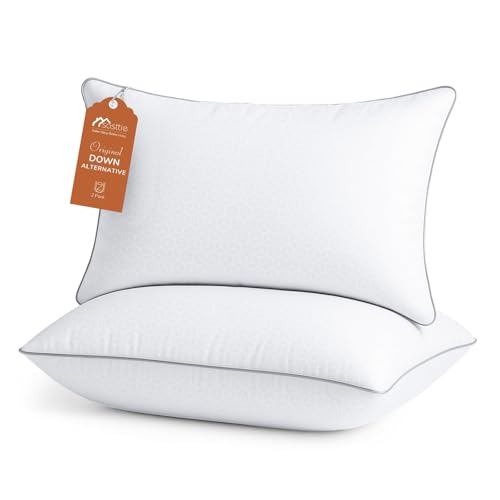

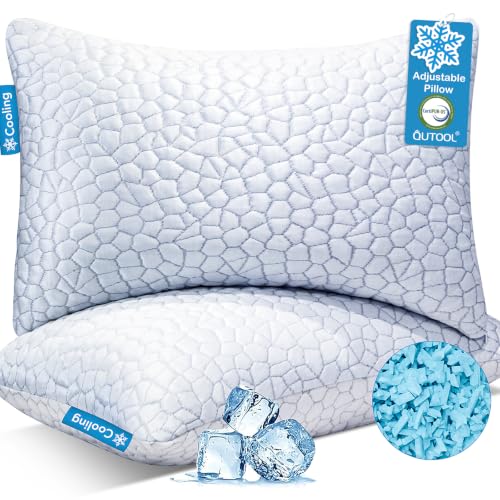
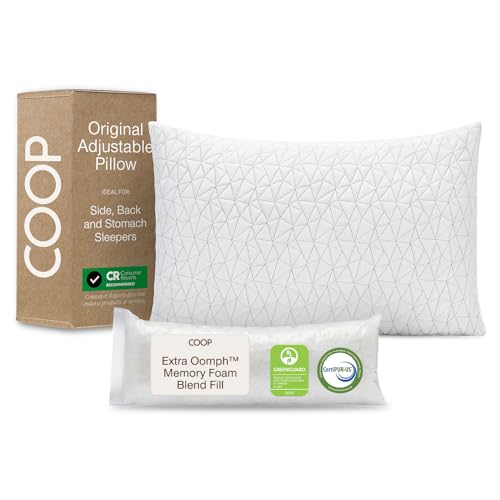


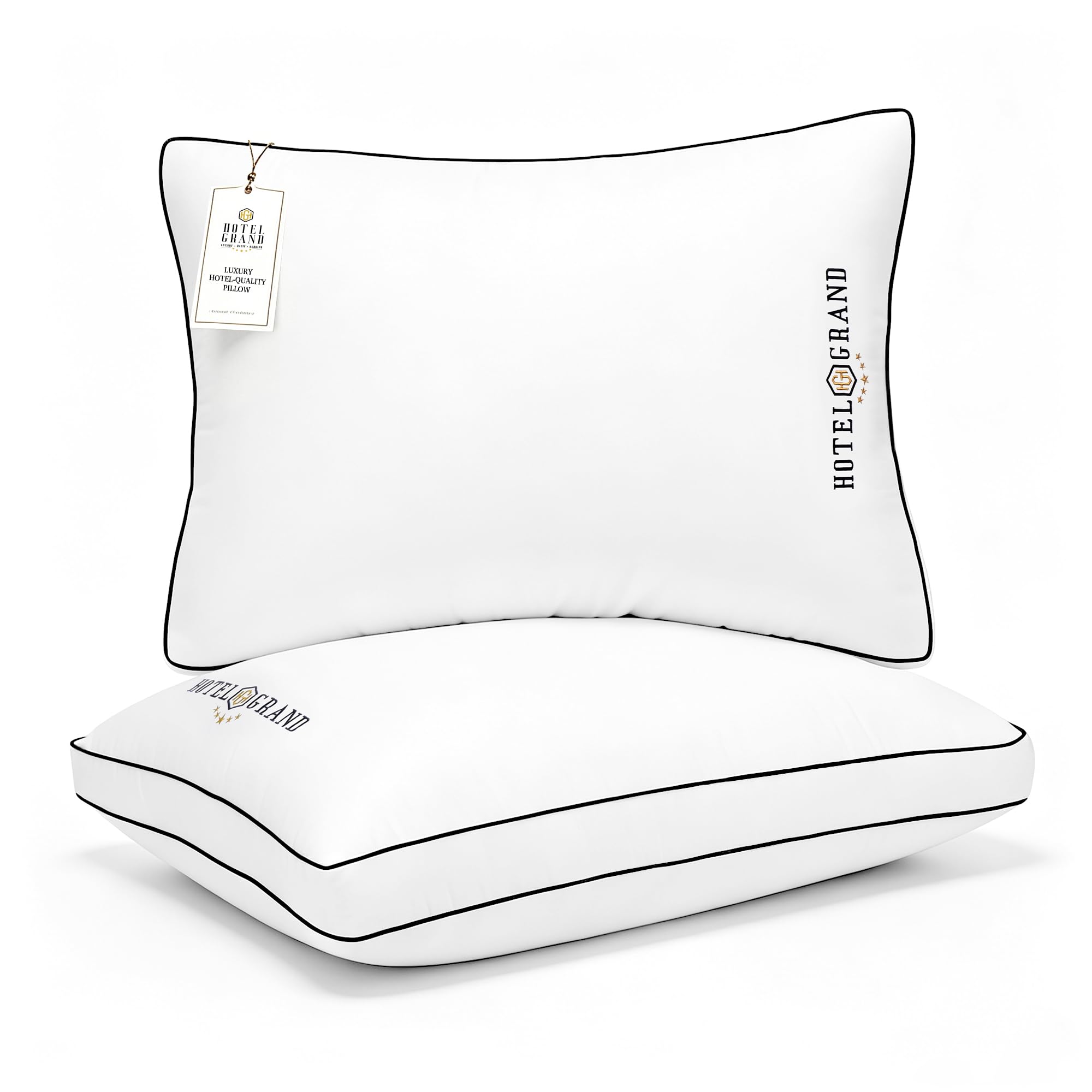

Who Should Buy Which Affordable Firm Pillows?
Match the pillow to the sleeper first and the price second. Your sleep position and shoulder width decide how much lift you need.
Back Sleepers Who Need Steady Neck Support
You sleep on your back and wake with a stiff neck when a soft pillow lets your head sink. Choose a firm pillow with a medium loft of about 4 to 5 inches and an even surface that cradles your neck. Solid foam and dense fiber fills both work at low prices, and a sleep trial helps because back sleepers feel small loft errors quickly.
Side Sleepers Who Need High Loft on a Small Budget
You sleep on your side, so the pillow must fill the gap between your ear and the mattress to keep your spine straight. Choose the highest loft in the budget range, about 5 to 6 inches, with fill that resists packing down. Shredded foam you can adjust by hand suits broad shoulders, while a firm fiber pillow suits narrower frames and costs less.
Guest Room and Gift Buyers Who Need a Safe Firm Choice
You are stocking a guest bed or buying for someone else, and you cannot test their comfort in advance. Choose a medium firm to firm pillow in a standard or queen size, with a zippered washable cover you can open to add or remove fill. Adjustability solves most guesswork for an unknown sleeper. If the sleeper wants maximum lift instead, see our guide to the best extra firm pillows.
Key Features to Compare
Compare firm pillows in this order: loft, fill, cooling, size and paperwork. A pillow that wins on loft but fails on fill still flattens fast.
Loft Height and Firmness Feel for Your Sleep Position
Loft is the height of the pillow under your head, and firmness is how strongly the fill pushes back. Side sleepers usually need about 5 to 6 inches of loft, back sleepers about 4 to 5 inches, and stomach sleepers the lowest firm option available. A good firm pillow gives pressure relief at the ear and jaw while holding your neck level. If firm proves too hard, see our guide to the best medium firm pillows for a gentler step down, and see a doctor promptly if neck pain arrives with numbness, weakness or fever, then talk with your clinician about personal needs.
Material and Fill That Holds Its Shape
Solid memory foam gives even firm support for back sleepers, while shredded foam lets you add or remove fill to tune loft by hand. Latex feels springy and holds its shape well, but it costs more and appears less often at budget prices. Dense polyester fiber and down alternative fills cost the least, yet they pack down sooner than foam, and true down rarely feels firm unless packed tight, as our guide to the best firm down pillows explains.
Cooling and Breathability for Warm Sleepers
Firm foam holds heat more than loose fiber, so warm sleepers should choose open cell foam, gel infused foam or shredded fill that lets air move. A cotton percale cover feels crisp and breathes well, cotton sateen feels smoother and warmer, and linen breathes best but costs more. Cooling gels feel cool for the first minutes only, so lasting airflow does more through the night.
Size, Cover Fabric and Thread Count
Standard pillows measure about 20 by 26 inches, queen about 20 by 30 inches, and king about 20 by 36 inches, so match the size to your bed and pillowcases. Broad shouldered side sleepers often prefer queen or king length, because the extra width keeps support under the head when they turn. A removable washable zippered cover lets you wash the part that collects oil and sweat, and a cotton thread count of about 200 to 400 signals a durable weave.
What Low Priced Firm Pillows Deliver for Neck Support
Expect best affordable firm pillows to cost about $25 to $60 each, with pairs and bundles often lowering the price per pillow. At this level you get firm foam or dense fiber fill, a basic zippered cover and often a sleep trial of about 30 nights or longer. What gets cut is usually cover quality, warranty length and advanced cooling layers, so skip decorative extras. For low price options beyond firm models, see our guide to the best affordable pillows.
Certifications Like CertiPUR US and OEKO TEX
CertiPUR US means the foam was checked for emissions, durability and content standards, and it is the label seen most often on budget foam pillows. OEKO TEX Standard 100 means the fabric or finished pillow was tested for harmful substances, and it appears most often on covers. Real down may carry a sourcing standard, but most firm budget pillows use foam or fiber instead. Treat certifications as a safety screen, not a comfort promise, because a certified pillow can still have the wrong loft.
Firm Pillow Types Compared by Sleep Need
Solid foam pillows give one fixed height and the steadiest support, so they suit back sleepers and anyone who dislikes adjusting fill. Shredded foam feels less uniform but lets you shape a higher edge for side sleeping or a lower center for back sleeping. Latex lifts the head quickly after you turn, while dense fiber feels firm at first and then softens.
If you wake to rearrange your pillow, choose shredded fill you can redistribute. If you wake because your head sank too low, choose solid foam or latex with enough loft from the start.
Common Mistakes to Avoid When Buying Firm Pillows
Each mistake below costs little to prevent and much to fix later.
- Buying the firmest pillow without checking loft tilts the neck of a side sleeper and pushes the chin of a back sleeper forward.
- Judging firmness by a hand squeeze misleads you, because your head weighs far more than your hand.
- Ignoring trial and warranty terms leaves you stuck with a budget pillow that flattens in the first month.
- Choosing a king size pillow for a twin bed or standard cases wastes money and leaves the cover bunched.
- Skipping a pillow protector lets sweat and oil reach the fill, which shortens the life of foam and fiber alike.
Care and Maintenance Tips for Firm Pillows
Fluff a fiber or shredded foam pillow by hand each morning to lift the fill and release trapped heat and moisture. Use a washable pillow protector from the first night and wash it every one to two weeks, because it catches most sweat and oil.
Wash only the fills the care label allows, since solid foam and latex should never enter a washer and can be spot cleaned with a damp cloth. Fiber and down alternative pillows often tolerate a gentle warm wash, but every washable pillow must dry fully before use, because damp fill clumps and loses loft.
FAQ
Are cooling firm pillows worth the cost for hot sleepers?
Yes, a cooling firm pillow is worth a modest premium if you wake hot more nights than not. One point the features section did not cover is stacking: two pillows trap heat between them and lift your head too high, so one breathable firm pillow sleeps cooler than a stack. A pillow that warms by midnight is not doing its job.
What firm pillow firmness is best for back pain?
A medium firm to firm pillow that keeps your head level with your spine helps most back sleepers with ordinary morning stiffness. Your ear, shoulder and hip should stay in one line, and a pillow that props your chin toward your chest is too high. Pain that lasts all day, shoots into an arm or follows an injury needs a medical visit, so talk with your clinician instead of shopping for a stronger pillow.
How often should you replace a firm pillow?
Most firm pillows need replacement after about 1 to 2 years, and dense fiber models often wear out sooner than foam. Fold the pillow in half, release it and watch the rebound: a pillow that stays folded or springs back slowly has lost the support you paid for. A dated note on the care label helps you track the age of each pillow in the house.
Is a higher thread count always better for a firm pillow cover?
No, a higher thread count is not always better for a firm pillow cover. Counts far above about 400 often come from thinner yarns twisted together, which can feel slick yet wear out faster than a simpler weave. On a firm pillow, a tightly woven percale cover also reduces friction when you turn, so weave and yarn quality beat the headline number.
How do you wash firm pillows safely?
Wash firm pillows safely by checking the fill first and washing only fiber or down alternative models, two at a time so the drum stays balanced. Use warm water, a gentle cycle and a small amount of detergent, then run an extra rinse and spin. Dry on low heat with pauses to break up clumps by hand, and never use the pillow until the center feels dry.
Final Thoughts
Start with your sleep position, pick the loft that keeps your neck level, and then choose the fill your budget can support. Cooling covers, certifications and trials all matter, but none of them can rescue a pillow with the wrong height. Use the product table above to compare loft, fill and price before you order.
When you judge best affordable firm pillows by fit first and price second, a modest budget still buys real support. Choose the simplest pillow that meets your needs and replace it when the fill stops lifting your head.


