Best Affordable Electronic Drum Sets: Our 2026 Checklist for Smart Buying
Disclosure: We may earn a commission when you buy through links on this page, at no extra cost to you. As an Amazon Associate I earn from qualifying purchases. Learn more

Pad feel, module basics, and room fit decide the best affordable electronic drum sets.
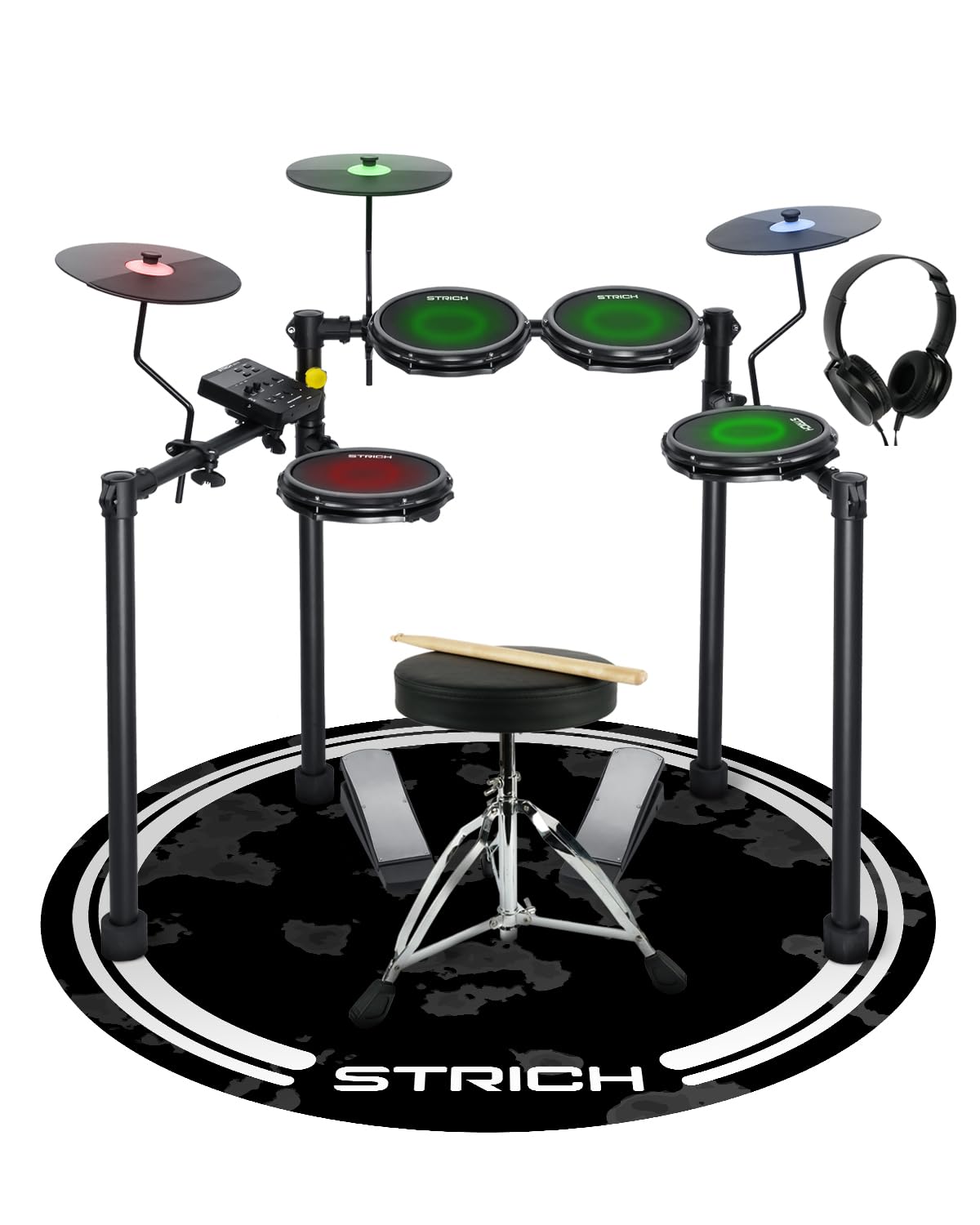
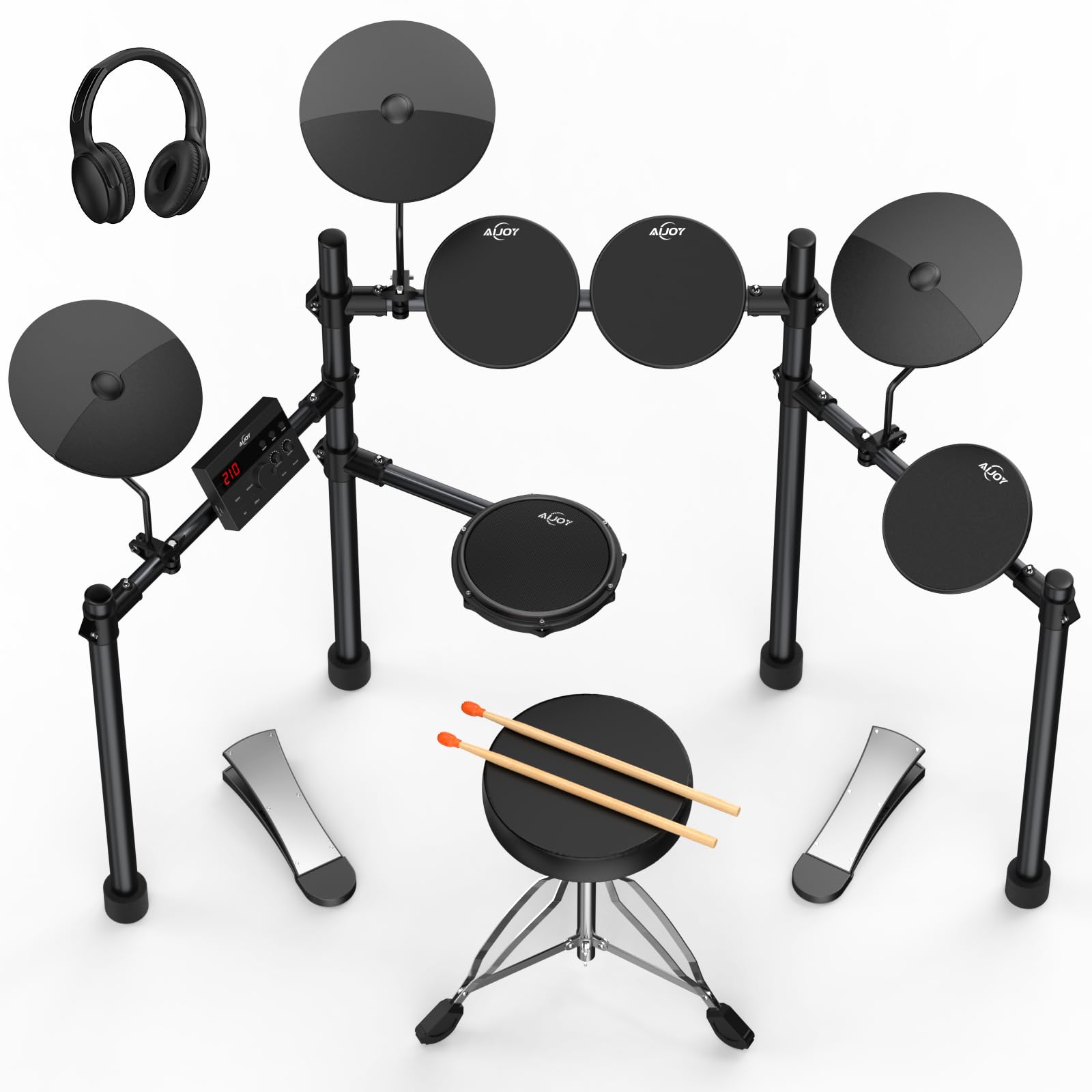
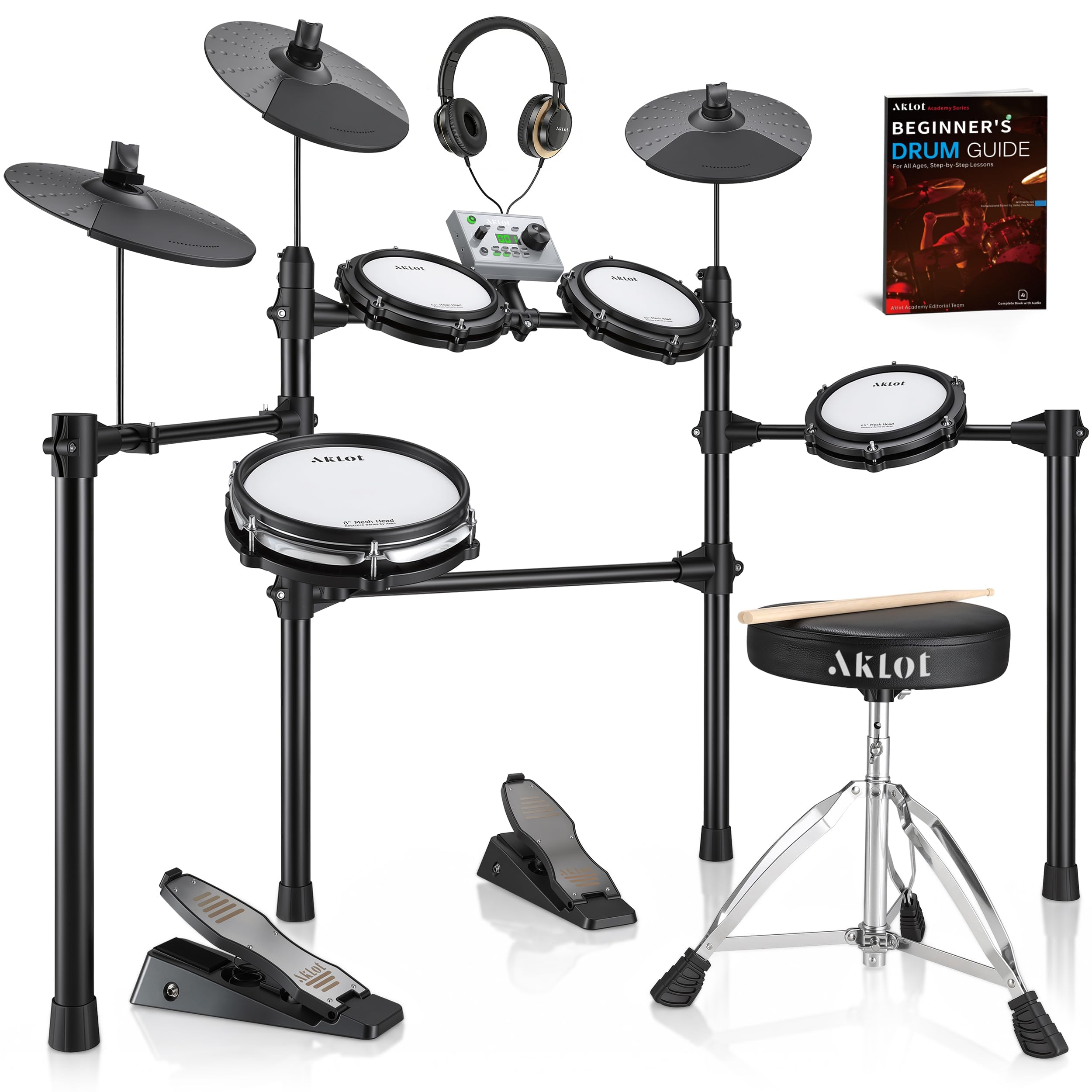
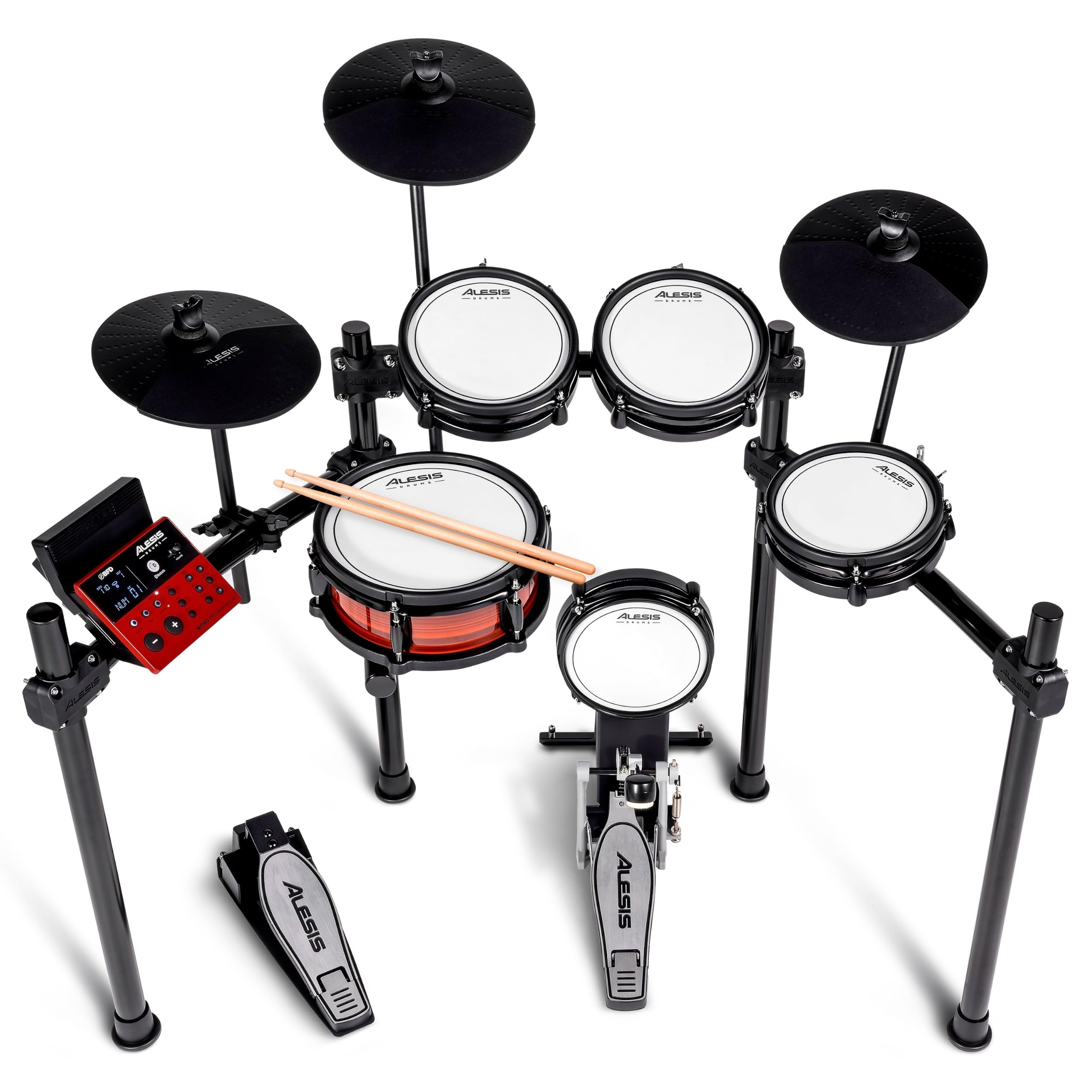
Spec sheets for electronic kits list pad counts, sound counts, and kit counts that tell you little about how a set feels at midnight in a small room. This checklist guide to the best affordable electronic drum sets judges every kit the same way, on pads, module, sound, space, and long term value. Work through the criteria below, glance at the comparison table below to see how current kits line up, and you will know exactly which corners you can cut and which ones will annoy you daily.


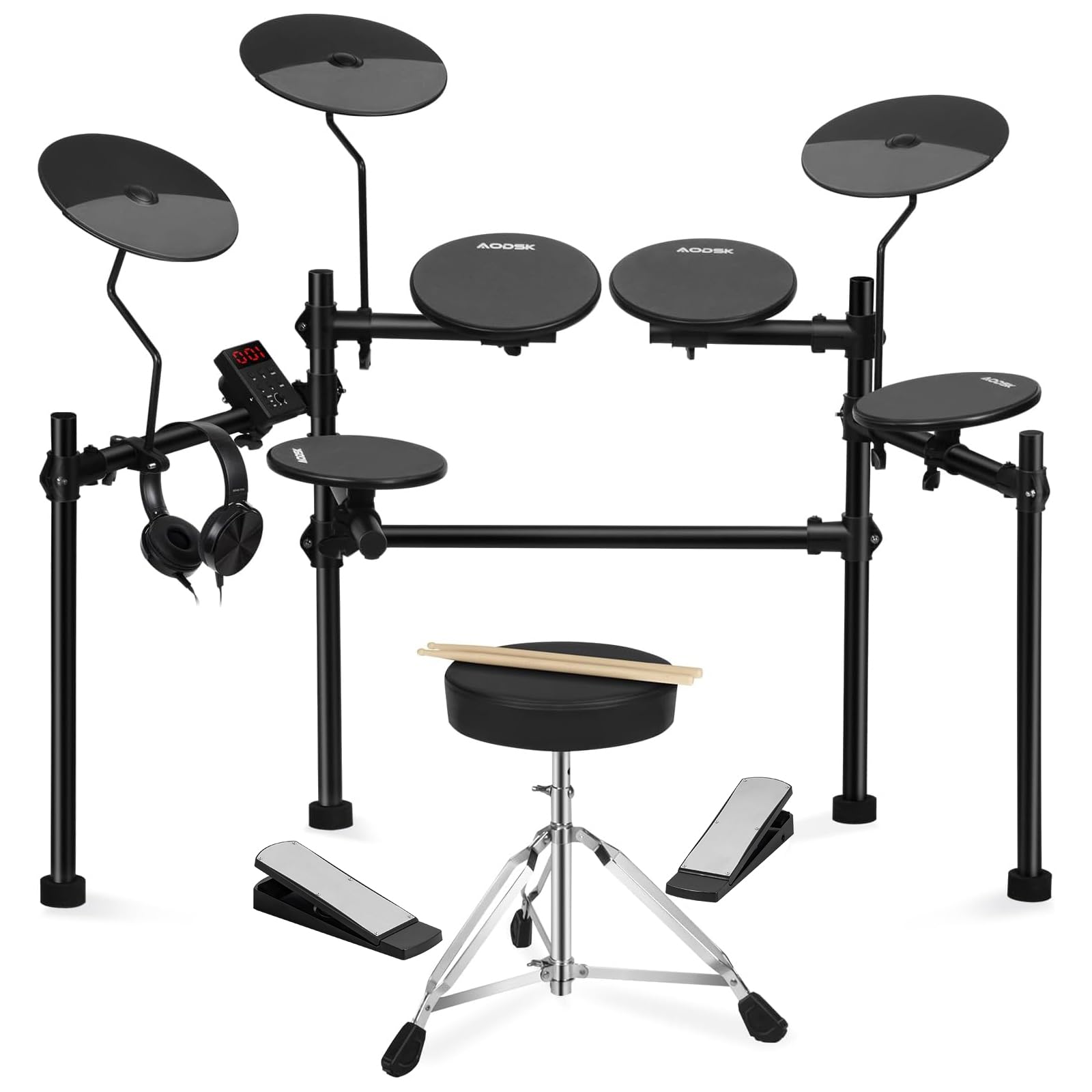
How to Evaluate Electronic Drum Sets
Treat each criterion as a pass or fail test. A kit that fails one test you care about is a poor buy even if it shines everywhere else, because you will meet that weakness at every practice session.
What You Can Realistically Get on a Budget
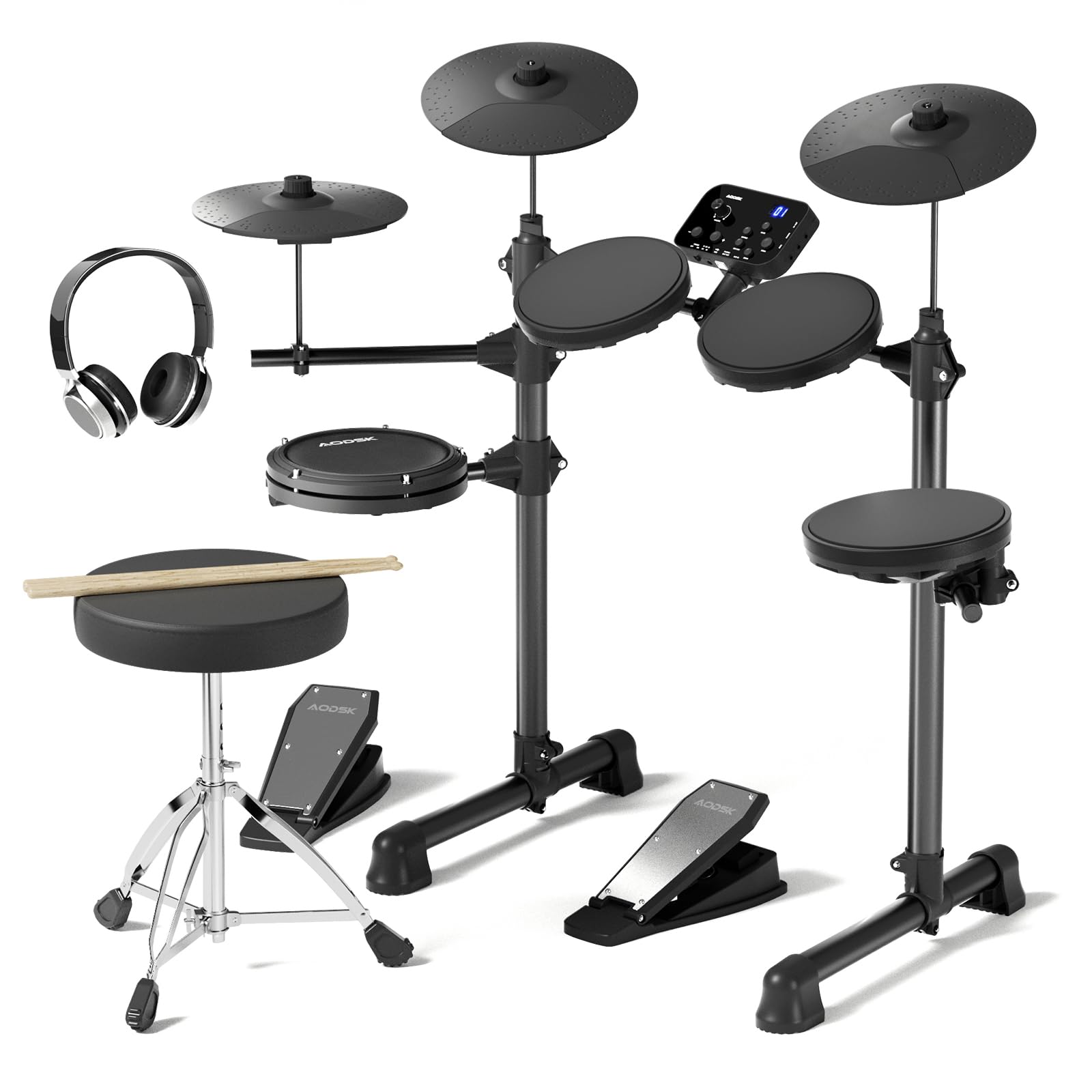
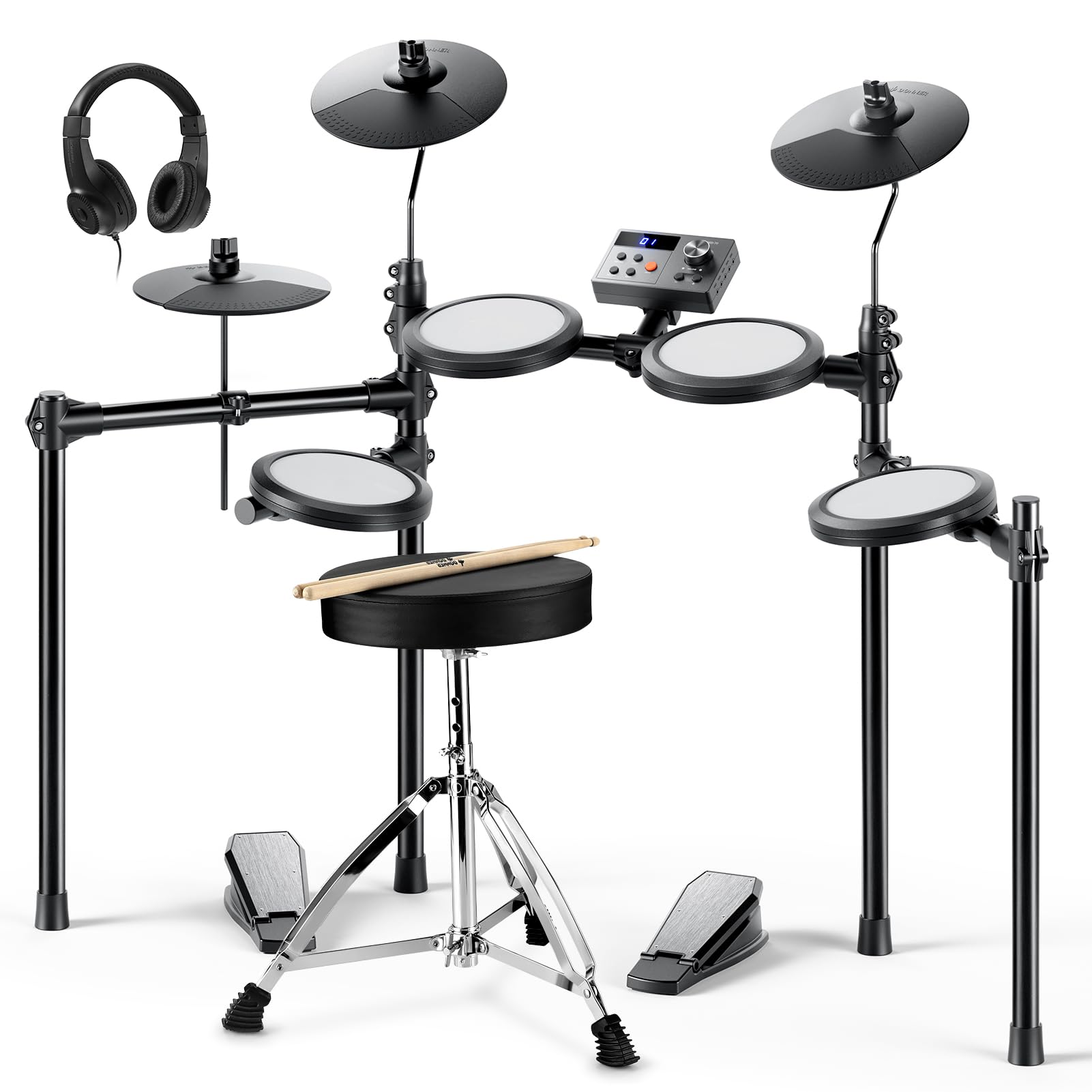
Around $300 to $500, expect mesh or rubber pads, a module with a few dozen kits, a basic kick pad, and a rack that folds for storage. You will give up large pads, multi zone cymbals on some kits, and deep sound editing. Never save money on pad feel or on the kick tower, because your feet and wrists meet those parts constantly. A responsive snare pad matters more than hundreds of extra sounds you will never open.
Intended Use and Who It Is For
Match the kit to its main job. A learner needs a metronome, coaching tools, and pads that reward accurate strokes. A songwriter needs USB or MIDI output to record into a computer. A returning drummer needs pad sizes and pedal feel close to an acoustic kit. If you are shopping for a first kit, our guide to the best electronic drum sets for beginners focuses on learning features and simpler modules. One kit rarely serves a child beginner and a gigging adult equally well.
Maintenance and Long Term Costs
Electronic kits ask for little upkeep, but budget for replacement sticks, a drum key, cables, and eventually a worn kick pad surface. Mesh heads last for years with proper stick tips, while foam inside bass drum beaters wears faster. Check that spare pads and cables for the brand are easy to order. A cheap kit with no spare parts support becomes a full replacement cost the first time a cymbal pad fails outside warranty.
Safety and Certifications
Volume safety comes first, because drummers often turn headphones up to mask stick noise and can damage hearing over long sessions. Choose a module with a volume limiter if one is offered, and take listening breaks every hour. Electrically, look for a proper power supply matched to your region and basic safety marks on the adapter. Keep cables taped or routed away from walkways, since a rack with pedals invites tripping in dim rooms.
Size, Weight, and Fit for Your Space
Most affordable kits need a floor area of about 4 by 5 feet once you, the throne, and pedals are included. Measure your space with the rack fully open, not folded, and leave room to sit back from the hi hat. Apartment players should weigh the kit as well, because a lighter rack moves easily for cleaning but may creep across hard floors. A drum mat solves sliding and cuts vibration, so count one in your budget from the start.
Ease of Use and Setup
A good module lets you change kits, adjust volume, and start the metronome without digging through menus. Setup should take under an hour with clear cable labels, and the rack should hold its angles once tightened. Test how pads trigger at soft strokes, since kits that miss quiet notes frustrate practice on dynamics. If children will use the kit, check that pad heights adjust low enough and that the module survives curious button pressing without losing your settings.
Price vs Value
Budget kits around $300 to $500 teach basics well. Mid range kits around $500 to $900 add larger mesh pads, better hi hat control, and stronger modules, and they suit players who practice daily. Premium affordable kits near $1,000 add pad sizes and sounds that stay satisfying for years. To see how the ceiling changes, compare our guide to the best electronic drum sets under 1000 with your shortlist. Value means cost per year of happy use, not the lowest sticker.
What a Kit That Passes the Checklist Looks Like at Each Tier
Rather than naming winners, use these profiles to grade any kit in the product table above. A kit matching the profile for your tier and use case is a sound buy.
Best Overall Profile
The strongest all around affordable kit pairs an all mesh pad layout with a module that records, connects to a computer, and offers sounds you would use in a song. Its hi hat responds to foot pressure in stages rather than a simple open or closed switch. Its rack stays rigid when you play hard. Expect to pay around $600 to $900 for this profile. It suits committed learners and home recorders who want one kit to cover practice, lessons, and simple recording without a second purchase.
Best Value Profile
The value sweet spot, around $400 to $600, keeps mesh pads and a capable module while trimming pad diameter and sound library size. You may lose Bluetooth audio on some kits and get a simpler kick pad, but playing feel stays close to the tier above. Shoppers watching the budget line closely can compare our guide to the best electronic drum sets under 500 to see which trims are common. This profile suits daily practice and lessons, and it leaves money for a throne, sticks, and headphones, which many kits do not include.
Best Premium Profile
Near $900 to $1,200, a premium affordable kit adds a larger snare pad that sits on its own stand on some designs, three zone ride cymbals, and a module with individual outputs or deeper editing. The playing surface feels closer to an acoustic kit, which matters for drummers crossing between both. This profile suits experienced players downsizing from an acoustic set and anyone recording regularly. The limit is space and cost, since these kits are wider, heavier, and less suited to a corner of a bedroom.
Quick Buyer Checklist
- Are all pads mesh, or at least the snare, for quiet and realistic rebound?
- Does the module include a metronome, practice tools, and USB or MIDI output?
- Can the hi hat express partly open sounds, or only open and closed?
- Does the kit fit your measured floor space with you seated at it?
- Are a throne, bass drum pedal, sticks, and headphones included or budgeted?
- Is the warranty at least one year, with spare pads easy to order?
- Will the volume through pads and pedals suit your building and schedule?
If you answered no twice, keep looking. For a wider frame of reference, our overview of the best drum sets shows how electronic kits compare with acoustic options for space and volume.
Red Flags to Watch For
Walk away from listings with vague pad descriptions that never state mesh or rubber, since rubber pads are louder and harder on wrists. Be wary of huge sound counts with no named core kits, which often means many thin variations of a few sounds. Short warranties under one year, missing power supply details, and reviews that repeat identical phrases are further warnings. Also avoid kits with a fixed rack that cannot adjust pad angles, because poor ergonomics cause sore wrists and sloppy technique that lessons must later undo.
Care and Maintenance Tips
Read the manual before first use, especially the trigger settings, and save your custom kits to memory as the manual directs. Use sticks with nylon tips and no splinters, because damaged wood tips shred mesh heads. Wipe pads with a dry or slightly damp cloth, keep the module away from drinks, and inspect cables monthly for pinches where the rack folds. Store the kit in a dry place and cover it if the room gathers dust.
FAQs
How much should I spend on an electronic drum set?
Spend around $400 to $600 for a kit you will use for several years of learning. Below around $300, pads shrink and modules feel limiting within months. Your total budget should also include a throne, sticks, headphones, and a mat if they are not in the box, which adds around $100 to $200. Buying one tier higher usually costs less than replacing a starter kit next year.
Are expensive electronic drum sets worth it?
They are worth it if you record, play daily, or cross over from an acoustic kit and notice pad size and hi hat detail. Better modules also hold resale value. They are not worth it for finding out whether a child enjoys drumming, where a modest kit and lessons matter more. Judge by hours of use per week. A kit played ten hours weekly earns its upgrade cost quickly.
How do I maintain an electronic drum set?
Maintenance is light. Keep mesh heads at sensible tension, replace worn sticks early, and vacuum dust from pad rims so it does not work into sensors. Check that the kick pad sits flat so the beater strikes the center, which extends pad life. Every few months, tighten rack clamps and confirm each pad triggers evenly across its surface, and adjust sensitivity in the module if one spot feels dull.
What features matter most when buying electronic drum sets?
Pad material, hi hat control, and module outputs matter most, in that order. Mesh pads protect your hands and your household peace. A responsive hi hat shapes real technique. USB or MIDI output decides whether the kit can record and work with lesson software. Readers comparing against acoustic starter kits can also see our guide to the best affordable drum sets for the volume and space contrast.
How long does an electronic drum set last?
A cared for kit lasts five to ten years, with mesh heads and cables as the usual wear items. Modules can serve longer if kept dry and updated when the maker offers firmware. Heavy playing shortens cymbal pad life, since the rubber surface hardens with age and strikes. Buying a brand with spare parts support is the simplest way to stretch the lifespan toward the top of that range.
Final Thoughts: Best Affordable Electronic Drum Sets
Grade every kit on pad feel, module basics, and fit for your room before you look at sound counts or price tags. The comparison table above gathers current options so you can apply the checklist in minutes. With those three priorities fixed, the best affordable electronic drum sets for your home are simply the ones that pass every test that matters to your playing.