
Best Affordable Diamond Watches by Budget: Smart Choices for 2026
Disclosure: We may earn a commission when you buy through links on this page, at no extra cost to you. As an Amazon Associate I earn from qualifying purchases. Learn more

Compare the best affordable diamond watches at every price point. Learn what you get at budget, midrange, and premium levels and where spending more pays off.
Diamond watches span an enormous price range, from crystal accented fashion pieces under $100 to solid gold models with certified stones. The hard part is knowing what your money actually buys at each step. This guide to the best affordable diamond watches explains where the diamonds are real, where they are decorative, and where extra spending truly pays off.
Read the tier guidance first, then the feature checks, so you can judge any listing by its stones, setting, and hardware rather than its sparkle in photos. The comparison table below gives a quick view of the market.


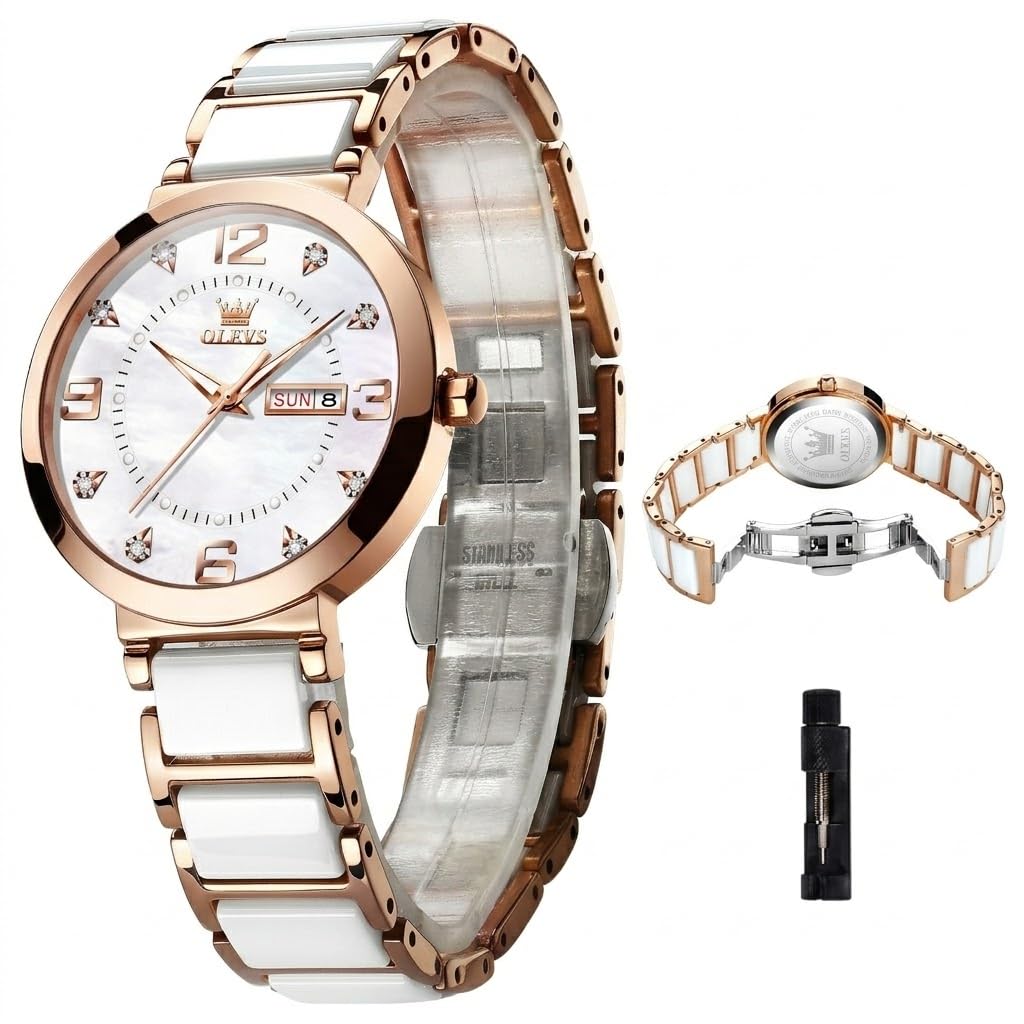
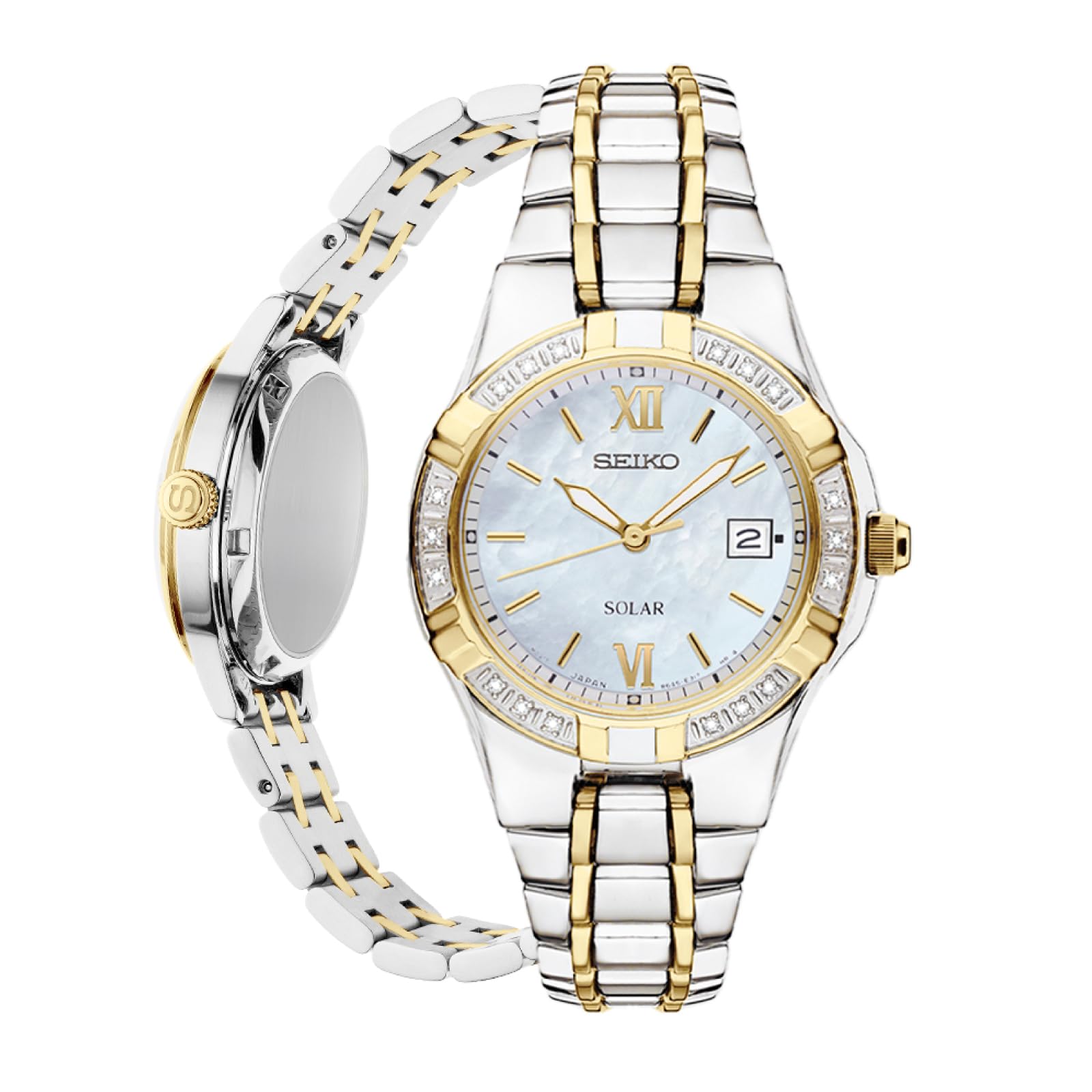
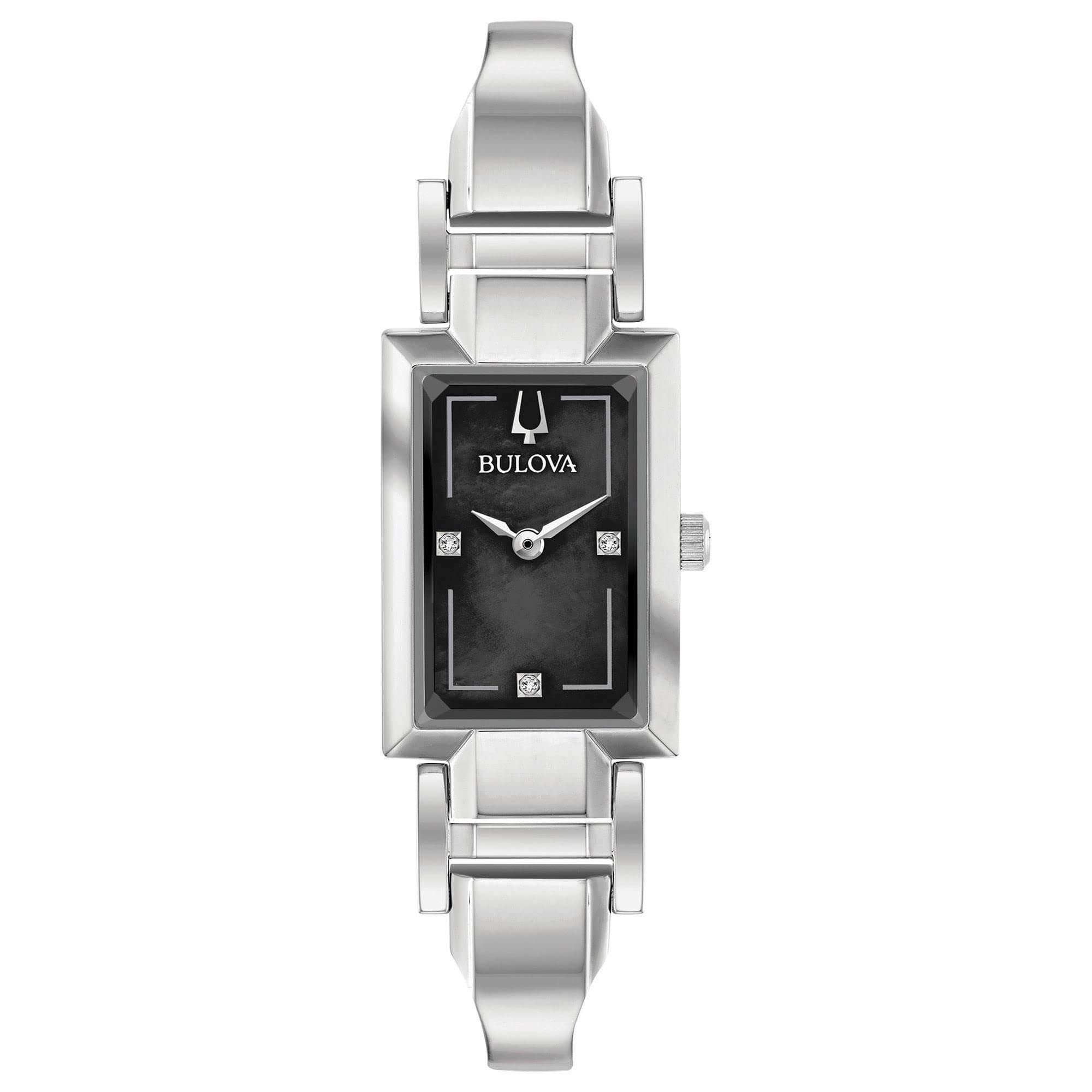
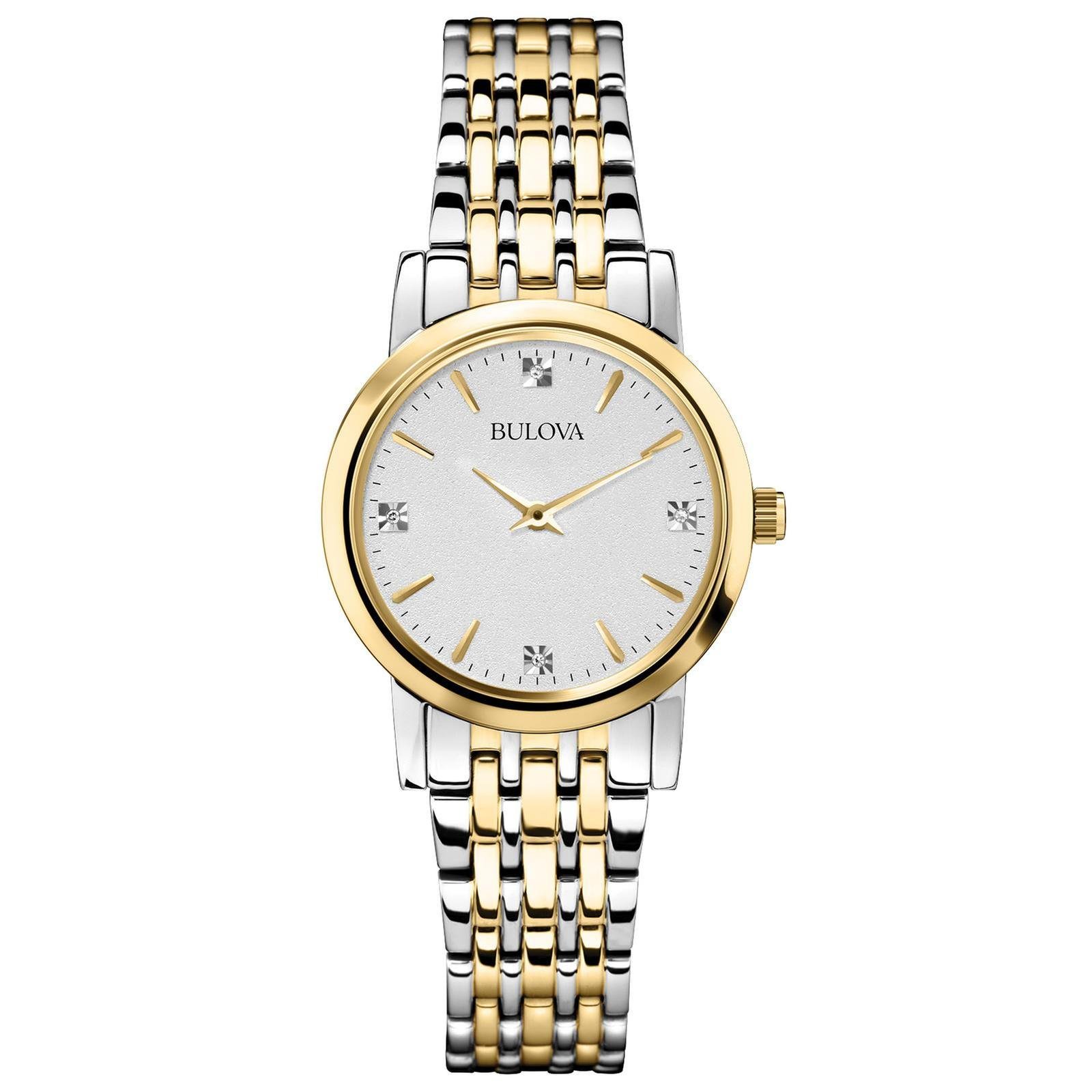

Affordable Diamond Watches: Budget Paths at a Glance
Rather than naming models, use these three profiles to set expectations. Each one describes who it fits, what the stones usually are, and the compromise to accept. The same checks apply as you shortlist the best affordable diamond watches.
Best Budget Pick Profile
The budget profile, around $60 to $150, suits a buyer who wants the diamond look for events without a large commitment. Stones at this level are usually crystals, diamond simulants, or a few tiny diamond chips used as hour markers. The sparkle in person can still be lovely, especially under evening light.
What gives way is the setting and case: expect glued or lightly set stones, plated finishes, and mineral glass. Buy this profile for appearance and occasion wear, and store it carefully, because a lost accent stone is hard to replace at this price.
Best Midrange Pick Profile
The midrange profile, around $150 to $400, is where a diamond watch starts to become a lasting piece. Expect genuine small diamonds, often on the dial or bezel, set more securely in a stainless steel case. Total carat weight stays modest, but the stones are real and the hardware around them improves a lot: better clasps, cleaner dial work, and sometimes sapphire coated or full sapphire crystal.
This profile suits gift buyers and anyone who wants one dress watch for years of wear. The compromise is stone size, since the diamonds read as refined accents rather than a bold display.
Best Premium Pick Profile
The premium profile, around $400 to $900 in the affordable category, suits a buyer who wants certified stones and finer finishing while still avoiding luxury pricing. At this level, ask for documentation of diamond quality, a solid gold or high grade steel case, sapphire crystal, and a movement with a strong warranty. Settings should be prong or bezel set by hand, and the seller should state total carat weight clearly.
The limit is brand prestige and resale strength, which remain modest. Buy this tier for personal milestones and daily enjoyment, not for appreciation.
What Your Money Gets You at Each Price Tier
Budget Tier: What to Expect
At the budget tier, you are paying for design and sparkle, not for gemstone value. Listings may say diamond accent when a single small stone sits at the twelve position, with crystals everywhere else, so read the specification lines rather than the headline. Cases are commonly plated alloy or basic steel, movements are quartz, and water resistance suits splashes only.
That is acceptable for occasional wear at around $60 to $150. Check return terms closely, inspect the watch under bright light on arrival, and confirm every stone is present and evenly set before the window closes.
Midrange Tier: The Sweet Spot for Most Buyers
The midrange tier gives the strongest balance of real stones, durable hardware, and price. Genuine diamonds appear in modest counts, cases move to solid stainless steel, and bracelets gain solid links and smoother clasps. Some models add mother of pearl dials, which pair naturally with diamond markers and raise the dress feel without raising cost much.
Around $150 to $400, your money buys a watch that can handle weekly wear for years. For most gift and self purchase buyers, this is the tier to search first, then stretch only if a specific feature below demands it.
Premium Tier: When Spending More Pays Off
Spending more pays off when it buys verified stone quality, better settings, and materials that age gracefully. At this tier, diamonds should come with stated clarity and color grades or a certificate, the case should be solid metal rather than plated, and the crystal should be sapphire. You may also gain an automatic movement or a Swiss quartz movement with a longer warranty.
What you do not gain is strong resale value, which stays limited outside famous luxury houses. Pay the premium for craftsmanship you will see and feel daily. Shoppers comparing the wider diamond category can start with our guide to the best watches with diamonds.
Features Worth Paying For (and Ones to Skip)
Smart and Fitness Features
Smart features and diamond styling rarely mix well. A few fashion smartwatches add crystal bezels, but the tech inside ages within a few years while the stones suggest a keepsake. If you want GPS, heart rate, or notifications, buy a plain smartwatch and keep the diamond watch classic.
Treat any health data as general wellness information rather than a medical reading. For a piece you may hand down, a simple quartz or automatic movement protects the value of the setting far better than a screen does.
Movement Type (Quartz, Automatic, Solar, Smart)
Quartz dominates this category because it is slim, accurate, and leaves the budget for stones and case work. That trade is usually wise. Automatic movements appear at the premium tier and add craft appeal, plus service costs every five to seven years.
Solar movements suit buyers who dislike battery changes and wear the watch in normal indoor light. Whichever you choose, confirm that changing the battery or servicing the movement will not disturb the stone settings, and use a jeweler who works on set stones rather than a basic battery kiosk for valuable pieces.
Brand Reputation, Warranty, and Value
In this category, reputation means honest stone disclosure and service you can reach. Trust sellers that state whether diamonds are natural or lab grown, list total carat weight, and give clarity and color grades. Lab grown diamonds are chemically diamonds and cost less, which can be a smart route to larger stones, as long as the listing says so plainly.
Check that the warranty covers stone loss for at least the first year, since a loose setting usually shows itself early. Vague listings with big sparkle claims and no specifications are the ones to skip. For general styling context, see our guide to the best looking affordable watches.
What You Can Realistically Get on a Budget
On a tight budget, a realistic goal is a pretty, well finished watch with diamond style accents and a dependable quartz movement. You will not get meaningful carat weight, certified stones, or solid gold at around $100, and any listing suggesting otherwise deserves suspicion. Do not save money by accepting unclear stone descriptions, because honesty in the listing predicts honesty in the product.
Spend first on a steel case, secure settings, and a readable dial. Small, well set stones look far better in person than larger loose or cloudy ones.
Long Term Costs to Factor In
The purchase price is only the start. Budget for a battery change every two to three years for quartz models, done by a jeweler who can reseal the case and check the settings at the same visit. Automatic models need periodic service. A lost stone on a premium piece costs far more than on a fashion piece, so insurance or a warranty extension may be worth pricing for watches near the top tier.
Replacement straps and clasps add small costs over the years. Add these figures to the price before comparing tiers, because a midrange watch with cheap upkeep can cost less over a decade than a premium watch bought on impulse. Buyers weighing the broader budget watch market can also compare our guide to the best affordable wrist watches.
Frequently Asked Questions
Quartz or automatic: which is better for a diamond watch?
Quartz is better for most buyers because it keeps the price focused on stones and case quality, stays accurate, and needs little care. Automatic suits premium tier buyers who value mechanical craft and will wear the watch often enough to keep it running. Neither movement changes how the diamonds look, so decide by budget and by how much upkeep you welcome.
Is a smartwatch worth it over a classic diamond watch?
Rarely, if the diamonds are the point of the purchase. A smartwatch becomes outdated as software and batteries age, while a classic diamond watch keeps its look for decades. Choose the smartwatch only if tracking and notifications matter more than longevity. Many owners pair a simple tracker for daily data with a classic piece for evenings and events.
How long does a diamond watch battery last?
A quartz diamond watch battery typically lasts about two to three years. Have it changed by a jeweler who can open the case without stressing stone settings and who will check water seals afterward. If the second hand begins jumping in steps, that is often a low battery warning, so arrange the change promptly rather than letting a dying cell sit in the movement.
What case size fits my wrist for a diamond watch?
Most diamond dress watches run smaller than sport styles, often about 28 to 38 mm, which suits the formal look and keeps the stones in proportion. Measure your wrist and check the lug to lug distance for overhang. Slim wrists usually favor the lower half of that range. A slightly smaller case with well cut stones looks more elegant than an oversized case with sparse accents.
How water resistant should a diamond watch be?
Most diamond watches are rated around 30 to 50 meters, which covers hand washing and rain but not swimming. Water is a real risk here because moisture can fog the dial and loosen glued accent stones over time. Keep budget tier pieces away from showers entirely. If you want one watch for both water and evenings, choose a steel midrange model rated at 50 meters with prong set stones.
Readers shopping for a wearer specific gift may also find our guide to the best affordable watches for men helpful, and those who prefer tech can compare our guide to the best affordable smart watches.
Wrapping Up
Judge every candidate by three things: honest stone disclosure, secure settings in a solid case, and a tier that matches how often you will wear it. Midrange suits most buyers, budget suits occasional sparkle, and premium suits milestones. With those filters set, the best affordable diamond watches in the product table above become easy to compare, and your money lands on craftsmanship rather than clever photos.


