
Best Affordable Designer Watches: A Buying Guide and Checklist for 2026
Disclosure: We may earn a commission when you buy through links on this page, at no extra cost to you. As an Amazon Associate I earn from qualifying purchases. Learn more

Use this buying guide to the best affordable designer watches: compare movements, case fit, straps, and materials, and learn where brand pricing pays off.
Designer watches promise style first, and that is exactly why buyers overpay. A famous name and a striking photo can hide a weak movement, a plated case, or a size that never sits right on your wrist. This guide to the best affordable designer watches separates the design you see from the watchmaking you actually get.
You will learn how three common buying profiles differ, which specs protect your money, and which types suit daily wear. Start with the comparison table below, then use the checklist sections to judge any model in minutes.


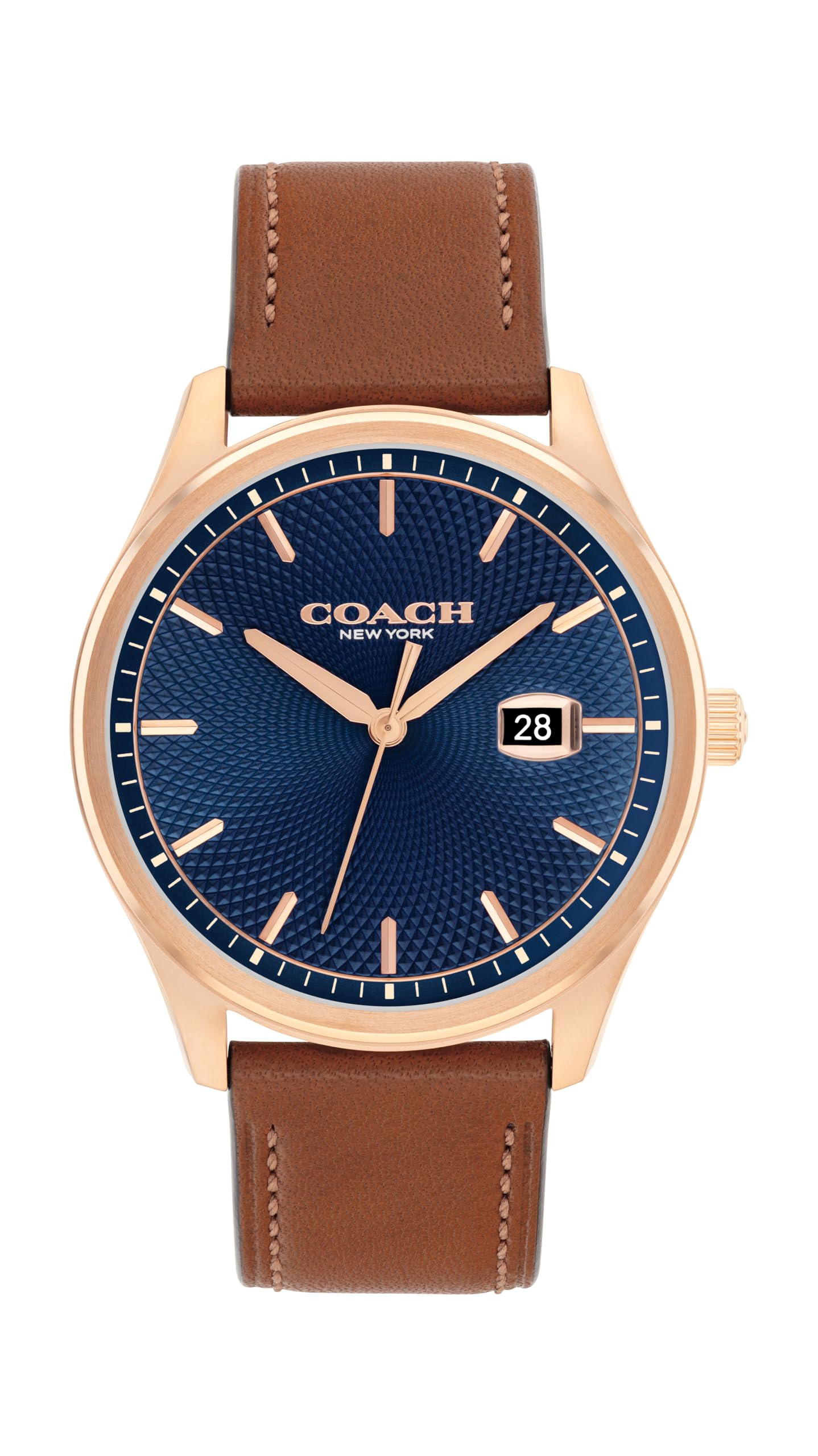


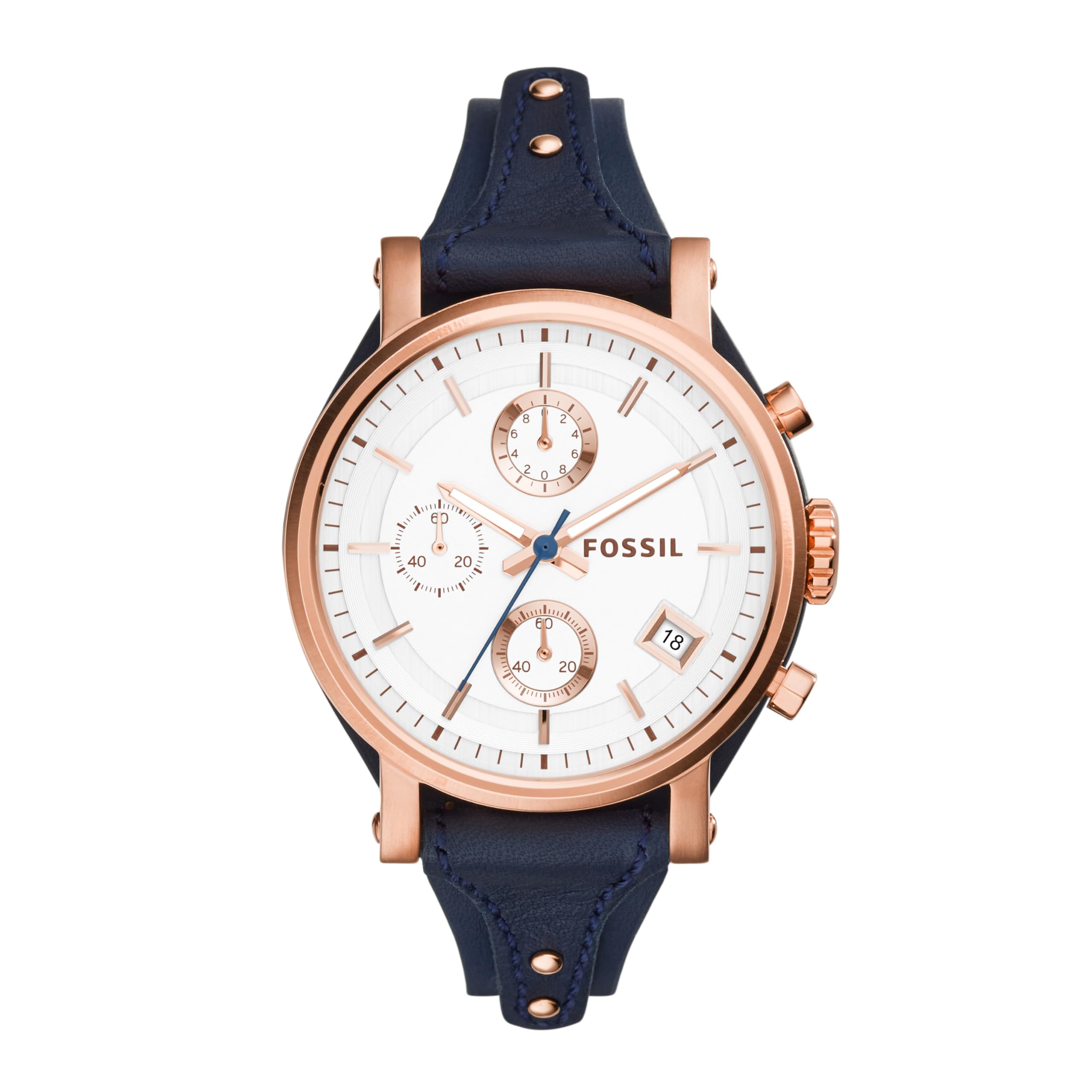


Three Buying Profiles at a Glance
Instead of chasing a single winner, match the watch to one of these profiles. Each profile describes who it suits, what to demand, and what usually gives way at the price. The same checks apply as you shortlist the best affordable designer watches.
The Balanced Profile
The balanced profile suits the buyer who wants one watch for work, weekends, and events. Demand a stainless steel case around 38 to 42 mm, a quartz or solar movement, and a strap or bracelet you can swap. Two strengths define this profile: a dial design that stays tasteful across outfits, and water resistance of at least 50 meters for daily confidence.
The usual limit is crystal quality, since mineral glass is common here. Around $150 to $300, this profile delivers the best mix of brand design and honest hardware for most people.
The Value Profile
The value profile suits a buyer who likes designer styling but refuses to pay for the logo alone. Look for last season designs, simpler dials without extra subdials, and leather or silicone straps instead of complex bracelets, because those choices cut cost without hurting the movement. Expect a reliable quartz movement and a steel or steel toned case around $80 to $150.
The trade off is thinner warranty cover and packaging, plus fashion colors that may date faster. If the core specs match the balanced profile, an older design is a smart way to save.
The Upgrade Profile
The upgrade profile suits a buyer ready to step toward real watchmaking inside a designer label. Around $300 to $500, you should ask for sapphire crystal, a solid link bracelet with a proper clasp, and either a solar movement or an entry automatic movement. These details change how the watch feels every day: the crystal stays clear, the bracelet drapes instead of rattling, and the movement needs less attention.
The limit here is resale value, which stays modest for fashion brands. Buy this profile for your own enjoyment, not as an investment.
How to Choose Affordable Designer Watches
What You Can Realistically Get on a Budget
Around $80 to $150, expect a quartz movement, mineral glass, and straps that look good but may need replacing within a couple of years. Around $150 to $300, solid steel cases, better clasps, and cleaner dial finishing become realistic. Do not save money by accepting an alloy case with a thin coating if you plan daily wear, because worn edges cannot be polished back.
Spend first on case material and crystal, then on strap quality. Brand styling is the easy part; durable hardware is what your money should protect.
Movement Type (Quartz, Automatic, Solar, Smart)
Most designer watches use quartz movements because they are slim, accurate, and cheap to produce, letting brands spend on design. That is fine for most buyers, as long as the price reflects it. Automatic models add mechanical interest and a sweeping second hand but need regular wear and service every five to seven years.
Solar movements charge from light and suit buyers who hate battery changes. Smart designer models trade battery life for notifications and tracking. Match the movement to your habits before paying a premium for a label, because a beautiful watch that stops on your wrist helps no one.
Case Size and Wrist Fit
Fit decides whether a designer watch looks intentional or borrowed. Case diameter between 38 and 44 mm covers most wrists, but the lug to lug distance matters more, since it controls overhang. Thickness counts too: a slim case under about 11 mm slides under a shirt cuff, while thick cases suit casual wear only.
Measure your wrist, note the lug to lug figure in the listing, and reject any model whose lugs would extend past your wrist edges. Fashion brands often size large, so do not assume a standard model fits a smaller wrist.
Strap and Bracelet Options
The strap carries half the design, so judge it carefully. Leather looks classic and suits office wear, but it absorbs sweat and needs replacing over time. Metal bracelets last longest and balance a heavy case, though cheap ones rattle and pull hair. Silicone suits heat and travel.
NATO style fabric straps are cheap to swap and change the whole look in seconds. Quick release spring bars are worth seeking because they let you change straps with no tools. That single feature multiplies the outfits one watch can serve. For more style led options, see our guide to the best looking affordable watches.
Crystal and Case Materials
Sapphire crystal is the upgrade worth paying for, since it resists scratches that slowly cloud a fashion watch face. Mineral glass is acceptable at lower prices and handles knocks well. Cases in 316L stainless steel resist rust and keep their finish, while titanium cuts weight for larger sizes.
Gold tone and rose tone finishes are coatings, so ask how they are applied and expect gentle wear at edges over the years. A solid case back and a crown that operates smoothly are small signs of care. Designer pricing should buy at least steel and mineral; anything less needs a very low price to make sense.
Brand Reputation, Warranty, and Value
Designer labels vary widely in watchmaking depth. Some are fashion houses that license their name, while others employ real watch teams and service centers. Check the warranty length, two years is a fair baseline, and confirm that service is available in the United States without shipping the watch overseas.
Resale value for fashion brands is usually low, so judge value by cost per year of wear instead. A watch worn three hundred days a year at around $200 is better value than a discounted piece that stays in a drawer. Creative professionals comparing style forward options may also enjoy our guide to the best watches for designers.
Types of Designer Watches
Smartwatches
Designer smartwatches wrap full touchscreens in fashion styling, with changeable faces that mimic classic dials. They suit buyers who want notifications, GPS, and activity tracking with a dressier shell. The costs are daily charging, software that ages within a few years, and prices that drop fast.
Treat health data as general guidance rather than medical information. If the tech is the point, buy for the platform first and the brand second.
Automatic Watches
Automatic designer watches use a mechanical movement powered by wrist motion, often visible through a display case back. They suit wearers who enjoy craft and plan to wear the watch most days. Accuracy is lower than quartz and service costs recur, but a well made automatic can run for decades. This type carries the strongest long term value inside the designer category, especially with a steel case and sapphire crystal.
Dive and Field Watches
Dive and field styled designer watches borrow rugged looks: bold markers, rotating bezels, and strong water resistance claims. They suit casual and outdoor leaning outfits and wearers who want a tougher feel. Check the actual water rating rather than trusting the style, because some fashion divers are rated only for splashes.
Luminous markers, called lume, help in low light. A screw down crown is a good sign that the rating is serious.
Quartz Watches
Quartz designer watches are the heart of the category: slim, accurate, and available in every design language from minimal to ornate. They suit buyers who want to set the watch and forget it, changing a battery every two to three years. Build quality varies the most here, so the case, crystal, and strap checks above matter most for this type. Judged by those parts rather than the logo, a quartz designer watch can be a fair buy.
Buyers who want the same budget discipline without the designer label can compare our guide to the best affordable wrist watches, while those shopping by wearer can see our guide to the best affordable watches for men.
Setup and Care Tips
- Service automatics on schedule. A service every five to seven years keeps oils fresh and protects the movement from wear.
- Rinse after saltwater. Fresh water removes salt that attacks seals and dulls coated finishes.
- Store away from magnets. Speakers and tablet covers can magnetize a mechanical movement and hurt accuracy.
- Rotate straps. Resting leather between wears extends its life and keeps it from holding odor.
- Mind the coating. Wipe gold tone cases with a soft dry cloth rather than polish, since abrasives strip the finish.
- Keep the box and papers. Original documents help with warranty claims and any future resale, however modest.
Designer Watches: Your Questions Answered
What case size fits my wrist for a designer watch?
Most wrists suit 38 to 42 mm, but check the lug to lug distance before the diameter. If the lugs reach past the edges of your wrist, the watch will look oversized no matter the listed size. Slim wrists under about six inches often look best at 36 to 38 mm. Designer brands run large, so sizing down is common and wise.
How water resistant should a designer watch be?
Choose at least 50 meters for daily wear with hand washing and rain. Fashion watches rated at 30 meters should stay away from showers and swimming despite the splash proof language in listings. If you swim, pick 100 meters with a crown that screws down, and have the seals checked every couple of years to keep that rating honest.
How long does a designer watch battery last?
A typical quartz battery lasts about two to three years. Models with chronograph functions used often may run shorter. When the watch stops, use a proper case tool or a jeweler rather than prying the back, because a slipped tool can damage both the case and the water seal. Solar models skip this cycle almost entirely.
Quartz or automatic: which is better in a designer watch?
Quartz is better for accuracy, slim cases, and low running cost. Automatic is better if you value mechanical craft and plan to wear the watch daily. Inside designer brands, automatics cost notably more, so pay the difference only when the case, crystal, and bracelet also step up. A quartz movement in great hardware beats an automatic in a flimsy case.
Is a designer smartwatch worth it over a classic watch?
It is worth it if notifications, GPS, and tracking shape your day and you accept charging every one or two days. A classic watch wins for longevity, since its software never goes stale and its battery lasts years. Many buyers choose a classic designer piece for events and a plain tracker for workouts. Pick by the job you need done most often.
If a connected model still tempts you, compare the priorities in our guide to the best affordable smart watches before deciding.
Final Thoughts
Let hardware lead and branding follow: steel case, decent crystal, a movement matched to your habits, and a size that truly fits. Those four checks protect you from paying watch money for a logo alone. With them in hand, the best affordable designer watches in the product table above sort themselves quickly, and you can pick the design you love with your eyes open.


