
Best Affordable Cycling Shoes 2026 Complete Buying Guide
Disclosure: We may earn a commission when you buy through links on this page, at no extra cost to you. As an Amazon Associate I earn from qualifying purchases. Learn more
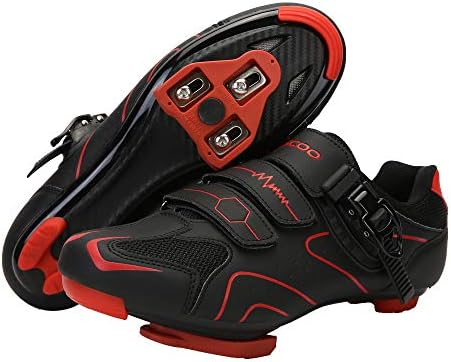
Choose the best affordable cycling shoes by cleat fit, sole stiffness and ventilation for road, trail and indoor rides.
The shoes you pedal in affect power, comfort and control more than most riders expect, and the best affordable cycling shoes deliver a stiff sole and a secure fit without a race shop price. A good pair keeps your foot stable on the pedal, protects against hot spots on long rides, and works with the cleats your bike uses. This guide explains how to choose by cleat type, sole stiffness, closure and fit.
The product table below the introduction shows current options. The sections after it explain who each type suits, which features are worth paying for, and how to avoid the mistakes that send shoes back.



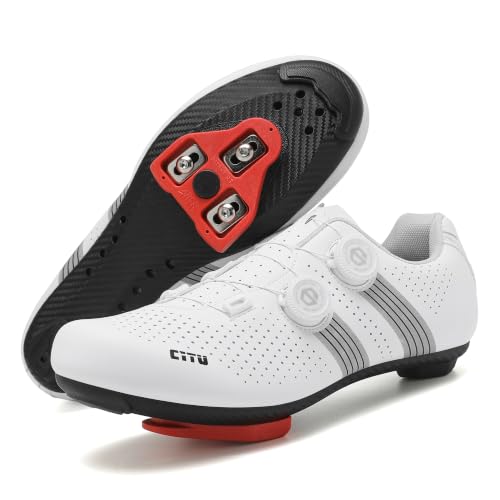


Who Affordable Cycling Shoes Suit
Affordable cycling shoes suit commuters, weekend riders, indoor cycling fans and beginners who want a step up from sneakers. They also suit riders on a mountain bike who need walkable shoes for trails. If you ride a spin bike at home or at a gym, a shoe that matches your pedals can transform the workout, because you can pull up as well as push down.
If you only ride short, casual trips, flat pedals and a stiff sneaker may still be enough. Clip in shoes pay off once your rides pass 30 minutes or when you want better pedaling efficiency.
Key Features to Compare
Cleat Compatibility
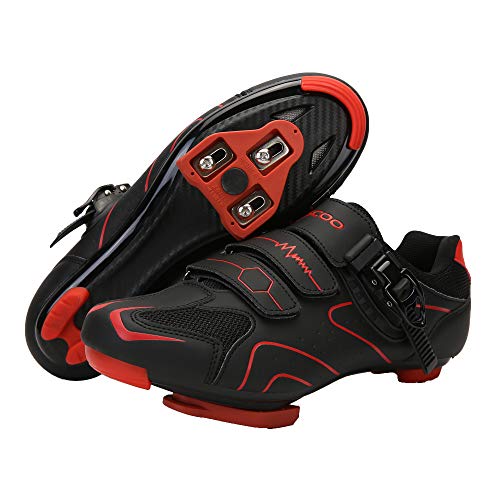
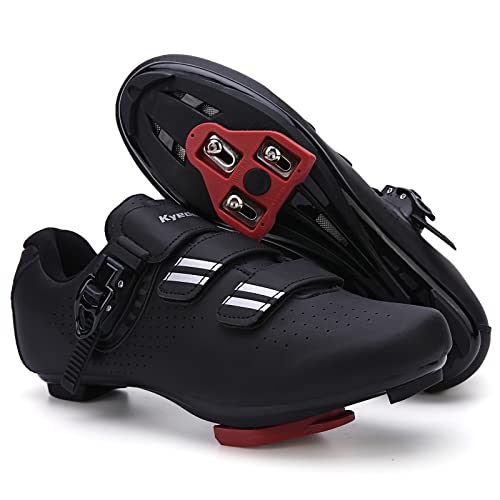
This is the first check. Two bolt cleats, often called SPD style, sit recessed in the sole and let you walk normally, which makes them popular with commuters and mountain bikers. Three bolt road cleats sit proud of the sole and suit road riders who rarely walk. Many shoes support both patterns, so confirm that your pedals and the shoe match before you order.
Sole Stiffness
A stiff sole passes more of your leg effort to the pedal. Nylon or composite soles are common at lower prices and give a good balance of stiffness and comfort. Carbon soles are stiffer but belong to higher budgets. Very soft soles feel like sneakers and flex under hard pedaling.
Closure Systems
Velcro straps are simple and easy to adjust, ratchet buckles add finer control, and laces give a classic, snug fit. Many affordable pairs combine a strap and a buckle. Check that the closure holds firmly across the instep without creating pressure points.
Ventilation and Upper Material
Mesh panels keep feet cooler in summer, while thicker synthetic uppers resist wind and light rain. Think about your climate, and remember that overshoe covers can add warmth later.
Fit and Sizing
Cycling shoes often run narrow and use European sizing. Look for notes on width, and for wide fit options if your feet are broad. The heel should hold firmly with no slipping, and your toes should have a little space.
Types of Cycling Shoes Compared
- Road shoes: stiff, light, three bolt cleats, best for fast riding on pavement.
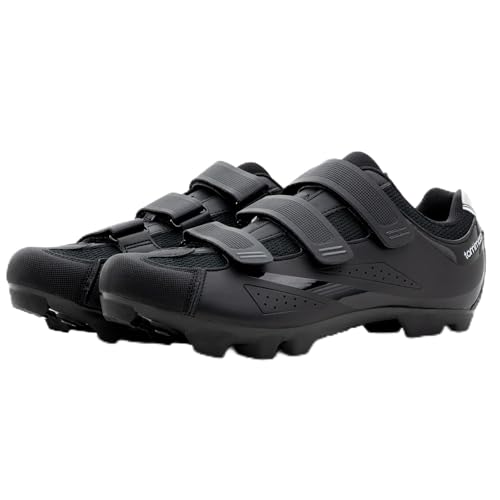
- Mountain bike shoes: recessed two bolt cleats and grippy soles, good for walking and mixed terrain.
- Indoor cycling shoes: built for spin bikes, often with two cleat options and ventilated uppers.
- Touring or commuter shoes: look like casual shoes with a cleat mount, easy to wear off the bike.
For most budget buyers, a mountain bike or indoor style shoe with a recessed cleat is the most versatile choice because it works on the road, on trails and in the gym.
Budget and Value
Entry cycling shoes begin around $40, while strong all rounders usually cost between $60 and $140. Spending more buys a stiffer sole, a better closure and lighter weight.
- Under $60: indoor and casual shoes with basic stiffness, fine for spin classes and short rides.
- $60 to $110: better soles, ratchet closures and ventilation for regular riding.
- $110 to $150: higher grade materials and refined fit for long rides and training.
When you compare the best affordable cycling shoes, check cleat patterns and sole stiffness before looking at style. A good fit with the right cleat pattern matters more than a lighter weight.
Cleat Setup and Everyday Use
Most shoes do not include cleats, so check the box contents or buy a set that matches your pedals. Fit the cleat under the ball of your foot, and adjust fore and aft position until pedaling feels natural. Small changes in angle can fix knee discomfort. Take a short, easy ride after setup, and release the cleat several times in a safe place before heading into traffic.
Care and Common Mistakes
Wipe off mud after rides, let shoes dry at room temperature, and stuff them with paper if they are wet. Replace worn cleats, since a loose or rounded cleat makes unclipping unpredictable. Keep straps clean so they keep gripping.
Common mistakes include buying a shoe that does not match your pedals, choosing a pair that is too tight for long rides, and skipping the sock you plan to wear. Another is ignoring walking comfort. If you stop often, pick a recessed cleat shoe with a rubber tread.
Related Guides
For a higher budget view, read our guide to the best cycling shoes, which covers carbon soles and race fits. For a wider footwear overview, see the best affordable shoes guide.
Socks, Insoles and Foot Comfort
Thin, moisture wicking socks keep feet comfortable in cycling shoes, while thick winter socks need a roomier fit. If you feel numbness in the forefoot, loosen the straps slightly and check that the cleat position is not too far forward. A supportive insole can improve comfort on long rides, and many shoes accept a replacement insole.
Keep your feet warm in cold weather with shoe covers rather than buying a larger size, which can make the foot slide inside the shoe.
Questions to Ask Before You Order
Ask which pedals you use, whether you need to walk in the shoes, and what socks you will wear. Check the stated width, and confirm the return policy for fit issues.
Frequently Asked Questions
Do I need clip in cycling shoes?
No, but they help. Clip in shoes let you transfer power through the whole pedal stroke and keep your feet in place, especially on long or fast rides.
What is the difference between SPD and road cleats?
SPD style cleats are small and recessed, so you can walk easily. Road cleats are larger and sit outside the sole, which gives a bigger platform but makes walking awkward.
How should cycling shoes fit?
Snug across the midfoot with a firm heel and a little room for your toes. Your foot should not slide when you pedal, and pressure points are a sign of the wrong size or shape.
Can I use spin class shoes outdoors?
Yes, if they use a two bolt cleat and have a walkable tread. Many indoor shoes work well for casual road and commuter riding.
How long do cycling shoes last?
With regular riding, a good pair lasts several years. Soles, straps and cleats wear first, and they are often cheap to replace.
Final Thoughts
Match the cleat to your pedals, check sole stiffness and closure, and size them for the socks you ride in. Review the picks in the product table above with your riding style in mind, and choose the best affordable cycling shoes that feel stable and comfortable from the first ride. A shoe that fits well and clips in cleanly will make every mile easier.


