
Best Affordable Cowgirl Boots by Budget: Smart Picks for 2026
Disclosure: We may earn a commission when you buy through links on this page, at no extra cost to you. As an Amazon Associate I earn from qualifying purchases. Learn more

Compare the best affordable cowgirl boots by toe shape, calf fit, upper material, cushioning and care.
Prices for cowgirl boots run from under $100 to well past $400, and the gap is hard to read from a photo. The best affordable cowgirl boots put your money into fit, leather and sole construction instead of heavy decoration. This guide shows what each budget level usually delivers, so you can use the comparison table below with a clear sense of the trade offs.
Start with how you will actually wear the boots. A pair for concerts needs different support from a pair for long fair days or line dancing. Your toe shape, calf width and heel height narrow the field fast, and the sections below match those needs to a sensible price tier.


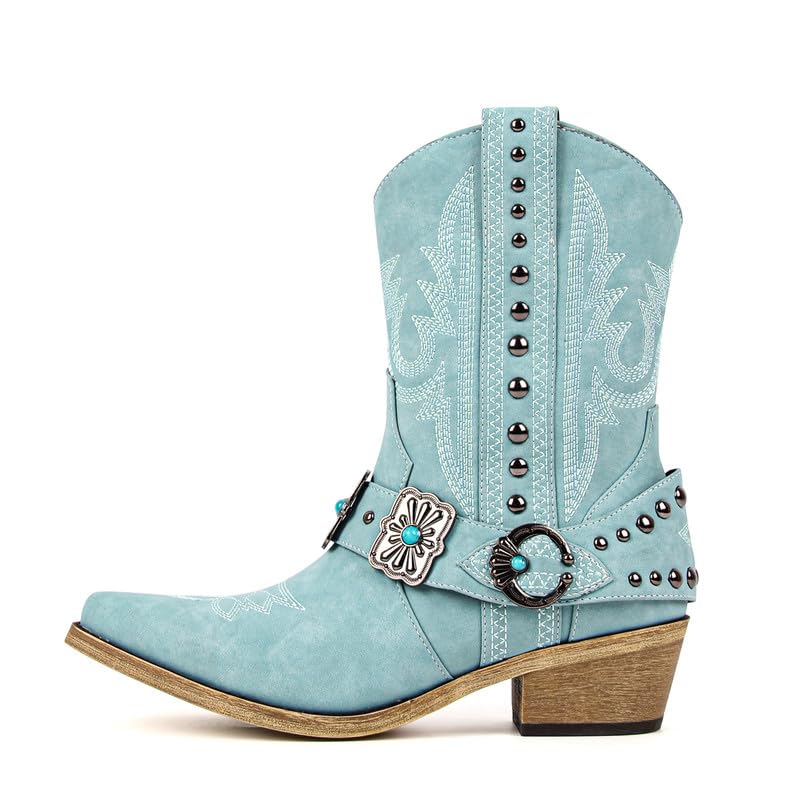


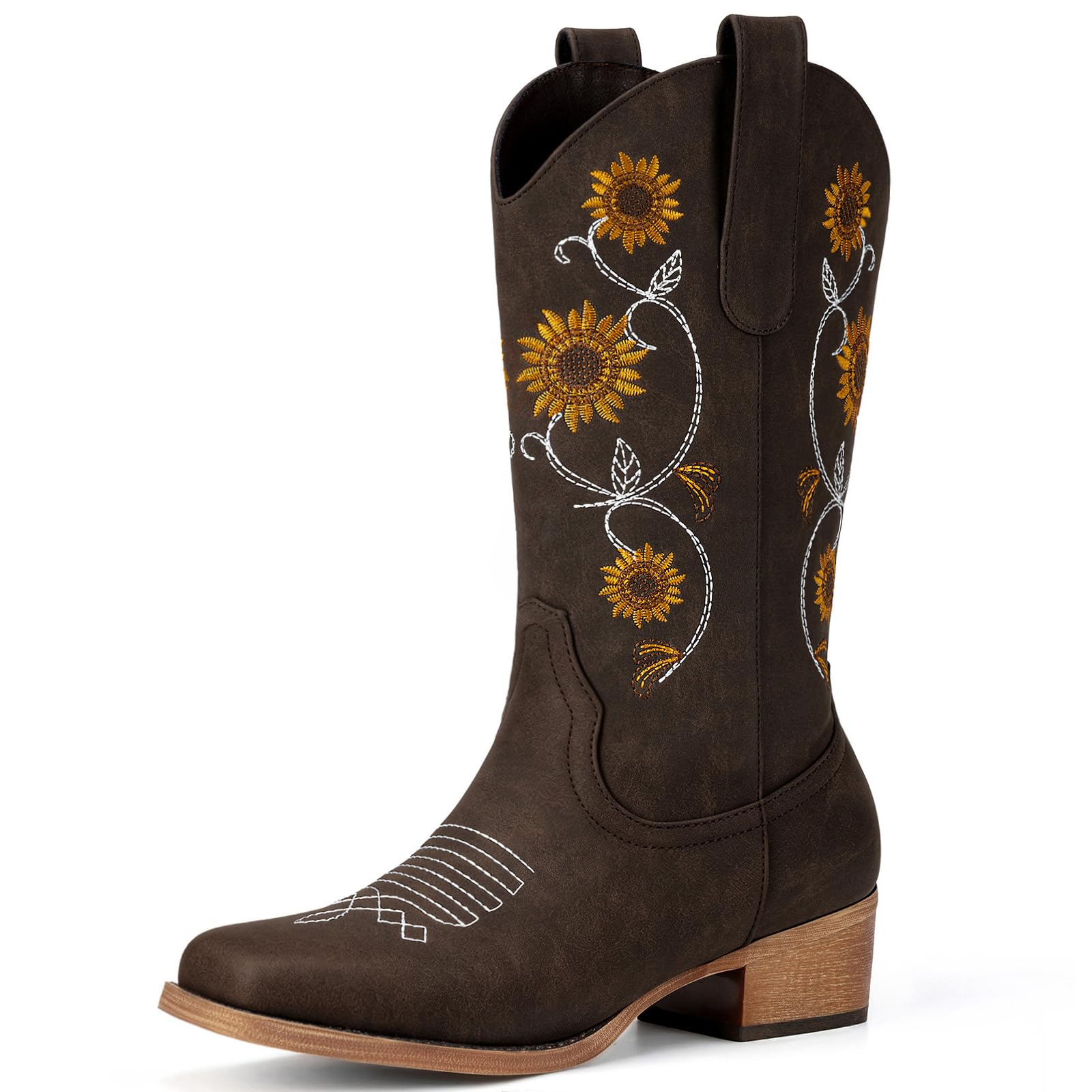
Who Should Buy Affordable Cowgirl Boots?
Match your group below first, because the right tier for weekly outfits is rarely the right tier for all day events.
Style Led Buyers Who Wear Boots With Outfits Every Week
You want the western look for dresses, jeans and skirts, and you rotate pairs rather than wearing one pair daily. A lower tier pair can work well here, since short outings strain lining and soles less. Choose clean stitching and a color you will reach for often. If price matters more than heritage construction, see our guide to the best cowgirl boots for a broader view of styles.
New Buyers Learning Toe Shape and Shaft Fit
Your first pair teaches you more than any size chart can. You may not yet know if a pointed toe cramps your foot or if a square toe feels too roomy. A modest first purchase lets you learn your calf size and heel preference without a large loss if the fit misses. Wear the pair for a season, note where it rubs, and let that lesson guide your next purchase.
Event Wearers Who Need a Spare Pair for Long Days
You attend rodeos, fairs, weddings and dance nights, and you want a pair you will not worry about in dust or crowded rooms. A second pair also rests your main pair between events, which helps leather dry and keep its shape. Pick grip and a moderate heel over tall fashion styling.
Cowgirl Boot Prices Decoded: Leather, Soles and Stitching by Budget
Price tiers in this category follow materials more than brand names. That is why the best affordable cowgirl boots often come from the middle tier, where leather and cushioning improve before decoration starts to drive the price.
Under About $100: Fashion Pairs With Basic Construction
At this level most uppers are synthetic, soles are glued rather than stitched, and lining is thin. The boots can look convincing in photos and feel fine for an evening out. Expect a shorter life and limited arch support. This tier suits occasional use and buyers who change styles often and accept replacing the pair sooner.
About $100 to $200: Leather Enters and Comfort Improves
This range is where genuine leather uppers become common, insoles gain real padding, and shafts hold their shape through a season of weekly wear. Stitching is usually neater and pull straps feel sturdier. You still give up some finishing, such as leather outsoles. For most buyers this is the strongest value zone, and readers comparing wider boot styles can also see our guide to the best affordable boots.
About $200 to $300: Fuller Leather and Stronger Soles
Paying more here usually buys thicker leather, better lining and outsoles built for repair rather than disposal. Some pairs in this range can be resoled, and heel caps tend to wear more slowly. Fit ranges also widen, with more wide calf choices. Choose this tier if you plan to wear one pair often for years.
Key Features to Compare in Affordable Cowgirl Boots
Compare these factors in the same order for every pair. A low price is only a saving if the boot still fits your foot, your calf and your longest typical day.
Upper Material and Shaft Construction
The upper decides how the boot ages. Genuine leather stretches slightly at pressure points, takes conditioner and often outlasts synthetic uppers that crack at the flex lines near your toes. Synthetic material costs less and suits occasional wear.
Check the shaft too. A shaft of about 10 to 13 inches is classic for women, and it should stand upright on its own when new. Soft shafts slouch early, while very stiff shafts can bite behind the knee when you sit.
Toe Shape, Toe Box and Calf Fit
Toe shape changes fit, not only style. Pointed toes look traditional but narrow the toe box, so many buyers take a half size up to keep toes flat. Square and round toes give toes more room and suit wider feet.
Measure both feet late in the day, when feet are largest, and measure your calf at its widest point over the jeans you plan to wear. Most standard shafts suit calves of about 14 to 15 inches, while wide calf versions add roughly an extra inch or two.
Cushioning, Arch Support and Heel Height
Budget boots often skimp inside, where you cannot see the saving in a photo. Press the insole with your thumb. It should feel dense and spring back slowly, not collapse flat.
Modest arch support helps during long standing. Classic cowgirl heels run about 1.5 to 2 inches, while lower roper style heels sit near 1 to 1.5 inches and feel steadier. A taller heel raises the heel to toe drop, shifting weight toward the ball of your foot, so choose height for your longest day, not your shortest outfit.
Outsole Grip and Stability on Hard Floors
A smooth leather outsole slides easily on a dance floor, but it can feel slick on wet pavement and polished concrete. Rubber outsoles grip better outdoors and wear more slowly on sidewalks, though they catch slightly when you pivot while dancing. Stability also comes from a firm shank under the arch and a heel base that does not taper too narrowly. If you walk on gravel or grass often, choose rubber with a shallow tread pattern and a lower, broader heel.
Lining, Breathability and Water Resistance
Most pairs in this price range are water resistant rather than true waterproof boots, and that distinction matters in steady rain. Leather sheds light splashes, yet seams let water in during a downpour. Fabric lining feels breathable in warm weather but holds odor over time, while leather lining manages moisture better and costs more.
Waterproof membranes appear rarely at these prices, and they trade airflow for dryness. For mostly dry use, skip membrane claims and spend on leather quality instead.
Common Mistakes to Avoid
Each mistake below costs money or comfort, and most are easy to prevent before you order.
- Ordering a pointed toe in your sneaker size leaves toes pressed together and sore within an hour.
- Skipping the calf measurement leaves you with a shaft that will not pull on over your usual jeans.
- Choosing the tallest fashion heel for a long event leaves your calves and lower back aching by evening.
- Judging value by stitch decoration alone leaves thin leather and a glued sole hidden under pretty patterns.
- Wearing a brand new pair for a full day out leaves blisters that make the next several wears painful.
Care and Long Term Costs for Affordable Cowgirl Boots
Leather pairs need conditioner every few months, or sooner if the surface looks dry at the flex points. Wipe dust off first, apply a thin coat, and let the boots rest overnight. Synthetic uppers need only a damp cloth and mild soap. Keep all boots away from direct heat while drying, because hot air stiffens leather and can crack the finish.
Budget for small costs beyond the purchase price. Replacement insoles run about $15 to $30, heel cap repairs are modest at a local shop, and a basic care kit costs around $20. Store boots upright with simple forms inside the shafts so they do not fold at the ankle. Rotating two modest pairs often extends the life of both more than one neglected pair at the same total spend.
Frequently Asked Questions
Do affordable cowgirl boots need waterproofing for wet weather?
Affordable cowgirl boots benefit from a light water resistant spray if you face damp grass or brief showers. Spray helps drops bead on the surface, but it will not seal seams in heavy rain. For a wet festival day, choose a rubber outsole pair and expect some dampness at the seams. Dry the boots slowly at room temperature afterward and condition leather once fully dry.
Can I wear affordable cowgirl boots all day?
Yes, you can wear affordable cowgirl boots all day if the heel is moderate and the insole has real padding. Alternate long days with a different pair when you can, since foam recovers shape better with a rest day between wears. Carry adhesive bandages for the first long outing, because a hot spot at the heel is easier to cover early than after skin breaks.
Are higher priced cowgirl boots worth it for budget shoppers?
Higher priced cowgirl boots are worth it when your cost per wear will be low. A pair at about $240 worn 120 times costs about $2 per wear, while a pair at about $90 worn 30 times costs about $3 per wear. The math favors the stronger pair only if the fit is right and you wear them often. If your style changes each season, the cheaper pair remains the smarter spend.
How long is the break in period for affordable cowgirl boots?
The break in period for affordable cowgirl boots is usually about one to two weeks of short wears for leather pairs. Start with 20 to 30 minutes indoors, then add time as the ankle area softens. Synthetic uppers change very little, so a synthetic pair that pinches on day one will likely still pinch later. A slight heel slip is normal at first and should lessen as the sole flexes.
Final Thoughts
Set your tier first, then judge toe shape, calf fit and insole quality inside that tier. Leather, a steady heel and an upright shaft will serve you longer than extra decoration at the same price. When you compare best affordable cowgirl boots with those points in mind, use the product table above to confirm size options, materials and current prices before you order.


