
Best Affordable Combat Boots in 2026: A Buyer Checklist
Disclosure: We may earn a commission when you buy through links on this page, at no extra cost to you. As an Amazon Associate I earn from qualifying purchases. Learn more

Compare the best affordable combat boots with a clear checklist for fit, toe box room, traction, cushioning, waterproofing and lasting value.
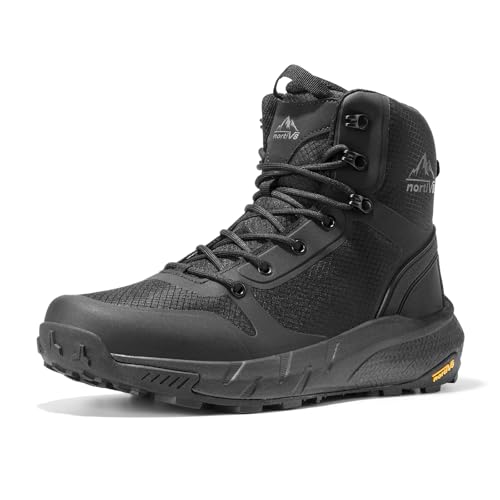
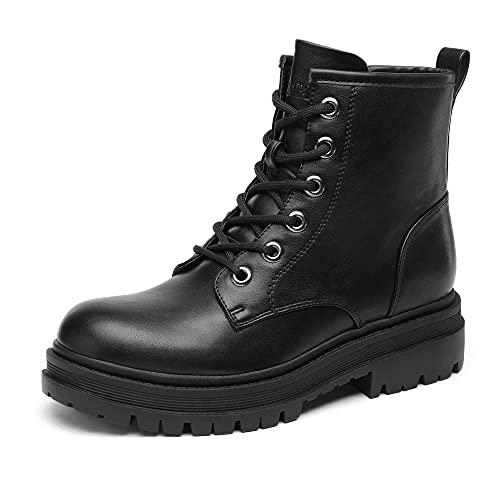
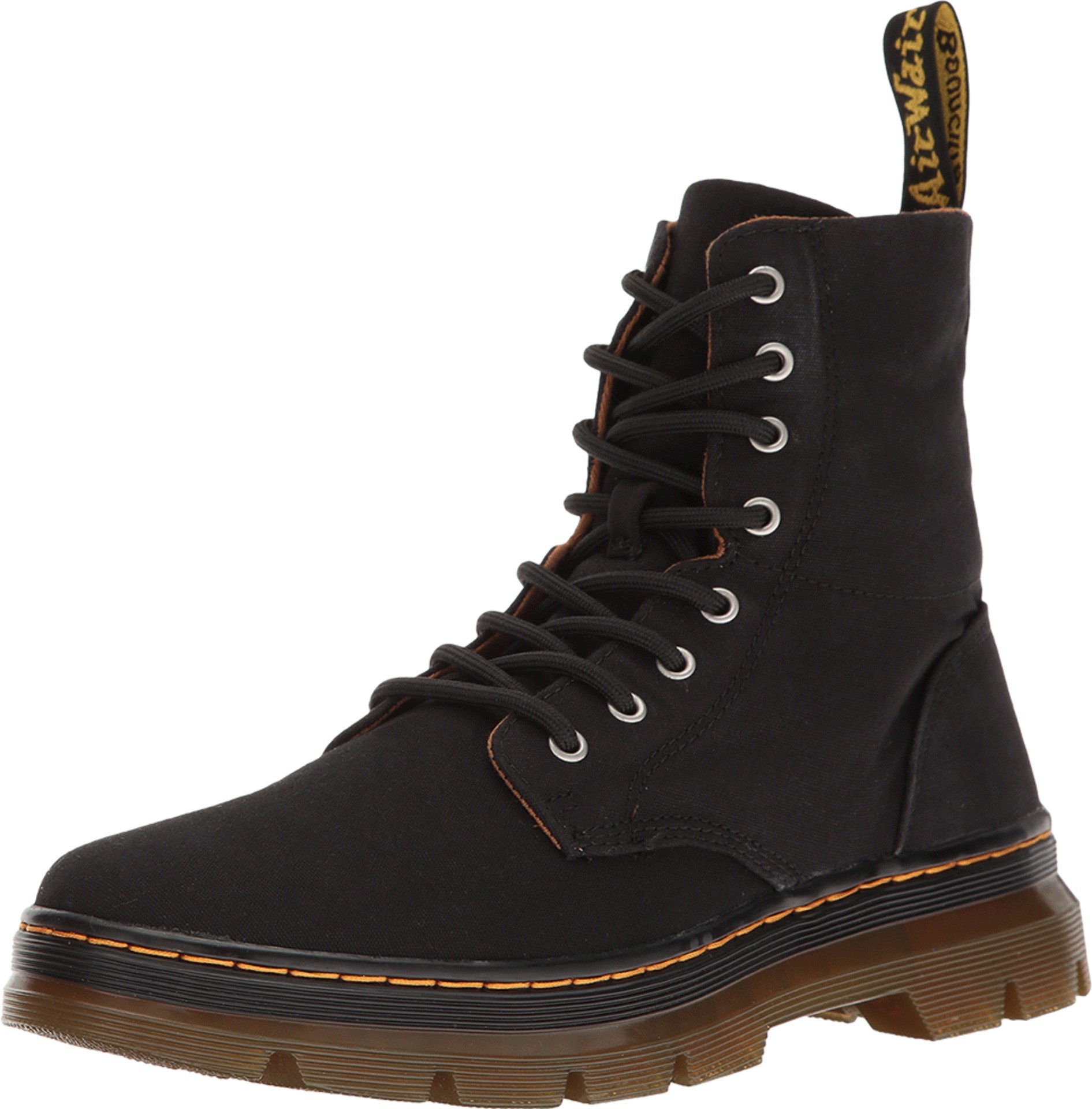
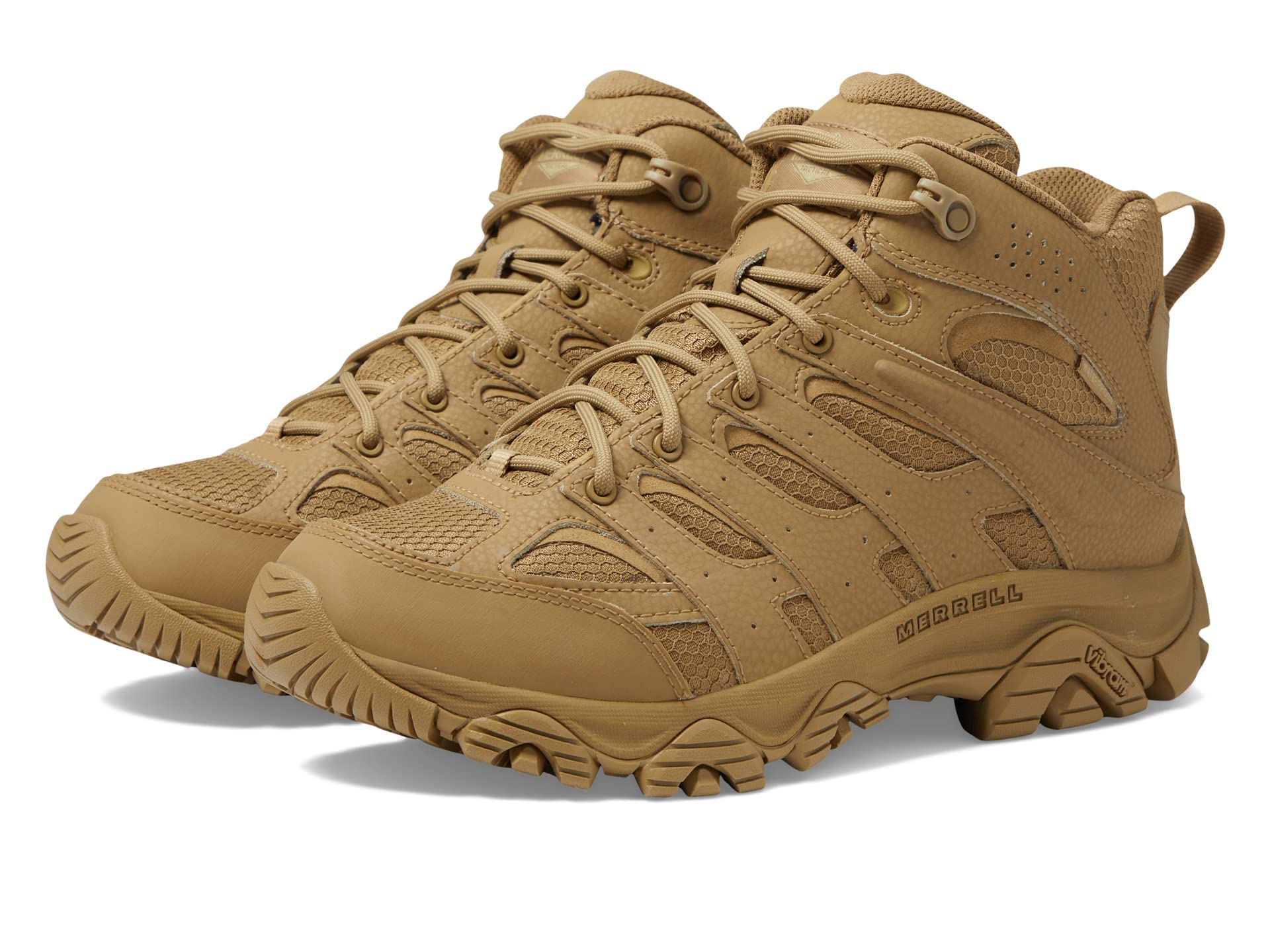
A tight budget does not have to mean sore feet, split seams or soles that go smooth in one season. The best affordable combat boots earn their price with sound fit, honest materials and traction you can trust on wet pavement and loose ground. Use the comparison table below to judge any pair against the checklist in this guide.
Start with how you will wear the boots, on duty, on trails or through long shifts on hard floors. Then work through fit, materials, cushioning and waterproofing. Price comes last, because a cheap pair that fits badly costs twice when you replace it early.




Who Should Buy Affordable Combat Boots on a Budget?
Affordable here means about $80 to $150, with a few basic options under $100. At that level you trade premium leather and resoling options for lower weight and a lower bill, but fit and solid construction should never be part of the trade.
New Recruits and Service Members Watching Every Dollar
You need a boot that meets uniform rules, breaks in fast and survives daily wear on pavement, gravel and drill fields. Look for an 8 inch shaft, polishable leather at the toe and heel where rules require it, and a sole that cleans quickly. Keep spare insoles ready, because rotating insoles helps one pair feel fresher through a long week.
Security Guards and Workers on Hard Floors All Day
You stand, walk and pivot on concrete or tile for eight hours or more, often with little time to sit. Prioritize cushioning under the heel, steady arch support and a toe box that lets toes spread as feet swell late in a shift. A lighter boot matters here more than thick insulation, and a slip resistant outsole matters more than deep trail lugs.
Hikers and Campers Who Want One Versatile Pair
You want one pair for weekend trails, muddy campsites and rough yard work that does not drain your gear budget. Choose a midweight boot with nylon panels for airflow, lugs that shed mud and enough ankle support for uneven ground. If most trips stay on marked trails, you do not need the stiffest sole, and the savings can go toward good socks.
Key Features to Compare
Compare each pair against the same five points below. A low price looks less appealing once you notice a narrow toe box, a thin sole or fabric panels where leather should carry the load.
What Low Cost Combat Boots Deliver for Daily Duty
For about $80 to $150, expect leather and nylon uppers, foam cushioning, solid traction and basic water resistance, which cover most daily and field use well. What usually gets cut at this price is thicker full grain leather, premium membranes and soles a cobbler can replace. Do not cut corners on fit or stitching to save a few dollars, because those points decide how long the boot stays comfortable.
Combat Boot Fit, Sizing and Room for Thick Socks
Measure both feet late in the day, when they are at their largest, and wear the socks you plan to use. Your longest toe should sit about half an inch from the front, your heel should stay put when you walk, and the toe box should let toes lie flat without pressing the sides. Feet swell on long shifts, so a boot that feels snug in a morning fitting can feel tight by evening.
Upper Materials and How Long They Last
Leather carries scuffs, holds its shape and protects against brush and debris, while nylon panels cut weight and let heat escape on warm days. Check stitching where panels meet, since loose threads or uneven rows often show where a panel will pull apart first. Budget boots commonly last one to three years of regular wear, and pairs worn daily on concrete tend to wear the sole out before the upper fails.
Outsole Traction, Cushioning and Arch Support
Look for rubber lugs deep enough to grip wet pavement and loose dirt, with wider spacing where you walk in mud so the tread can clear itself. Underfoot, foam cushioning softens each step on hard floors, and firm arch support helps when you carry a pack or stand for hours. Heel to toe drop on most combat boots sits around 8 to 12 mm, giving a fairly flat and stable feel under load.
Waterproofing, Gore Tex and Breathability
A waterproof membrane such as Gore Tex keeps rain and shallow puddle water out, which suits wet climates and early morning grass. The trade off is heat, since a membrane slows airflow and makes the boot feel warmer in summer. If you work mostly indoors or in dry heat, a breathable unlined boot with treated leather feels cooler and dries faster after sweat builds up inside.
Combat Boot Types Compared for Budget Buyers
The three broad types below cover most budget listings. Match the type to your ground and climate first, then use the checklist above to judge individual pairs. Choosing the right type first is what separates the best affordable combat boots from pairs that only look tough.
Lightweight Tactical Style Boots for Fast Moving Days
These boots pair nylon panels with lighter soles and feel closer to athletic shoes in weight. They suit security work, warm weather patrols and long walks on pavement. They give up some scuff protection and insulation, so they are a weaker choice for cold rain or heavy brush.
Classic Leather Field Boots for Rough Ground
These boots use more leather, a stiffer sole and deeper lugs for trails, farms and work sites. They take longer to break in and weigh more, but they shrug off rocks and brush better. For a broader view before you narrow by price, see our guide to the best combat boots for the full range of styles.
Waterproof Boots for Wet Seasons
These boots add a membrane and sealed seams for rain, wet grass and slush, and they cost a little more while breathing less. Many buyers keep them as a seasonal pair rather than a daily one. Shoppers who want budget footwear beyond field use can also see our guide to the best affordable boots for other styles at similar prices.
Common Mistakes to Avoid
Most budget regrets come from a few repeat errors.
- Buying by shoe size alone leaves no room for thick socks, so toes jam against the front on long days.
- Choosing deep trail lugs for concrete floors makes each step feel harsh and wears the sole down faster.
- Chasing the lowest price and ignoring stitching leads to split panels and a second purchase within the year.
- Wearing new boots on a full shift with no break in time raises blisters and hot spots by midday.
- Trusting a waterproof label on a boot with vague specs and no sealed seams lets water in at the tongue.
Care and Maintenance for Combat Boots
Air dry wet boots at room temperature, away from direct heat, and loosen the laces so air can reach the lining. Stuffing damp boots with newspaper helps pull moisture from the toe area. Brush dried mud from lugs and seams before it grinds into the stitching, and never store boots that still feel damp inside.
Condition leather when it looks dry or pale, and check eyelets, hooks and sole edges each month for early wear. Rotate two pairs if you wear boots daily, since a rest day lets foam recover and the lining dry fully. Retire a pair when tread runs smooth at the heel, because worn soles slip and support fades.
FAQ
Do I need waterproof combat boots for daily wear?
Not always, because daily wear in a dry climate or mostly indoors rarely soaks a boot. Waterproof models earn their cost when your route crosses wet grass, puddles or snow. Parking lot slush splashes boot sides even on short walks, so check seam sealing there, not only at the toe.
Are more expensive combat boots worth the extra cost?
Sometimes, because higher prices can buy thicker leather, a replaceable sole and a longer warranty. Those gains matter most if you wear boots daily in rough country. For weekend use, the extra cost often buys little you will notice. Spend first on fit, since a costly boot in the wrong size still hurts by noon.
Can I wear combat boots all day without sore feet?
Yes, you can wear combat boots all day once the fit is right and the break in period is done. Soreness usually traces to a tight toe box, thin socks or a sole too stiff for hard floors. Try a cushioned work boot insole before blaming the boot, since that small change often fixes heel ache.
How should combat boots fit when I first try them on?
Combat boots should feel snug at the heel and midfoot, with clear space in front of your toes. Walk a slope or stairs if the store allows it, because toes touching the front going down will bruise on hills. Lace from the bottom up and retie once, since loose lower laces let the foot slide forward.
How often should I replace affordable combat boots?
Replace affordable combat boots when grip, support or upper integrity gives out, not on a fixed date. Check the heel tread at home, where lugs worn level with the sole no longer bite on wet ground. Daily shift boots may reach that point in about a year, while occasional pairs last far longer.
How long is the break in period for new combat boots?
The break in period for new combat boots usually runs about one to two weeks of growing wear time. Start with an hour at home, then short errands, then a half shift, adding time only when no hot spots remain. Moleskin on a rubbing heel protects skin while leather softens.
Our Verdict
Fit, honest materials and the right outsole for your ground matter more than any headline feature. Pick the type that matches your climate and duty, and use the product table above to compare weight, shaft height and price.
When you judge best affordable combat boots by those points, a sound pair under $150 is a realistic goal. Buy the pair your feet approve of on the first walk, and it will repay you on every shift and trail.


