
Best Affordable Climbing Shoes 2026 Buying Guide
Disclosure: We may earn a commission when you buy through links on this page, at no extra cost to you. As an Amazon Associate I earn from qualifying purchases. Learn more

Match the best affordable climbing shoes to your climbing with advice on fit, shape, rubber and closure for gym walls and outdoor routes.
Climbing shoes decide how well you trust your feet on small holds, and the best affordable climbing shoes give you that trust without a premium price. A good pair fits snugly, keeps its shape, and grips with sticky rubber on gym walls and rock alike. This guide shows how to choose by fit, shape, closure and rubber, so your budget goes into the parts you will feel on the wall.
The product table below the introduction lists current options. Read the sections that follow to decide which type suits your climbing, how tight to go, and how to make a pair last through many sessions.


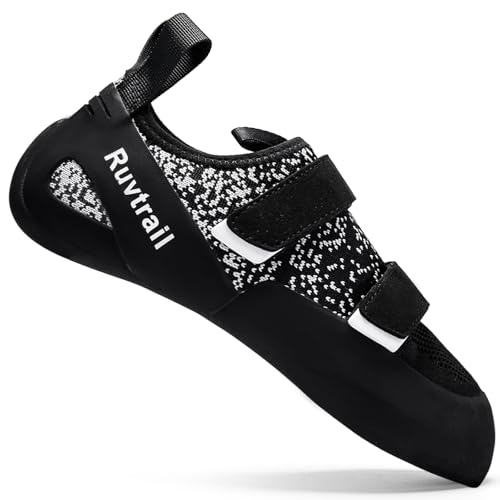

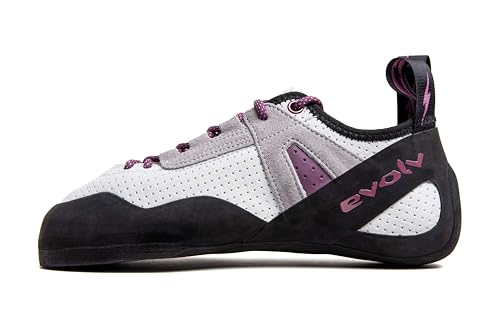

Who Affordable Climbing Shoes Suit
Affordable climbing shoes are the right call for newcomers, for gym climbers who rent gear today and want their own pair, and for anyone growing out of a first shoe. Beginners benefit most from a flat, comfortable shoe, because it lets you learn footwork without pain. Experienced climbers often keep a budget pair for gym sessions and save a high performance shoe for hard outdoor routes.
Be honest about how often you climb. Two sessions a week justify durable rubber and a closure you can adjust. An occasional visit to the gym can be served by a simple, comfortable shoe.
Key Features to Compare
Shape: Flat, Moderate or Downturned
A flat shoe has a relaxed toe and suits long sessions, slab climbing and beginners. A moderate downturn curves the toe slightly, which helps on steeper walls. An aggressive downturn pulls the toes into a hook for overhangs and small edges, but it hurts for long routes and is rarely a good first shoe.
Closure: Laces, Velcro or Slippers
Laces give the most precise adjustment and hold a fit across the whole foot. Velcro straps are quick to put on and take off, which is handy between boulder problems. Slippers are soft and light but give less support, so they suit gym climbing and experienced feet.
Rubber and Sole
Soft, sticky rubber grips better but wears faster, while harder rubber lasts longer and holds edges well. A sole about 4 to 5 millimeters thick is a good balance for general use. Check whether the rubber can be resoled, since a resole costs far less than a new pair.
Upper Material and Stretch
Leather stretches with wear, often by half a size, while synthetic uppers keep their size. Unlined leather needs a snugger starting fit. A lined or synthetic shoe can be bought closer to your true comfortable size.
Volume and Foot Shape
Some shoes suit narrow heels and low volume feet, others suit wide forefoot shapes. If your heel lifts when you pull on the toe, the shoe is too big or the heel cup is wrong for you. Check the maker's size chart, because climbing sizes often run smaller than street sizes.
Types of Climbing Shoes Compared
- Beginner all rounders: flat or lightly curved, comfortable, laces or velcro, built for learning.
- Gym and bouldering shoes: softer, with velcro closures, easy to wear and remove between attempts.
- Outdoor trad and crack shoes: stiffer and flatter, for long routes and foot jams.
- Performance shoes: aggressive and tight, for steep climbing, usually above the budget range.
Most buyers on a budget are well served by the first two groups. A comfortable all rounder lets you climb more often, and more time on the wall teaches footwork faster than any tight, painful shoe.
Budget and Value
Entry shoes often start near $50, while good all rounders run between $70 and $120. Paying more usually buys better rubber, a more precise closure and a shape tuned for harder climbing.
- Under $60: basic comfort shoes, fine for a few gym visits and for learning.
- $60 to $100: durable rubber, secure closures and good support for regular sessions.
- $100 to $130: better shapes and materials that bridge gym and outdoor climbing.
When you compare the best affordable climbing shoes, a solid fit and trusted rubber matter more than a long feature list. Spend on those two, and let styling come last.
Fit and Sizing
Try shoes on late in the day, when feet are slightly larger. Your toes should touch the front without painful bending, and your heel should sit snug with no empty space. Beginners should aim for firm but comfortable, since a pair that hurts after ten minutes will stay in your bag. Wear thin socks or none, as most climbers do, and walk around the shop or your home before the first session.
Expect leather to loosen a little after a few climbs. If you are between sizes, choose the smaller size for unlined leather and the larger size for synthetic uppers.
Care and Common Mistakes
Keep shoes dry and out of hot cars, since heat softens glues and breaks down rubber. Brush dirt from the soles, never walk on rough ground in them, and air them out after sessions to reduce odor. Rotate pairs if you climb often.
Common mistakes include buying too tight for a first pair, picking an aggressive shape for long routes, and ignoring the return policy. Another is wearing the shoes for walking between climbs, which wears the rubber quickly. Keep a pair of sandals or sneakers for the approach.
Related Guides
If you already know your style, compare the best affordable rock climbing shoes for outdoor routes. For a wider look at budget footwear, see our guide to the best affordable shoes, and for styling choices read the best looking climbing shoes guide.
Gym Climbing Versus Outdoor Climbing
Gym walls have plastic holds and uniform surfaces, so a soft, comfortable shoe with velcro works well. Outdoor rock demands more precise edging and durable rubber, because granite and limestone wear soles faster. If you climb in both places, pick a moderate all rounder and replace it with a specialized pair later.
Frequently Asked Questions
How tight should climbing shoes be?
Snug and firm, but not painful. Your toes should lie flat or slightly curled, and your heel should not lift. If you cannot stand in them for a minute, they are too small for a first pair.
Are climbing shoes worth buying instead of renting?
Once you climb weekly, yes. Your own pair fits better, stays cleaner and costs less than rental fees within a couple of months.
What shape suits a beginner?
A flat or lightly curved shoe is best. It stays comfortable while you learn footwork and does not punish small fit errors.
How long do climbing shoes last?
With regular use, the rubber often lasts six months to two years. A resole can extend that life if the upper is still sound.
Can I use climbing shoes for both gym and outdoor routes?
Yes, a moderate all rounder with sticky rubber works for both. Specialized shoes help on very steep or very long climbs, but they are not needed at the start.
Final Thoughts
Start with fit and shape, then check the rubber and closure, and only then compare price. Look through the product table above with your climbing style in mind, and choose the best affordable climbing shoes that feel secure on your foot. A comfortable pair that you wear often will teach you more than a tight, expensive one that stays at home.


