
Best Affordable Chronograph Watches: Complete Buying Guide for 2026
Disclosure: We may earn a commission when you buy through links on this page, at no extra cost to you. As an Amazon Associate I earn from qualifying purchases. Learn more

Compare the best affordable chronograph watches by timer functions, dial readability, case size and budget before you decide.
A chronograph is a watch with a built in stopwatch, usually shown by small subdials and push buttons on the side of the case. The best affordable chronograph watches give you that sporty, technical look and a working timer without the price of a luxury brand. This guide explains how the timer works, what to check on the dial and case, and how to pick a model you will use for timing as well as for style.
The product table below the introduction lists current picks. The sections that follow cover who benefits from a chronograph, the features that matter, and the common types you will see on the market.


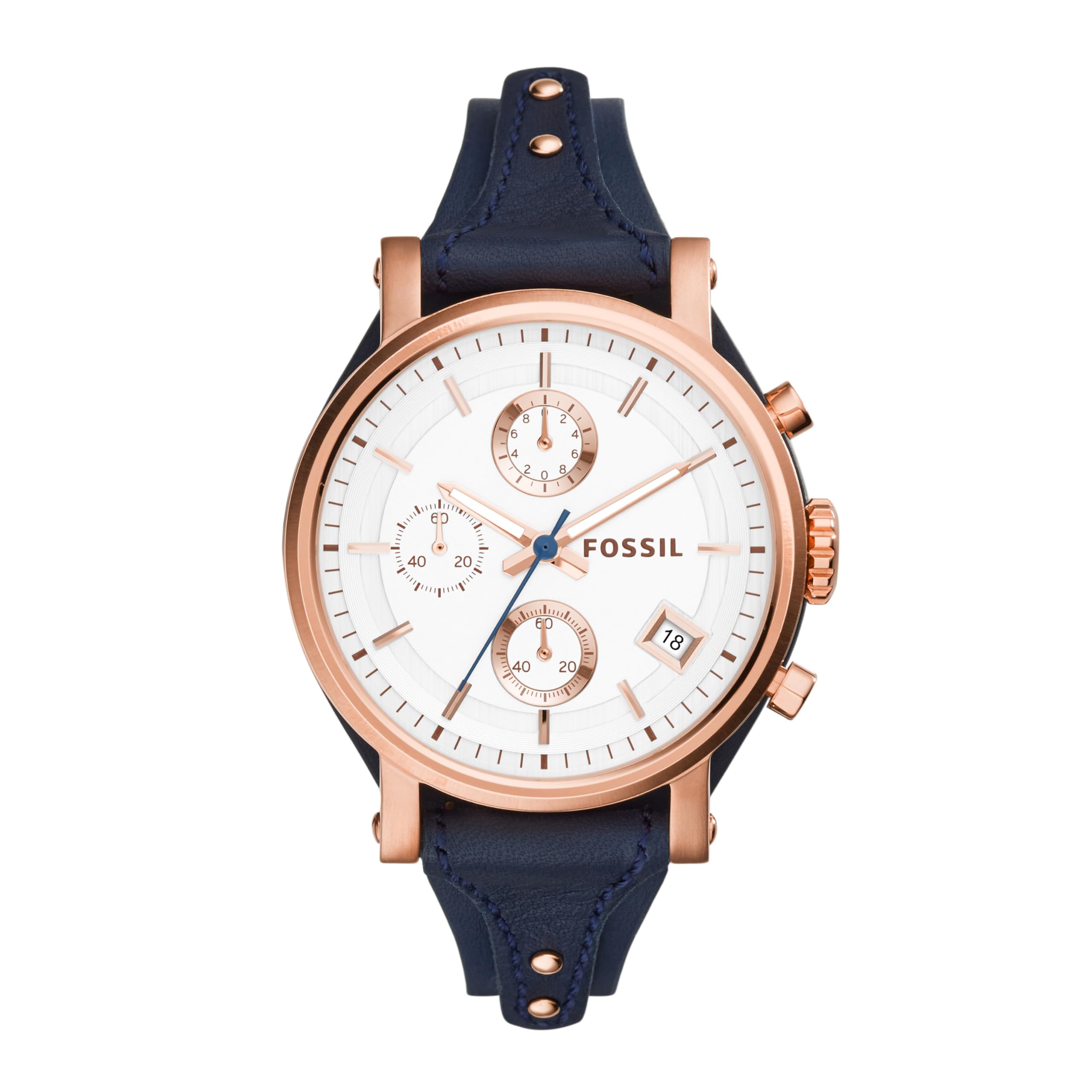


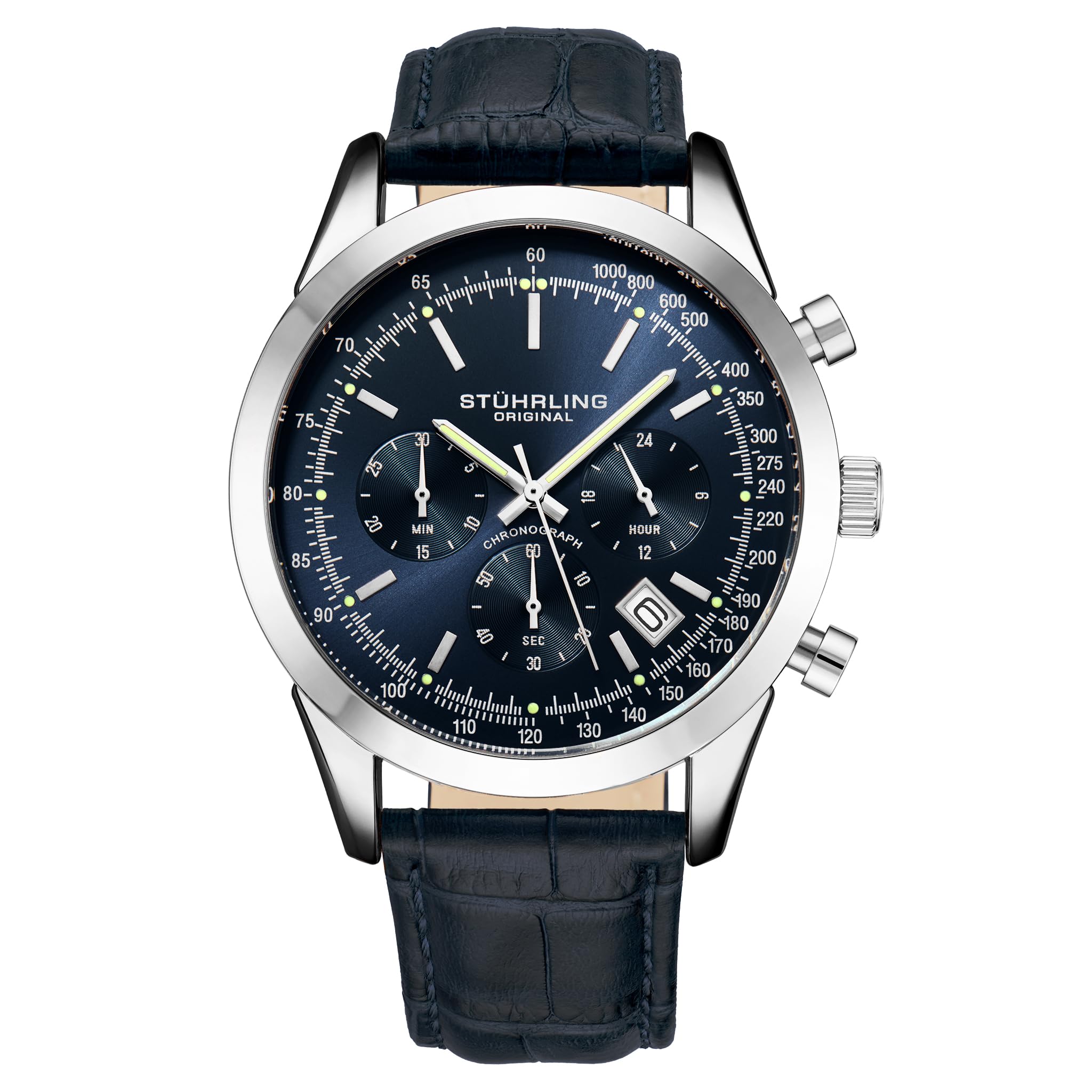
Who Affordable Chronograph Watches Suit
Chronograph watches suit people who like timing things: runners, cooks, drivers who track laps, and anyone who enjoys the layout of subdials and pushers. They also suit buyers who want a bold, sporty watch for daily wear. If you never time anything, the extra buttons are mainly for looks, so make sure you like the design.
Think about how you will wear the watch. A slim, simple chronograph suits office wear, while a larger steel model with a tachymeter scale suits weekends and travel.
Key Features Explained
How the Chronograph Works
Pressing the top pusher starts the stopwatch, pressing it again stops it, and the lower pusher resets it. The central seconds hand usually shows elapsed seconds, while subdials count minutes and hours. Learn the sequence before you buy, because layouts differ between models.
Subdials and Dial Readability
Three small subdials look sporty, but a crowded dial can be hard to read at a glance. Check that the hour and minute hands contrast clearly with the face, and that subdial hands are easy to tell apart. A date window should not cut into a subdial.
Case Size and Thickness
Chronograph movements need space, so cases are often thicker than simple watches. A case between 40 and 44 millimeters suits many wrists, but thickness matters for cuffs. Women and slim wrists may prefer 36 to 40 millimeters.
Movement: Quartz or Automatic
Quartz chronographs are accurate, durable and affordable, and the stopwatch can be precise to a fraction of a second. Automatic chronographs are rarer at low prices and cost more to service. For most buyers on a budget, quartz is the better choice.
Strap, Water Resistance and Pushers
Choose a steel bracelet or leather strap you like, since both are easy to swap. Water resistance of 50 meters handles daily use, but avoid pressing the pushers underwater unless the maker says it is safe. Screw down pushers add extra protection.
Types of Chronograph Watches
- Quartz sport chronographs: accurate and rugged, ideal for daily wear and timing.
- Dress chronographs: slimmer cases and cleaner dials for office wear.
- Racing style chronographs: tachymeter bezels and bold colors, inspired by motorsport.
- Automatic chronographs: mechanical movements with traditional appeal, often above the budget range.
Prices for chronograph watches commonly run from about $50 to $250 in the affordable range. Paying more should bring better materials, a tougher crystal or a more refined case, not just extra decoration.
Buying Checklist Before You Order
Work through this checklist before you commit. Each point helps you avoid the common disappointments.
- Confirm the case size and lug to lug length suit your wrist.
- Check that the dial is readable and the subdials do not look crowded.
- Look for mineral or sapphire crystal and a secure caseback.
- Check water resistance against how you plan to wear the watch.
- Read the warranty and return terms before you order.
When you compare the best affordable chronograph watches, a clear dial and a comfortable bracelet matter more than a long feature list.
Care and Everyday Use
Wipe the case with a soft cloth, keep the watch away from strong magnets, and rinse it after salt water. Do not press the pushers underwater. Replace the battery on time, and have seals checked if you use the watch around water. Practice the start, stop and reset sequence at home so you can use it without thinking.
Related Guides
For a higher budget overview, read our guide to the best chronograph watches. If style is your priority, see the best looking affordable watches. For wider options, compare the best affordable wrist watches and the best affordable watches for men.
Using a Chronograph in Daily Life
A chronograph is more useful than it looks. Runners can start the timer at the first stride and read the elapsed time at the finish. Cooks can time a steak or a pot of rice without reaching for a phone. Drivers can measure how long a parking meter has left, and anyone can time a meeting or a presentation.
Some watches add a tachymeter scale around the edge of the dial. It lets you read average speed over a measured distance, for example one mile, by timing how long the distance takes. It is a fun feature, but not essential, and it adds visual detail that some people find busy.
Keep in mind that the chronograph hand sits at zero when it is not in use, so you can ignore the subdials in daily wear. If you prefer a calmer face, choose a design with two subdials or a hidden date.
Reading the Dial: A Short Glossary
Chronograph listings use a few terms that can confuse newcomers. The central seconds hand is the timer hand, and it sweeps once per minute when the stopwatch runs. The subdials count elapsed minutes and hours, and sometimes show the running seconds of the normal time. Pushers are the buttons on the side of the case, and a bezel is the ring around the dial, which may carry a tachymeter or a countdown scale.
A flyback or split seconds function is rare at this price, so do not expect it. What you should expect is a clean start and stop, a hand that returns exactly to zero, and subdials that line up with the markers.
Take time to compare how the dial looks in several photos, since glossy dials can reflect light and hide contrast.
Frequently Asked Questions
What is a chronograph used for?
A chronograph times events such as runs, cooking steps or laps. It works alongside the normal time display and does not affect the watch's accuracy.
Is a chronograph better than a regular watch?
It is more versatile, but also busier. If you value a clean look, a simple watch may suit you better. If you enjoy timing, a chronograph is a fun feature.
Quartz or automatic: which should I choose?
Quartz is more accurate, cheaper and easier to maintain, so it is the usual choice on a budget. Automatic suits people who love mechanical movements.
How do I use the pushers?
Press the top pusher to start and stop, and the bottom pusher to reset. Make sure the watch is stopped before resetting.
How long does a chronograph battery last?
Around two to three years for most quartz models, and less if you use the timer a lot. Replace the battery promptly to protect the movement.
Final Thoughts
Choose a chronograph by dial readability, case size and movement type, then check the strap and warranty. Compare the picks in the product table above with your wrist and your routine in mind, and select the best affordable chronograph watches that you will enjoy wearing. A watch that looks good and can time your next run or recipe is a rewarding everyday companion.


