
Best Makeup Brush Set Made Simple: A Clear Buying Guide
Disclosure: We may earn a commission when you buy through links on this page, at no extra cost to you. As an Amazon Associate I earn from qualifying purchases. Learn more

A first buyer guide to the best makeup brush set: brush shapes, bristles, cases and care explained.
The right brushes make makeup easier, faster and better looking. A good set blends foundation smoothly, places blush exactly where you want it and blends eyeshadow without harsh lines, while scratchy, shedding brushes leave streaks and frustration. Makeup brush sets range from around $8 for 16 piece synthetic kits to $60 sets with travel rolls and premium bristles. If you are buying your first set, the names and shapes can be confusing. This beginner guide to the best makeup brush set explains the basics in plain English, so your first set covers what you actually need.
We cover brush basics, key specs, picks for different uses, rookie mistakes, first use and care and answers to common questions. The table above lists sets from e.l.f., Real Perfection, Jessup, Docolor, DUcare, Morphe, ENZO KEN, Laura Geller and others, all sold new on Amazon US. If you have sensitive skin or a skin condition, ask a dermatologist about products and hygiene.


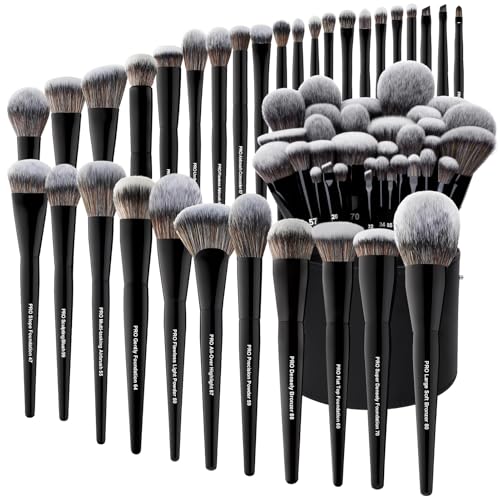
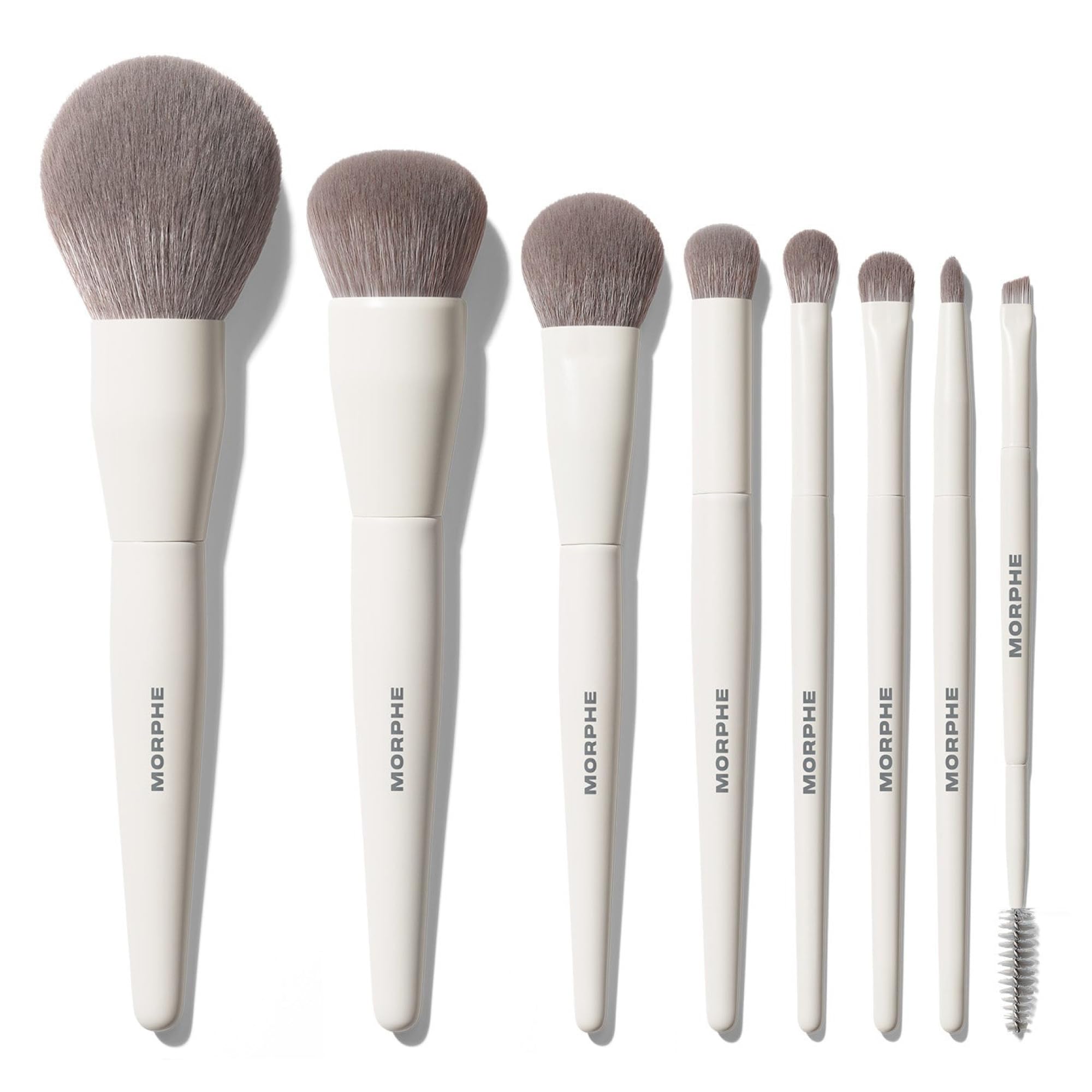


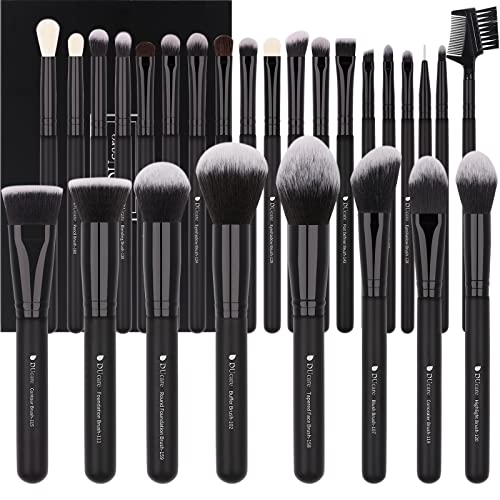

Makeup Brush Sets 101: The Basics
A makeup brush set bundles brushes for face and eyes. Face brushes include a foundation brush or dense kabuki for liquid and cream foundation, a powder brush, a blush brush, a contour or angled brush and a concealer brush. Eye brushes include a flat shader for packing eyeshadow, a fluffy blending brush, a pencil or detail brush for the lower lash line and an angled brush for brows and liner.
Most modern sets use synthetic bristles, which are cruelty free, easy to clean and work well with liquids, creams and powders. Natural hair brushes, less common today, pick up powder well but cost more. Some sets, like ENZO KEN's, use bamboo handles and premium fibers, while others, like the e.l.f. Ultimate set, include a travel roll.
Brush count does not equal quality. A 10 to 17 piece set covers most routines, while 27 to 32 piece sets add specialty shapes many beginners never use.
The best starting set includes a dense foundation brush, a powder brush, a blush brush, a concealer brush, a flat eyeshadow brush, a blending brush and an angled brow brush.
Picking the best makeup brush set is easier once you list what you wear daily. Someone who wears only foundation, blush and mascara needs far fewer brushes than someone who creates detailed eye looks.
Brushes also change how products look on skin. A dense brush gives fuller coverage from the same foundation, while a fluffy brush sheers it out for a natural finish. That flexibility is one reason brushes are worth learning.
Makeup sponges and brushes complement each other: sponges give a dewy, airbrushed finish, while brushes give more control and coverage. Many people use both.
Key Specs Explained in Plain English
Bristle material, brush shapes, construction, size and care matter most. Here is what each spec means and what to choose.
Before comparing specs, decide whether you want a face only set, an eye focused set or a complete kit, since that narrows choices quickly.
Bristle Material and Density
Synthetic bristles are smooth, durable and easy to clean, and they work with every formula. Dense, tightly packed bristles, like kabuki brushes, buff foundation for full coverage. Fluffy, loosely packed bristles diffuse powder and blush for a soft finish.
Recommendation: choose synthetic sets for versatility and easy care, with a mix of dense and fluffy brushes.
Bristle length matters as well. Longer, looser bristles apply color softly and blend edges, while shorter, tighter bristles deposit more product with precision. A good set mixes both so you can build and soften color.
Vegan synthetic fibers, used by many brands like Jessup and LORYP, avoid animal hair entirely, which appeals to cruelty free shoppers.
Softness matters most around the eyes, where skin is thin; feel bristles on the back of your hand when the set arrives.
Tapered bristle tips feel softer on skin and blend more smoothly than blunt cut tips.
Brush Shapes and What They Do
Flat foundation brushes paint on liquid foundation, kabuki and flat top brushes buff it in, round powder brushes dust powder, angled brushes contour cheekbones, tapered brushes place highlighter and small flat brushes apply concealer. For eyes, flat shaders pack color, fluffy brushes blend and pencil brushes add detail.
Recommendation: check that a set includes the core shapes for your routine before counting total pieces.
Double sided brushes, like Jessup's 10 piece and 7 piece double sided sets, put two shapes on one handle, which saves space in small makeup bags and travel kits.
A brow spoolie and angled liner brush are small additions that make a big difference for groomed brows and precise eyeliner.
Stippling brushes, with two lengths of bristles, give an airbrushed finish with liquid foundation and blush, and they are a favorite for natural looking makeup.
Lip brushes help apply lipstick precisely for crisp edges.
Construction and Shedding
Quality brushes have bristles firmly glued into a crimped metal ferrule that does not wobble. Shedding, where bristles fall out, is a sign of poor construction. Handles in wood, bamboo or sturdy plastic should feel balanced.
Recommendation: gently tug bristles when the set arrives; a few loose fibers at first are normal, but continuous shedding is not.
Handle length affects control. Short handles give precise control close to the face, while longer handles give a lighter touch for blending. Many sets mix lengths for face and eye brushes.
Seamless ferrules, without visible joins, are less likely to loosen over time and trap water.
Brushes that feel scratchy on day one rarely soften much, so return sets that irritate your skin rather than hoping they improve.
Ease of Use and Long Term Cost
Brushes with labeled handles or included guides help beginners learn which brush does what. Sets with cases or holders, like Docolor's bag and Bueart's large holder, keep brushes organized and protected. Good brushes last years with care, which lowers long term cost compared with disposable sponges.
Recommendation: choose a set with a case or holder if you travel or have limited counter space.
Brush guards, included with Docolor's set, keep bristle shapes intact after washing and in travel, which helps brushes last longer.
Brushes waste less product than fingers or sponges, since sponges absorb foundation, which saves money over time.
Learning a few versatile brushes well is more useful than owning many you never touch.
Hygiene and Skin Friendliness
Synthetic bristles resist bacteria buildup better than natural hair because they absorb less product. Soft bristles feel gentle on sensitive skin. Regular washing is essential, since dirty brushes can spread bacteria and contribute to breakouts.
Recommendation: wash foundation and concealer brushes weekly and powder brushes every two weeks.
Never share brushes, especially for eyes and lips, since bacteria and viruses can spread between users. Keep a separate brush for cream and powder products to prevent buildup.
Store brushes away from the bathroom sink and toilet, where splashes and humidity encourage bacteria.
Dry brushes in a well ventilated spot rather than a closed drawer, so they dry fully and stay fresh between uses.
Picking the Right Makeup Brush Sets for Different Uses
Different routines and budgets call for different sets.
Think about where you do your makeup: at a vanity, in a small bathroom or on the go. That helps you choose between large holders, compact cases or travel rolls.
Best Makeup Brush Sets with Case: Tips for First Time Buyers
Sets with cases protect bristles and keep brushes clean while traveling. The e.l.f. Ultimate 17 piece set includes a travel roll, the e.l.f. Full Face and Eye set includes an 11 brush travel case and Docolor's 17 plus 2 set includes a makeup bag, sponge and brush protectors. Look for cases with individual slots so bristles do not get crushed.
Hard cases protect bristles best in suitcases, while soft rolls take less space and let brushes breathe after washing.
Make sure brushes are fully dry before packing them in a case, since trapped moisture can cause mildew and loosen glue.
Best Luxury Makeup Brush Sets: Tips for First Time Buyers
Premium sets, like ENZO KEN bamboo brushes and Morphe Best of Blends, offer refined bristles, balanced handles and elegant cases. Smaller premium sets, like Laura Geller's 5 piece full face set, focus on quality over quantity. Luxury sets make sense if you wear makeup daily and want brushes that last for years.
Bamboo handles, like ENZO KEN's, offer a natural, sustainable feel and resist slipping when hands are damp.
Morphe's smaller curated sets focus on blending and portrait style face brushes for polished looks.
Best Makeup Brush Sets with a Fan Brush
Fan brushes apply highlighter lightly and sweep away excess powder or eyeshadow fallout. Larger sets, like DUcare's 27 piece and Bueart's 32 piece sets, often include fan brushes. If you love a glowy look, make sure your set includes one.
Large sets with 27 or more brushes also suit makeup artists and hobbyists who experiment with many looks, though beginners may find them overwhelming.
A fan brush is also handy for brushing away eyeshadow fallout under the eyes without disturbing foundation.
Use a fan brush with a very light hand for a natural glow.
Best Low Cost Makeup Brush Sets: Tips for First Time Buyers
Budget sets, like the Real Perfection 16 piece set at around $8, include the essential shapes plus extras like an eyebrow razor. Jessup sets offer a step up in feel at moderate prices. Budget sets are perfect for learning which shapes you use most before investing more.
Even budget sets benefit from proper care. Washing gently and drying flat helps inexpensive brushes last much longer than expected.
DUcare's 27 piece set offers kabuki style face brushes at a budget friendly price for those who want variety.
Rookie Mistakes to Avoid
- Buying the biggest set. Extra brushes you never use add clutter, not value.
- Skipping cleaning. Dirty brushes apply makeup unevenly and harbor bacteria.
- Using the wrong brush for the formula. Dense brushes for liquids, fluffy brushes for powders.
- Drying brushes upright. Water seeps into the ferrule and loosens glue.
- Pressing too hard. Light pressure and patience blend better.
Another mistake is using the same brush for every product without cleaning, which muddies colors and reduces performance.
How to Use Your Brushes: A Simple Routine
Start with a moisturized face. Use a dense foundation brush or kabuki to buff foundation in small circles. Dab concealer with a small flat brush and blend edges with a fluffy brush. Set with a light dusting of powder using a large round brush. Sweep blush on the apples of the cheeks with an angled or round blush brush. For eyes, pat shadow on the lid with a flat shader and blend the crease with a fluffy brush. Finish brows with an angled brush and spoolie.
Getting Started: Setup and First Use
Wash new brushes before first use with gentle soap or brush cleanser to remove any residue from manufacturing. Lay them flat or angle them downward to dry. Sort brushes by use, face and eyes, and keep the ones you use most within reach. Practice with one brush at a time, starting with foundation and powder, then adding blush and eyeshadow brushes as you gain confidence.
Deep clean brushes weekly: wet bristles with lukewarm water, swirl them in gentle soap or brush cleanser in your palm, rinse until the water runs clear, squeeze gently with a towel, reshape and dry flat. Avoid soaking handles, which can loosen glue.
Between deep cleans, a quick spray brush cleaner refreshes brushes used for powders.
Label or sort brushes in cups by face and eyes so you can grab the right one quickly.
FAQs
Are makeup brushes safe for sensitive skin?
Soft synthetic brushes are generally gentle on sensitive skin. Wash brushes regularly to remove bacteria and product buildup, and avoid sharing brushes. If you notice irritation, check your makeup products and consult a dermatologist.
People prone to acne often benefit from washing foundation brushes after every few uses.
Fragrance free brush cleansers reduce the chance of irritation.
Do expensive brushes really work better?
Expensive brushes often feel softer, shed less and last longer, but many affordable synthetic sets perform very well for everyday makeup. Technique and clean brushes matter as much as price.
Bristle softness and density consistency between brushes in a set are good signs of quality at any price.
Even professional makeup artists keep a mix of affordable and premium brushes in their kits.
Is it worth paying more?
Paying more is worth it if you wear makeup daily and want brushes that last years. Beginners can start with affordable sets like Real Perfection or Jessup, then upgrade individual favorite shapes.
A useful approach is to buy a budget set, notice which brushes you reach for every day and then upgrade only those shapes to premium versions.
Gift sets from brands like e.l.f. offer premium style cases at friendly prices.
How often should I replace my brushes?
Quality brushes can last years with gentle care. Replace brushes when bristles fray, shed heavily, lose shape or develop a lingering smell after washing.
Store brushes upright in a cup or holder once dry, so bristles keep their shape and stay clean.
Eyeliner and lip brushes may need replacing sooner due to frequent contact with wet products.
Final Thoughts
The best makeup brush set includes the core shapes for your routine, with soft synthetic bristles and solid construction. Real Perfection and Jessup offer great value for beginners, e.l.f. and Docolor sets add handy cases and ENZO KEN, Morphe and Laura Geller deliver premium feel. Choose shapes over piece count and wash brushes regularly.
For more beauty guides, see the best drugstore concealer, the best drugstore brush sets, the best lighted makeup mirrors and the best drugstore mascara. Then compare current prices in the product table above.
Start with a smaller, well chosen set, learn which shapes you love and add individual brushes later. That approach saves money and keeps your collection useful.
Clean brushes, good lighting and a little practice will improve your makeup far more than any single tool.


