
Best Affordable Aviation Watches: Every Type Explained Side by Side for 2026
Disclosure: We may earn a commission when you buy through links on this page, at no extra cost to you. As an Amazon Associate I earn from qualifying purchases. Learn more

Each type of aviation watch compared by ideal user and price range, so you can pick the best affordable aviation watches for you.
Aviation watches look similar in photos, yet they work in very different ways. Some run on sunlight, some wind themselves from your wrist motion, and some are small computers that track flights, weather, and a second time zone for you. Choosing the best affordable aviation watches starts with understanding those types, not with comparing dial colors.
This guide explains each type side by side, with honest strengths, limits, and typical prices. Once you know which type fits your flying, travel, or everyday life, the comparison table below will make much more sense.

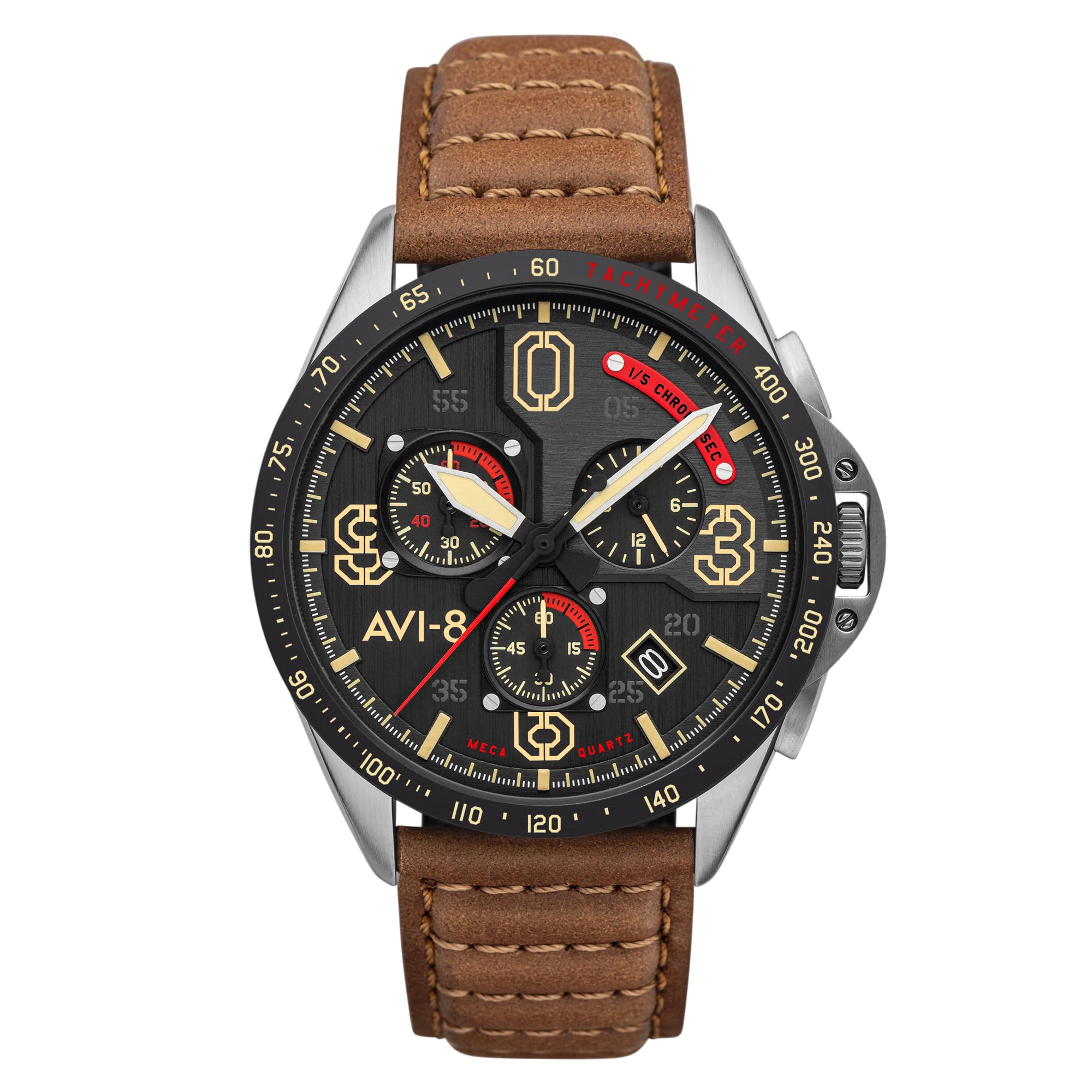
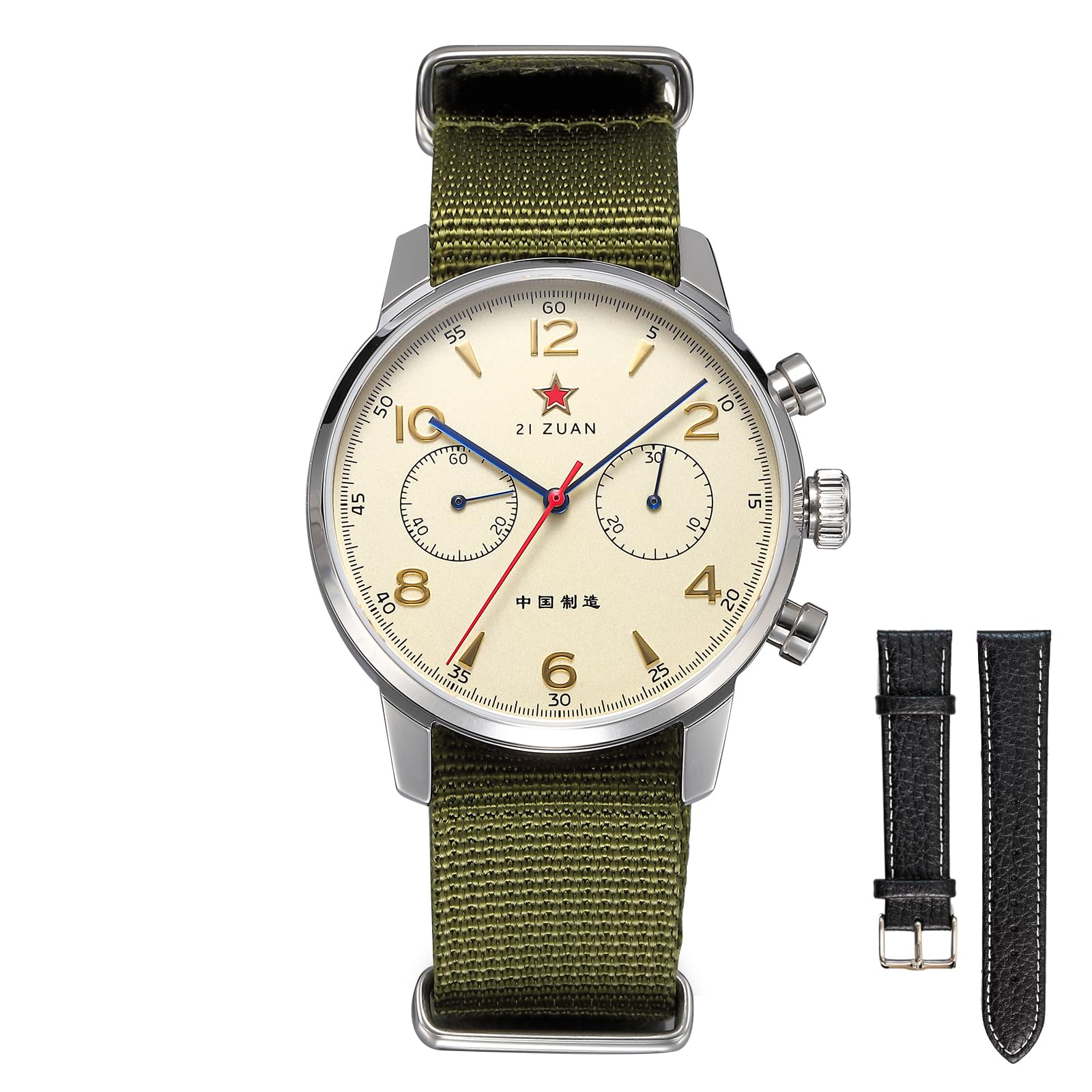
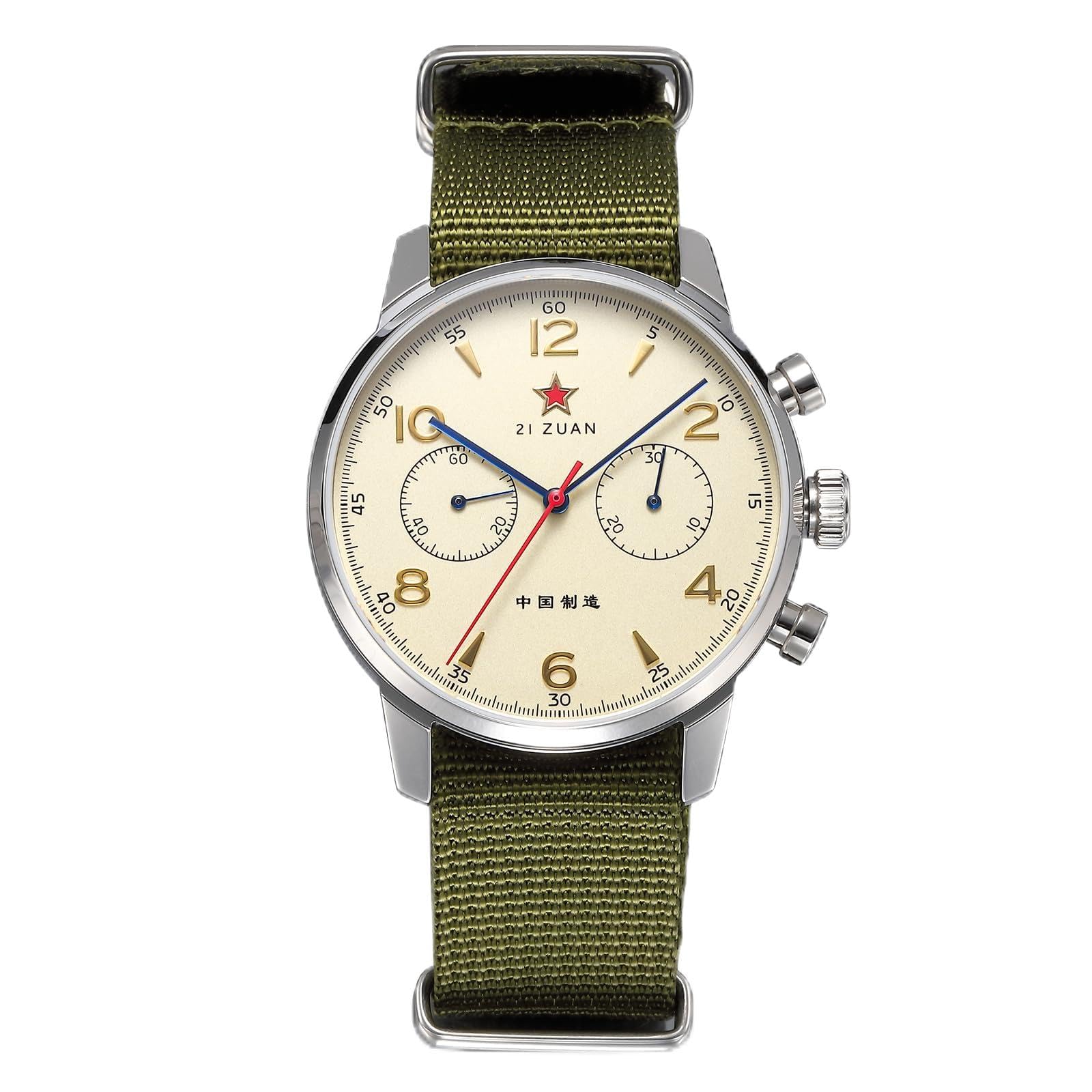


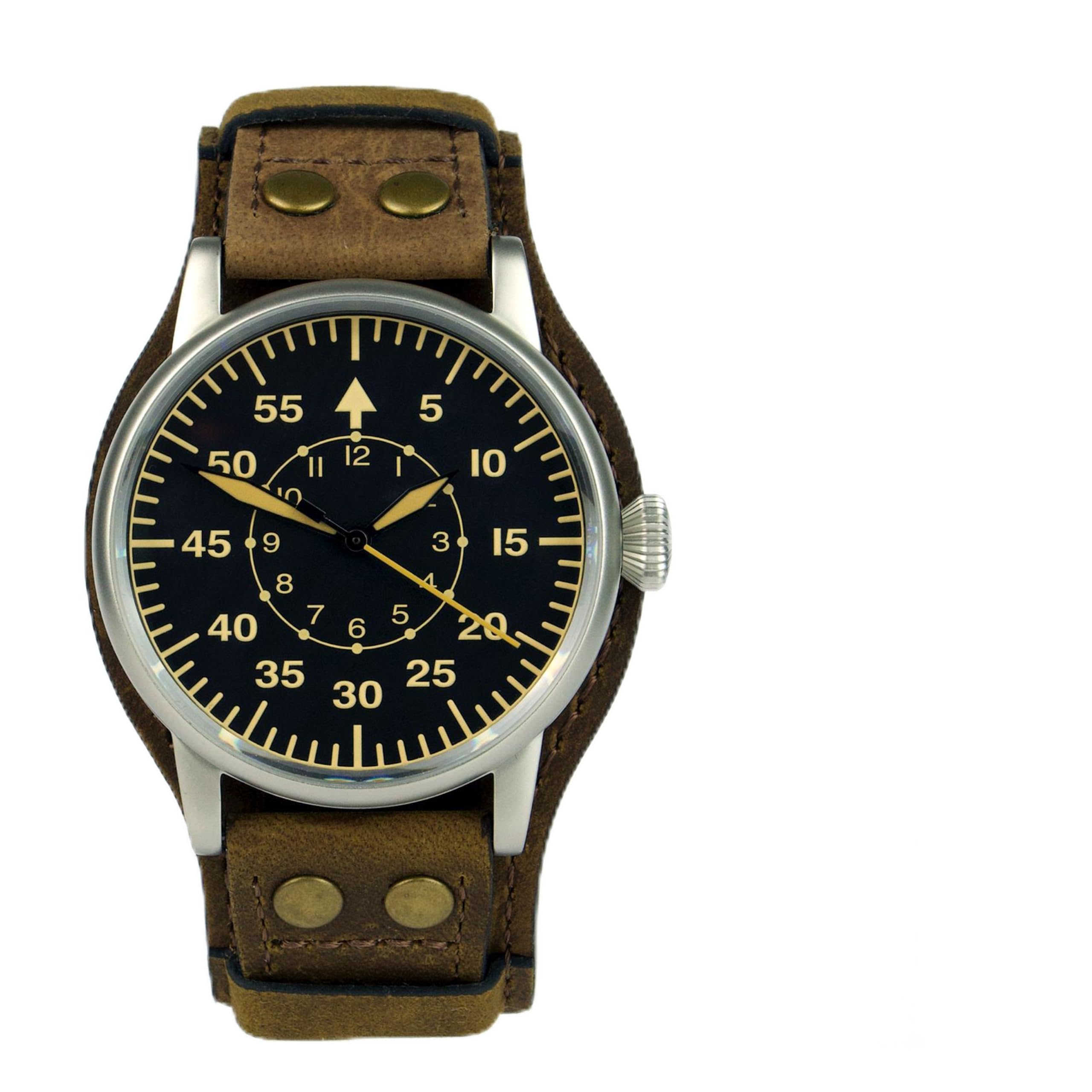

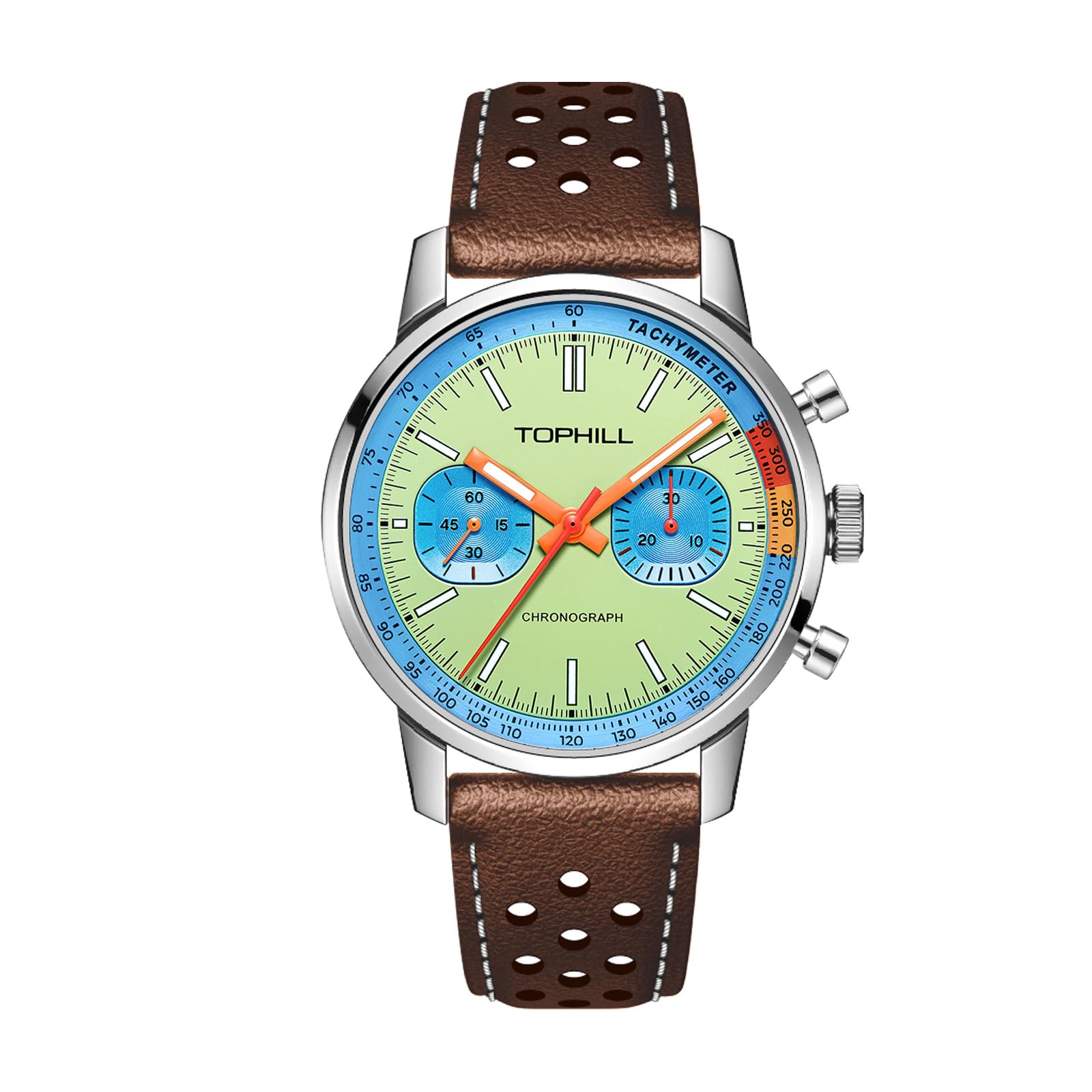

Types of Aviation Watches Compared
Three types cover most affordable choices. Smartwatches lead on data and flight tools, solar watches lead on low upkeep, and automatic watches lead on classic feel and long service life. Typical prices overlap, so your daily habits should decide. If you also want style first options for everyday wear, our guide to the best looking affordable watches covers looks in more depth.
Smartwatches
A smartwatch pairs with your phone and can show notifications, GPS position, altitude style data from sensors or apps, timers, and multiple time zones at once. That makes it the most flexible type for student pilots, frequent travelers, and anyone who already uses flight apps. The limits are battery life measured in days rather than years, screens that can be hard to read in bright sun on some models, and software support that ends sooner than a classic watch. Expect to charge often and replace the watch sooner.
Solar Watches
A solar watch uses light through the dial to charge a rechargeable cell, so it can run for months on a full charge and rarely needs a battery swap. Most use quartz timing, which is very accurate and needs little care. For aviation use, look for clear numerals, strong lume for low light, and a second time zone or GMT hand if you cross zones often. The main limits are fewer smart features and a dial design that must let light through, which can rule out some styles.
Automatic Watches
An automatic watch is powered by a mainspring wound by your wrist motion, with no battery at all. It appeals to buyers who enjoy mechanical craft, a smooth sweeping second hand, and a watch that can be serviced and kept for decades. Accuracy is lower than quartz, often off by several seconds a day, and it stops after a day or two off the wrist. It suits enthusiasts and gift buyers more than pilots who need exact timing and alarms in the cockpit.
Smartwatches vs Solar Watches: Which Should You Choose?
Compare these two on five points. For battery, solar wins easily, running for months while a smartwatch needs charging every few days at best. For data, the smartwatch wins, with GPS, apps, and alerts a solar watch cannot match. For readability, a simple solar dial is often clearer at a glance, while a smartwatch can show more but in smaller text. For lifespan, solar hardware ages slowly, while smartwatch software and batteries age faster. For cost, both start at similar prices around $100 to around $300, so choose by habit: pick solar if you hate charging, and pick smart if you will actually use the flight and travel tools. Readers focused only on cockpit features can also see our guide to the best aviation watches for the wider category.
How to Choose the Right Aviation Watch
Case Size and Wrist Fit
Most aviation watches fall between 38 and 44 mm in case diameter, and fit matters more than the number alone. Measure your wrist, then check the lug to lug length, because a watch that overhangs your wrist will feel bulky even at a modest diameter. Thickness matters too, since a tall case catches on jacket cuffs and cockpit edges. Try to picture the watch under a sleeve you wear often. A slightly smaller case with a clear dial usually reads faster than an oversized case with crowded markings.
Brand Reputation, Warranty, and Value
A known maker with US service support protects your money better than an unknown label with a slightly lower price. Check the warranty length, whether battery or movement service is available locally, and whether spare straps and crystals are easy to find. Resale value is modest at this level, so buy to wear, not to invest. If you are comparing general wristwatch value beyond aviation styles, our guide to the best affordable wrist watches gives useful background on brands and warranties.
What You Can Realistically Get on a Budget
For around $100 to around $300 you can realistically get a clear dial, solid water resistance, a reliable quartz, solar, or entry automatic movement, and a comfortable strap. What often gets cut is sapphire crystal, which resists scratches better than mineral glass, and refined finishing on the case and bracelet. Do not save money by accepting weak lume or unreadable subdials, because quick reading in poor light is the whole point of this style. Save instead on exotic strap materials and extra complications you will not set.
Movement Type (Quartz, Automatic, Solar, Smart)
Movement type decides accuracy, upkeep, and cost over time. Quartz is the most accurate and cheapest to own, needing only a battery change every couple of years. Solar is quartz timing with light charging, so upkeep is even lower. Automatic is mechanical, less accurate, and needs periodic service, but many owners love the craft. Smart movements trade lifespan for features and need frequent charging. Match the movement to your patience: the less you enjoy maintenance, the more quartz or solar makes sense.
One more practical check is strap choice. A quick release strap lets you swap between a formal bracelet and a rugged fabric band in seconds, which suits travelers who go from cockpit to dinner. Leather looks classic but ages fast with sweat and rain, while steel and fabric handle daily wear better. Pick the strap for your wettest, roughest normal day, not your best day.
How to Make Your Aviation Watch Last Longer
Simple habits add years to any type. Have an automatic watch serviced about every 5 to 7 years, or sooner if timing drifts badly or water resistance is in doubt. Rinse any watch after saltwater exposure with fresh water and dry it fully, even if it carries a strong water resistance rating. Store watches away from strong magnets, which can affect mechanical movements, and keep solar models in light rather than a dark drawer for months. Replace worn straps early, since a failed spring bar can drop the watch. For broader budget options across styles, see our guide to the best affordable watches for men.
Aviation Watches: Your Questions Answered
How water resistant should a watch be?
For daily wear and rain, a rating around 50 meters is a sensible floor, and around 100 meters is better if you swim with the watch. Ratings are measured in still water under controlled conditions, so real movement in water adds pressure beyond the number on the dial. Never press buttons underwater unless the maker says you can. If you dive, choose a proper dive watch instead of relying on an aviation model.
What case size fits my wrist?
Your wrist size and the lug to lug length together decide fit better than diameter alone. As a rough guide, slimmer wrists often suit 38 to 40 mm cases, while larger wrists can carry 42 to 44 mm comfortably. The lugs should sit within the width of your wrist without overhang. If you buy online, measure a watch you already own and compare all three numbers before ordering.
How long does a watch battery last?
A standard quartz battery often lasts about 2 to 3 years, depending on features such as alarms, lights, and chronograph use. Solar models avoid routine swaps because light recharges the cell, though the cell itself can weaken after many years. Smartwatches are different: their rechargeable batteries last days per charge and lose capacity over a few years. Factor replacement cost and local service into any low purchase price.
Is a smartwatch worth it over a classic watch?
A smartwatch is worth it if you will use GPS, flight logging, weather alerts, or phone notifications every week. If those tools sound like novelties, a classic watch will serve you longer with far less charging and no software expiry. Many travelers own both and switch by trip. For current connected options, our guide to the best affordable smart watches explains the feature trade offs in detail.
Quartz or automatic: which is better?
Neither is better for everyone, because they optimize different things. Quartz is more accurate, tougher on a budget, and ready to wear after weeks in a drawer. Automatic offers mechanical charm, no battery changes, and long term serviceability, at the cost of accuracy and servicing. Choose quartz for a tool you depend on daily, and automatic for a watch you enjoy owning and wearing often.
Our Verdict
Decide the type first, then check fit on your wrist, then confirm lume, water resistance, and warranty. Those three steps filter out most poor choices at this price. Picked that way, the best affordable aviation watches are the ones you can read at a glance and forget about maintaining. Use the product table above to compare your shortlist by type and price before you buy.


