
Best Affordable 10 Inch Tablets: Every Type Explained Side by Side for 2026
Disclosure: We may earn a commission when you buy through links on this page, at no extra cost to you. As an Amazon Associate I earn from qualifying purchases. Learn more
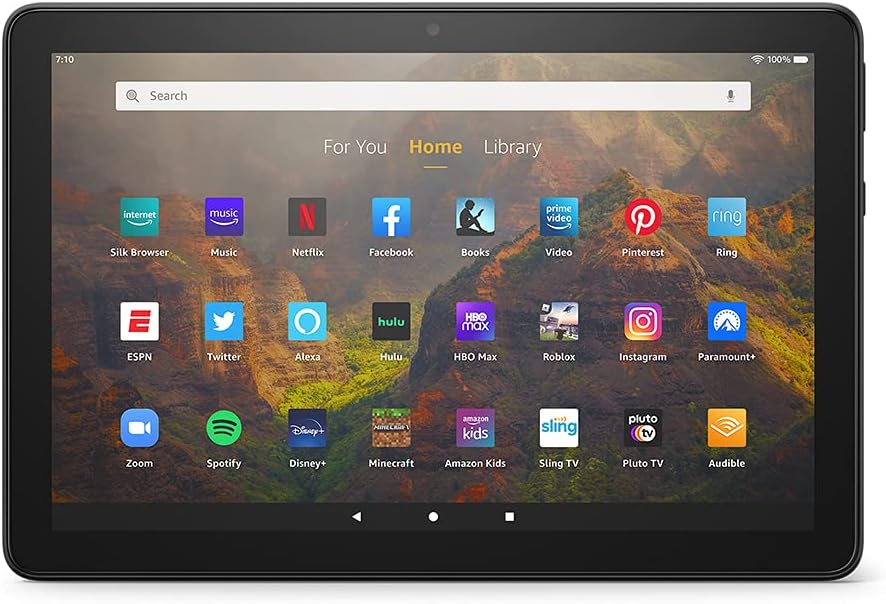
Compare the best affordable 10 inch tablets by type, pros and cons, ideal users, and price range in a clear and practical guide.
A 10 inch screen sits in a sweet spot, large enough for split screen notes and video, yet light enough for a couch or a train seat. The confusion starts when similar looking slates differ sharply in speed, software, and accessory costs. This guide to the best affordable 10 inch tablets compares each type clearly so you can buy once and buy well.
You will learn how a plain tablet stacks up against convertibles, Chromebooks, and gaming laptops. Start with the comparison table below, then work through the buying checks that matter most at a modest budget.

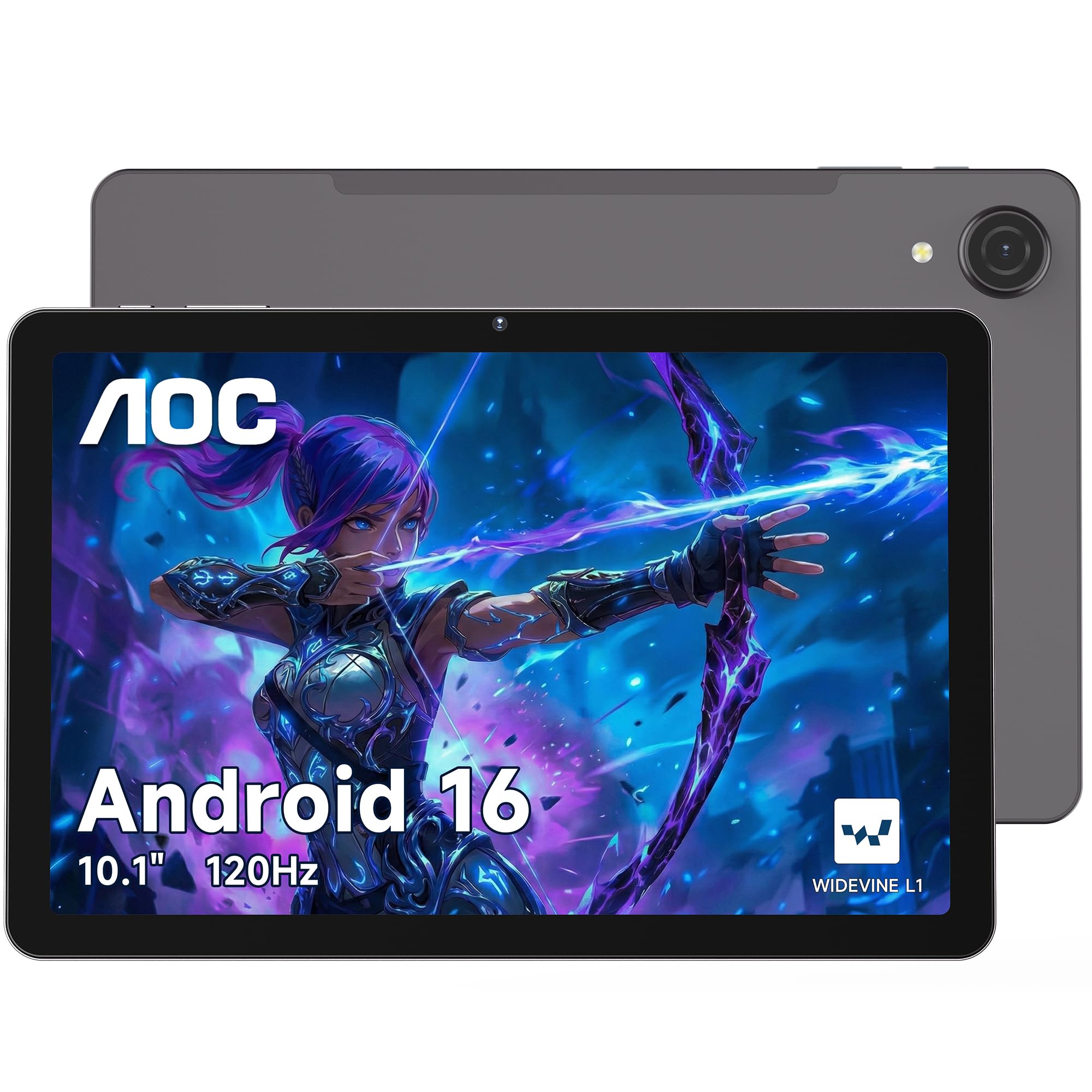
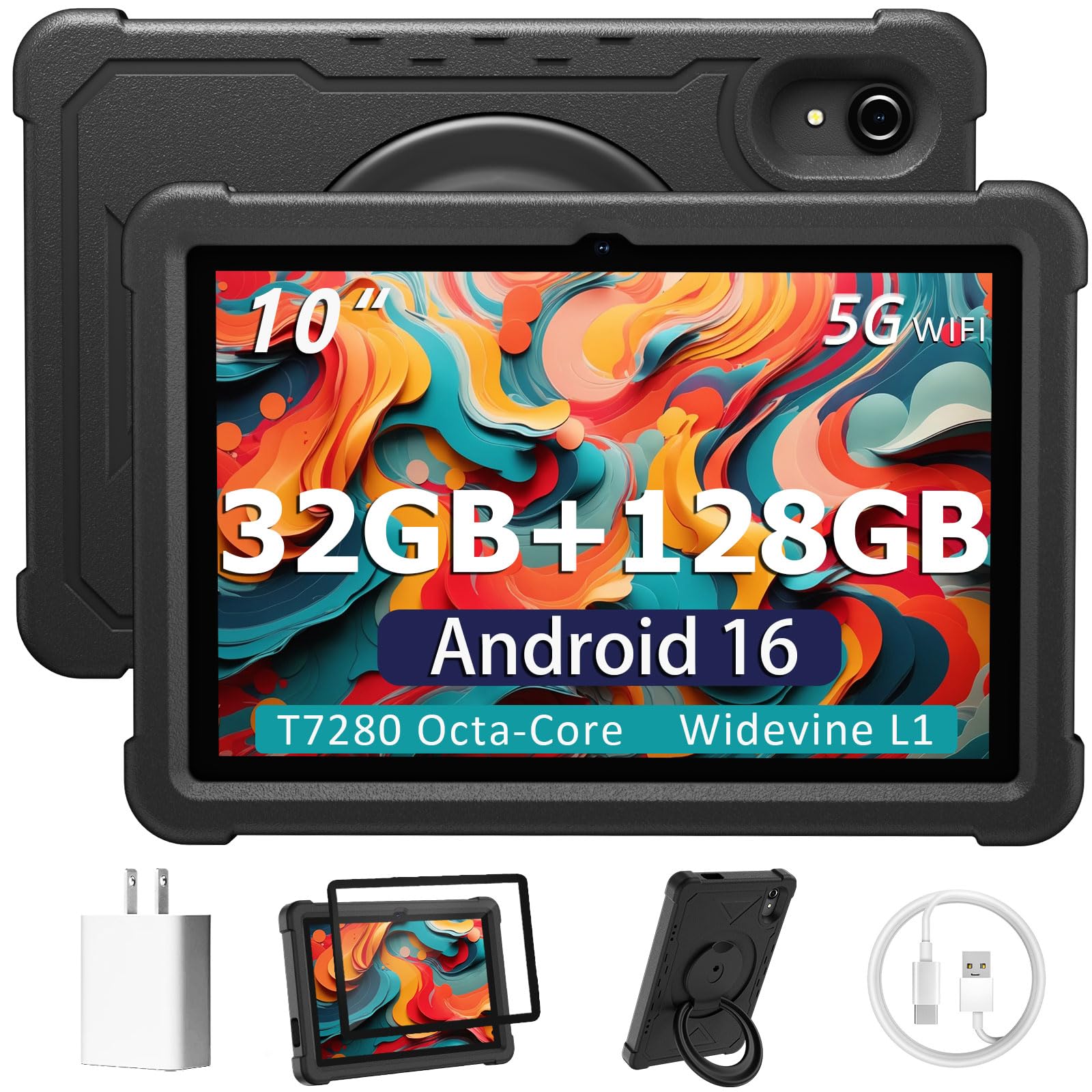
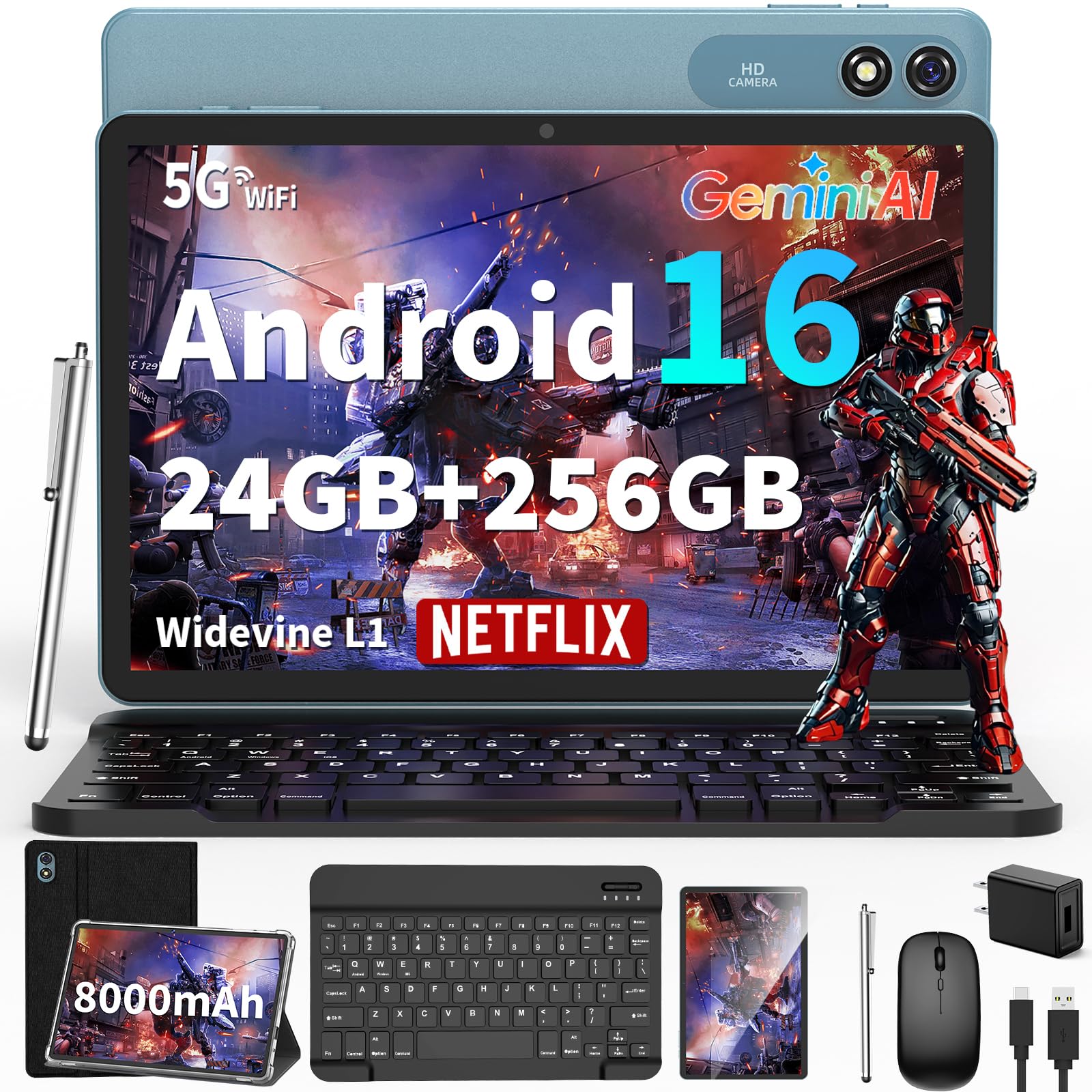
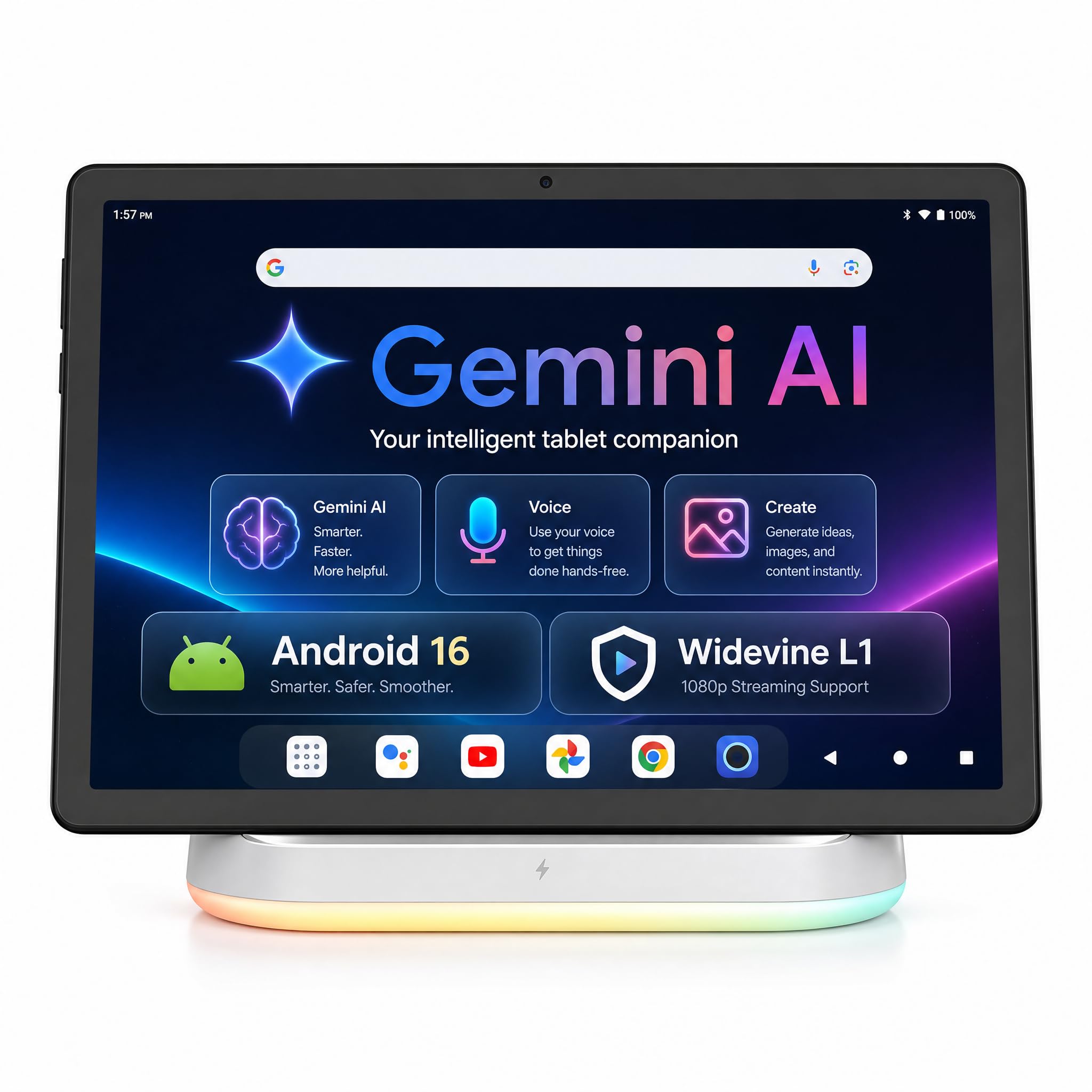
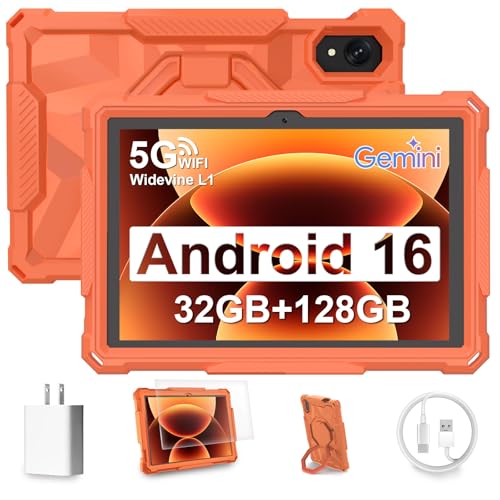
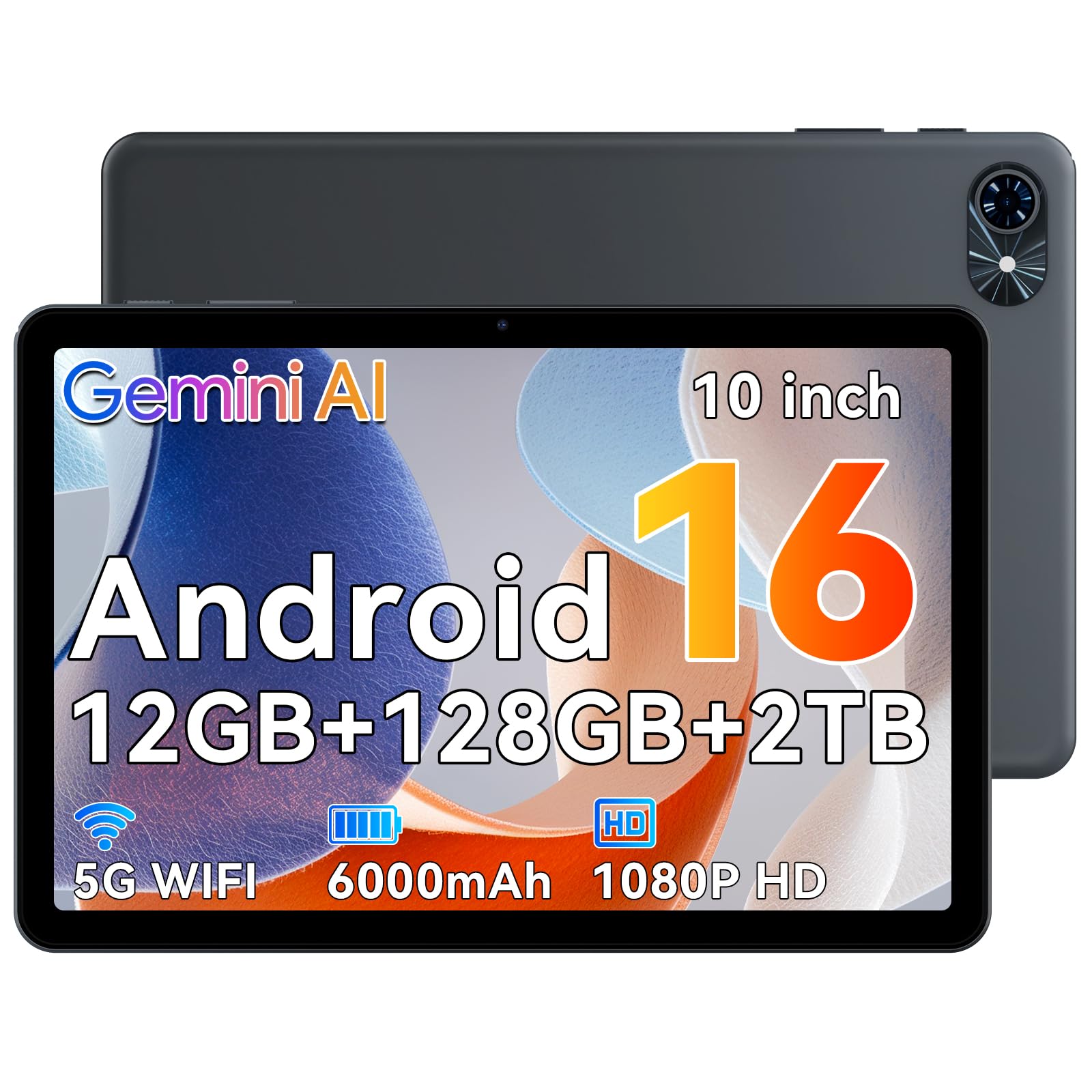
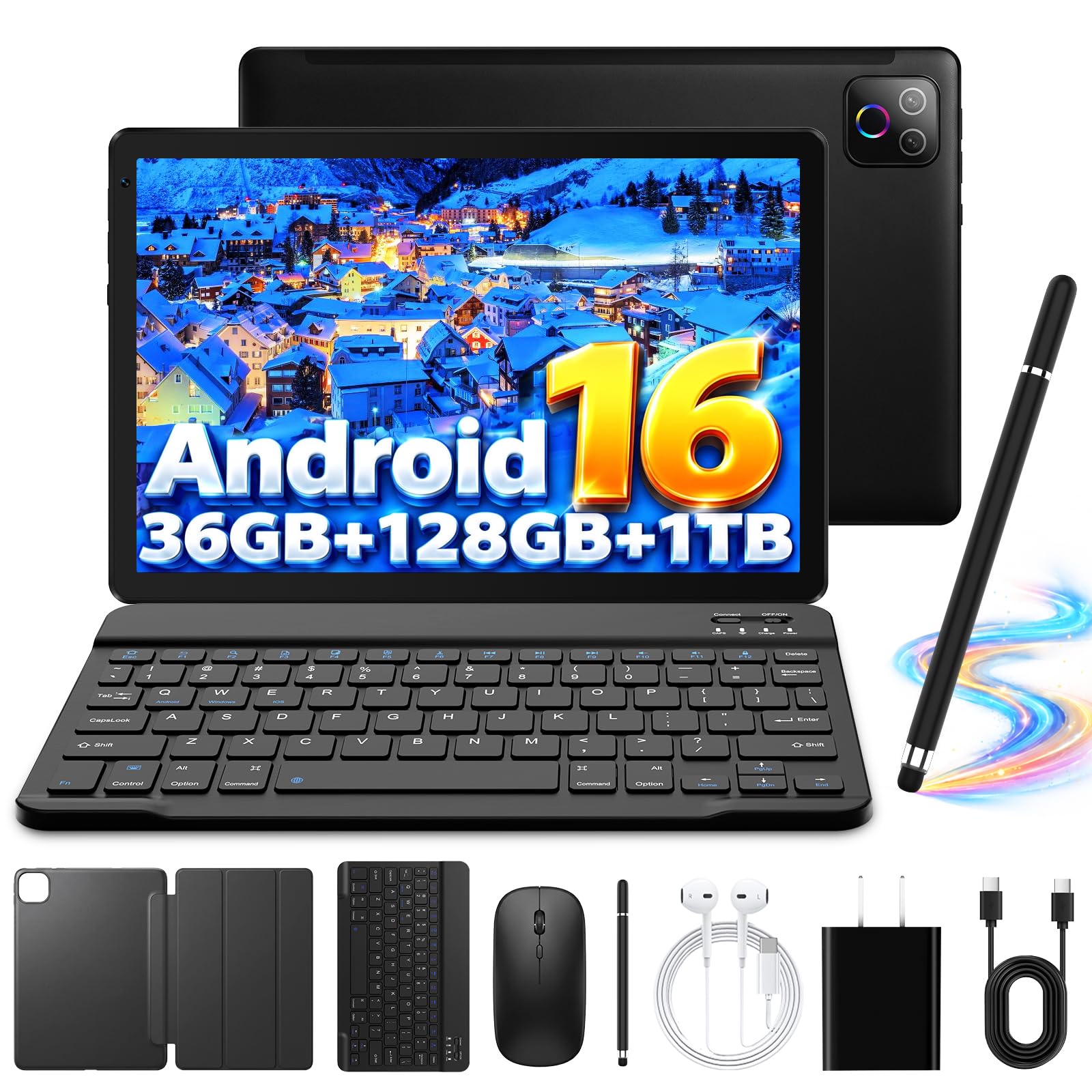
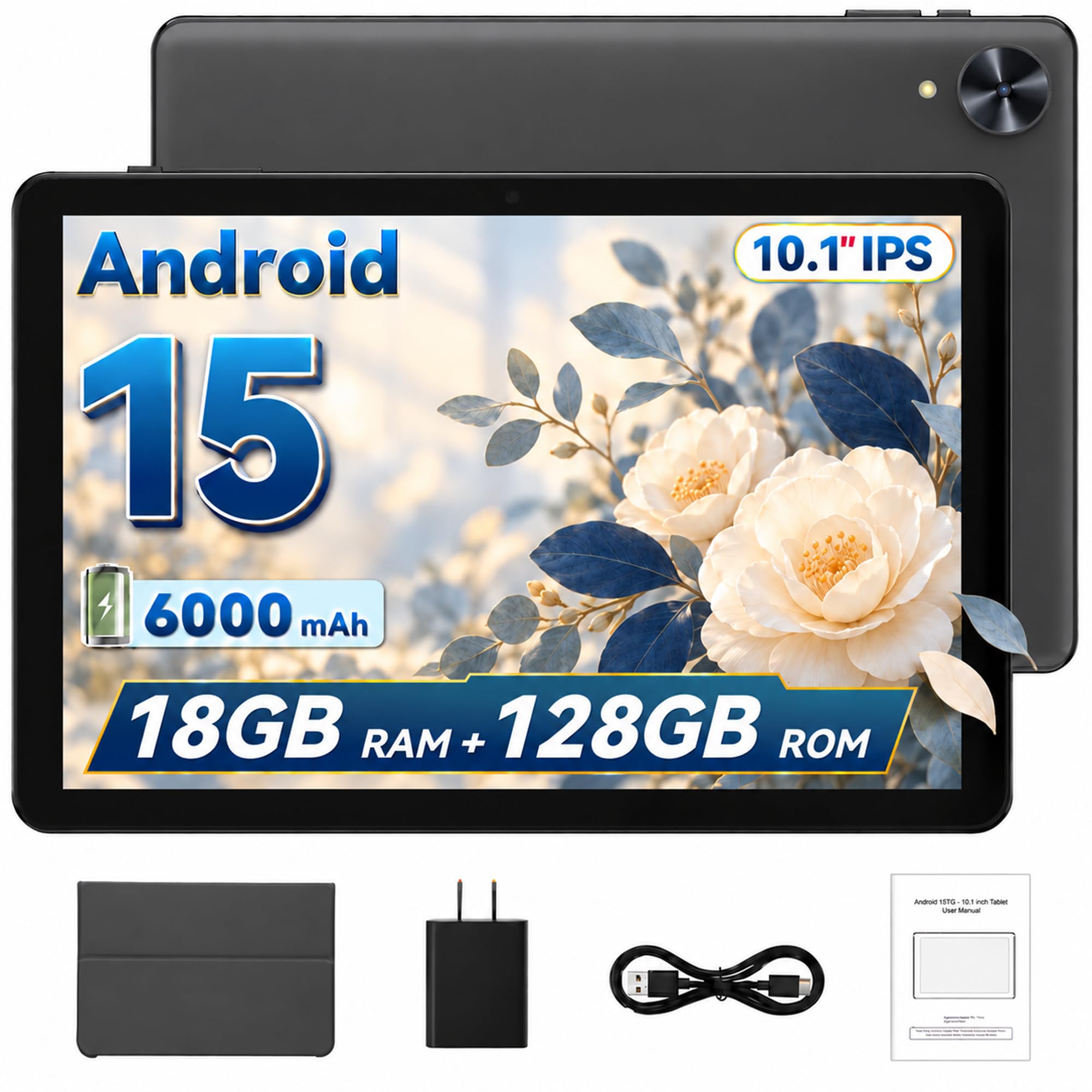
How 10 Inch Tablets Compare to Other Options
Think of a plain 10 inch tablet as a focused media and light work device, not a full laptop replacement. Other options add keyboards, different operating systems, or far more power, and each addition changes price and weight. The three comparisons below show where a simple slate wins and where it does not.
10 Inch Tablets vs 2 in 1 Convertibles
A 2 in 1 convertible adds a hinged or detachable keyboard and often a trackpad, so typing long documents feels far more natural. That flexibility costs more and adds bulk, and many budget convertibles use slower storage that feels less responsive. A plain tablet stays lighter, starts faster for video and reading, and usually gives you a better display for the money.
Choose a convertible if you type for hours each day or need desktop style software. Choose a plain tablet if your main jobs are streaming, browsing, ebooks, video calls, and light email with only short bursts of typing.
10 Inch Tablets vs Chromebooks
Chromebooks run a browser focused system with a built in keyboard, strong battery life, and simple updates, which suits school and office web work well. Their screens at low prices can look dimmer, and offline app choice is narrower than on a tablet. A tablet offers better touch apps, better cameras for calls and scans, and easier handheld use.
If you need a shared family laptop for homework and documents, a Chromebook may serve you better. If you read, watch, and travel with the device in one hand, the tablet format wins. For a broader view of the size class, see our guide to the best 10 inch tablets and note how prices rise with storage and display quality.
10 Inch Tablets vs Gaming Laptops
Gaming laptops bring dedicated graphics, fast processors, and large fans for demanding games and video editing, at several times the price and weight. A budget tablet cannot match that power, and it is not meant to. It runs mobile games, cloud gaming streams, and everyday apps quietly, with no fan noise and far longer unplugged time.
Buy a gaming laptop only if you play demanding titles or edit long video projects each week. For everyone else, the tablet covers daily tasks at a fraction of the cost, and the money saved can fund a good case, a stylus, or extra storage.
Who Should Choose 10 Inch Tablets?
Students who read PDFs, watch lectures, and take light notes will get strong value here, especially with a stylus and a Bluetooth keyboard for essays. Families also do well, since one slate can handle streaming, video calls with relatives, recipes in the kitchen, and simple games for kids with parental controls turned on.
Frequent travelers benefit from the low weight and long battery life, plus USB C charging shared with many phones. You should look elsewhere if you need complex spreadsheets all day, professional photo editing with calibrated color, or software that only runs on a desktop system.
Shoppers who prefer the Android app store should compare options in our guide to the best android tablets 10 inch range, since update support and screen quality vary widely between brands at this price.
How to Choose the Right 10 Inch Tablet
At a low price, every spec is a trade off, so protect the things you cannot upgrade later. Processor speed, display quality, and storage matter daily, while cameras and speakers matter less for most buyers. The checks below follow that order.
Processor and Performance Tier
A capable mid tier processor with at least 4 GB of RAM keeps browsing, video, and light multitasking smooth, while 6 to 8 GB helps if you split the screen often. Entry chips can feel fine in a store demo yet slow down once your apps and photos fill the device. Look for recent generation chips rather than headline core counts.
Storage type matters too. Faster storage opens apps and files more quickly, and 128 GB gives most users room to grow. If a model offers only 64 GB, confirm it accepts a memory card for media before you buy.
Keyboard, Trackpad, and Build
Most plain tablets have no built in keyboard, so budget for a Bluetooth keyboard or a folio with keys if you will write often. Check key spacing and stability on a lap, since flimsy folios flex and slow typing. A separate mouse can stand in for a trackpad when you work at a desk.
Build quality shows in frame flex, button feel, and how evenly the back panel sits. An aluminum body resists dents and feels cooler in hand, while a plastic body keeps weight and cost down and hides scratches well. Either can last if you use a padded case.
What You Can Realistically Get on a Budget
For around $150 to $300, expect a bright enough HD or sharper display, solid WiFi, a full day of mixed use for many models, and speakers fine for video calls and shows. Expect limits in gaming power, camera quality in dim light, and the speed of large file transfers. Do not cut corners on the display or on update support to save a small amount.
Accessories change the real total, so add a case and screen protection to your budget from the start. A slightly slower tablet in a safe case will outlast a faster one carried bare in a backpack.
Ports and Connectivity
USB C is the port to insist on, since it handles charging, data, and often video output to a monitor or TV. Some models still limit USB C to charging and slow transfers, so check the listing details if you plan to use a dock. A headphone jack remains handy for wired earbuds on flights and for kids.
For wireless, WiFi 6 support helps on busy home networks, and Bluetooth 5 or newer pairs more reliably with keyboards and earbuds. If you need mobile data on the go, a cellular model costs more and needs a data plan, so most buyers should use phone tethering instead.
If your work needs desktop programs, look at our guide to the best 10 inch windows tablets before you decide, since the operating system shapes what software you can run far more than the screen size does.
Battery Life in Real World Use
Maker claims often assume low brightness and video playback only, so expect less in mixed use with browsing, calls, and apps. A battery around 7,000 to 8,000 mAh in this size class commonly gives a full day of light use or a long travel day of video. Fast charging over USB C shortens top ups between classes or flights.
To stretch runtime, lower brightness indoors, download shows before travel, and close heavy apps running in the background. Heat shortens battery health over time, so avoid leaving the tablet in a hot car or charging it under a pillow.
Tips to Get the Most From Your 10 Inch Tablet
Keep the operating system and firmware updated, since updates fix security issues and often improve battery behavior. Avoid holding the battery at a full charge all the time on a desk dock, and use a padded sleeve when commuting to protect corners and the screen. Back up photos and school or work files to cloud storage each week.
A simple home screen layout speeds daily use. Keep your five most used apps on the first screen, turn on automatic brightness only if it behaves well in your rooms, and set a clear lock screen so a lost tablet does not expose your accounts.
If screen space for side by side documents is your pain point, compare your needs with our guide to the best tablets over 10 inches before you settle, since a larger display can change how useful split screen feels.
Shoppers comparing phrasing across listings may also find our guide to the best tablets with 10 inch screen helpful for confirming panel type, resolution, and weight in one place.
FAQs
Is a Chromebook enough for school?
Yes, a Chromebook is enough for school when work lives in a browser, including documents, email, and video classes. It is less ideal for art apps, offline reading in hand, or scanning worksheets with a rear camera. Many students do best with a Chromebook for typing and a tablet for reading and media.
Is a dedicated GPU worth it?
A dedicated GPU is not worth it for a budget tablet buyer, since tablets rely on integrated graphics built for efficiency. It matters only in laptops for demanding games, 3D work, or heavy video editing. In a tablet, spend that money on a better display, more RAM, or more storage instead for a clearer daily gain.
Should I buy a laptop or a tablet?
Buy a tablet if your days center on reading, video, browsing, calls, and light notes. Buy a laptop if you type for hours, manage many files, or need specific desktop software for work or school. Think about your longest task each week, and let that task decide the format.
How much RAM do I need?
Most buyers need at least 4 GB of RAM, with 6 to 8 GB giving smoother split screen use and longer useful life. With 3 GB or less, apps reload often and multitasking feels slow within a year or two. Pair RAM with storage, since a full device slows down even with enough memory.
How long should a 10 inch tablet last?
A well kept tablet should last about three to five years, limited mainly by battery wear and the end of software updates. Check how many years of security updates the maker promises before you buy. A replaceable case, a fresh battery saving routine, and enough free storage all help the device stay usable longer.
Final Thoughts
Protect the display, the processor, and update support, and let cameras and novelty features fall where they may. That order keeps a low price tablet feeling fast and pleasant for years. Compare your final short list in the product table above, including the cost of a case and any keyboard you need.
Chosen that way, the best affordable 10 inch tablets give you a light, capable screen for learning, travel, and downtime without draining your budget.


