
Best Affordable Windows Tablets: Which One Fits the Way You Use It? for 2026
Disclosure: We may earn a commission when you buy through links on this page, at no extra cost to you. As an Amazon Associate I earn from qualifying purchases. Learn more

Discover the best affordable windows tablets for your needs. We match features to real use cases so you avoid overpaying and get the right fit the first time.
A Windows tablet can be a travel laptop, a note taking companion, a media screen, or a light work machine, and the right specs change completely with the job. Buying by headline price alone usually means paying for power you never use, or saving money on the one part you needed most.
This guide matches the best affordable windows tablets to real use cases first, then explains the features behind each match. Browse the comparison table below for the price range, then find the group below that sounds like your week.
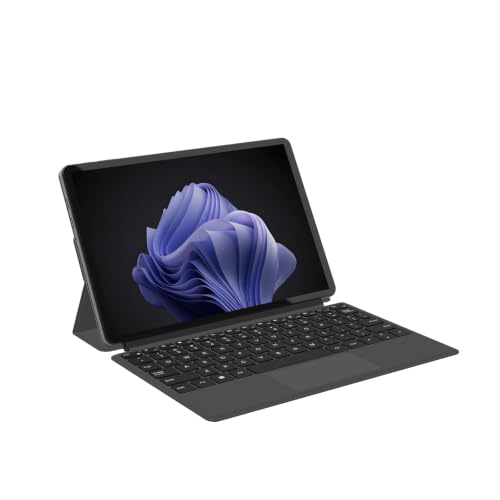


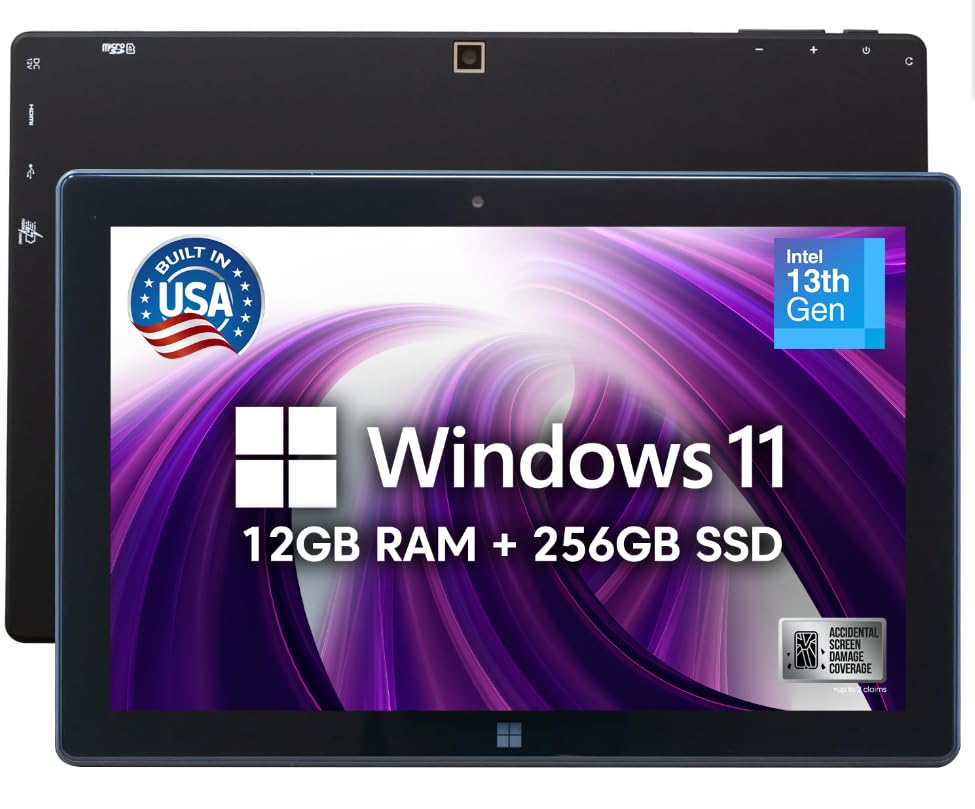

Who Should Buy Which Windows Tablets?
For Gamers and Power Users
Honesty first: an affordable Windows tablet is a light gaming machine, suited to older titles, indie games, and cloud streaming rather than demanding new releases. Prioritize the strongest processor in your budget, 16 GB of RAM, and a fast SSD so games and large apps load quickly. A higher refresh rate screen and low latency stylus or controller support help fast games feel responsive. Keep expectations set on settings: medium detail at the native resolution is the realistic target, and a cooling stand improves comfort during long sessions at a desk.
For Travelers and Commuters
Weight decides everything for this group. Look for a tablet under about 2 lb with the keyboard attached weight stated clearly, because detachable keyboards add more than listings suggest. Battery life of eight hours or more, USB C charging shared with your phone charger, and a sturdy kickstand all matter daily. A padded sleeve and a screen protector are cheap insurance against bag knocks. Storage of 256 GB keeps travel media offline without juggling cards, and a bright screen readable near windows makes trains and cafes workable.
For Students and Everyday Users
Students need stability, battery life, and a price that leaves room for the keyboard and pen. A mid range processor with 8 GB of RAM handles documents, browser research, video lectures, and video calls without fuss. Prioritize a comfortable keyboard with a decent trackpad, since essays are typed, not tapped. A stylus with palm rejection makes handwritten notes and diagram marking genuinely useful. Around $300 to $500 covers this group well, and buying last season stock on sale is the classic student saving.
For Remote Workers and Creators
Remote work turns on small things: a sharp webcam, clear microphones, and a screen accurate enough for photo edits and slide design. Choose 16 GB of RAM if your day mixes video calls with many browser tabs and office apps. Port selection matters more here, with USB C, a full size USB port, and video output saving you from dongle clutter. Creators should check stylus pressure levels and color coverage figures in the listing. Reliability counts most of all, so favor brands with clear warranty terms and local service options.
Key Features to Compare
RAM and Storage
Treat 8 GB of RAM as the minimum for comfortable Windows use, and 16 GB as the right target if you keep many apps open or edit photos. Storage should be a proper SSD, and 256 GB is the sensible floor once Windows, apps, and a photo library take their share. Avoid small 64 GB or 128 GB drives unless the tablet is purely a media and browsing device, because Windows updates alone can squeeze them. A microSD slot softens a small drive for files, though apps still prefer internal storage.
What You Can Realistically Get on a Budget
Around $250 to $400 buys a capable tablet with 8 GB of RAM, a 128 GB to 256 GB SSD, and a decent full HD screen, with the keyboard sometimes sold separately. Around $400 to $650 adds 16 GB of RAM, brighter and sharper displays, and better build quality. What budget rarely includes is a premium pen and keyboard in the box, so add those costs before comparing against a laptop. Never save money by accepting a slow eMMC drive in place of an SSD, because the whole machine feels sluggish as a result. Shoppers comparing the very bottom of the market can also read our guide to the best most affordable tablets for context.
Processor and Performance Tier
The processor sets the ceiling for everything else. Entry level chips handle browsing, documents, and streaming, but stutter when many tasks stack up. Mid range Intel Core and AMD Ryzen chips are the sweet spot for office work, study, and light creative tasks. Top tier chips in thin tablets can throttle under long heavy loads, so raw names matter less than sustained performance in a slim body. Match the tier to your heaviest weekly task, not your lightest, and the tablet will still feel quick in two years.
Battery Life in Real World Use
Advertised battery figures assume light use at low brightness, so expect real world results about a quarter lower with wifi on and the screen at working brightness. Eight hours of claimed life usually means a full workday of mixed use is just possible, while ten or more claimed hours gives comfortable margin. Fast charging over USB C is worth having, since a short top up during lunch can rescue an afternoon. Battery size in watt hours lets you compare across brands more honestly than hours alone.
Common Mistakes to Avoid When Buying Windows Tablets
- Judging by price alone. The cheapest tablet often hides a slow drive or 4 GB of RAM that Windows outgrows within a year.
- Ignoring RAM and storage. These two specs decide how the tablet feels daily, and neither can be upgraded later on most models.
- Forgetting the keyboard and pen cost. A tablet priced alone can end up costing laptop money once the accessories you need are added.
- Not checking the warranty. Screen and battery coverage varies widely, and tablets travel more than laptops, so terms matter.
- Buying too much screen. A large display sounds great until you hold it one handed on a train and feel the weight.
Buyers who want the wider category view, including higher priced models, will find our guide to the best windows tablets a useful next read.
How to Make Your Windows Tablet Last Longer
- Keep the OS and firmware updated. Updates patch security holes and often improve battery behavior and stylus response.
- Avoid running at 100% charge all the time. If the tablet lives on a desk, a battery limit setting around 80% slows wear on the cells.
- Use a padded sleeve when commuting. Most tablet damage happens in bags, not on desks, and a sleeve costs little.
- Leave storage headroom. Keeping about 20% of the SSD free helps Windows run updates and maintain drive speed.
- Clean vents and ports gently. Dust in a USB C port causes more charging faults than any software issue.
If your needs lean toward a fixed desk setup rather than touch and pen input, compare your shortlist with the convertible and slate options in our guide to the best pc tablets before you spend.
Frequently Asked Questions
Is a dedicated GPU worth it on a windows tablet?
For most buyers, no. Integrated graphics in current mid range chips handle streaming, office work, light photo editing, and older or indie games well. A dedicated GPU adds cost, heat, and weight that fight the point of a tablet, and it is rare at affordable prices anyway. Only buyers set on heavier gaming or video editing should chase one, and they are usually better served by a gaming laptop.
Is a Chromebook enough for school?
A Chromebook is enough when schoolwork lives entirely in a browser and school apps are web based. It falls short when a course needs specific Windows software, offline exam tools, or full desktop versions of office apps. Check the course software list before choosing. A Windows tablet also doubles as a general family computer after graduation, which stretches its value beyond school years.
Should I buy a laptop or a tablet?
Buy a tablet if touch, pen notes, reading, and media on the move are central to your day, and your typing comes in shorter bursts. Buy a laptop if you type for hours, need many ports, or want the most performance per dollar. Many detachable tablets with good keyboards split the difference for students and travelers, as long as the lap typing wobble of a kickstand design does not bother you.
How long should a windows tablet last?
A well chosen windows tablet should last four to five years. The battery is the usual limit, slowly losing capacity, while the screen and SSD rarely fail first. Choosing 16 GB of RAM and a 256 GB SSD at purchase extends useful life more than any other decision, because software demands grow every year. Treat the tablet gently and its second life as a media or kitchen screen can add years more.
How much RAM do I need in a windows tablet?
Choose 8 GB as the minimum for browsing, documents, and streaming, and 16 GB if you multitask heavily, edit photos, or plan to keep the tablet for four years or more. RAM cannot be upgraded in almost all tablets, so this is the detail to get right at purchase. Heavy browser tab habits are the most common reason 8 GB starts to feel tight sooner than expected.
Wrapping Up
Match the tablet to your main use case, protect the two specs you cannot change later, RAM and storage, and count the keyboard and pen in the real price. Do those three things and the right choice among the best affordable windows tablets becomes clear in the product table above, without overspending on power you will never touch.


