
Best Aerospace Engineering Laptops at Every Price: What Your Money Really Gets You for 2026
Disclosure: We may earn a commission when you buy through links on this page, at no extra cost to you. As an Amazon Associate I earn from qualifying purchases. Learn more

Compare the best aerospace engineering laptops by budget, with clear guidance on processors, graphics, memory, storage, displays, and battery life.
Aerospace engineering asks a lot of a laptop: three dimensional modeling, simulation, coding, and long documents, often in the same afternoon. Prices run from a few hundred dollars to well past three thousand, and the gap is not just speed. The best aerospace engineering laptops at each budget make different trade offs in graphics power, screen quality, and battery life. This guide shows what each price tier really delivers, which upgrades change your daily work, and which ones you can safely skip. Start with the comparison table below, then read the tier that matches your budget.
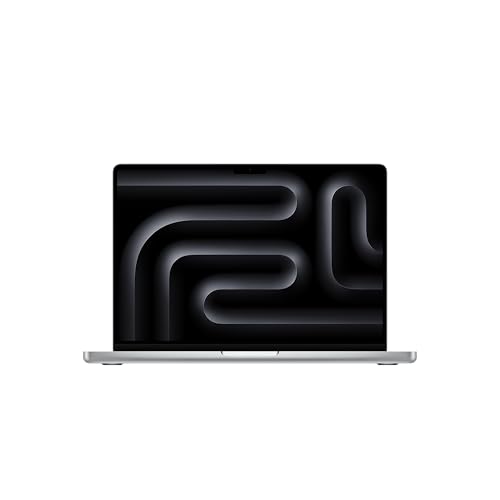
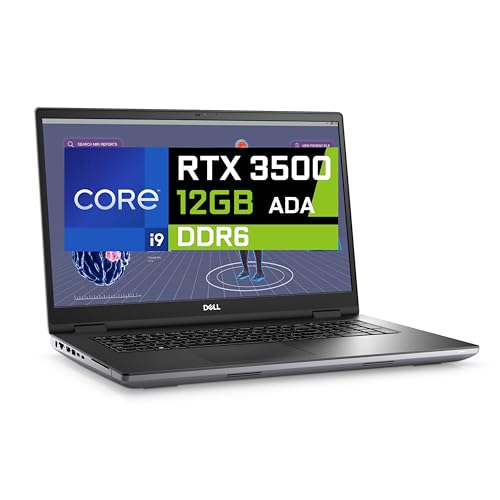
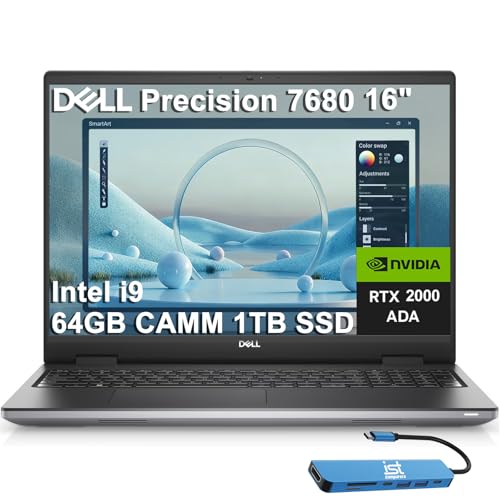
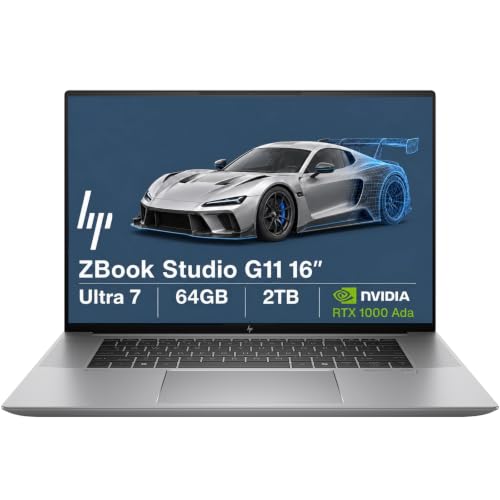
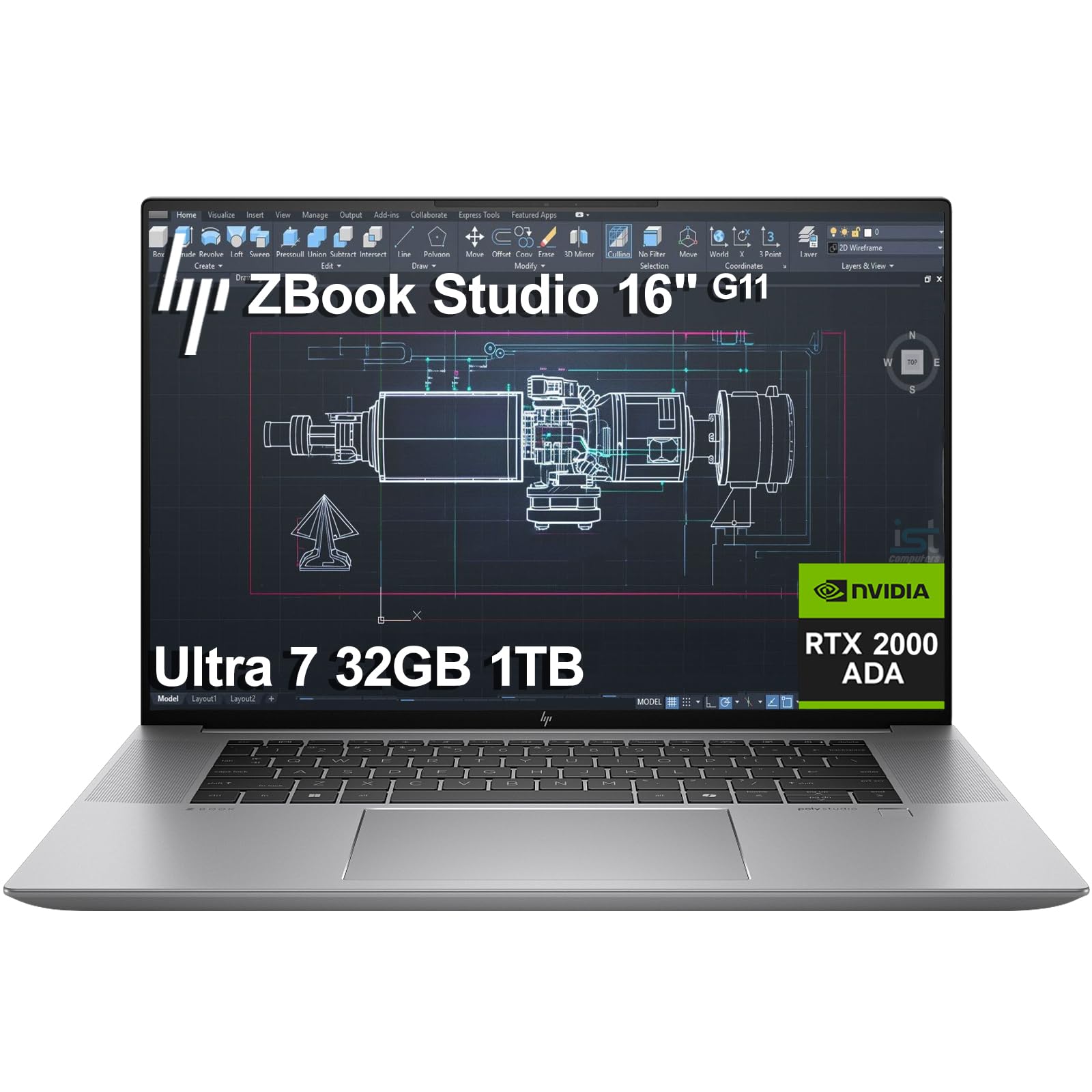
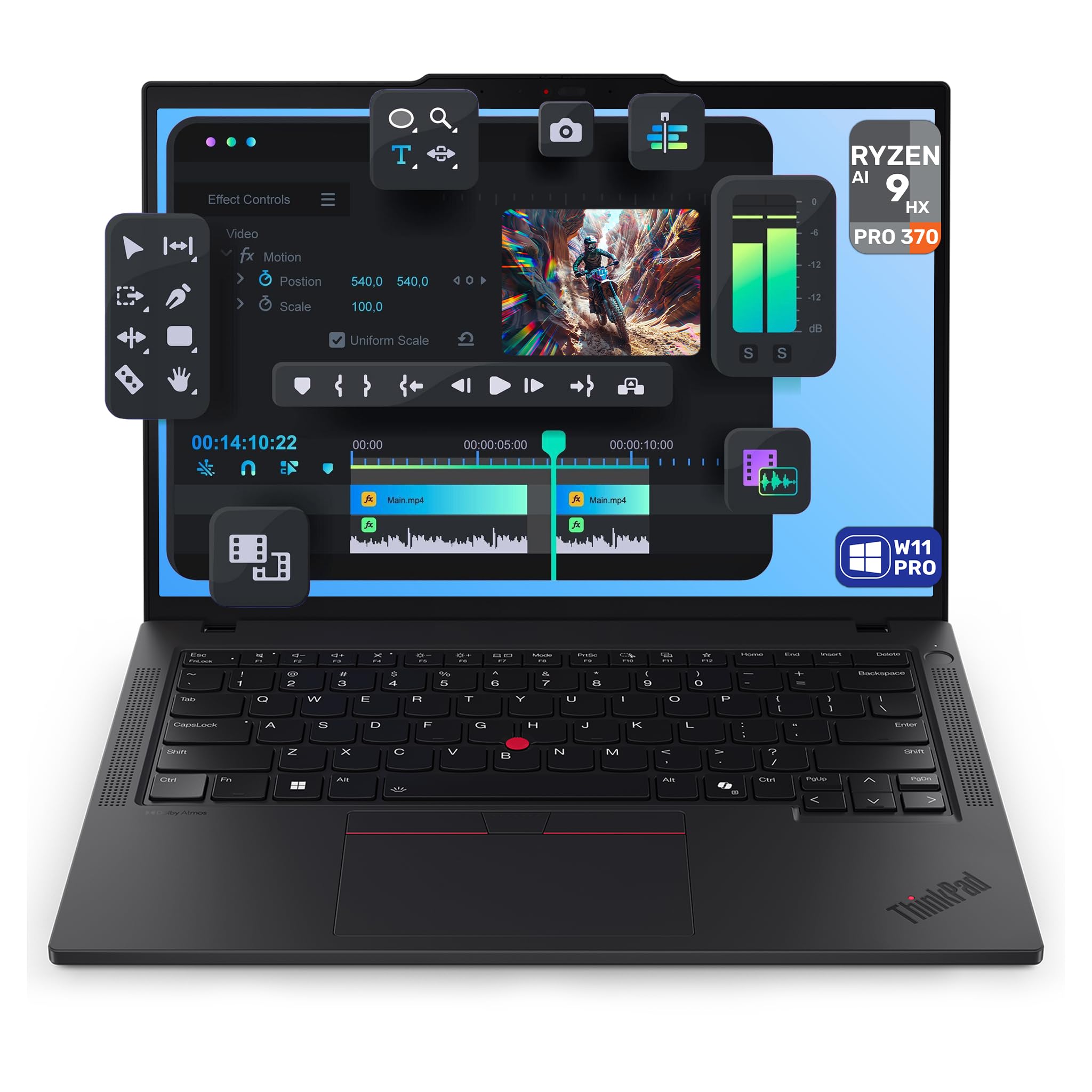
Top 3 Profiles by Budget
Rather than naming models that change every season, use these three profiles to recognize a good buy when you see one. Any laptop that matches its profile on processor, memory, storage, and graphics is a serious candidate, whatever badge it carries.
Best Budget Profile
Expect a current mid range processor, 16 GB of memory, a 512 GB solid state drive, and integrated graphics, at around $700 to $1,000. This profile handles coding, coursework, and moderate modeling assemblies well. Students comparing coursework loads can cross check our guide to the best laptops for aerospace engineering students. The limits appear in large simulations and heavy rendering, which run slowly, and in screens that are dimmer outdoors. Buy this profile when your program is mostly lectures, labs, and coding for the first two years.
Best Midrange Profile
The midrange profile adds a dedicated graphics card with its own memory, a faster processor with more cores, and often a brighter, sharper screen, at around $1,000 to $1,700. This is where simulation and modeling stop feeling like chores. Our broader roundup of the best engineering laptops shows how this tier compares across disciplines. The trade off is weight and battery life, since dedicated graphics draw more power. For most aerospace students and working engineers who model weekly, this profile is the one to stretch for if the budget allows.
Best Premium Profile
Premium machines, often around $1,800 to $3,000 or more, combine top tier processors, strong dedicated graphics, 32 GB of memory, and large fast storage with excellent screens and metal builds. They earn the price when you run computational fluid dynamics, finite element studies, or large assemblies daily and bill for your time. Portability improves too, since many premium models are thin for their power; our guide to the best notebook laptops shows the thin and light end of the market. The limit is simple: if your work is light, you paid for speed you will never feel.
What Your Money Gets You at Each Price Tier
Budget Tier: What to Expect
Budget machines cover the fundamentals honestly. Coursework, programming, data analysis in spreadsheets, report writing, and entry level computer aided design all run fine. What you give up is headroom: big assemblies stutter, simulations queue for a long time, and gaming level graphics tasks crawl. Build quality is usually plastic, keyboards are serviceable rather than great, and battery life under real load may be half the advertised figure. Treat a budget laptop as a strong two to three year tool, and confirm your university provides lab machines or remote desktops for the heaviest assignments.
Midrange Tier: The Sweet Spot for Most Buyers
Midrange is where each extra dollar still buys a clear improvement. A dedicated graphics card transforms modeling from sluggish to smooth, 16 GB of memory stops the slowdowns that hit when a browser, a chat app, and a model are open together, and screens gain the brightness and color accuracy that make long sessions easier on your eyes. Most buyers in this tier keep the machine for four or five years. If you can only upgrade one thing beyond the budget profile, upgrade the graphics, because it is the part you cannot change later.
Premium Tier: When Spending More Pays Off
Premium pricing buys time and calm. Simulations that took an hour may finish in twenty minutes, large assemblies rotate without lag, and 32 GB of memory lets you keep a simulation, a model, and reference material open at once. You also get better cooling, which means the speed you paid for holds up during long runs instead of fading as the machine heats up. Spending more pays off for graduate researchers, consultants, and anyone whose deadlines depend on compute time. For lecture and coursework use alone, it is money that would serve you better elsewhere.
Features Worth Paying For (and Ones to Skip)
Not every upgrade matters equally, and spec sheets are designed to make small differences look large. Judge the best aerospace engineering laptops by the five features below, in roughly this order, and be skeptical of paid extras that do not change how your software actually runs.
Battery Life in Real World Use
Advertised battery figures assume light web browsing at low brightness. Modeling and simulation can cut real runtime to a third of that number, so plan around wall outlets in labs and libraries. What is worth paying for is fast charging over USB C and a battery around the larger end of the range for the size class, because both reduce how often a dead battery interrupts your day. What you can skip is chasing the longest advertised figure in a powerful machine, since high performance parts and all day runtime rarely arrive in the same laptop.
RAM and Storage
Memory is the clearest line between tiers. Treat 16 GB as the working minimum for aerospace software, and 32 GB as the comfortable choice if you run simulations or keep large assemblies open. Storage starts at 512 GB for most students, while 1 TB suits anyone storing simulation results and project archives locally. A fast solid state drive matters more than raw capacity for daily feel, because models and programs load from it constantly. Check whether memory can be upgraded later, since a machine with an open slot ages far more gracefully.
Display Size, Resolution, and Brightness
A 14 to 16 inch screen balances workspace and portability for most engineers. Resolution at or above 1920 by 1080 keeps toolbars and model detail readable, and higher resolutions help when you compare two documents side by side. Brightness around 300 nits or more matters in bright labs and near windows. Color accuracy is a lower priority for engineering than for photo work, so you can skip paying extra for perfect color coverage. A matte finish that cuts glare is worth more to most students than a glossy panel with slightly richer blacks.
Operating System (Windows, macOS, ChromeOS, Android, iPadOS)
Windows remains the safest choice, because most engineering software for modeling and simulation is built and supported for it first. macOS suits coding and analysis well, but some required programs may need a lab machine, a remote desktop, or a virtual setup, so check your program requirements before you buy. Our guide to the best laptops for engineering majors shows how requirements shift across programs. ChromeOS, Android, and iPadOS devices make fine companions for notes and reading, yet they cannot carry a full engineering workload as your only computer.
Processor and Performance Tier
Look for a current processor with at least six cores from the mainstream performance families, such as the current Intel Core Ultra or AMD Ryzen lines, or a recent Apple silicon chip in a Mac. Single core speed drives much of your modeling responsiveness, while core count drives simulation and compiling times. Graphics deserve equal attention: a dedicated graphics card with its own memory is the single biggest step up for three dimensional work. Sibling fields make the same call, as our guide to the best mechanical engineering laptops explains for similar software.
Long Term Costs to Factor In
The purchase price is only part of ownership. Budget for an extended warranty or accident protection if the laptop travels daily in a backpack, since one cracked screen can cost a large share of a budget machine price. Add a backup drive or cloud storage, because a failed drive during project week is an academic emergency, not an inconvenience. Software is often free or discounted through your university, so confirm your licenses before paying for any. Finally, expect a battery replacement somewhere around year three or four on a heavily used machine, and treat that known cost as part of the plan rather than a surprise.
FAQs
Should I buy a laptop or a tablet for aerospace engineering studies?
Buy the laptop, because your core software for modeling, simulation, and coding needs a full desktop operating system, a keyboard, and real file management. A tablet is a useful second device for reading papers, marking up lecture slides, and taking handwritten notes, and many students add one later for exactly that role. If the budget forces one device, a laptop with a touchscreen gives you part of the tablet experience while keeping full software access, which is the compromise that leaves no coursework impossible.
Is a Chromebook enough for aerospace engineering school?
No, a Chromebook is not enough as your only machine for aerospace engineering. It handles writing, email, and browser based homework well, but it cannot run the desktop modeling and simulation programs your courses will require. Some students pair a Chromebook with university lab computers and remote desktops, yet that plan fails whenever labs are full or deadlines cluster. If you already own one, keep it as a light travel machine and put your main budget into a Windows laptop that meets the midrange profile above.
Is a dedicated GPU worth it for aerospace engineering?
Yes, a dedicated graphics card is worth it for most aerospace students, because it makes three dimensional models rotate smoothly and speeds up simulation and rendering work that integrated graphics handle slowly. The exception is a first year student whose program guarantees lab access for every graphics heavy assignment. One overlooked point is external monitors: a dedicated card usually drives two external screens at high resolution without strain, which turns a dorm desk into a far more productive workspace for comparing models with reference data.
How long should an aerospace engineering laptop last?
A midrange or premium aerospace laptop should last about four to five years, which conveniently matches a degree or a first job. Budget machines often feel slow by year three as software demands grow. Longevity depends less on the brand than on buying headroom at the start: memory and graphics you cannot upgrade decide when the machine feels old. Cleaning dust from vents once or twice a year and avoiding constant full charge storage both help the hardware reach that fourth and fifth year in good health.
How much RAM do I need for aerospace engineering?
You need 16 GB at minimum, and 32 GB if your budget and coursework allow it. Sixteen gigabytes covers modeling, coding, and coursework, but it fills quickly when a simulation, a browser with research tabs, and a video call run together. Thirty two gigabytes removes that juggling for years. If a machine you like ships with 8 GB, skip it for this field even at a tempting price, because memory limits show up as daily friction that no other upgrade can fix afterward.
Our Verdict
Set your tier by your heaviest weekly task, insist on 16 GB of memory and a fast solid state drive, and put graphics next on the list. The product table above collects those specs for a quick comparison. Judged that way, the best aerospace engineering laptops are not the priciest ones, they are the ones whose limits you never meet during your degree or your working week.


