
Best Adventure Touring Boots for 2026: Every Type Explained Side by Side
Disclosure: We may earn a commission when you buy through links on this page, at no extra cost to you. As an Amazon Associate I earn from qualifying purchases. Learn more

Compare adventure touring boot types by protection, waterproofing, fit and price, with a clear checklist for long road trips and mixed terrain rides.
Choosing boots for a trip that mixes highways, rain and gravel can feel confusing, because tall stiff pairs and short soft pairs promise different things. The best adventure touring boots for you depend on how much road, dirt and walking your trip holds. This guide compares each type by protection, comfort and price, so you can read the comparison table below with a clear short list in mind.
Start with your longest typical day. Picture the weather you cannot cancel, fuel stops on wet concrete, and the gravel stretch where you put a foot down at low speed. Those moments should decide the boot you buy.

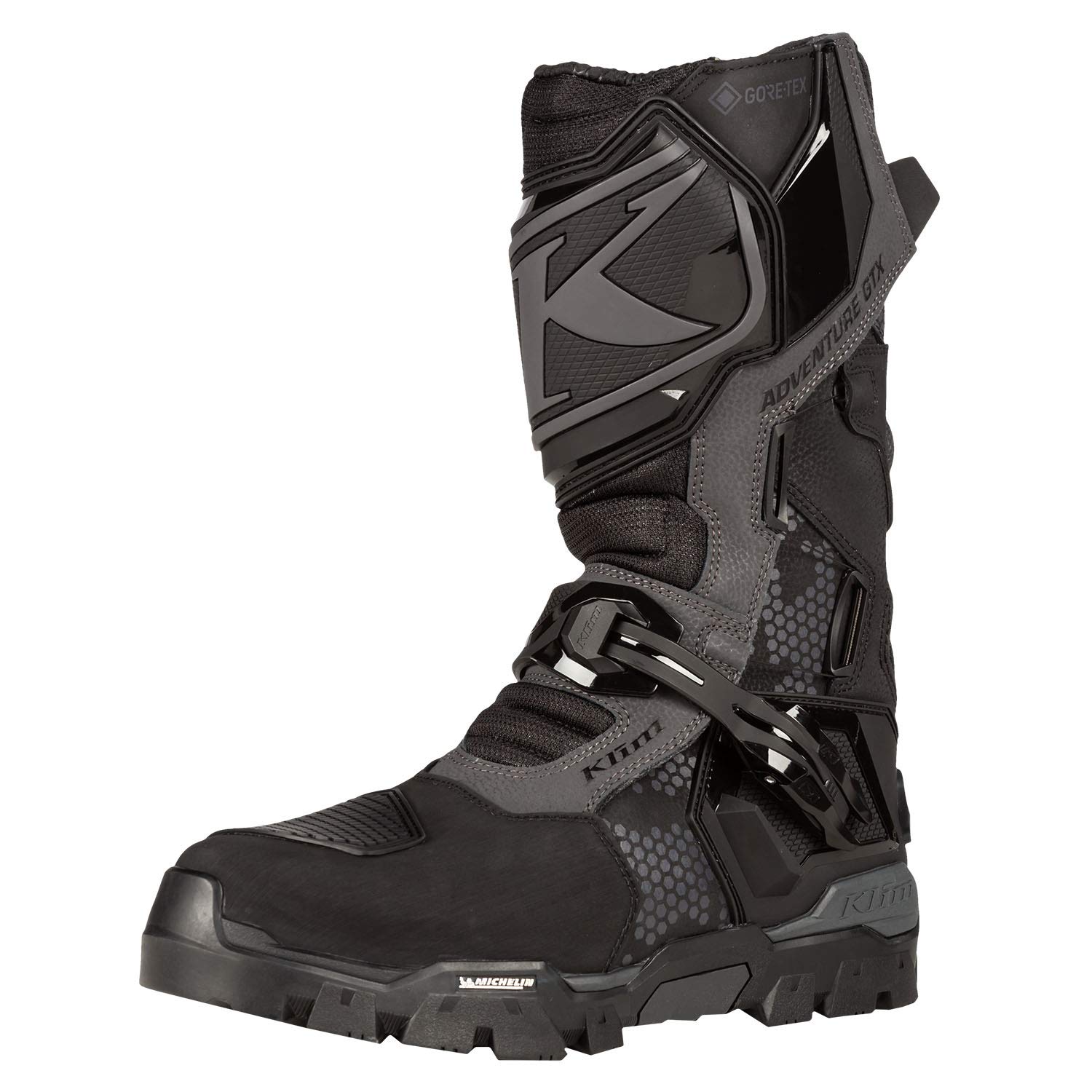


Who Should Buy Which Adventure Touring Boots?
Your route decides your boot more than fashion does. Match the group below that sounds most like your riding, then confirm the details in the type and feature sections.
Long Distance Riders Who Spend Whole Days on Paved Roads
You need a tall shaft, steady rain protection and a sole that grips wet pavement at fuel stops. Comfort while seated matters most. If most of your miles are paved, see our guide to the best touring boots for road focused options.
Riders Who Mix Highways With Gravel and Dirt Roads
You stand on the pegs, dab a foot down on loose ground and walk around camp at the end of the day. You need stronger ankle armor, a grippier outsole and closures that hold when dust covers them. For a wider look at this style, see our guide to the best adventure boots.
Commuters and New Adventure Riders Who Walk a Lot at Stops
You ride shorter distances, park often and walk into shops or offices in the same boots. A lighter mid height pair is easier to live with, though it gives up some shin coverage. For this balance in a motorcycle specific design, see our guide to the best adventure motorcycle boots.
Types of Adventure Touring Boots Compared
When you compare the best adventure touring boots by type first, the price and weight gaps make sense. Each type suits a different mix of road, dirt and walking.
Full Height Leather Boots for Maximum Coverage
These tall leather boots cover the shin and support the ankle, which helps when a heavy bike leans at a stop. Leather shrugs off scrapes and lasts for years with basic care. The trade offs are weight, warmth in summer and a stiff first week. Expect to pay about $300 to $450.
Mid Height Boots for Mostly Paved Touring
Mid height boots end above the ankle bone, so they protect the joint but leave the shin mostly open. They feel lighter on stairs and short walks. They suit riders whose dirt riding is limited to firm gravel. Most pairs cost about $180 to $300.
Lightweight Textile Boots for Warm Climate Touring
Textile boots use woven panels that let air move, so your feet stay cooler on slow roads in hot weather. They weigh less than leather pairs and feel soft sooner. The fabric scuffs faster than leather and leans on an inner membrane for rain protection. Prices usually run about $150 to $250.
Off Road Leaning Boots With Extra Armor and Buckles
These boots borrow their shape from dirt riding, with hinged ankle support, hard shin plates and metal buckles. They give the strongest hold when you stand on the pegs. Walking feels clunky and buckles can squeak. A solid pair costs about $250 to $400.
Key Features to Compare
Once your type is clear, compare these five features in order. They decide how a boot protects, grips and feels after six hours.
Ankle, Shin and Toe Protection
Protection means firm inserts around the ankle bones, a padded or plated shin area and reinforced cups at the toe and heel. In a low speed fall, these parts spread impact and guard the joints that twist most easily. Riders who leave pavement often should choose coverage on both sides of the ankle.
Shaft Height and Support on Uneven Ground
A full height shaft rises about 12 to 14 inches and braces your lower leg when you plant a foot on sloped gravel. A mid height shaft of about 8 to 10 inches allows more ankle movement while walking and also lets in more rain at the top. Choose height by how often you stop on loose ground.
Outsole Grip for Pegs, Wet Pavement and Walking
The outsole must grip metal pegs without feeling locked in place, then hold on wet concrete at a fuel stop. Shallow lugs with wide flat areas suit peg feel, while deeper edges at the heel help on muddy paths.
Closures That Stay Secure Through a Long Day
Most touring boots combine a side zip with straps, or use two or three buckles that adjust over thick socks and riding pants. A good closure opens wide for entry, then holds the heel down without hot spots. Avoid exposed laces, because loose ends can catch on pegs and levers.
Weight and Cushioning for Hours in the Saddle
A heavy pair tires your legs during walks. Cushioning inside the boot softens vibration through the pegs, and a low heel to toe drop keeps your foot flat and stable. Weight you barely notice in the shop grows obvious by the third hour of a trip.
How to Choose the Right Adventure Touring Boot
Type and features narrow the field, but fit decides the final pair. Use these checks in the shop or during the return window.
Break In Period and Comfort Out of the Box for Adventure Touring Boots
Leather and stiff soles soften over about one to two weeks of short rides, so plan easy outings before a long tour. Wear new boots at home first, then take rides of under an hour. A boot should feel snug but never painful on day one, because deep pressure points rarely vanish with time.
Arch Support and Foot Type for Long Rides
Flat feet, high arches and overpronation each load the foot differently during a day of riding and standing, and a shaped insole with real arch support spreads that load. If numbness or sharp foot pain keeps returning on rides, talk with your clinician about your personal needs.
Fit, Sizing and Toe Box Checks Before You Buy
Measure and try boots in the afternoon, and wear the thick socks you ride in. The toe box should let your toes lie flat and wiggle, with about a thumb width of space ahead of the longest toe. If you fall between sizes, the larger size with a thicker insole usually works better.
Upper Materials and Breathability for Your Climate
Full grain leather blocks wind and resists scrapes, while textile panels with mesh sections move more air on hot days. A Gore Tex membrane or a similar waterproof layer keeps rain out yet lets sweat vapor escape. Choose leather for mixed weather, and breathable textile uppers for dry summer routes.
Common Mistakes to Avoid
Most boot regrets come from a few repeat errors at buying time.
- Sizing boots with thin dress socks leaves toes jammed against the front once you wear thick riding socks.
- Choosing tall fashion boots with no ankle armor leaves your joints exposed in a simple parking lot fall.
- Buying deep lug dirt soles for road touring makes peg feel vague and braking control less precise.
- Trusting a loose single zip closure lets the heel lift all day, which causes blisters on longer walks.
- Ignoring shaft height for your route means shin scrapes and weak support the first time ground turns loose.
How to Make Your Adventure Touring Boot Last Longer
Brush off dust and rinse mud with plain water after dirty rides, then let the boots air dry away from direct heat, because radiators and strong sun crack leather and weaken glue. Once dry, work conditioner into leather uppers so the surface stays supple.
Check buckles, straps and zips for grit or loose stitching each month, and clear packed dirt from the outsole lugs. Pull the insoles out overnight after wet days so the inside dries fully.
FAQ
Can I wear adventure touring boots all day on and off the bike?
Yes, you can wear adventure touring boots all day if the fit is right and you loosen the closures during long seated breaks. Changing into dry socks at midday is a simple trick that keeps all day wear comfortable on multi day trips.
Are expensive adventure touring boots worth the extra cost?
Expensive adventure touring boots are worth it when you ride in varied weather and keep a pair for many seasons. Higher prices usually buy replaceable buckles, stronger armor and membranes that stay waterproof longer.
How should adventure touring boots fit at the toes and ankle?
Adventure touring boots should feel snug at the ankle and instep, with clear space ahead of your toes. In the shop, mimic the riding position and work an imaginary shifter with your left boot, because ankle flex on the bike differs from flex while standing. A fit that passes that seated test rarely causes trouble.
Do I need waterproof adventure touring boots for summer touring?
You need waterproof adventure touring boots for summer touring only if your routes cross mountains or regions with sudden storms. A membrane also blocks cool wind on early morning starts. In reliably dry heat, a breathable non waterproof pair plus packable rain covers can feel cooler and still keep your feet dry.
How often should I replace my adventure touring boots?
Replace adventure touring boots when wear signs appear, not on a fixed schedule. Smooth outsole lugs, cracked armor, loose stitching at flex points and a leaking membrane all signal the end. That point often arrives after about four to six seasons of regular touring.
Our Verdict
Match protection, fit and weatherproofing to the roads you actually ride. Tall leather boots serve mixed routes and wet climates, while textile or armored types serve heat or dirt. Use the product table above to check shaft height, closure style and price against your short list.
The best adventure touring boots are the pair you forget about by midday, because your feet stay dry, planted and pain free. Choose the type that fits your route, confirm the fit checks at home, and put the savings toward fuel.


