
Best Adventure Motorcycle Boots for 2026: A Clear Buying Guide
Disclosure: We may earn a commission when you buy through links on this page, at no extra cost to you. As an Amazon Associate I earn from qualifying purchases. Learn more

Choosing the best adventure motorcycle boots starts with fit, ankle protection, waterproofing and sole grip. Here is what first time buyers should know.
Shopping for best adventure motorcycle boots for the first time can feel confusing, because one pair is expected to do several jobs at once. These boots must protect your feet on the bike, stay comfortable when you walk around a trailhead or a small town, and cope with rain, dust, and long days in the saddle. This guide explains the basics in plain language, so you can compare options without getting lost in technical terms.
You will learn what separates a road focused boot from a trail focused boot, which features matter most for your kind of riding, and how to judge fit before you commit. Check the product table for a quick overview, then use the sections that follow to narrow your choice by riding style, weather, and budget.
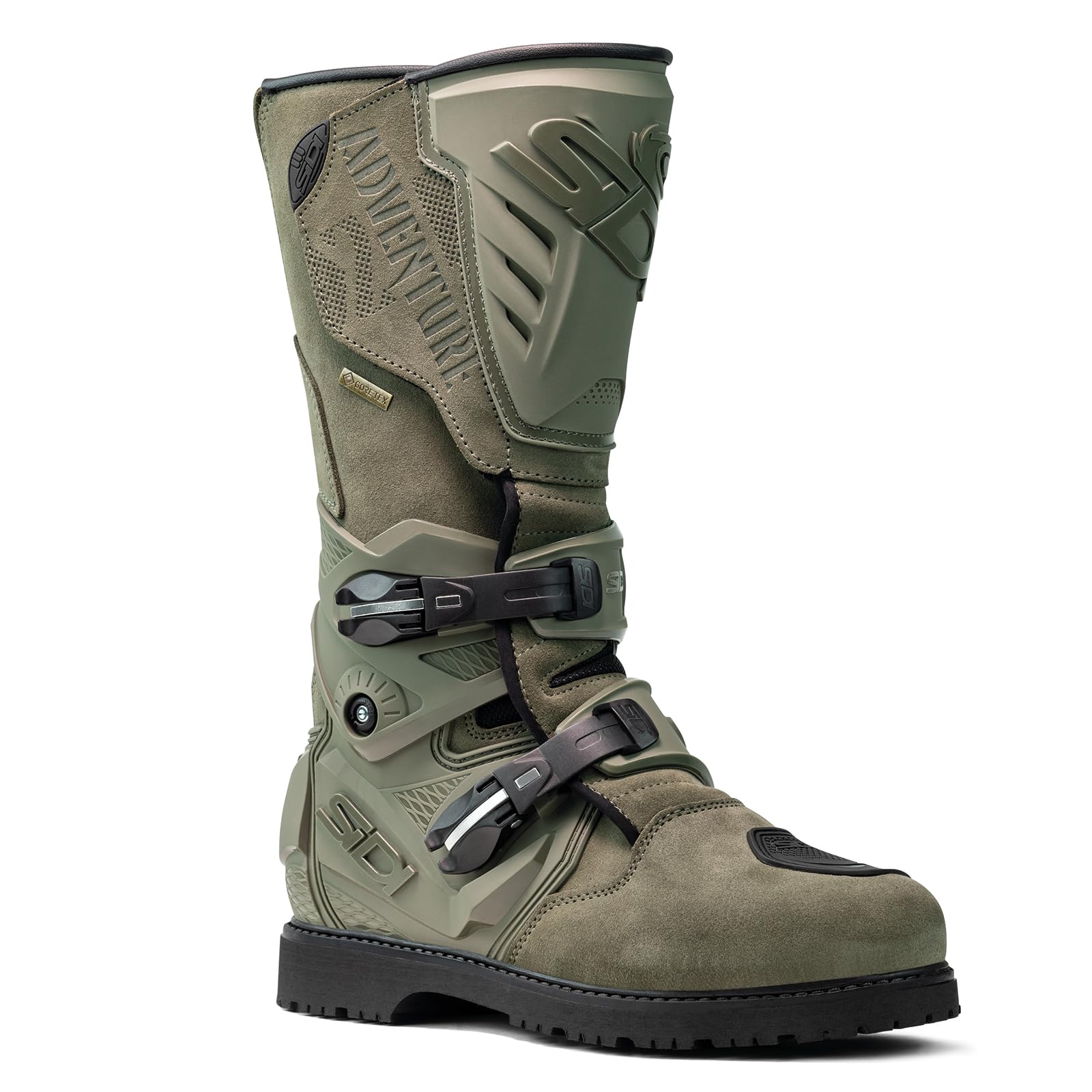


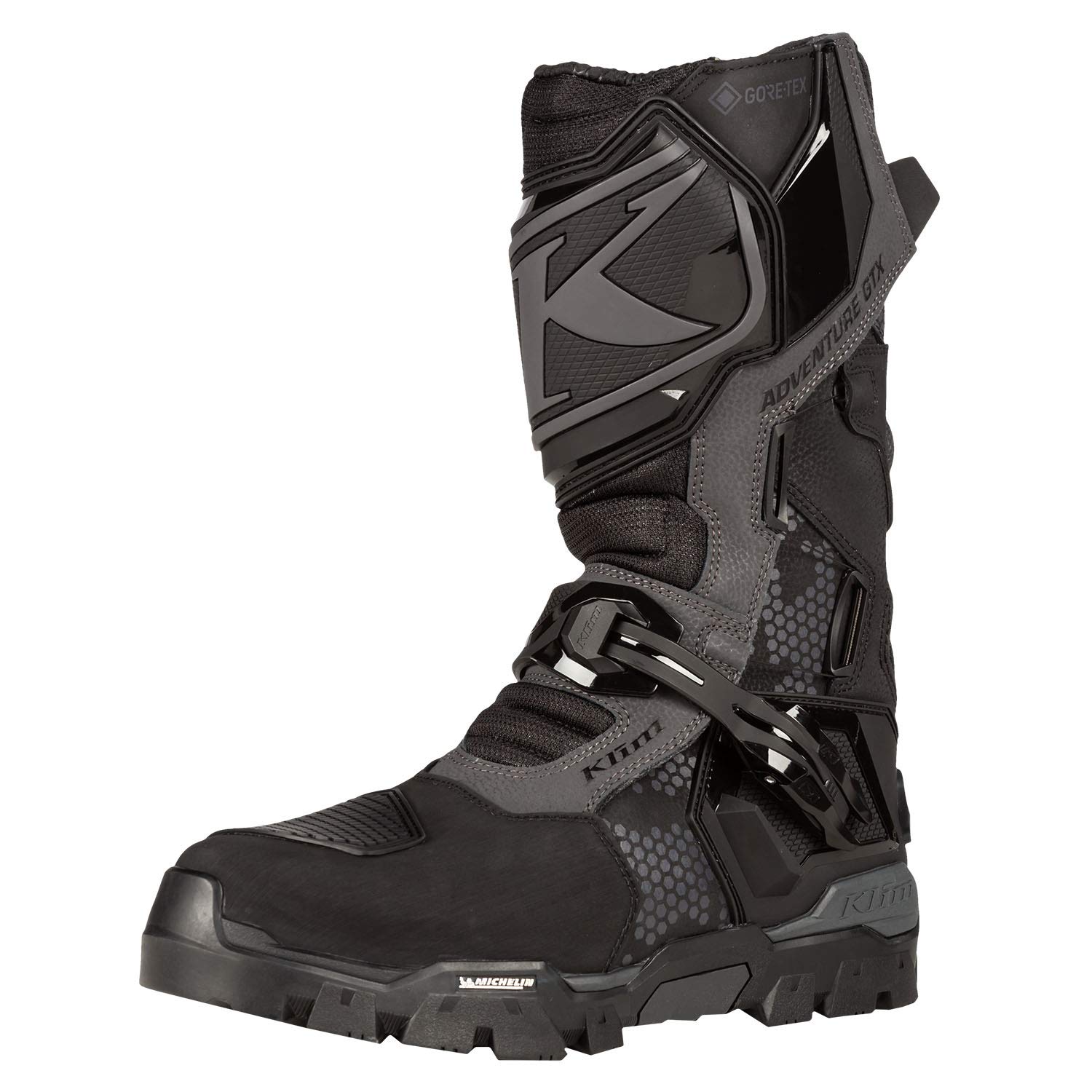


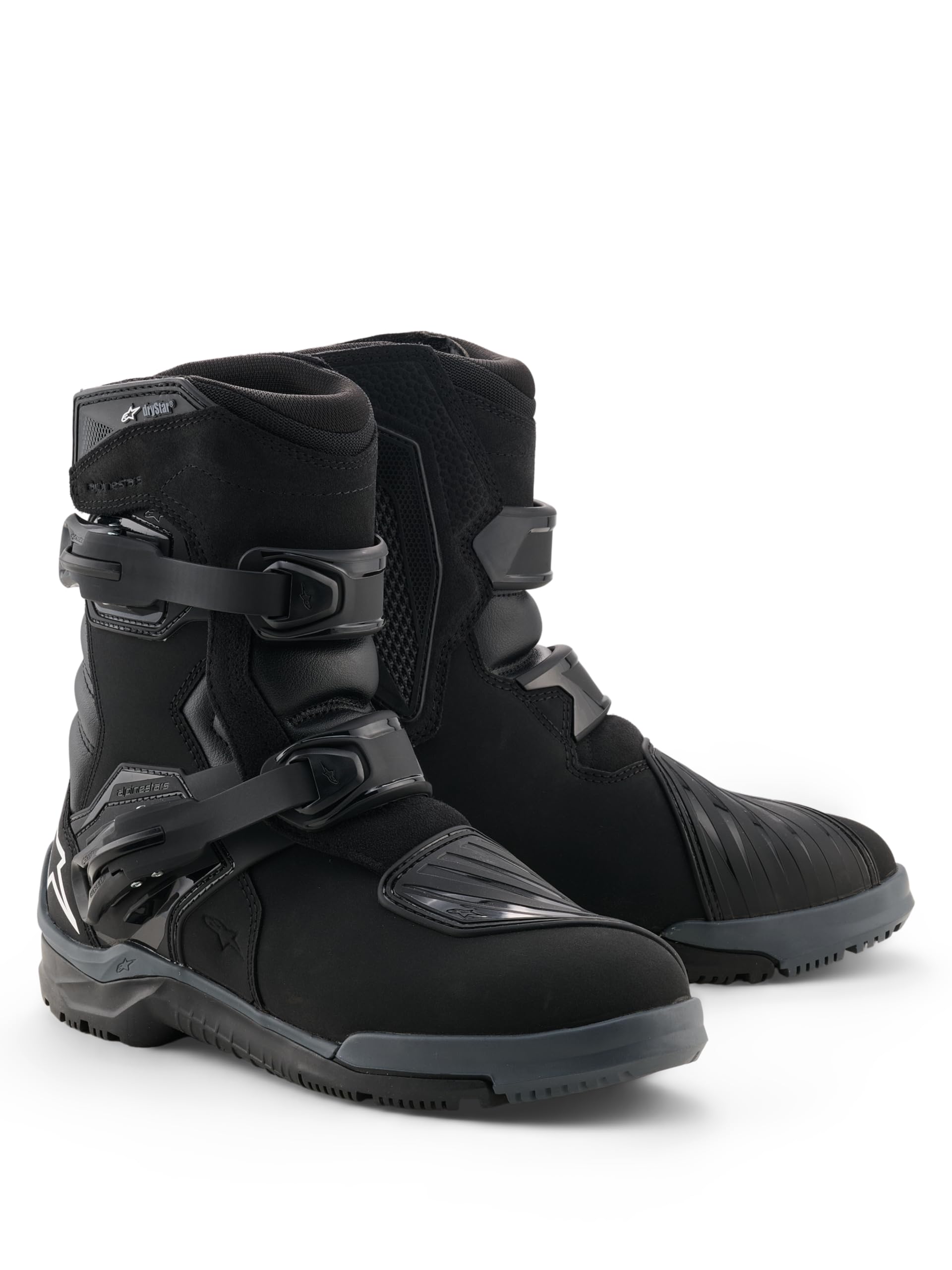
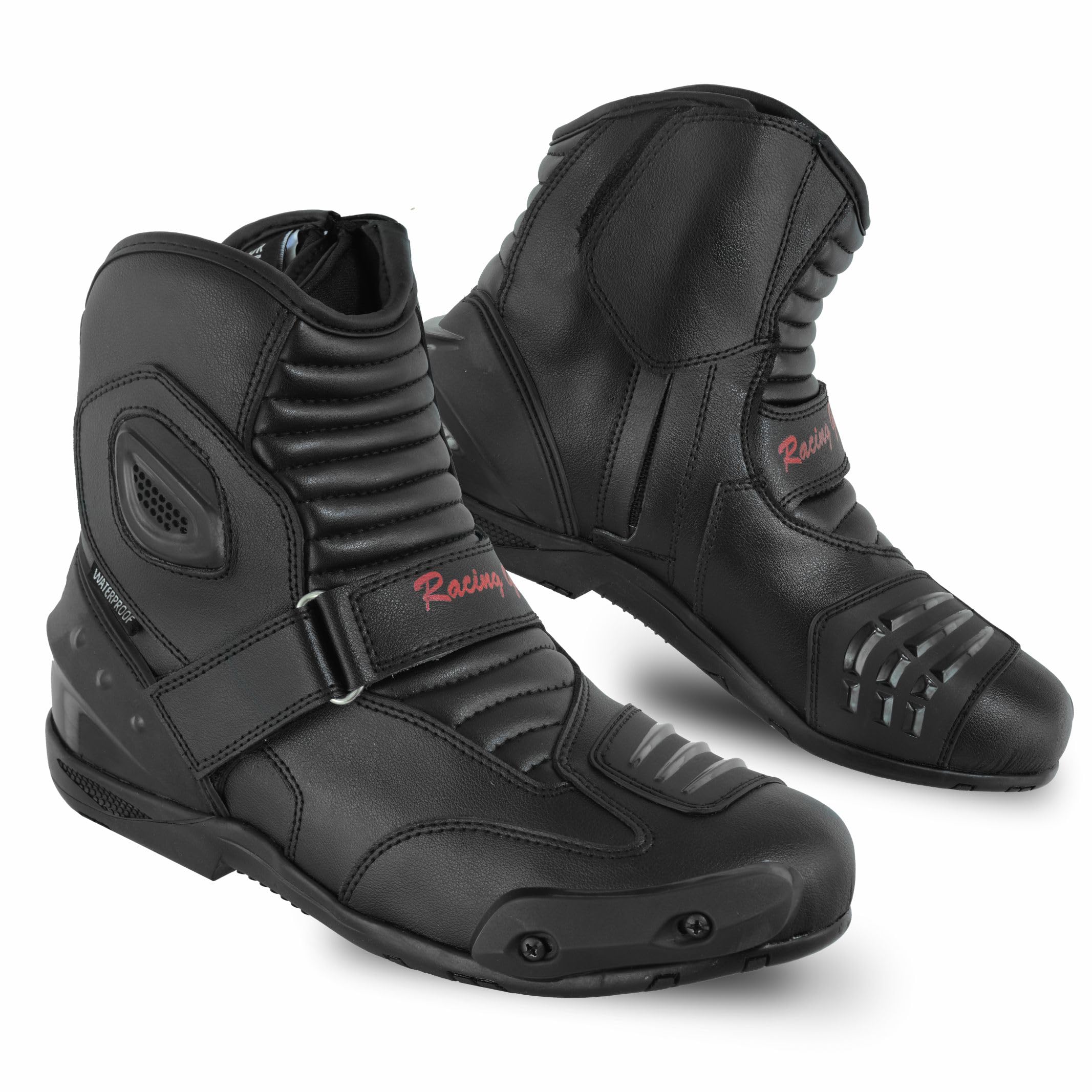
Adventure Motorcycle Boots 101: The Basics
An adventure motorcycle boot is a tall, sturdy boot built for riders who mix paved roads with gravel, dirt tracks, and short walks away from the bike. It sits between a short street boot and a tall motocross boot: taller and stiffer than the first, but easier to walk in than the second. Most designs cover the ankle and lower shin, use a firm toe box, and add reinforcement around the ankle, heel, and shin.
The riding position matters here. Adventure bikes usually put your feet on wide pegs and your legs in a fairly upright position, so the boot must flex enough for shifting and braking without feeling loose. At the same time, the sole must grip a wet peg, a gravel shoulder, and a muddy path. A good adventure boot balances those two needs, and no single design is perfect for every rider.
Key Specs Explained in Plain English
The terms below cover the choices that change daily comfort and protection the most. Keep them in mind as you compare the best adventure motorcycle boots for your needs, and remember that a feature only helps if it suits the riding you actually do.
Fit and Sizing for Road and Trail
Fit starts with length and width, but volume matters just as much in a tall boot. Your toes should have room to wiggle without sliding forward when you brake, and your heel should stay seated when you walk uphill. Try boots on with the socks you plan to ride in, and stand, crouch, and mimic a shifting motion before deciding.
Protection Where It Matters
Look for firm ankle cups or pivots, a reinforced toe box, a sturdy heel cup, and shin protection that does not dig in when you bend your knee. A shifter pad on the top of the left boot helps the upper last longer, and a firm sole helps spread the force if the bike tips at low speed. No boot can guarantee protection in a crash, so treat these features as risk reduction, not a promise of safety.
Weather Resistance and Durability
Waterproof membranes keep rain out on wet rides, but they also trap heat on warm days, so think about your climate before choosing. Sealed seams and a gusset behind the closure help in steady rain, while vents and breathable liners help in summer. For durability, check the stitching, the sole bond, and the closure hardware, since those are the parts that usually wear first.
Closure and Ease of Use
Buckles, straps, zippers, and laces each have trade offs. Buckles are quick to adjust with gloves on and easy to clean after a muddy ride. Laces give a finer fit around the foot but take longer and can snag if left loose. Whatever system you choose, it should close firmly, stay closed at speed, and open easily when your hands are cold or tired.
Value and Warranty
Price usually reflects materials, construction, and replaceable parts such as soles and buckles. A lower priced boot can suit short rides and fair weather, while a higher priced boot often offers better waterproofing, tougher leather, and parts you can replace instead of buying a new pair. Check what the warranty covers, especially for seams, zippers, and buckles, and factor in the cost of insoles or a resole over time.
Who Should Buy the Best Adventure Motorcycle Boots?
Mostly Paved Roads With Occasional Gravel
If your rides are mainly paved with short gravel sections, favor walking comfort, lighter weight, and a sole that grips pavement in the wet. A moderately stiff boot with good waterproofing and a comfortable footbed will serve you well, and you can accept less aggressive tread. Keep the ankle protection, since even a low speed tip on pavement can twist an ankle.
Long Distance Touring With Mixed Surfaces
Touring riders need a boot that stays comfortable for eight hours or more, in changing weather, with luggage on the bike. Prioritize waterproofing, a cushioned but supportive footbed, and a closure that you can adjust as your feet swell during the day. A slightly roomier fit with good arch support helps here, and a sole with a balanced tread works on fuel stops, campsites, and gravel shoulders alike.
Trail Heavy Riding With Regular Walking
If you often ride dirt tracks and then walk to a viewpoint, a campsite, or a trailhead, favor a grippy, lugged sole and a boot that flexes at the ankle for walking. You will accept a bit more weight and stiffness in exchange for shin and ankle reinforcement and a toe box that stands up to rocks and ruts. Make sure the boot still allows smooth shifting and braking, since a very stiff boot can make controls feel vague.
Rookie Mistakes to Avoid
- Buying purely by size number, since sizing varies between makers and a tall boot fits differently from a shoe.
- Choosing the stiffest boot available, which can make shifting clumsy and walking tiring on a first adventure trip.
- Ignoring the sole, even though tread pattern and rubber compound decide grip on wet pegs and loose gravel.
- Skipping a walking check, so a boot that feels fine standing still becomes painful after a mile on foot.
- Assuming waterproof means sweat proof, since sealed boots still need ventilation and moisture managing socks in heat.
Getting Started: Setup and First Use
When a new pair arrives, wear them around the house first, then on short rides, before a long trip. Lace or buckle them as you would for riding, check that your toes do not hit the front when you crouch, and practice shifting and braking in a safe place. Check fit and tightness before each ride, and adjust the closure after the first few miles, since leather and liners settle with use.
Break in gradually rather than forcing it. Short rides and walks let the upper soften around your ankle and foot without creating hot spots. Inspect the soles, stitching, and buckles after muddy or wet rides, clean off grit that can wear seams, and let the boots dry at room temperature away from direct heat. Replace a pair after a serious crash or when the sole, ankle support, or closure no longer holds firm, and follow local road rules every time you ride. Never adjust straps, buckles, or fit while riding; pull over somewhere safe first.
Adventure Motorcycle Boot Questions Answered
How do I choose the right size of adventure motorcycle boots?
Start with your measured foot length and width, then try the boot with riding socks and any insole you plan to use. Your toes should not touch the front when you crouch, and your heel should not lift much when you walk. If you sit between sizes, consider the wider or larger option when you ride in cold weather with thick socks, and check the return policy so you can swap sizes after a home try on.
How often should I replace adventure motorcycle boots?
Replace them when the sole is worn smooth, the ankle support feels soft, a buckle or zipper no longer holds, or the waterproofing fails despite cleaning and care. For regular riders, that may be after a few seasons, but mileage, weather, and off road use change the answer a lot. Inspect the boots each season, and replace them sooner after any crash that cracks, tears, or distorts the structure.
Are adventure motorcycle boots comfortable for walking?
Most adventure boots are more comfortable for walking than tall motocross boots, but they are still heavier and stiffer than hiking boots. Look for a flex point at the ankle, a cushioned footbed, and a sole with a walking friendly tread if you plan regular walks. Try walking up and down stairs during a home try on, since that reveals ankle flex and heel slip better than standing still.
What protection standards should I look for in motorcycle boots?
Look for boots that meet a recognized motorcycle footwear standard for impact abrasion, impact cut, and transverse rigidity, and read what the rating actually covers. A standard shows the boot met set requirements, not that it will prevent injury in every crash. Pair the rating with a fit check, since a well rated boot that fits poorly can still shift in a fall.
Do I need waterproof adventure motorcycle boots?
Waterproof boots make sense if you ride in rain, cross streams, or tour through changing weather, since wet feet get cold and blistered quickly. If you mostly ride in dry heat, a ventilated boot with water resistant leather may feel better and dry faster after a wash. Some riders keep a waterproof pair for touring and a ventilated pair for summer, which spreads wear across both pairs.
Final Thoughts
For most first time buyers, fit, ankle protection, and a sole suited to your surfaces matter more than any single extra feature. Choose a boot that fits well, protects the ankle and shin, and matches the mix of road and trail you actually ride, then check the product table above for a side by side reminder of the options. When you narrow it to two or three pairs, let walking comfort and closure ease break the tie.
Take your time with sizing, break new boots in on short rides, and inspect them regularly as the miles add up. Best adventure motorcycle boots are the ones that fit your feet, suit your riding, and stay comfortable from the first mile to the last stop of the day. For related reading, see our guide to best motorcycle adventure boots for walking if walking comfort is your top priority, our guide to best motorcycle boots for a broader overview, our guide to best adventure boots for trail focused options, and our guide to best women's motorcycle boots for a fit shaped for women riders.


