Best AF Film Cameras at Every Price: What Your Money Really Gets You in 2026
Disclosure: We may earn a commission when you buy through links on this page, at no extra cost to you. As an Amazon Associate I earn from qualifying purchases. Learn more
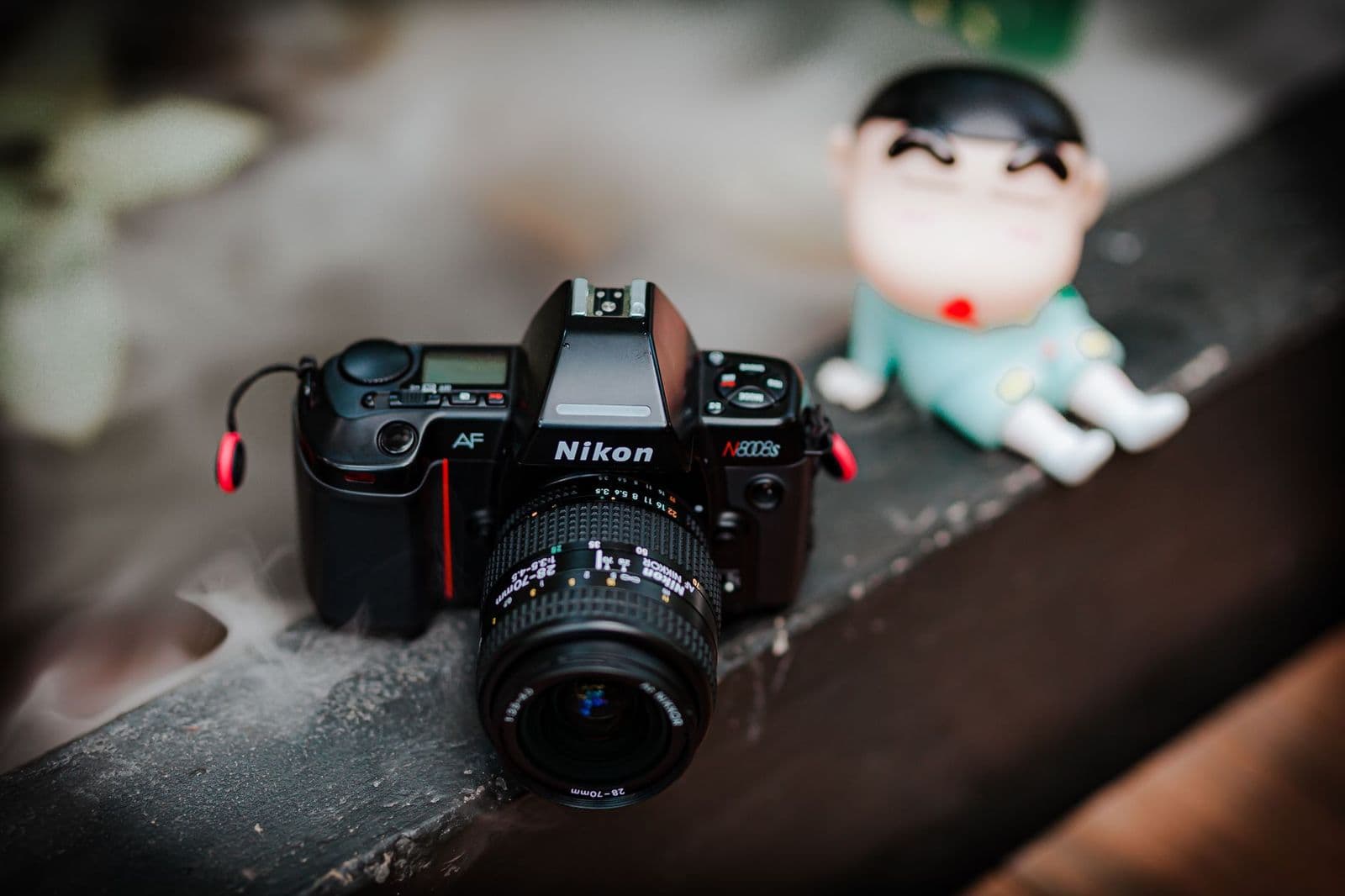
Compare the best af film cameras at every price point, learn what budget, midrange, and premium bodies really include, and see where extra spending pays off.
Prices for autofocus film cameras stretch from pocket money finds in thrift bins to professional bodies that still command serious money. Knowing what each step up actually buys keeps you from paying for speed or build quality you will never use. The best af film cameras for you depend on how you shoot, so this guide sorts the market into clear price tiers first.
Below, you will see what each tier typically includes, which features deserve your money, and which extras you can safely skip.
Best AF Film Cameras: What Your Money Gets You at Each Price Tier
The used market sets most prices here, so condition matters as much as the tier itself. A clean midrange body with fresh seals beats a tired premium body every time.
Budget Tier: Working Cameras for about $40 to $150
This tier holds simple point and shoot compacts and early autofocus SLR bodies with basic kit zooms. Autofocus is usually a single central point, bodies are plastic, and controls stay automatic. That is plenty for casual travel, family snapshots, and learning film on the cheap. First time buyers often start with our guide to the best starter film cameras for the simplest options. Always confirm the battery type is still sold before you pay.
Midrange Tier: The Versatile Middle, about $150 to $400
Midrange bodies add faster and more accurate autofocus, better metering, and real manual control when you want it. Most take interchangeable lenses on common mounts, so you can grow a small lens kit over time. Shutter speeds widen, flash sync improves, and handling feels far more deliberate than budget gear. For most returning film shooters, this tier gives the best balance of capability, reliability, and price.
Premium Tier: Pro Speed and Build, about $400 to $1,000
Premium bodies were flagship tools in their day, with fast focus tracking, high frame rates, weather sealing, and metal construction built for daily work. They also hold value well when serviced and clean. The trade off is weight, battery appetite, and repair bills when electronics age. Buy here if you shoot often, work in rough conditions, or want one body that lasts for years of regular use.
Features Worth Paying For (and Ones to Skip)
Autofocus Speed and Low Light Focus
Autofocus quality is the whole point of this camera class, so it deserves first place in your budget. Better systems use several focus points, track moving subjects, and keep working in dim rooms where cheap systems hunt back and forth. A brighter viewfinder helps you confirm focus at a glance. If you shoot events, kids, or street scenes, pay for focus performance before anything else.
Lenses Decide More Than the Body
A modest body with a sharp lens beats a flagship body behind a dull kit zoom, so shop the lens system, not just the camera. Check how many lenses fit the mount and what they cost used, because that shapes your spending for years. Readers comparing the wider film world can browse best film photography cameras for the manual focus side too. Fixed lens compacts skip this question entirely, which is their main appeal.
Metering and Exposure Control
Good metering protects expensive film from wasted frames. Multi segment metering handles mixed light well, while a spot meter helps with backlit portraits and stage shots. Exposure compensation and an easy manual mode matter more than novelty scene modes. Slide film has narrow exposure latitude, so accurate metering pays for itself quickly. Prioritize a meter you can override over one you must fight.
Film Format and Image Quality
Nearly every autofocus film camera shoots 35mm film, and image quality comes mostly from the lens and the film stock, not the body. The body contributes accurate focus, steady film transport, and correct exposure. Larger formats exist in autofocus form but cost far more and stay rare. If you love instant prints instead, the best instant film cameras follow a different set of rules entirely.
Extras You Can Skip
Date imprint backs, panorama masks that simply crop the frame, and novelty sound effects add cost without adding photographs. Multiple exposure gimmicks and built in picture effects are fun once and forgotten after. Spend that money on fresh light seals or a service instead. A plain body in good health outshoots a feature packed body with a sticky shutter every single time.
Checking a Used Body Before You Pay
Almost every autofocus film camera you will find is used, so a ten minute check protects your money. Mount a lens and confirm the autofocus drives smoothly at near and far distances. Fire the shutter at its slowest speeds and listen for even, unhurried operation. Never look directly at the sun through the viewfinder while checking the meter or the focus screen.
- Open the back and check the light seal foam for crumbling or sticky residue.
- Look inside the battery compartment for corrosion from a leaked cell.
- Advance the film lever or motor and watch the take up spool turn evenly.
- Check the LCD panel for bleeding segments or missing digits.
- Ask whether returns are accepted if the camera fails on its first roll.
Long Term Costs to Factor In
The body is only the first bill. A roll of color film costs about $8 to $20, and developing with scans adds about $15 to $25 per roll, so regular shooters should budget monthly. Our overview of the best cameras with film covers the main film types and what each one costs to run. Batteries are cheap, but a full service with new seals runs about $100 to $200 and may be needed once on any older body.
Common Questions About Autofocus Film Cameras
What specs matter most in a first autofocus film camera?
Reliable autofocus, a battery you can still buy, and an affordable lens matter most for a first body. Fancy frame rates and deep menus add little while you learn exposure and composition. One extra point: buy from a seller who accepts returns, because a camera that looks fine can still hide a dying shutter or a meter that reads a stop off in bright light.
Which autofocus film cameras handle low light best?
Bodies with sensitive focus sensors and fast lenses handle low light best, since the lens gathers the light the sensor needs to lock on. Pair the camera with ISO 800 film to keep shutter speeds safe indoors. Also learn to brace against a wall or rest your elbows on a table, because camera shake ruins more night frames than autofocus misses ever will.
How much should a beginner spend on a first autofocus film camera?
About $100 to $250 buys a capable beginner body with a standard lens in most markets. Keep roughly a third of your total budget aside for film, developing, and a fresh battery, because those costs arrive immediately. Spending everything on the body and then rationing film slows your learning far more than a cheaper camera ever would.
Is a smartphone enough instead of an autofocus film camera?
A smartphone is enough for quick sharing, but it cannot match the deliberate pace and look of film. Film forces you to slow down, choose frames carefully, and wait for results, which many photographers find is the whole appeal. If you prefer digital files instead, our guide to the best digital cameras covers that route. Many shooters happily carry both.
Do autofocus film cameras work without a battery?
Almost none of them work without a battery, because the shutter, meter, and film advance are all electronic. A dead cell means a dead camera, even mid roll on some models. Carry a spare battery on any trip, and replace the cell at the first sign of slow startup or dim display rather than waiting for a full failure.
Final Thoughts
Match the tier to your habits: budget bodies for casual rolls, midrange for the best all round value, and premium when speed and build truly matter. Autofocus quality and lens choice shape your results far more than feature lists do. The best af film cameras are simply the ones in good health that fit your budget and your hands, so buy the cleanest example you can find.