
Best Adult Backpacks: A Buyer Checklist for 2026
Disclosure: We may earn a commission when you buy through links on this page, at no extra cost to you. As an Amazon Associate I earn from qualifying purchases. Learn more

Choosing the best adult backpacks starts with capacity, fit, torso length, laptop protection and carry on size. Use this checklist to compare with confidence.
An adult backpack has to carry work gear on Monday, gym clothes on Tuesday, and travel kit on Friday, so the best adult backpacks are the ones that balance capacity, comfort, and organization without forcing you to repack for every trip. This guide gives you a checklist you can run through before you buy, with clear thresholds for size, fit, laptop protection, and security. Use it to compare options side by side, and let your daily load, not a headline feature, decide the winner.
The pack style summary below covers the main pack styles, and the checklist that follows explains each check in detail. Keep your laptop size, your torso length, and your usual carry in mind as you read, because those three facts narrow the field faster than any single feature claim. A pack that fits your body and your gear will feel better on day one hundred than a pack that only looks good on day one.

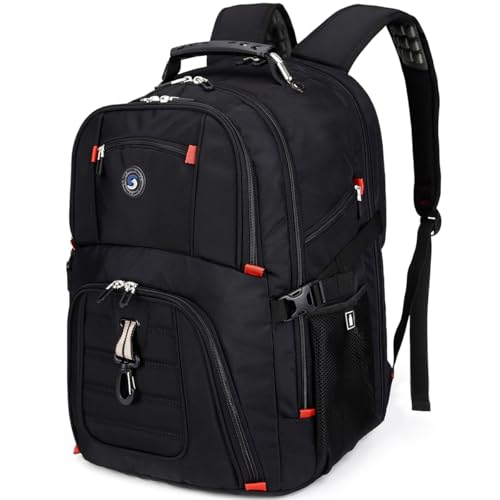
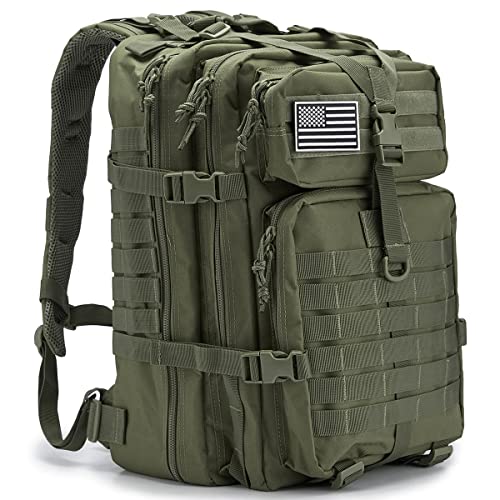
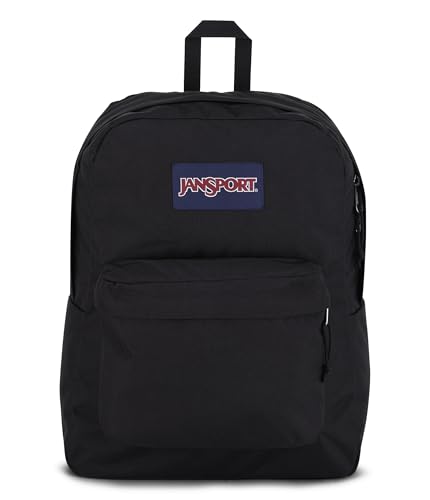
| Pack Style | Best For | Strengths | Watch Out For |
|---|---|---|---|
| Everyday work pack | Commute and office days | Laptop protection and clean organization | Limited room for bulky travel gear |
| Travel pack | Overnight trips and carry on flying | Large main opening and packing cubes fit | Heavier when fully loaded |
| Day hiking pack | Trails and active days out | Ventilated back panel and hip belt support | Less laptop padding than work packs |
A Buyer Checklist for Adult Backpacks
Work through the six checks below in order, and drop any pack that fails an early check, even if it looks good on later ones. Capacity decides whether your gear fits, fit decides whether carrying it feels good, and security decides whether you can relax in a crowd. Laptop protection and carry on size are pass or fail checks for many adults, so treat them as gates, not bonuses.
Capacity in Liters
Capacity in liters is the fastest way to compare pack sizes, and adult everyday packs usually sit between 20 and 30 liters. A 20 liter pack suits a laptop, a notebook, a jacket, and lunch, while a 30 liter pack adds room for gym gear or a change of clothes. A 40 liter pack can work as carry on luggage for a short trip, while packs above 50 liters suit multi day travel and heavier loads. Check the stated volume against the main compartment alone if possible, since some makers count outer pockets in the total.
Security Features
Security features matter most for commuters and travelers who carry a laptop, wallet, and passport through crowds and stations. Hidden pockets against the back panel keep valuables out of easy reach, while lockable zippers slow opportunistic opening. Some packs add a slash resistant back panel or a cable lock point, which can help in busy areas, though no pack can guarantee theft prevention. Balance security against access, since a pocket that is too well hidden can slow you down at airport security or a ticket barrier.
Fit, Torso Length, and Suspension
Fit decides comfort more than padding thickness, so start with torso length, the distance from your neck base to your hip bones. A pack sized for your torso keeps the hip belt sitting on your hips, where it should carry much of the weight, instead of riding on your waist. Adjustable shoulder straps, a sternum strap, and a padded hip belt spread load across your body and stop the pack swaying as you walk. A ventilated back panel helps on warm days, but it should not push the load so far from your back that the pack feels unstable.
Weight of the Empty Pack
Empty weight is easy to overlook, yet it eats into your carrying comfort on every trip. A heavy empty pack leaves less room in your daily comfort budget for a laptop, books, and water, and it can make a full pack feel tiring on a long commute. Lighter packs often use thinner fabrics, so check whether the weight saving comes with weaker zippers or less structure. For most adults, a work pack under about 3 pounds feels easy to carry, while travel packs can justify more weight when they add a frame or a padded hip belt.
Carry On Compliance
Carry on compliance matters if you want one pack for work and flying, so check airline size limits before you buy. A common limit is about 22 by 14 by 9 inches, but limits vary by airline, and some budget carriers allow less. Measure the pack when it is full, not empty, since a soft pack can bulge past the limit once packed. For packs built for trips, see our guide to the best backpacks for travel.
Laptop Sleeve and Organization
A good laptop sleeve should hold your laptop snugly, protect its corners, and keep it suspended above the pack base so a set down does not jar the device. Check the stated laptop size against your actual device, including any case, since a tight sleeve can stress zippers and a loose sleeve lets the laptop shift. Organization pockets should match your daily kit, with a clear place for a charger, cables, pens, and a water bottle. For work focused options, see our guide to the best laptop backpack.
Spending Levels Instead of Picks
Rather than naming single winners, use the spending levels below to match your budget to the build and features you actually need. Price often tracks fabric strength, zipper quality, and warranty length, but a higher price does not always mean a better fit for your body. Compare packs within one level first, and only move up when a specific feature, such as a suspended laptop sleeve or a proper hip belt, is missing.
At a modest budget, look for a sturdy everyday pack with a padded laptop sleeve, water resistant fabric, and zippers that run smoothly when the pack is full. Expect simpler suspension and fewer security pockets, and check stitching at stress points such as strap joins. At a middle budget, you can expect better back ventilation, a more adjustable hip belt, and stronger fabrics that hold shape over time. At a higher budget, look for refined suspension, premium zippers, a longer warranty, and repairable parts, and judge whether those gains matter for your daily load.
Quick Buyer Checklist
- Does your laptop fit the sleeve with its case on, and does the sleeve keep it off the pack base?
- Does the pack match your torso length, with the hip belt sitting on your hips?
- Can you reach your phone, wallet, and keys without opening the main compartment?
- Does the stated capacity cover your normal load, plus a jacket or gym kit?
- Will the full pack meet your airline carry on limit, if you plan to fly with it?
- Are the zippers smooth when the pack is full, and do stress points look well stitched?
- Is the fabric water resistant enough for your commute, and can you clean it easily?
- Does the warranty cover the parts most likely to wear, such as zippers and straps?
Red Flags to Watch For
Watch for vague specs first, since a maker that will not state capacity, laptop size, or fabric weight may be hiding a weak point. Very short warranties can signal low confidence in zippers and stitching, which are the parts that fail first under daily use. Unusually glowing feedback with no mention of drawbacks should prompt a closer look at the pack in person, or at least a check of the return policy. Finally, check that the pack has no loose threads, uneven seams, or stiff zippers on arrival, and return it promptly if it does.
Setup and Care Tips
Pack heavy items close to your back, since weight near your spine feels lighter and keeps the pack stable as you walk. Adjust shoulder straps first, then the sternum strap, then the hip belt, and recheck the fit after you add a laptop or books. Spot clean instead of machine washing unless the maker guidance says otherwise, since machine washing can damage coatings and padding. Store the pack uncompressed and dry, with zippers closed, so the shape and water resistant finish last longer.
Frequently Asked Questions
How do I measure my torso length for a backpack?
Measure from the bony bump at the base of your neck down to the top of your hip bones, following the curve of your back. Ask someone to help, since measuring your own back can shift the tape and give a short reading. Compare that number with the maker size chart, and favor a pack whose range includes your measurement near its middle. If you fall between sizes, try both with a realistic load, since strap adjustment and hip belt position can change which size feels better.
Will an adult backpack fit under an airplane seat?
Many everyday packs fit under an airplane seat, but larger travel packs often do not, so check both the pack and the airline. Underseat space varies by aircraft and seat row, and a full pack bulges more than an empty one. A pack around 18 inches tall with a slim depth stands a better chance than a tall travel pack. If underseat storage matters, pack a trial load, measure the full depth, and keep a smaller personal item plan for the flight.
What size backpack do I need as an adult?
Most adults find 20 to 30 liters covers daily work, study, and day trips, while 35 to 45 liters suits overnight travel. Start from your largest regular load, not your average day, since a pack that only just fits on a light day will overflow on a heavy one. A laptop, charger, notebook, water bottle, and jacket already fill a surprising amount of space. If you carry gym gear or camera kit often, step up a size rather than forcing zippers shut, which strains seams over time.
Is a waterproof backpack necessary?
A fully waterproof backpack is rarely necessary for most adults, while water resistant fabric plus a rain cover covers most commutes. Water resistant fabric sheds light rain and splashes, but seams and zippers can still let water in during a long downpour. A rain cover adds strong protection for the price of a little extra weight and packing time. If you cycle daily in heavy rain or carry electronics you cannot replace quickly, stronger weather protection is worth paying for.
How do I keep a backpack comfortable on a long commute?
Comfort on a long commute comes from fit, load balance, and strap adjustment more than from extra padding alone. Keep heavy items close to your back, tighten the hip belt so it carries weight, and set the sternum strap to stop shoulder straps sliding. Take the pack off and readjust after the first week, since straps settle with use and your load changes with the seasons. If shoulder discomfort persists despite good fit, try a lighter load or a pack with a better hip belt before assuming the pack is at fault.
Wrapping Up
Capacity, fit, and laptop protection are the three checks that matter most, and a pack that passes all three will serve most adults well. Use the pack style summary above to narrow your style, then run the quick checklist on your shortlist before you order. For everyday use, see our guide to the best everyday backpack. The best adult backpacks for you are the ones that fit your torso, hold your daily load without strain, and keep your laptop safe on a crowded commute.
Before you buy, measure your torso, check your laptop size with its case, and picture a realistic load against the stated capacity. Confirm the return window too, since fit is hard to judge from photos alone. A careful check now saves a sore back and a return later, and it turns a routine purchase into a pack you will reach for every day.


