
Best Advanced Ski Boots in 2026: Every Type Explained Side by Side
Disclosure: We may earn a commission when you buy through links on this page, at no extra cost to you. As an Amazon Associate I earn from qualifying purchases. Learn more

Compare the best advanced ski boots by type, flex, last width, and liner fit, with price guidance and fitting tips for strong skiers on demanding terrain.
Advanced skiers ask more of a boot than anyone else on the mountain, because every turn starts with how the shell transfers pressure to the ski. With flex ratings, last widths, and liner styles all changing the feel, picking the best advanced ski boots means sorting types first and fit second. This guide compares the main families side by side so the differences are clear before you visit a fitter.
You will see how race style, all mountain, freeride, and touring boots differ in stiffness, weight, and sole design, and what each costs. The comparison table below sums up the four types, and the sections after it explain the fitting checks that matter most.
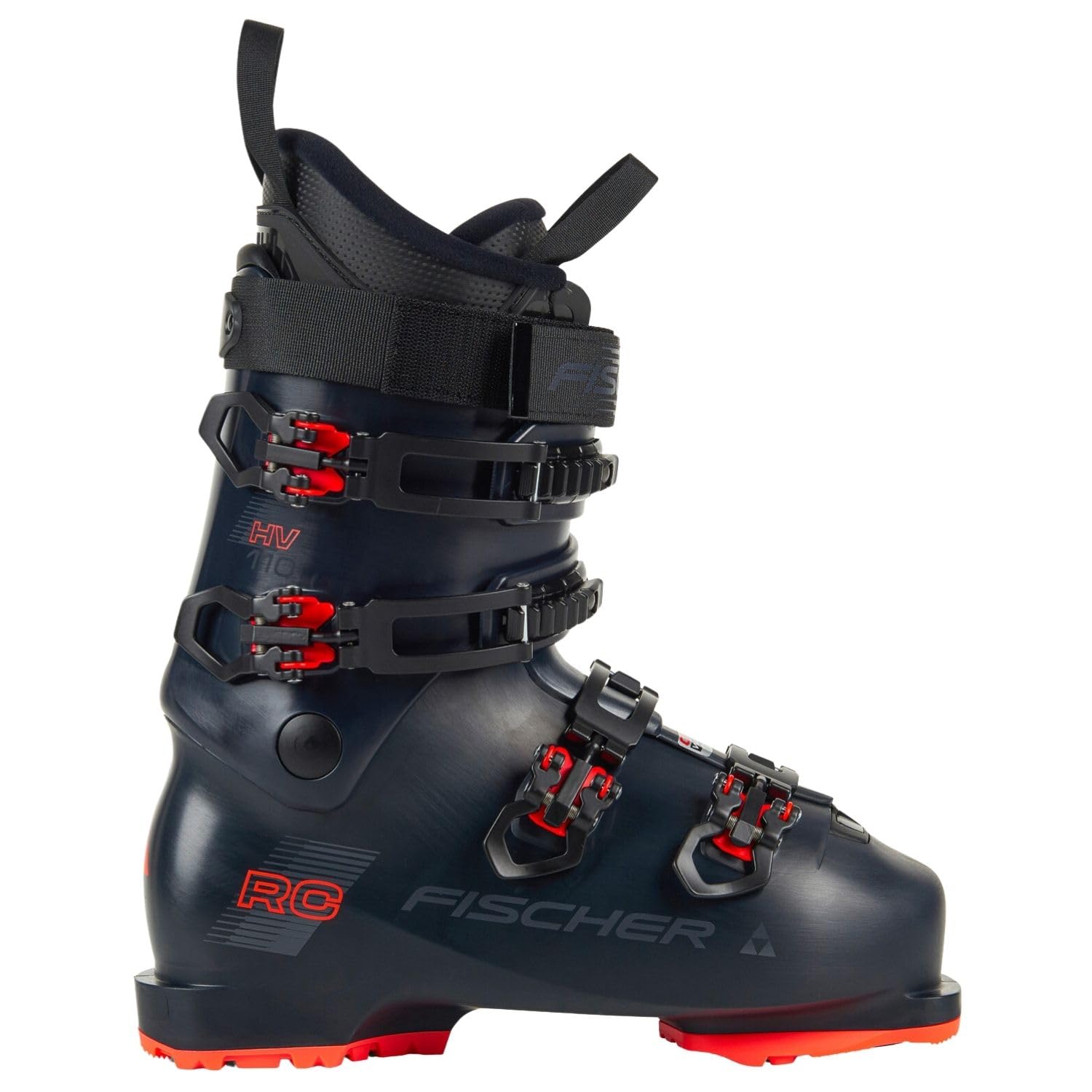

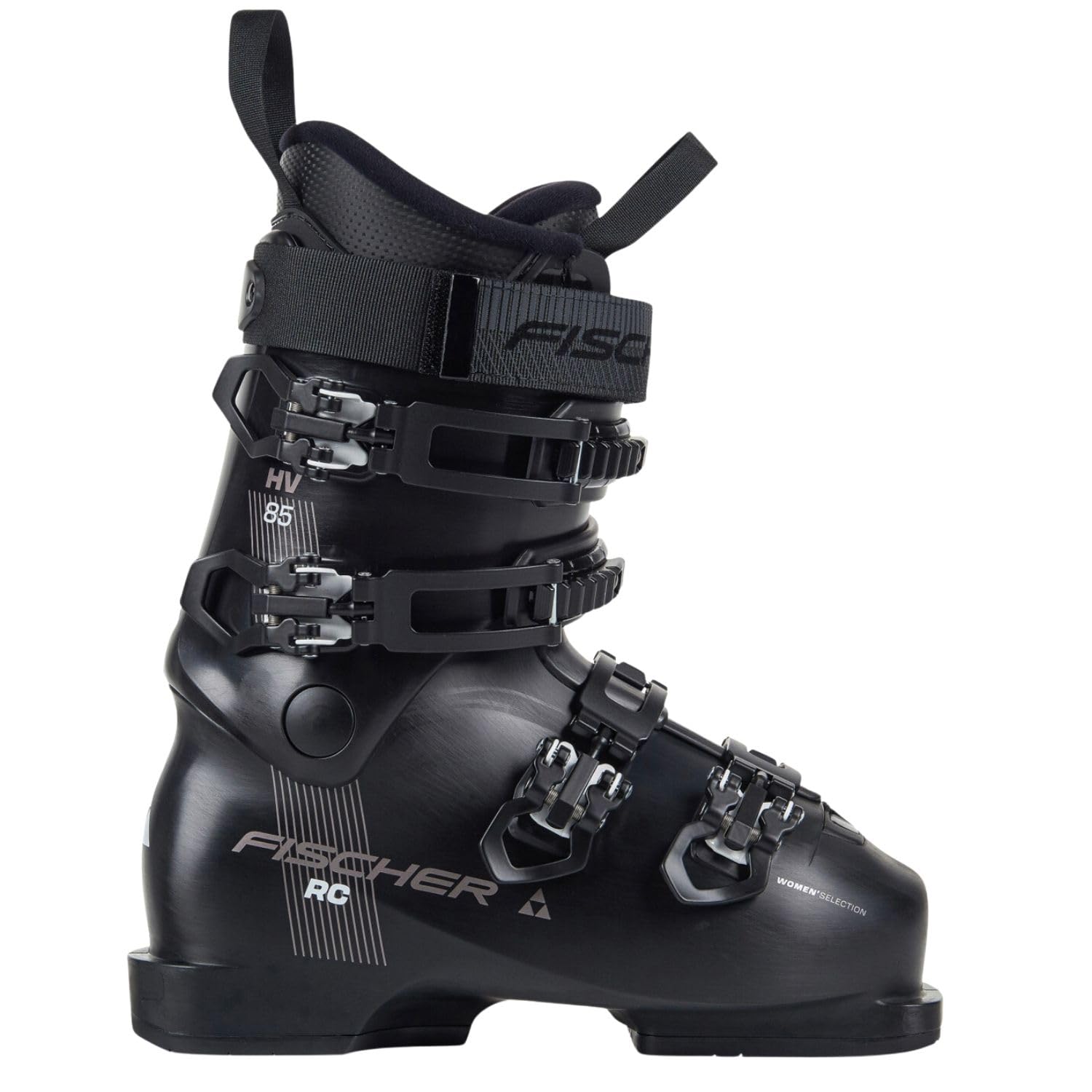

Types of the Best Advanced Ski Boots Compared
| Type | Best For | Pros | Cons | Typical Price |
|---|---|---|---|---|
| Race and frontside | Groomed snow and carved turns | Sharpest edge control and response | Snug fit and stiff on rough snow | about $500 to $900 |
| All mountain performance | Mixed terrain at resorts | Versatile flex and comfort balance | Less precise than race shells | about $400 to $750 |
| Freeride | Steeps, powder, and drops | Shock absorbing soles and strong support | Heavier for long climbs | about $450 to $800 |
| Backcountry touring | Uphill travel and remote descents | Walk mode and light weight | Softer feel on hard resort snow | about $500 to $950 |
Race and Frontside Boots
Race and frontside boots use the stiffest shells, commonly flex 120 to 140, and narrow lasts around 92 to 98 mm. That tight fit delivers instant response when you roll a ski on edge at speed on groomed snow. The cost is comfort, since there is little room for error in sizing. Choose this family if most of your days are spent carving firm pistes and you value precision over all day ease.
All Mountain Performance Boots
All mountain boots soften the formula slightly, with flex ratings around 110 to 130 and lasts of 98 to 100 mm that suit average feet. They handle groomed runs in the morning and cut up snow or bumps later without beating up your shins. Many include heat moldable liners and shells, so a fitter can open a pressure point without losing the close fit elsewhere.
Freeride Boots
Freeride boots are built for steep faces, powder, and variable snow, with strong flex, shock absorbing boot boards, and grippy soles for short hikes. Slightly roomier lasts around 100 to 102 mm leave space for hard landings and swollen feet at altitude. Pick freeride boots if you chase natural terrain more than groomed corduroy.
Backcountry Touring Boots
Touring boots add a walk mode that releases the cuff for uphill strides, plus pin inserts that pair with lightweight touring bindings. Flex often feels lower than the number suggests, because makers save weight with thinner shells and lighter plastics. Skiers stepping up from resort gear often start with the best ski boots for intermediate advanced skiers before committing to a dedicated touring setup.
Race Style vs All Mountain Boots: Which Should You Choose?
These two families overlap the most, so compare them on a few key points. Race boots win on response, since the narrow shell and stiff flex waste no motion between leg and edge. All mountain boots win on comfort across a full day, because the extra volume and moldable liner forgive small fit errors.
Race soles are usually flat alpine soles that demand matching bindings, while many all mountain models ship with grip soles that walk better in the parking lot. If you race, train gates, or carve at high speed daily, choose race style; if your terrain changes by the hour, choose all mountain.
How to Choose the Right Advanced Ski Boot
Flex Rating and Stiffness
Flex numbers describe how much the shell resists forward bending, and they are not standard across brands, so treat them as a within brand scale. Advanced skiers who are heavier or ski fast usually land between 110 and 130, while lighter skiers may find 100 to 120 plenty. A boot that is too stiff pushes you into the back seat on steep terrain, because you cannot flex the ankle enough to stay centered. A boot that is too soft folds under hard turns and washes out the edge.
Fit, Last Width, and Liner Molding
Fit decides more than any single spec, because advanced boots are worn tight by design. Last width should match your foot, roughly 98 mm for narrow feet, 100 mm for average feet, and 102 mm or more for wide feet. Heat moldable liners and shells let a fitter expand one hot spot while keeping heel hold firm. If pain, numbness, or tingling persists after molding and a few ski days, stop and talk to a qualified boot fitter, and ask your doctor if it continues, rather than skiing through it.
Shell Materials and Construction
Most advanced shells use polyurethane for its stable flex in cold weather, while some touring models use lighter plastics that stiffen further in deep cold. Thicker shell walls around the lower leg give the direct feel advanced skiers want, at the price of extra weight. Check that replacement buckles and soles are available for the model, because a boot you cannot repair becomes a short lived purchase.
Buckles, Power Strap, and Forward Lean
Four metal buckles with fine adjustment teeth let you set even pressure from toes to cuff, and a wide power strap firms up the top of the cuff for hard turns. Forward lean angles around 12 to 16 degrees suit most advanced skiers, with more lean favoring an aggressive stance. Avoid overtightening the top buckles to fix a loose heel, because that usually points to a shell volume problem instead.
Binding and Sole Compatibility
Match the boot sole to your bindings before anything else, because alpine soles, grip soles, and pin touring soles follow different standards. Grip soles need bindings marked as compatible with them, and pin inserts only work with tech bindings. Readers weighing a step down in stiffness can compare the best ski boots for intermediate to advanced skiers for models that bridge the gap.
Choosing Advanced Ski Boots for Your Situation
Best Men's Advanced Ski Boots: Which Type Works Best
Men shopping for advanced boots usually choose between the race and all mountain families first, since average male weight and calf shape suit their standard lasts. Heavier or taller skiers should lean toward the top of the flex range in whichever family they pick, because body mass bends a shell more. Men with wide feet should start with 102 mm last models rather than sizing up in length, since extra length moves the foot out of the shaped pocket.
Women face different fit geometry, with lower calf placement and narrower heels, so dedicated models matter more than unisex sizing. Our guide to the best women's ski boots advanced skier options explains those differences in detail. A general overview of the best ski boots across skill levels shows where advanced models sit in the wider market.
How to Make Your Advanced Ski Boots Last Longer
- Dry liners at room temperature after every ski day, and never leave boots on a hot radiator or in a hot car.
- Buckle the shells lightly for storage so the plastic keeps its shape through the off season.
- Store boots indoors away from direct sun and extreme heat, which age plastic and foam.
- Check soles, buckles, and straps for wear before each trip, and replace worn sole pads before they affect binding release.
- Clean grit from walk mode pivots and pin inserts after spring tours so the mechanisms keep moving freely.
- Carry boots by the cuff strap rather than the liner loop to avoid tearing liner stitching.
Frequently Asked Questions
How tight should advanced ski boots feel in the shop?
Advanced ski boots should feel snug everywhere with toes just brushing the front when you stand straight, then pulling clear as you flex forward. Liners pack out during the first several days, so a boot that feels perfect on day one often ends up loose by day ten. Painful pressure on one bone is different from even snugness and should be fixed by molding or shell work.
When should advanced ski boots be replaced?
Advanced ski boots usually need replacement after about 150 to 200 days of hard skiing, when the shell plastic softens and the liner loses its shaped hold. Replace sooner if the flex feels noticeably weaker than when new, buckles run out of adjustment range, or sole wear changes how the binding grips the boot. Cracks around buckle mounts or a cuff that no longer aligns are safety issues, not cosmetic ones.
Do advanced ski boots need custom footbeds?
Most advanced ski boots benefit from custom or quality aftermarket footbeds, because the flat stock insole rarely matches a real arch shape. A supportive footbed stabilizes the foot inside the tight shell, which reduces heel lift and the need to over tighten buckles. Skiers with very flat or very high arches gain the most, since their feet change shape most under load.
Can advanced alpine ski boots be used for backcountry touring?
Advanced alpine boots can handle short sidecountry hikes, but they lack the cuff motion and pin inserts that real touring requires for long climbs. Boots with a walk mode and tech inserts bridge both worlds at some cost to downhill stiffness. If touring becomes half your season, a dedicated touring boot pays for itself in saved energy.
What is the difference between advanced and expert ski boots?
The difference between advanced and expert ski boots is mostly shell stiffness, last narrowness, and how little comfort margin the design leaves. Expert and race models use the narrowest lasts and stiffest flexes, tuned for skiers with strong technique who ski at high speed. Advanced boots keep similar construction but add moldable liners and slightly roomier fits for full day use. Many strong skiers deliberately choose the advanced tier because the small response loss buys a large comfort gain.
The Bottom Line
Type, flex, and fit decide an advanced boot, in that order, and no spec sheet replaces a proper shell check with a fitter. Race shells reward precision, all mountain boots cover the widest range of resort days, and freeride or touring models serve skiers who leave the groomed runs behind. Compare your shortlist with the product table, budget for molding and footbeds, and the best advanced ski boots for your skiing will be the pair you forget you are wearing.


