
The Best Adidas Turf Soccer Shoes: Buying Guide for 2026
Disclosure: We may earn a commission when you buy through links on this page, at no extra cost to you. As an Amazon Associate I earn from qualifying purchases. Learn more

The best adidas turf soccer shoes compared by outsole grip, fit, cushioning, and durability, with price guidance for every level of play.
Artificial turf punishes the wrong shoes. Firm ground cleats dig in too hard and stress your knees, while flat trainers slide when you cut. Turf shoes solve this with dozens of short rubber studs that grip without locking your foot in place. This guide walks you through fit, traction, and durability so you can choose the best adidas turf soccer shoes for your field, your position, and your weekly schedule.
Read the buying guide first, then use the comparison table below to compare prices and sizes on the pairs that match your surface.


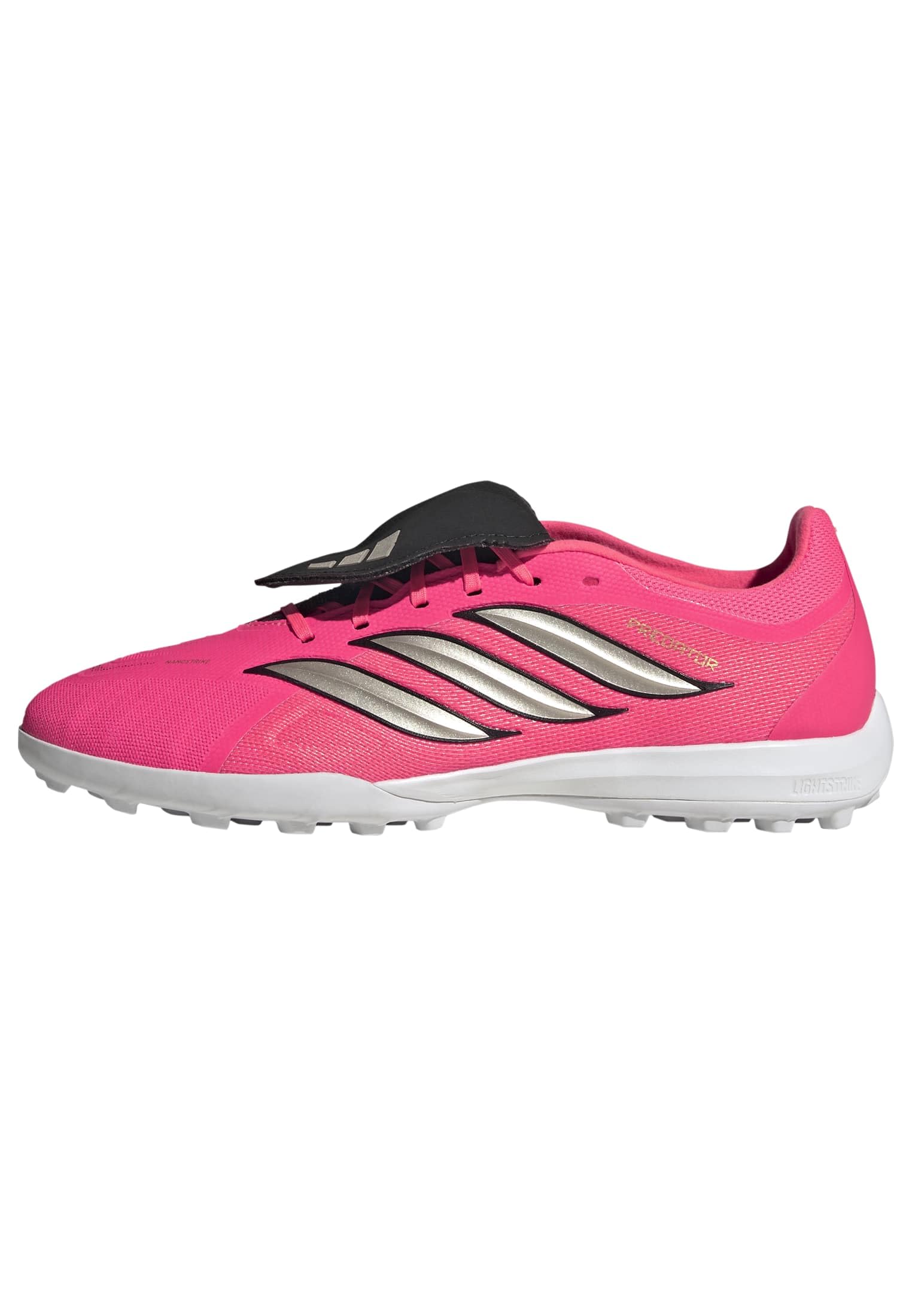

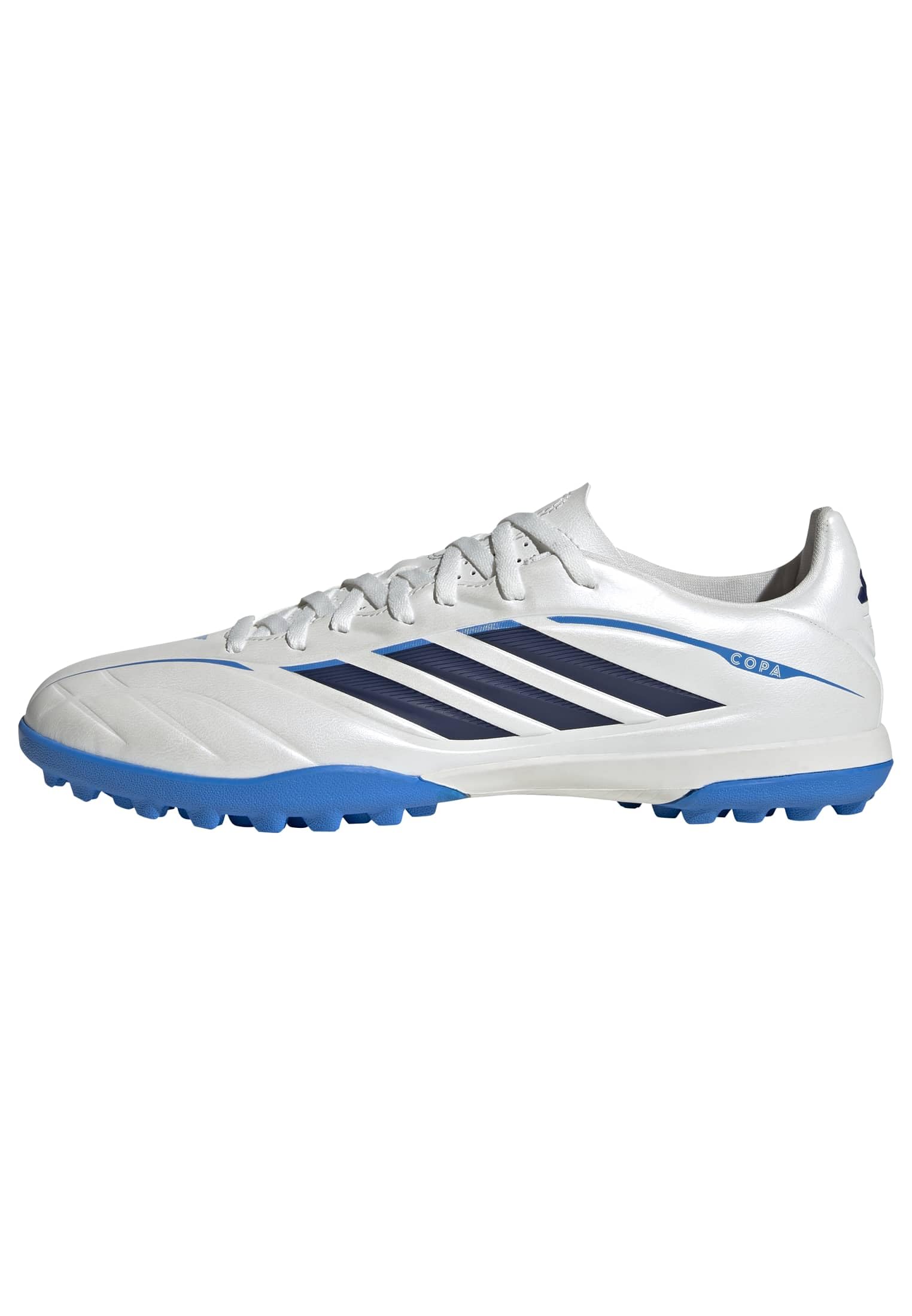
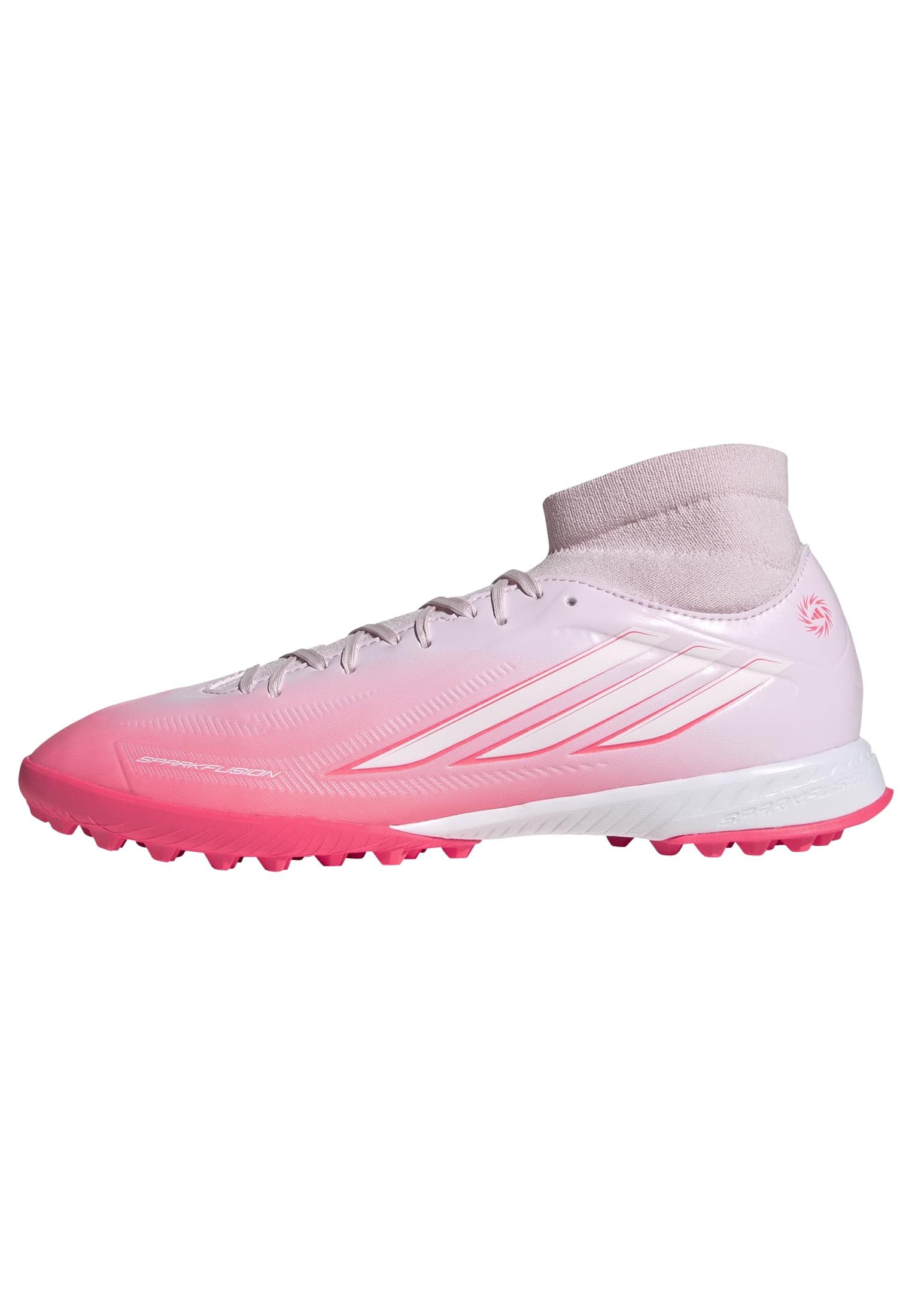


Turf Shoe Profiles: What to Look For
Instead of chasing named models, shop by profile. The three profiles below describe what a good pair looks like at each level of commitment, and any pair in the product table above that matches your profile is a sensible buy.
Best Overall Profile
The strongest all round turf pairs combine a dense pattern of short conical studs, a cushioned EVA midsole, and a durable synthetic or leather upper that holds its shape. Expect a secure heel, a breathable mesh or perforated upper for hot turf, and a rubber compound that grips in dry and slightly damp conditions. Prices usually land around $65 to $100. The limitation is specialization. A true all rounder will not feel quite as light as a speed focused pair or quite as padded as a coaching shoe, but it handles league play, training, and pickup games without complaint.
Best Value Profile
Value pairs, usually around $40 to $65, keep the essential turf outsole and a simple synthetic upper while cutting extras such as premium cushioning foams and textured touch surfaces. They suit players on one or two sessions a week and kids who outgrow shoes quickly. The main strengths are price and toughness, since plain synthetics scuff and tear less easily than fine knit. The limitation shows up in comfort late in long sessions, when thinner insoles leave feet sore. Adding a quality replacement insole later is a cheap way to stretch this tier further.
Best Upgrade Profile
Upgrade pairs, around $100 to $150, add lighter knit or leather uppers, more responsive cushioning, and stud patterns tuned for newer artificial surfaces with longer fibers. Touch on the ball improves, and the fit usually wraps the midfoot more precisely, which helps players who cut and turn constantly. The limitation is care and lifespan. Fine uppers stain, absorb more water, and wear faster on abrasive older turf. Buy this tier when you play several times a week and your current pair, not your budget, is what holds your game back.
How to Choose the Best Adidas Turf Soccer Shoes: Buying Guide
This is the core of the decision. Work through each point with your own feet and fields in mind, and you will narrow the field fast.
Fit, Sizing, and Toe Box
Measure your feet in the evening, wearing the socks you play in, and compare the length in centimeters with the size chart for the specific line. Turf shoes should fit snug through the midfoot with your toes close to the front but never curled. Turf play involves constant short cuts, so heel slip of even a few millimeters causes blisters fast. A toe box with a little vertical room lets your toes spread on hard artificial surfaces, which reduces black toenails across a season. If you are between sizes, most players do better going half a size up and tightening the laces than squeezing into the smaller pair.
Arch Support and Foot Type
Artificial turf is unforgiving, so your arch gets less help from the ground than it does on soft grass. Flat feet that overpronate benefit from a firmer midsole and a structured heel counter that resists rolling during cuts. High arches need more cushioning under the midfoot, since rigid turf shoes can leave pressure concentrated on the heel and forefoot. Many turf models include removable insoles, which lets you swap in your own support if you use one. If you have a history of arch pain, build up playing time in a new pair gradually rather than starting with a full match.
Durability and Expected Lifespan
Turf is abrasive, and durability is decided at the toe and the outsole edges, where shoes drag during shots and turns. Look for reinforced toe stitching or overlays, and rubber that extends slightly up the front of the shoe. A pair used three times a week on turf often lasts one to two seasons before the studs wear smooth. Unlike running shoes, which people replace after about 300 to 500 miles, turf shoes are judged by stud height and upper integrity. When the center studs under the forefoot look rounded and shiny, grip is already fading even if the shoe feels comfortable.
Break In Period and Comfort Out of the Box
Most turf shoes feel playable within one or two sessions, because synthetic and knit uppers flex more easily than stiff leather cleats. Still, plan your first wear for training rather than a league match. Walk and jog in them at home, then do one light session, and check for hot spots at the heel and the little toe. A small amount of forefoot stiffness is normal and fades. Pain on the top of the foot usually means the laces are crushing a low volume upper, so try skipping one eyelet row to relieve pressure before you return the pair.
Outsole Traction and Terrain
The outsole is the whole reason turf shoes exist. Short rubber studs, usually 3 to 5 mm, spread your weight across many contact points, giving grip for cuts while still letting your foot release during turns, which protects your knees. Denser stud patterns suit older, shorter turf and hard packed surfaces. Patterns with slightly longer, spaced studs suit modern longer fiber fields. Avoid using firm ground cleats on turf, since long studs catch and twist, and avoid turf shoes on wet natural grass, where short studs cannot dig in. Some outsoles use rubber compounds similar in spirit to trail brands such as Vibram, prioritizing grip and abrasion resistance over softness.
Weight and Flexibility
Lighter turf shoes feel faster and reduce late game leg fatigue, but the lightest pairs often thin out the midsole and upper protection. A midweight pair usually serves league players best, balancing a flexible forefoot with enough structure for tackles and toe pokes. Flex the shoe by hand. It should bend at the ball of the foot, matching your natural stride, and resist twisting through the midfoot. A shoe that folds easily in the middle will feel unstable when you plant and cut. Players in defensive roles, who strike through the ball often, usually prefer the slightly firmer, heavier end of the range.
Upper Materials and Breathability
Mesh panels keep feet cooler on sun baked artificial fields, where surface heat is a real factor in summer leagues, but full mesh uppers stretch and offer little protection. Leather gives a soft touch and molds to your foot, at the cost of weight when wet and more care. Standard synthetic uppers split the difference, with decent durability and easy cleaning. Many players do best with a hybrid, synthetic at the toe and heel for structure, mesh or knit through the midfoot for breathability. Whatever you choose, look for a padded tongue, because lace pressure on the top of the foot is a common and preventable complaint.
Types of Adidas Turf Soccer Shoes
Sandals and Recovery Footwear
Recovery slides belong in your bag, not on the field. After matches on hard turf, a soft contoured sandal gives your feet relief on the walk to the car and helps your turf shoes dry out between sessions. Just never warm up in them, since a studless sole on turf invites a twisted ankle.
Stability and Support Shoes
Some turf lines lean toward stability, with firmer midsoles, wider bases, and stronger heel counters. These suit heavier players, defenders, and anyone whose ankles roll easily. They feel less nimble than speed oriented pairs but reward you with confidence when you plant your foot under contact or strike long clearances.
Neutral Shoes
Neutral turf shoes use even cushioning and a flexible build with no motion control features. They suit players with normal arches who play mostly midfield or attacking roles built on quick turns. If your feet stay comfortable in standard trainers, a neutral turf pair will likely feel natural from the first session.
Waterproof Boots
Waterproof boots have no role on the turf itself, since tall stiff footwear cannot flex or grip for soccer movements. Their only place in this conversation is winter travel to and from the facility. Keep your turf shoes dry in your bag, change at the field, and your outsole will stay clean and grippy.
Care and Maintenance Tips
- Brush turf pellets and grit off the outsole after every session, because trapped grit grinds the studs down and dulls grip.
- Air dry wet shoes away from direct heat, and remove the insoles so the inside dries fully and odor stays down.
- Rotate two pairs for daily wear or daily training, since foam midsoles need rest days to recover their cushioning.
- Lace properly to prevent heel slip, snug from the bottom eyelets up, and use the extra top eyelet for matches.
- Store shoes loose and unstuffed in a ventilated bag rather than a sealed trunk, where heat and moisture age the glue.
For a broader look at the category beyond one brand, see our guide to the best turf soccer shoes, and if your home field is an indoor court surface, compare the options in the best indoor soccer shoes turf roundup before you buy.
Adidas Turf Soccer Shoes: Your Questions Answered
How often should I replace my adidas turf soccer shoes?
Replace them when the forefoot studs wear smooth, the midsole feels flat and harsh, or the upper tears at the toe. With play three times a week that is often twelve to eighteen months. A simple grip test on your home field tells you more than the calendar. If you start sliding on cuts that used to feel secure, the outsole is done.
How long is the break in period?
One to three sessions is typical for synthetic and knit uppers, and slightly longer for leather. Start with a training session, keep the first wears under an hour, and carry your old pair as insurance. Heel hot spots in session one are common. Ongoing pain after three sessions means the fit is wrong, not that the shoe needs more time.
Do I need waterproof shoes?
No. Turf shoes are not waterproof, and membranes such as Gore Tex would trap heat on already hot artificial surfaces. Synthetic uppers shed light rain well enough for outdoor turf. The smarter move is care after wet sessions. Empty the shoes, loosen the laces fully, and dry them with moving air so the materials and glue last longer.
How should adidas turf soccer shoes fit?
Snug through the midfoot and heel, with your toes close to the front and able to lie flat. Turf cutting motions punish loose heels, so no slip is the priority. Players with wide feet should look for wide specific models rather than sizing up, since extra length invites toe jams. Our guide to the best turf soccer shoes for wide feet explains the width options in detail.
Can I wear them all day?
You can wear turf shoes for coaching, reffing, or a day around the facility, and many people do, because the flat studded outsole walks fine on pavement for short stretches. All day use on concrete does wear the studs down, though, so a dedicated pair for play is smarter if you compete weekly. For long standing shifts, the modest cushioning will feel thin by evening compared with a real trainer.
Are expensive adidas turf soccer shoes worth it?
They are worth it when you play often enough to use the lighter uppers and better cushioning every week, and when your home surface is good quality turf that rewards a refined stud pattern. Casual players get better value from the middle tier plus a second pair later. One cost people forget is replacement timing. Premium uppers wear faster on rough older turf, so price per season can climb quickly for heavy users.
Our Verdict
Match the outsole to your surface first, then fit, then cushioning. Players who split time between turf and grass should also read our main best adidas soccer shoes guide to compare outsole families before choosing. With the right profile, the best adidas turf soccer shoes in the comparison table above will grip cleanly, protect your knees, and survive the season. Players coming from other surfaces may also find the overview of best soccer shoes for artificial turf helpful for a final check.


