
Best Adidas Soccer Shoes by Budget: A Smart Guide for 2026
Disclosure: We may earn a commission when you buy through links on this page, at no extra cost to you. As an Amazon Associate I earn from qualifying purchases. Learn more

Compare the best adidas soccer shoes at every price point. Learn what you get at budget, midrange, and premium levels and where spending more pays off.
Adidas soccer shoes span a huge price range, from entry level pairs under $50 to elite models well above $200, and the listings rarely explain what the extra money actually buys. Paying more sometimes gets you lighter materials and a closer fit, and sometimes it only gets you the colors the pros wear. This guide shows where each dollar tier changes how a shoe feels and lasts, so you can pick the best adidas soccer shoes for your level without overspending.
Decide your tier first using the sections below, then check the comparison table below for current prices inside that tier.
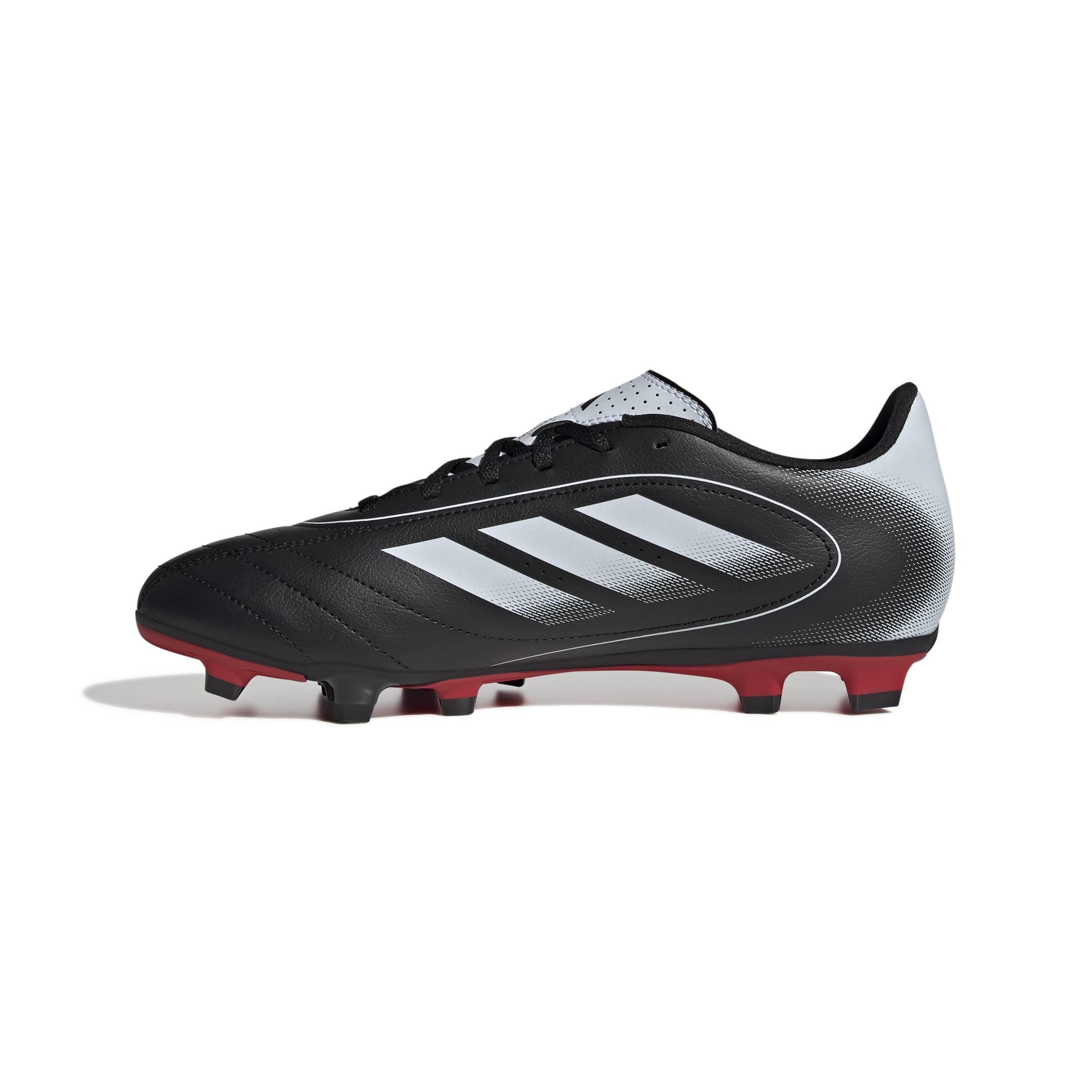
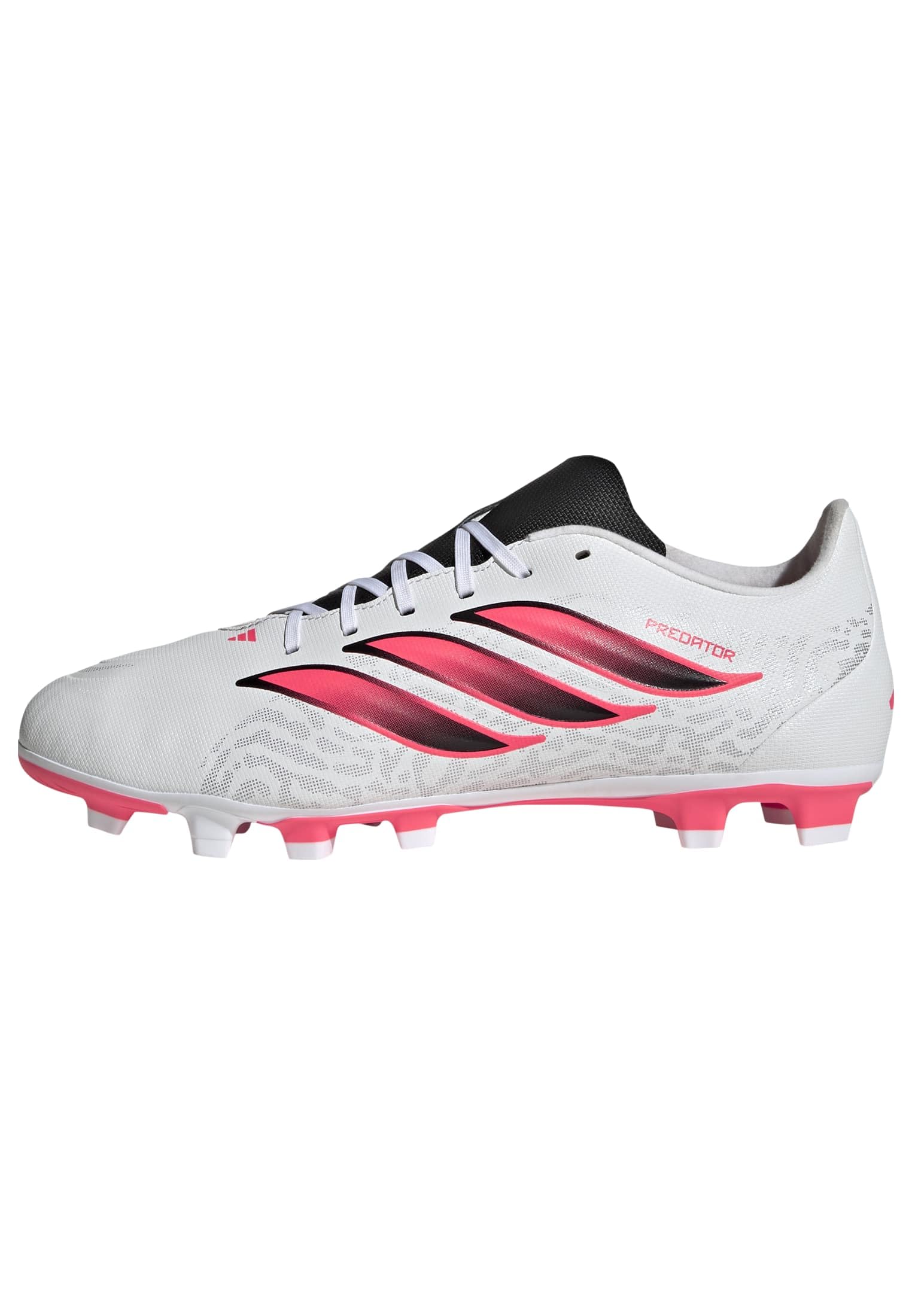
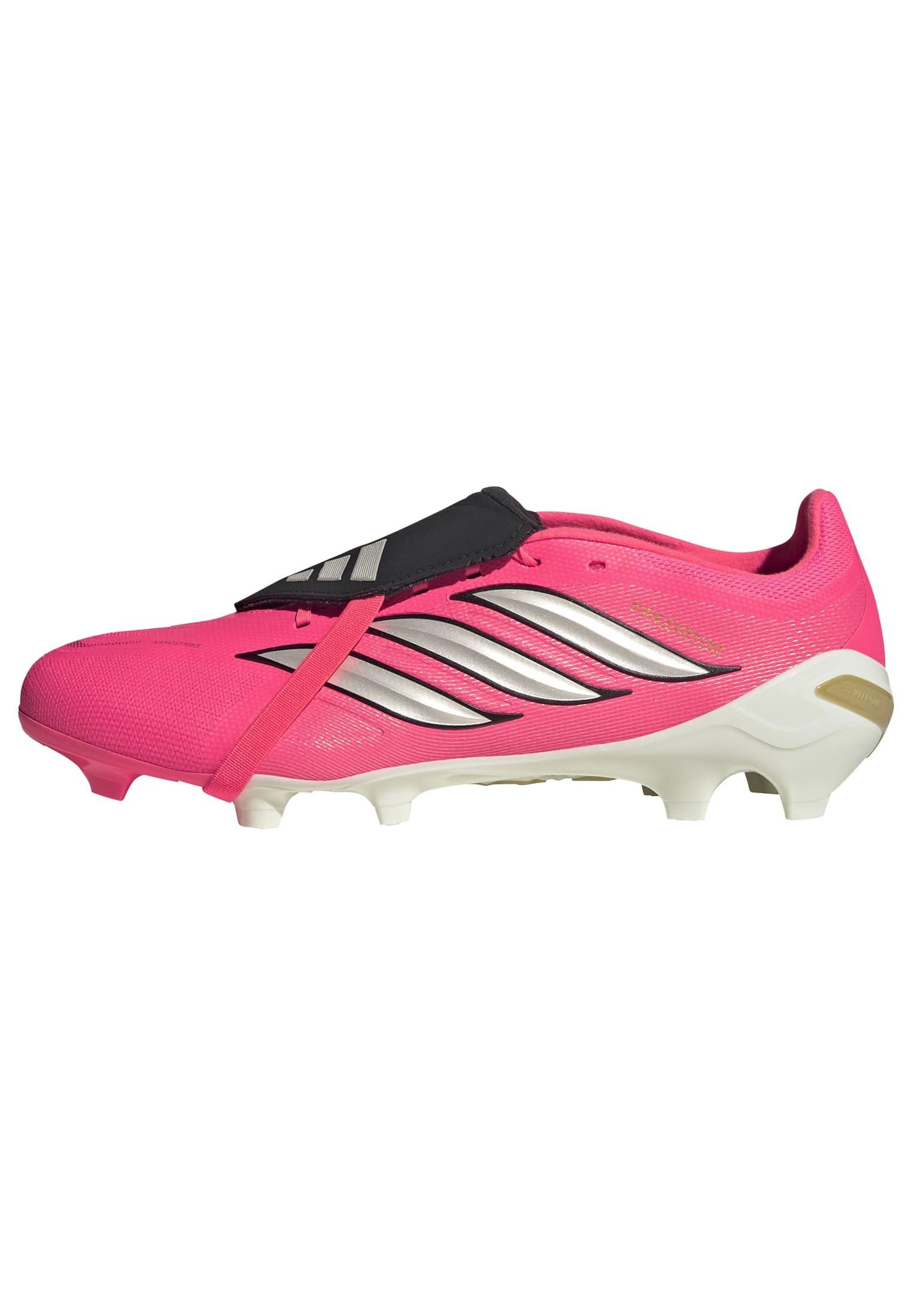
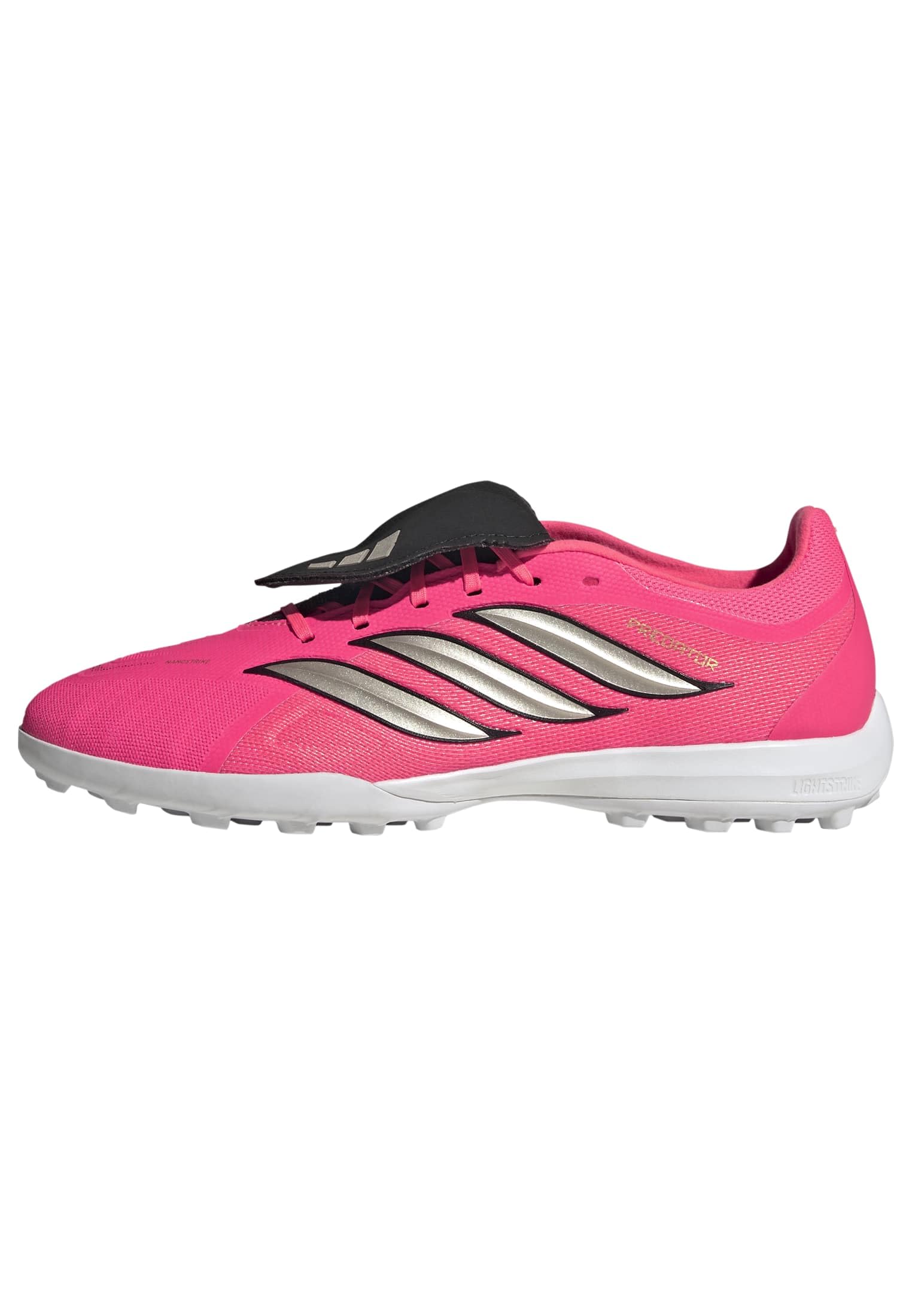


Budget Tiers at a Glance
Think of the three tiers as three different promises. Budget pairs promise basic durability for casual play. Midrange pairs promise real performance features for regular league soccer. Premium pairs promise the lightest, closest fitting build for players who notice small differences at full speed. None of these promises is wrong. The mistake is paying for a promise your game cannot use.
Budget Tier: Who It Suits
Budget tier pairs, usually under $60, suit new players, casual pickup games, and parents buying for fast growing kids. You get a synthetic upper that shrugs off mud and rain, a firm ground outsole with molded studs, and enough cushioning for an hour of play. The fit runs wider and less sculpted, which many beginners actually prefer. The limitation is touch and weight. Thicker uppers mute your feel on the ball, and the shoe feels heavier during the second half. For one or two sessions a week, none of that matters much, and the savings are real.
Midrange Tier: Who It Suits
Midrange pairs, roughly $60 to $130, suit league players who train and play several times a week. This tier adds thinner, softer uppers, better shaped stud patterns, and a fit that hugs the midfoot without crushing it. Ball feel improves noticeably, and the shoes usually weigh less than budget pairs. The limitation is durability at the toe, where softer materials scuff faster on rough fields. For most adult players this is the tier where money turns directly into performance, which is why it anchors our wider comparison of the best soccer shoes across brands as well.
Premium Tier: Who It Suits
Premium pairs, roughly $130 to $275, suit advanced players who sprint, cut, and strike the ball at full intensity every week. You get ultralight knit or leather uppers, refined stud geometry for specific surfaces, and a fit molded closely to the foot. Small gains in touch and lockdown are the whole point. The limitation is lifespan and surface range. Elite materials wear faster, and many premium outsoles suit one surface only. If you play on mixed or poor fields, a premium pair can be a worse tool than a sturdy midrange one.
What Your Money Gets You at Each Price Tier
Budget Tier: What to Expect
Expect synthetic uppers, simple padding at the heel and tongue, and firm ground studs that handle grass and firm dirt. Weight sits at the heavy end, and the insole is basic flat foam. What you do not get is a close touch surface or surface specific studs. Budget pairs also tend to use one outsole for every model, so traction feels fine on dry grass and less secure on wet ground. If you play mostly on turf, skip firm ground budget pairs and look at our guide to the best adidas turf soccer shoes instead, because stud length matters more than price at that point.
Midrange Tier: The Sweet Spot for Most Buyers
Midrange money buys the features that change games. Uppers get thinner and more textured, which improves grip on the ball in wet conditions. Stud patterns split into firm ground and artificial ground versions, so you can match your home field. Insoles gain real shaping, and heel counters stiffen for sharper cuts. This tier also tends to offer the widest size and width range. Most players who upgrade from budget to midrange describe the same two gains, cleaner first touch and less foot fatigue late in matches, and both come from fit and materials rather than branding.
Premium Tier: When Spending More Pays Off
Spending more pays off when your game already tests the limits of a midrange shoe. Elite knit uppers mold to your foot within a few sessions and give a barefoot style touch that synthetic uppers cannot match. Premium leather versions offer a soft, dampened touch that many strikers prefer. Studs get lighter metals or advanced shapes on some versions, and every gram saved matters across ninety minutes of sprinting. The honest test is simple. If you cannot name a specific weakness in your current midrange pair, premium money will likely buy you style rather than performance.
Features Worth Paying For (and Ones to Skip)
Break In Period and Comfort Out of the Box
Comfort on day one is worth paying for if you play in tournaments or travel for matches, because a long break in period can cost you a weekend. Knit and soft synthetic uppers usually feel good immediately, while leather needs several sessions to mold. At every tier, check heel padding and tongue thickness in photos and descriptions. A padded heel collar prevents the blisters that ruin more first weeks than any stud pattern. Never judge comfort by squeezing the shoe in your hands. Wear it, walk, and jog a few steps on carpet before removing the tags.
Upper Materials and Breathability
Upper material is the feature most worth your money. Leather gives a soft touch and molds to your foot, but it absorbs water and needs care. Knit gives the closest fit and good breathability, though it offers less protection when you get stepped on. Standard synthetic is the budget answer, durable and water resistant but stiffer and less breathable, so feet run hotter in summer leagues. Match the material to your climate first and your position second. Defenders who clear the ball all game often prefer tougher synthetics, while attackers gain most from leather or knit touch.
Cushioning and Support
Soccer shoes carry far less cushioning than running shoes, and that is by design, since a low profile keeps you stable when you cut. What you should pay for is a shaped insole and a firm heel counter, not thick foam. Heel to toe drop stays very low in this category, which keeps your foot close to the ground for balance. Players with sore heels can add a thin gel insert, but thick aftermarket insoles raise your foot and ruin the lockdown. If you need real arch support for a medical reason, talk with a clinician about options that fit inside a low volume shoe.
Fit, Sizing, and Toe Box
Fit is the one feature you should never trade away to reach a cheaper tier. Measure your feet in the evening, wear your soccer socks, and aim for a close fit with your toes just off the front of the shoe. Soccer shoes fit snugger than trainers, but your toes should not curl or press hard enough to bruise nails. Wide feet need either a leather upper that stretches or a model built on a wider last. Adidas lines vary, so compare length in centimeters across models instead of trusting one size everywhere. Players who split time between grass and turf should also weigh the options in our best turf soccer shoes guide before committing.
Long Term Costs to Factor In
The purchase price is only part of the bill. Budget pairs play one season for most adults, midrange pairs often last one to two seasons, and premium pairs can wear out faster than midrange ones despite costing double, because elite materials trade durability for weight. Add the cost of replacement insoles, laces, and leather care products where relevant. Surface mismatch is the hidden cost that dwarfs the rest. Firm ground studs used weekly on artificial turf wear down fast and raise injury risk, so owning the right outsole for your main field protects both your shoes and your knees. A two pair strategy, one firm ground and one turf pair, often costs less over two years than replacing one misused premium pair.
Adidas Soccer Shoes: Your Questions Answered
How should adidas soccer shoes fit?
They should fit close and secure, with your longest toe nearly touching the front and no heel lift when you sprint or cut. A snug midfoot matters most, because that lockdown controls the shoe when you strike the ball. Leather uppers relax about half a size with wear, so they can start tighter than knit or synthetic pairs, which barely stretch. Try both feet, since most people have one foot slightly larger, and fit to the larger one. If your toes feel painfully pinched after ten minutes indoors, exchange the size rather than hoping for a miracle.
Do I need waterproof shoes?
No, soccer shoes are not built as waterproof footwear, and membranes such as Gore Tex are rare in this category because they would trap heat. What you need is water management. Synthetic uppers shed rain best, leather absorbs water and gets heavy unless you treat it, and knit sits between the two. After wet matches, stuff the shoes with newspaper and air dry them away from direct heat. One extra tip is rotating socks at halftime in heavy rain, which keeps your feet drier than any upper can.
How often should I replace my adidas soccer shoes?
Replace them when the studs wear down to nubs, the upper cracks or tears at the toe, or the heel counter softens and lets your foot roll. Playing three times a week, most pairs last one to two seasons. A quick check helps. Set the shoes on a flat surface and look from behind. If they lean visibly to one side, the structure is done even if the upper still looks fine. Keeping a simple note of your first match in each pair makes the decision easier later.
Are expensive adidas soccer shoes worth it?
They are worth it for advanced players who train daily and can feel small differences in touch and weight at full speed. For everyone else, midrange pairs deliver most of the performance for half the money, and the savings can fund a second surface specific pair. Expensive models also wear faster, so the cost per season can double twice over. Ask yourself one question before upgrading. What exact problem will this pair solve in my game? If you cannot answer in one sentence, stay in the midrange tier.
Can I wear them all day?
No, soccer shoes are poor all day footwear. The low cushioning, narrow fit, and studded outsole are built for grass, not pavement or long standing shifts. Studs also grind down quickly on concrete, which ruins the traction you paid for. Keep a pair of trainers for the rest of the day and change at the field. If you coach and stand for hours, choose a turf version with many small studs and add a cushioned insole, since that setup handles sideline duty far better than firm ground cleats.
How long is the break in period?
Most synthetic and knit pairs feel good within one or two training sessions, while leather pairs need three to five sessions to mold fully. Wear new shoes first for short practices and ball work, not a full match, and bring your old pair as a backup. Warm leather with your hands and flex the forefoot gently before the first wear to speed things along. Blisters during break in usually point to heel slip, so tighten the laces through the extra top eyelet before blaming the shoe.
Final Thoughts
Pick your tier by how often you play, then spend inside that tier on upper material and fit rather than color. Most league players land in the midrange and never miss the premium tier. Check the product table above for current prices in your tier, and remember that the best adidas soccer shoes for you are the ones that match your surface, your foot shape, and your weekly schedule.


