Best Adidas Shoes for Men 2026: A Practical Guide
Disclosure: We may earn a commission when you buy through links on this page, at no extra cost to you. As an Amazon Associate I earn from qualifying purchases. Learn more

Compare adidas shoes for men by daily wear, running, and training needs, with fit, sizing, and durability guidance for everyday use and sport.
Men's adidas shoes cover daily walking, running, training, and casual wear, and the differences between those uses matter more than the logo. This guide to best adidas shoes for men helps you sort everyday comfort from sport specific performance so you buy a pair that suits your actual week. The comparison table below outlines the main categories.
Many buyers choose by style and then discover the shoe is wrong for their main activity. A soft running shoe can feel unstable for lifting, while a firm training shoe can feel harsh on a long walk. Starting from use, then fit, then style, leads to a better purchase.


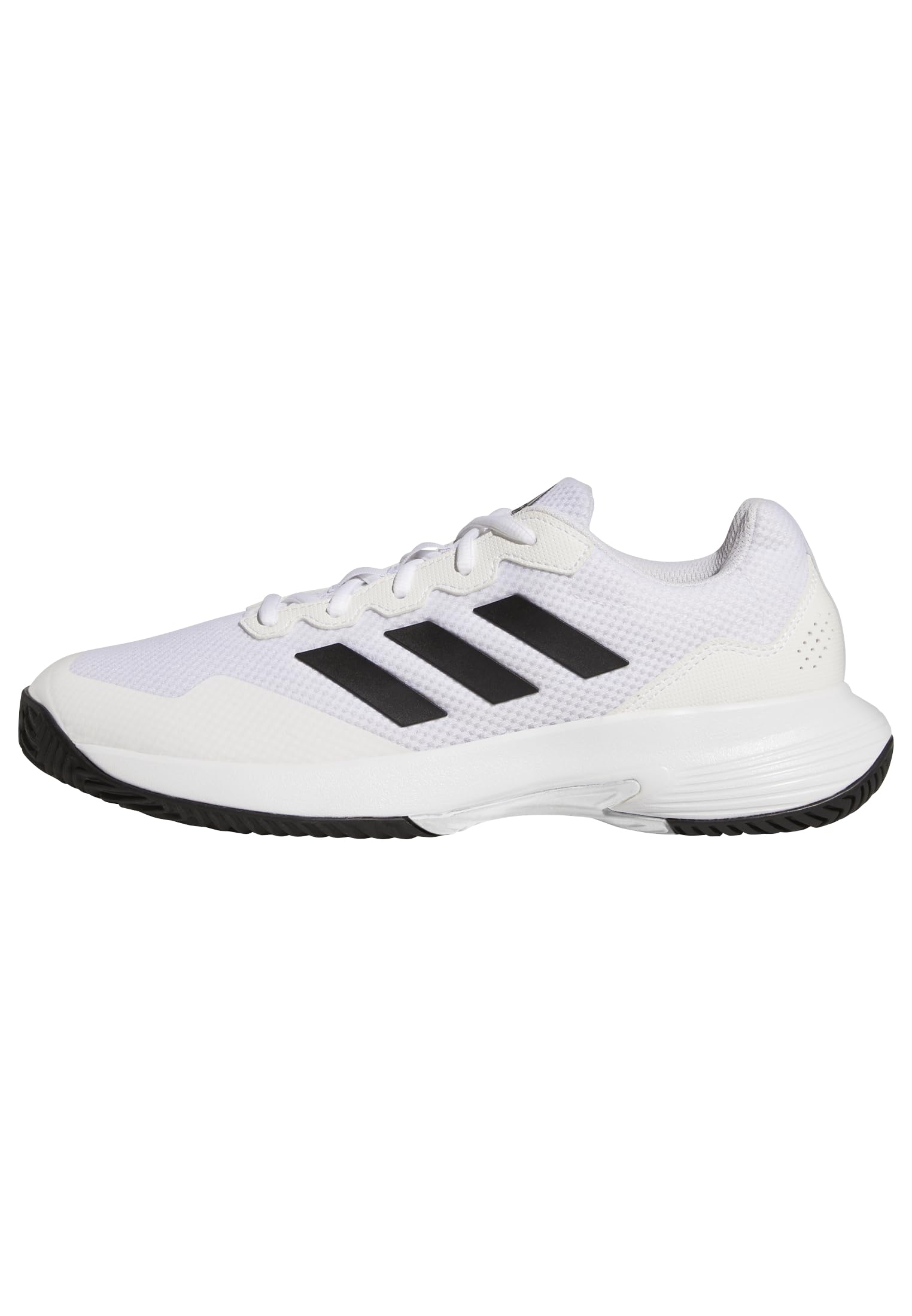

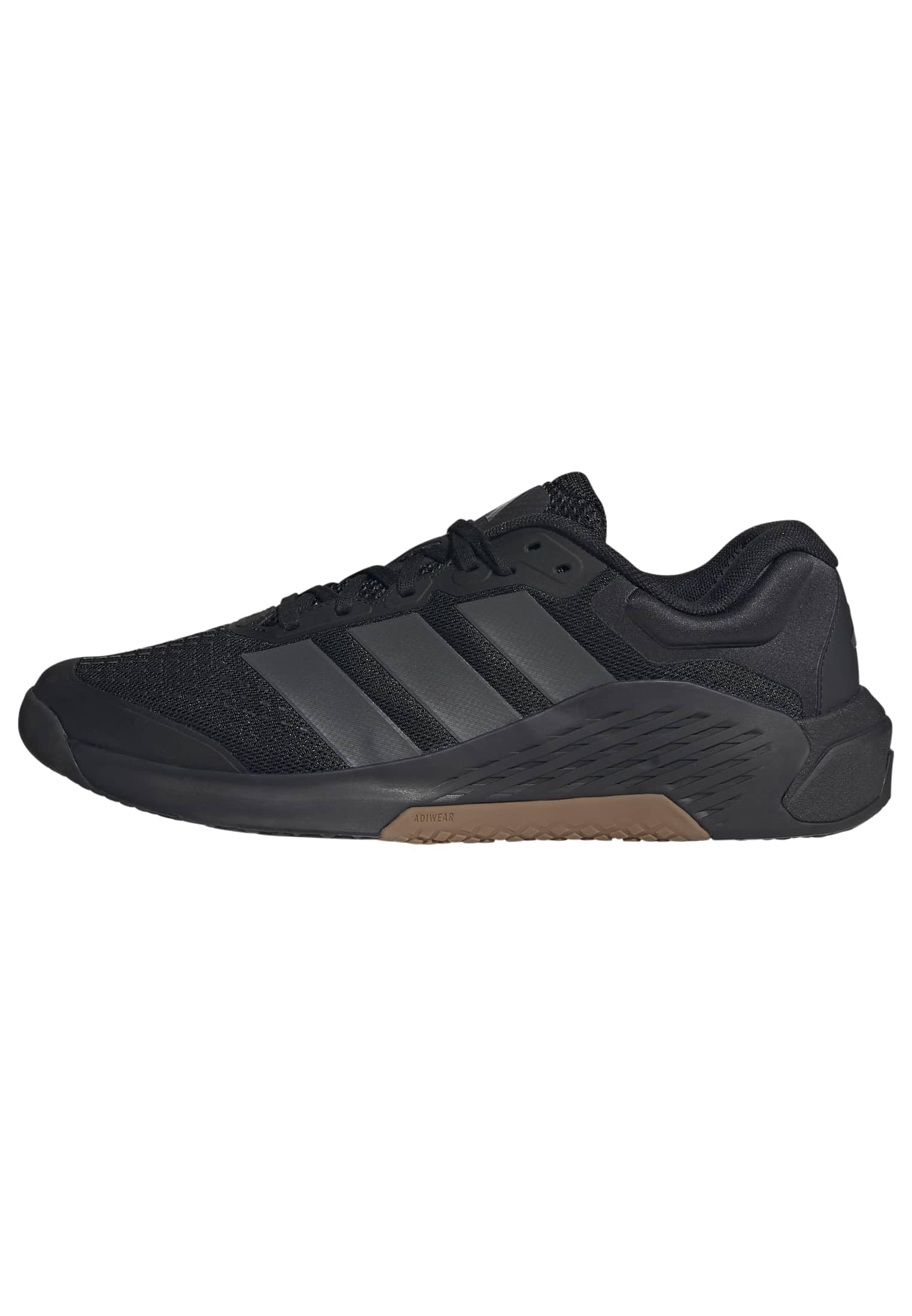


Who Should Buy Which Type
Daily wear buyers need cushioning, breathability, and an outsole that grips pavements in wet weather. Runners need responsive cushioning, a smooth heel to toe transition, and a fit that holds the midfoot without squeezing toes. Gym trainers need lateral stability and a firmer base. Naming your main use first narrows the range quickly.
If you wear one pair for everything, choose a versatile trainer with moderate cushioning and a stable base rather than an extreme specialist shoe. Accept that it will be a compromise, and rotate it with a second pair if you train daily. That rotation also extends the life of both pairs.
Fit and Sizing Guidance
Adidas sizing can vary between models, so treat your usual size as a starting point and try before you buy where possible. Check length with a thumb width ahead of the longest toe, width across the forefoot, and heel hold during a lunge and a brisk walk. Feet differ in size, so fit the larger foot and adjust lacing on the smaller side.
Try shoes late in the day with your usual socks, and walk on a hard surface as well as carpet. New shoes should feel comfortable immediately, with no sharp pressure at toes, arches, or ankles. Minor break in softens materials slightly, but it does not fix a shoe that is too short or too narrow. For walking led use, best walking shoes for men focuses on all day comfort.
Running, Training, and Daily Wear Compared
Running shoes prioritise forward motion and shock absorption, with softer foam and a rocker shape that aids stride. Training shoes prioritise lateral support and a lower, firmer platform for weights and classes. Daily wear shoes sit between, with comfort and durability for mixed use but less specialisation for sport.
Outsole patterns also differ. Running outsoles favour forward grip and light weight, training outsoles favour multidirectional grip, and daily outsoles favour durability on pavements. Check the outsole for your main surface, since a smooth sole that feels fine indoors can slip on wet pavements. For running specific models, best adidas running shoes for men narrows the choice.
Materials, Care, and Durability
Mesh uppers breathe well in warm weather but scuff faster than leather or reinforced synthetics. Knit uppers hug the foot comfortably yet offer less structure for lateral movement. Leather and suede look smart for daily wear but need protection from rain and stains. Match material to your climate and use, not only to appearance.
Care extends life noticeably. Air shoes after wear, avoid leaving them in hot cars, and clean mesh with a soft brush and mild soap rather than harsh chemicals. Replace shoes when foam feels flat, the heel counter collapses, or grip wears smooth. For general men's comparisons, best shoes for men covers other brands and styles as well.
Mistakes Worth Avoiding
Choosing purely on colour or limited edition appeal is the most common error, followed by buying a running shoe for heavy lifting. Another mistake is ignoring width: a long enough shoe that is too narrow still causes blisters and numbness. Width options and a roomier last matter more than forcing a standard width to work.
Do not judge a shoe only by standing still. Walk briskly, climb stairs if possible, and test the movements you actually do. Check return policies before ordering online, and keep the box until you have worn the shoes indoors for a proper trial. For training led use, best workout shoes for men and for style led shortlists, best looking adidas shoes can help after fit is settled.
Choosing by Lifestyle Rather Than by Category
Many men buy shoes by category labels such as running or training, yet lifestyle often predicts satisfaction better, since commuting, desk work, weekend walks, and occasional sport each stress shoes differently. A commuter who walks to a station daily needs durable outsoles and weather resistance, while a desk worker who trains at lunch needs a shoe that transitions between office and gym without looking out of place. List your daily movements before browsing categories.
Weekend activities also shape the choice, since a shoe that handles city pavements may struggle on country paths or wet grass. If weekends involve trails, parks, or outdoor sport, favour outsoles with deeper tread and uppers that resist scuffs and moisture. A single pair rarely covers every weekend activity well, so consider whether a second pair for outdoor use is worth the cost.
Travel adds another dimension, since a shoe that packs light, dries quickly, and suits varied surfaces serves trips better than a heavy specialist shoe. If you travel frequently, prioritise versatility, easy cleaning, and a neutral style that pairs with different outfits. That versatility often matters more than marginal performance gains in any single activity.
Getting Value From Everyday Shoes
Value in everyday shoes comes from durability and comfort over months, not from the lowest purchase price alone. A slightly more expensive shoe with a durable outsole and resilient foam often costs less per month than a cheap shoe that flattens quickly and needs early replacement. Track how long your current shoes last and what fails first, since that pattern guides where to spend next time.
Simple care extends value noticeably, starting with airing shoes after wear and rotating pairs where possible. Clean mesh gently, protect leather and suede from rain, and replace laces when they fray rather than tolerating loose fit. Store shoes away from direct heat and sunlight, since heat degrades foam and adhesives faster than normal wear alone.
Finally, keep an eye on fit changes over time, since feet change with age, weight, and activity levels. A size that served for years may no longer suit, and forcing an old size causes blisters and joint discomfort. Measure again feet occasionally, especially after long breaks from activity or significant weight change, and try shoes with fresh eyes rather than assuming past sizes still fit.
A Final Check Before You Order
Before ordering, measure both feet late in the day and fit the larger foot, since feet differ in size and swell with activity and heat. Try shoes with your usual socks, walk on hard surfaces, and test stairs and lunges where possible. A shoe that fits only while standing still may reveal problems during real movement, so trial movement matters more than a quick shop walk.
Also check the outsole for your main surfaces, since city pavements, wet paths, and gym floors each demand different tread. A smooth sole that feels fine indoors can slip on wet pavements, while deep tread that grips trails feels clumsy on smooth floors. Match tread to the surfaces you cover most days, not to occasional outings.
Finally, keep the box and receipt until you have worn the shoes indoors for several days, and inspect stitching, sole bonding, and lace eyelets during that trial. Early manufacturing faults usually show quickly, while fit problems appear after longer wear. A careful trial period protects both comfort and your right to exchange.
Frequently Asked Questions
Do adidas men's shoes run true to size?
It varies by model, so use your usual size as a starting point and try before you buy where possible. Running models and knit uppers can fit differently from leather daily shoes. Check length, width, and heel hold with your usual socks, and use retailer size guidance for the specific model.
Can one pair work for running and daily wear?
Yes, for moderate running and daily wear, a versatile running trainer works well. It will wear faster than a dedicated daily shoe if used for long runs daily, and it will not suit heavy lifting. For high mileage or heavy training, specialist pairs last longer and perform better. Note your room, usage, and budget before narrowing the shortlist.
What should I check for wide feet?
Look for wide fit options or models with a roomier forefoot, and check that toes can spread without pressing the upper. A shoe that is long enough but too narrow still causes problems. Try the larger foot first, and consider lacing techniques that relieve forefoot pressure. Note your room, usage, and budget before narrowing the shortlist.
How do I keep white adidas shoes clean?
Brush off dry dirt first, clean with mild soap and a soft brush, and air dry away from direct heat. Protect new shoes with a suitable spray for the material, and avoid machine washing unless the maker allows it. Regular light cleaning beats occasional harsh scrubbing. Revisit the choice after a short trial period to confirm it still suits you.
When should I replace men's trainers?
Replace them when cushioning feels flat, support fades, or the outsole wears smooth in grip areas. Persistent foot, knee, or back pain deserves a clinician or podiatrist check rather than only new shoes. Daily trainers used heavily often need replacement sooner than occasional wear pairs. Check maker guidance and compare a few models before you decide.
Final Thoughts
Start from your main use, then fit, then style, and you will avoid the most common disappointment with men's trainers. A versatile pair suits mixed weeks, while specialist pairs repay runners and lifters who train often. The product table above can help you compare categories, and best adidas shoes for men are best chosen by how they feel through your real movements. If pain persists despite well fitting shoes, talk with your clinician or a podiatrist.