
Best Adidas Hiking Boots at Every Price in 2026: What Your Money Really Gets You
Disclosure: We may earn a commission when you buy through links on this page, at no extra cost to you. As an Amazon Associate I earn from qualifying purchases. Learn more

Compare the best adidas hiking boots at every price point. Learn what you get at budget, midrange, and premium levels and where spending more pays off.
Prices for adidas hiking boots span a wide range, and the gap is not always obvious from a product photo. The best adidas hiking boots for your trails depend on where the extra money goes, into grip, support, waterproofing or materials that last longer. This guide breaks down each tier so you can read the comparison table below knowing what each dollar buys.
Match the boot to your mileage, your terrain and the weather you hike in most. A casual walker on dry paths needs far less boot than a backpacker crossing wet rock with a loaded pack. The tiers below show where spending more pays off and where it simply adds cost.

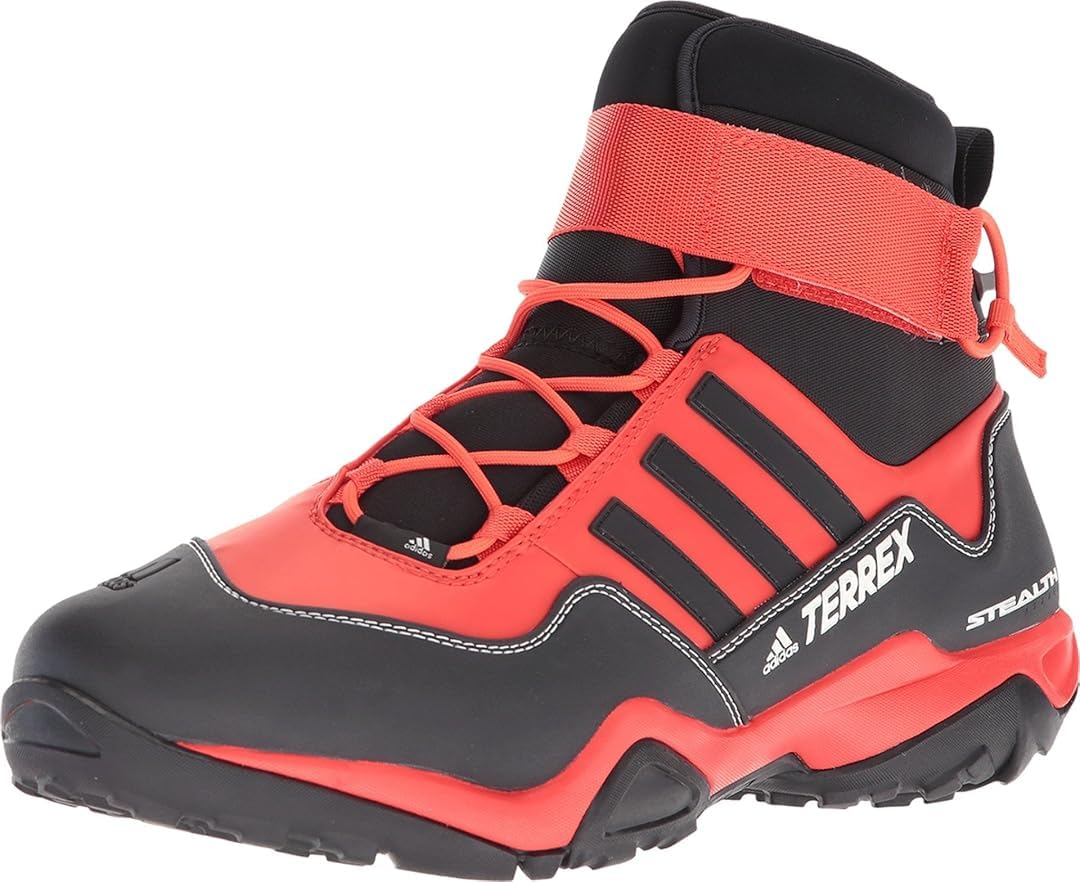


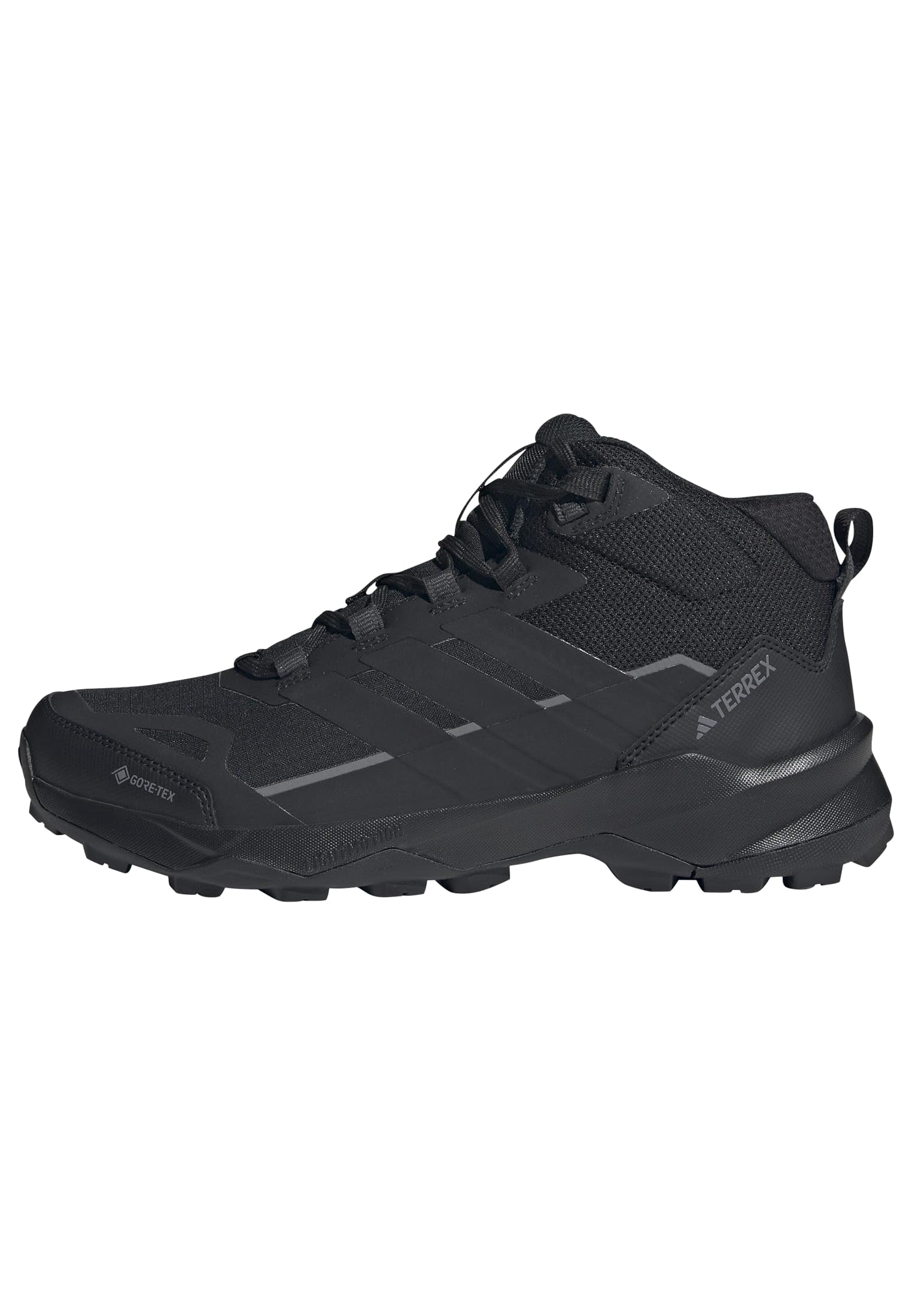


Who Should Buy Adidas Hiking Boots at Each Budget?
Start with the hiker you are today. Your weekly mileage and pack weight decide how much structure you need underfoot. If your household shops across fits, see our guide to the best ladies hiking boots for notes on narrower heels.
Casual Day Hikers on Easy Trails
You hike a few times a month on groomed paths and gentle forest tracks, usually for two hours or less. A budget boot with a soft collar and light cushioning covers this ground well. You do not need a stiff sole or a tall shaft on even ground.
Weekend Hikers Covering Longer Miles
You hike most weekends, often for four hours or more, on routes with roots, loose gravel and steady climbs. A mid tier boot earns its price through deeper lugs, firmer arch support and an upper that holds your foot steady on descents.
Backpackers Carrying Heavy Packs on Rough Ground
You carry a loaded pack over rocky, muddy or uneven terrain, sometimes for several days in a row. A premium boot with a supportive shank, protective toe cap and durable upper protects your feet under that extra weight. Cheaper boots flex too much under a heavy load.
What Each Price Tier Buys in an Adidas Trail Boot
Adidas hiking boots fall into three broad bands on Amazon US. The tiers below describe what typically changes as price rises.
Budget Tier: Simple Grip and Light Cushioning for Easy Ground
Budget pairs cost about $60 to $100. Expect a mostly synthetic or mesh upper, a shallow lug pattern and soft cushioning that feels pleasant on packed dirt. Water resistance, if present, usually comes from a coating rather than a membrane. These boots suit dry weather and short hikes.
Mid Tier: Deeper Lugs and Steadier Support for Frequent Miles
Mid tier pairs cost about $100 to $170, and this band brings the changes most hikers actually feel. Outsoles gain deeper, wider spaced lugs that shed mud and grip wet roots better. Uppers mix tougher synthetic panels with leather in high wear zones, and many models add a waterproof membrane.
Premium Tier: Durable Materials and Protection for Demanding Terrain
Premium pairs cost about $170 to $250. You pay for full grain or nubuck leather uppers, or advanced synthetics, plus membranes such as Gore Tex that block water while letting sweat vapor escape. Soles grow stiffer, toe caps harden, and seams hold through seasons of use. The gain is durability and control, not extra softness.
Features Worth Paying For and Features You Can Skip
Price alone does not define the best adidas hiking boots for your trails, because brands charge for looks as well as function. Spend on the features below, and skip extras such as fashion colorways and padding that adds weight without support.
Outsole Traction on Wet Rock and Loose Trail
The outsole is the rubber layer that meets the ground, and lug depth decides how well it grips. Lugs of about 4 to 5 mm bite into mud and loose soil, while shallower lugs slip sooner on wet roots. Look for lugs angled in different directions, since forward lugs help climbing and rear lugs help braking on descents. Sticky rubber grips rock better but wears faster.
Waterproofing, Gore Tex and Breathability
A waterproof membrane keeps creek splashes and wet grass out, and Gore Tex is the best known version, valued because it lets sweat vapor pass through while blocking liquid water. The tradeoff is warmth and slower drying once water enters over the collar. Dry climate hikers often stay cooler in a mesh boot. To compare treatments and membranes in depth, see our guide to the best waterproofing for hiking boots.
Upper Materials and Expected Lifespan
Mesh uppers breathe well and feel light, but they scuff and tear sooner on rocky trails. Split leather and synthetic mixes balance airflow with abrasion resistance, while full leather uppers last longest and mold to your foot over time. A hiking boot often lasts about 500 to 1000 miles before cushioning packs down or tread smooths out.
Adidas Sizing, Last Shape and Toe Room on Descents
Measure your feet in the afternoon, when they are slightly swollen, and try boots with the socks you hike in. Your toes should clear the front by about a thumb width, and your heel should stay seated when you walk downhill. A roomy toe box suits wide feet and long descents, since toes swell and press forward. Men comparing wider options can also see our guide to the best hiking boots for men.
Cushioning, Arch Support, Stability and Heel to Toe Drop
Cushioning softens impact, while arch support and a firm heel counter keep your foot aligned on uneven ground. Heel to toe drop, the height difference between heel and forefoot, usually runs about 8 to 12 mm, and a higher drop can ease strain on tight calves. Weight matters too, because heavy boots tire your legs. On short, smooth trails, a lighter option from our guide to the best hiking shoes may serve you better.
Break In Time and Long Term Costs to Plan For
New boots, especially leather ones, need a gradual break in period. Wear them around the house, then on short walks, and build distance over one to two weeks so stiff areas soften before a long hike.
Ownership costs stay modest but real. Budget for merino hiking socks, replacement laces and insoles about once a season, plus a waterproof treatment each year. If you want adidas styles beyond trail use, see our guide to the best adidas boots.
Common Mistakes to Avoid
- Buying the premium tier for gentle park trails wastes money on stiffness your feet never need.
- Choosing size from your sneaker size alone causes black toenails on long descents.
- Paying for a waterproof membrane in a hot, dry climate leaves you with sweaty feet and slow drying boots.
- Ignoring lug depth for muddy routes leads to slips on wet roots and slick clay.
- Wearing cotton socks in any tier causes friction blisters that ruin an otherwise good fit.
- Keeping boots past the end of their tread life raises your risk of a twisted ankle on loose ground.
Care and Maintenance for Adidas Hiking Boots
After each hike, loosen the laces, pull out the insoles and let the boots dry at room temperature away from direct heat, since hot air cracks leather and weakens glue. Brush off dried mud, because grit left in the seams grinds at stitching with every step. Stuffing the toes with newspaper speeds drying after a soaking.
Clean leather uppers with a soft brush and plain water, then apply conditioner when the leather looks pale or stiff. Renew the water repellent finish when rain stops beading on the surface.
FAQ
Can I wear adidas hiking boots all day?
Yes, you can wear adidas hiking boots all day if the fit is right and the pair is broken in. Trail boots have stiffer soles than trainers, so your feet may tire sooner during a first full day on pavement. A softer insole can help if you also stand on hard floors for work.
Do I need waterproof adidas hiking boots?
You need waterproof adidas hiking boots only if your trails regularly involve rain, wet grass, mud or shallow stream crossings. In warm regions with dry paths, a breathable non waterproof boot keeps your feet cooler and dries faster. One practical test is your sock after a hike. If socks often come home damp from the outside, choose the membrane.
How should adidas hiking boots fit?
Adidas hiking boots should fit snugly at the heel and midfoot, with clear space in front of your longest toe. Lace firmly over the instep, walk a slope or stairs in the shop if you can, and check that your heel does not lift with each step. When between sizes, most hikers do better with the larger one.
Are expensive adidas hiking boots worth the extra cost?
Expensive adidas hiking boots are worth the extra cost when you hike rough terrain often enough to use their durability and support. The premium usually buys stronger uppers, better waterproofing and soles that keep their grip longer. If you hike a few gentle trails each year, those gains sit unused. Judge by cost per season of real use, not by the tag alone.
How often should I replace adidas hiking boots?
Replace adidas hiking boots when the tread looks smooth in the middle, the cushioning feels flat, or the upper cracks and lets your foot roll. For many hikers that point arrives after about 500 to 1000 miles, sooner on sharp rock. Press the midsole with your thumb at home. If it feels hard and barely gives, its shock absorption is mostly gone.
How long is the break in period for adidas hiking boots?
The break in period for adidas hiking boots usually runs about one to two weeks of gradually longer walks. Mesh and soft synthetic models may feel comfortable within a few outings, while stiff leather pairs can take longer. Increase distance only when the previous walk left no hot spots. If one spot rubs every time, the shape does not suit your foot.
Final Thoughts
Match the tier to your terrain first, then check fit, traction and waterproofing in that order. Most weekend hikers land happily in the mid tier, while heavy pack carriers gain real protection at the premium level. Use the product table above to compare prices.
When you judge the best adidas hiking boots by cost per mile and fit rather than by price alone, the right pair usually stands out. Buy for the trails you walk most, and break the boots in patiently.


