
Best Adidas Boots in 2026: A Clear Buying Guide for New Buyers
Disclosure: We may earn a commission when you buy through links on this page, at no extra cost to you. As an Amazon Associate I earn from qualifying purchases. Learn more

New to buying Adidas boots? This simple guide explains fit, cushioning, traction and care so your first pair matches your walks, work and weather.
Buying your first pair of Adidas boots feels simpler once you know what each part does. The best adidas boots for you match your ground, your weather and the shape of your feet, not just your usual shoe size. This guide starts with the basics, then walks through fit, materials and traction so you can read the comparison table below with clear eyes.
Think about one normal week before you shop. Picture your longest walk, the surfaces you cross and how wet or cold it gets. Those answers narrow the field faster than color, and the sections below turn them into simple checks.

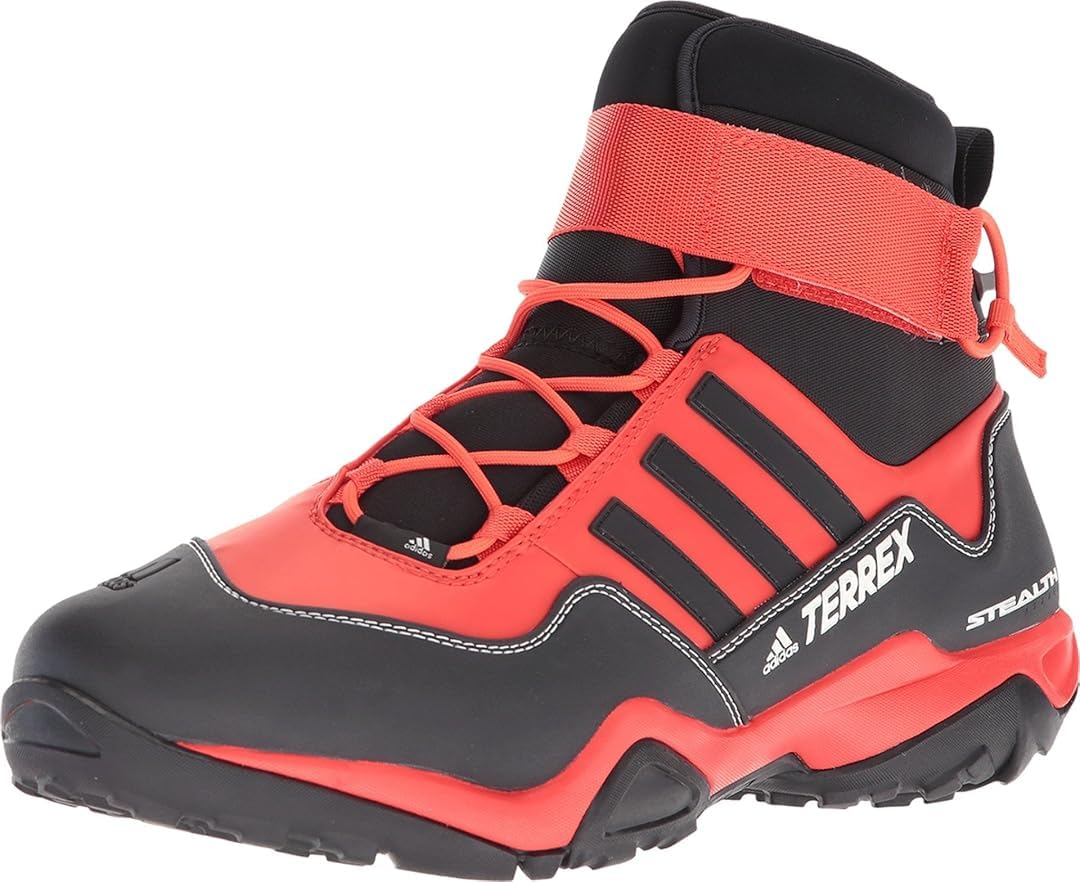


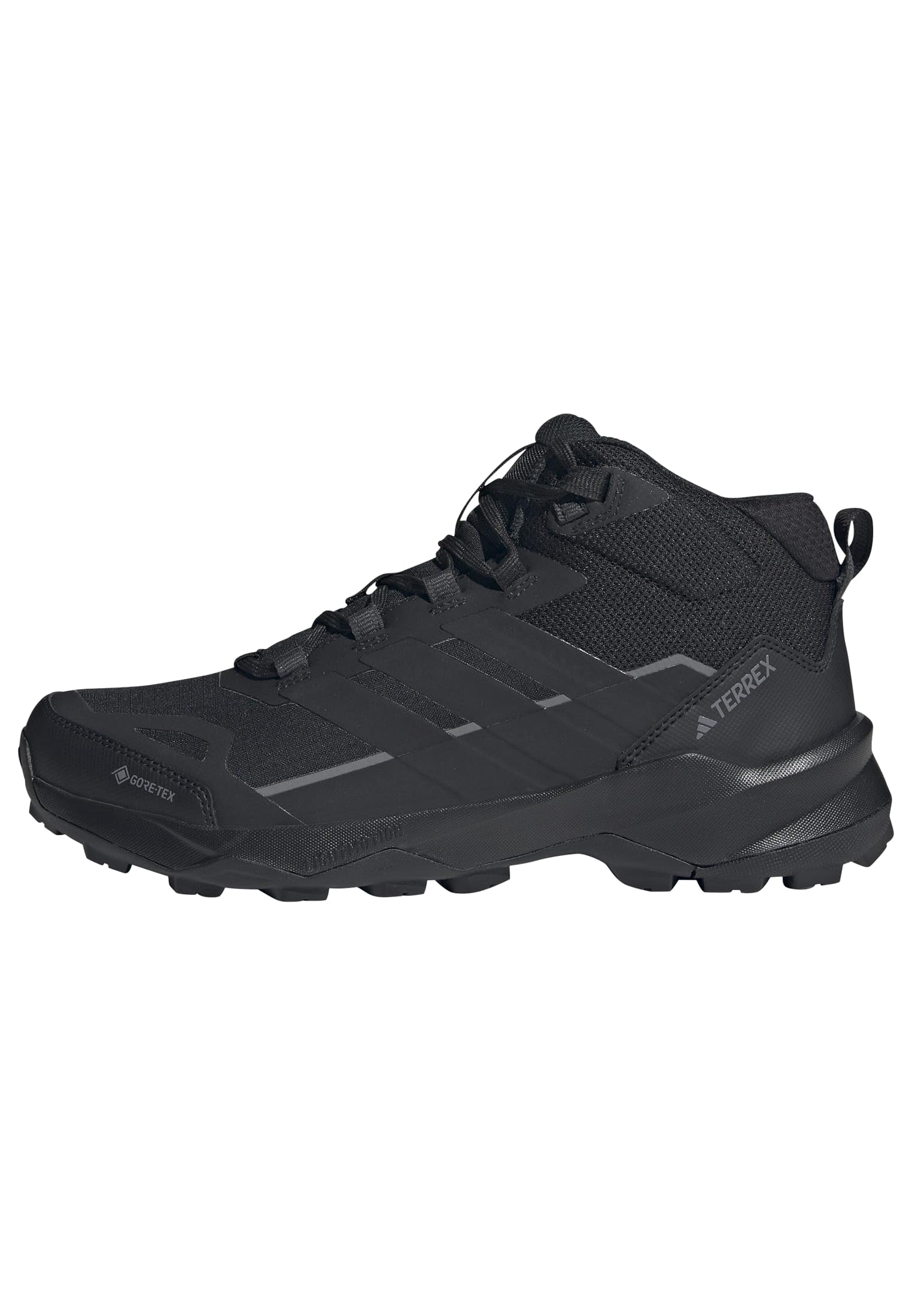


Adidas Boots 101: The Basics for New Buyers
An Adidas boot is a closed shoe that rises to or above the ankle and is built for more grip, support and weather cover than a daily sneaker. Outdoor pairs focus on trails and wet pavement. Winter pairs add insulation and deeper tread. Sport pairs are made for field play, so their fit and studs serve a very different job.
Price follows purpose more than looks. Simple outdoor pairs often cost about $80 to $140, while insulated or full leather pairs often cost about $150 to $250. A light trail boot worn weekly beats a heavy winter boot left in the closet.
Who Should Buy Which Adidas Boots?
Start from your main activity, then pick the boot style built for it. Mixing styles is the most common reason a first pair feels wrong.
Trail Walkers and Day Hikers
You walk dirt paths, gravel and park trails for one to three hours at a time. Choose a mid height boot with a grippy rubber outsole, moderate cushioning and a toe box that leaves room on descents. If your main use is soccer instead, see our guide to the best adidas soccer boots for cleat fit and stud choices.
Winter Commuters and Wet Weather Walkers
You cross slush, cold pavement and wet station platforms, so warmth and grip come first. Choose a higher collar, an insulated lining and lugs deep enough to bite on slick ground. A water resistant upper helps in light snow and rain. Snowboard use is a separate job, so see our guide to the best adidas snowboard boots if you need binding fit rather than walking traction.
Field Sport Players Who Want a Firmer Boot Fit
You play on grass or turf and want a snug, locked in feel around the midfoot. Boot style soccer cleats trade toe room for control, so try them with your game socks and expect a closer fit than a hiking boot. Players who want a textured strike zone can also see our guide to the best adidas predator boots before choosing a more general outdoor pair.
Boot Specs Decoded for Adidas Shoppers
Read each spec as a cause and effect pair. That short habit tells you more about the best adidas boots for your routine than any logo, color or launch story.
Fit, Sizing and Toe Box Shape
Measure both feet in the afternoon, when feet are at their largest, and stand while you measure. Your longest toe should have about a thumb width of space in front, and your heel should stay put when you walk. Adidas lines vary, so a size that fits in a sneaker may feel short in a stiff boot. Wear your hiking socks for the try on, and size for the larger foot when the two differ.
Knit, Leather and Synthetic Uppers in Warm Weather
Mesh uppers feel light and breathable, and they suit dry trails and warm commutes, but they let water in fast. Leather uppers resist scuffs and shape to your foot over time, though they weigh more. Knit and synthetic uppers sit in the middle, with coated panels for light rain. Some winter models add a Gore Tex lining for wet days. Choose breathability for heat, and choose a lined, closed upper when puddles and slush are part of your week.
Arch Support, Cushioning and Foot Type
Arch support and cushioning decide how tired your feet feel at the end of a walk. Flat feet often do better with firmer support and more stability under the arch. High arches often prefer softer cushioning that spreads pressure. Heel to toe drop is the height gap between heel and forefoot, and a higher drop can feel easier on tight calves. If you normally wear neutral shoes, start with a neutral boot and change only if your feet roll inward on long walks.
First Week Comfort and Breaking In a New Pair
A good first pair should feel secure right away, with no sharp pinch at the toes or heel. Stiff leather and firm midsoles soften over the first few short walks, but pain is not part of a normal break in. Wear new boots at home first, then on a short flat walk, then on your usual route. Soft spots that rub in the first ten minutes rarely improve, so exchange the size rather than hoping for a full size of stretch.
Lug Patterns for Trails, Mud and Wet Pavement
The outsole is the rubber layer that meets the ground, and its lug pattern should match your surface. Shallow, close lugs grip pavement and hard paths well. Deep, spaced lugs shed mud and bite on loose dirt, but they can feel clunky on smooth floors. Look at lug depth of about 4 to 6 mm for mixed trails. On wet rock or icy pavement, tread alone has limits, so slow down and choose a flatter, wider sole for more contact.
Getting Started With Your First Pair of Adidas Boots
Unbox your boots and check the size, the lacing and both soles before the first outdoor walk. Lace from the bottom, keep tension even, and use the top hooks or eyelets to lock your heel on longer walks. Walk indoors for fifteen minutes to spot rub points while a return is still easy.
For the first week, keep walks short and flat, and loosen or tighten one zone at a time if you feel pressure. Carry a thin spare pair of socks on longer outings, since dry socks reduce friction if a heel starts to feel hot.
Rookie Mistakes to Avoid
- Buying your sneaker size without measuring leaves toes hitting the front on every downhill step.
- Choosing a soccer cleat for hiking leaves you with thin soles and poor grip on wet trails.
- Picking mesh for a wet winter commute leaves feet cold and damp within the first block.
- Wearing new boots on a long hike first turns small rub points into blisters that end the day.
- Ignoring the return window keeps a poor fit in your closet instead of a better size on your feet.
Care and Maintenance for Adidas Boots
After a wet or muddy walk, knock off loose dirt, pull out the insoles and let the boots air dry at room temperature away from direct heat. Heat can stiffen leather and weaken glue, so patience protects the fit you paid for.
Brush dried mud from the outsole lugs, wipe synthetic uppers with a damp cloth, and condition leather only with a product made for footwear. Store boots upright in a dry place. On rest days, give your feet a break with sandals and recovery footwear around the house, and if that lighter option suits your routine, see our guide to the best adidas sandals for open styles.
FAQ
Can I wear Adidas boots all day?
Yes, you can wear Adidas boots all day if the fit leaves toe room and the cushioning matches your surface. Concrete floors demand more shock absorption than soft trails, so add a supportive insole for long shifts on hard ground. Sit and flex your feet during breaks, since stiffness often comes from hours in one position.
How long is the break in period for Adidas boots?
The break in period for most Adidas boots is about three to five short walks. Knit and mesh pairs often feel ready sooner, while full leather pairs take the longest to shape to your ankle. Note where pressure fades and where it stays, since lasting pinch usually means the width is wrong for you.
Do I need waterproof Adidas boots?
You need waterproof Adidas boots only if you often walk through puddles, slush or steady rain. A lined boot keeps water out, but it also holds sweat in during warm weather and dries more slowly overnight. For mostly dry commutes, a water resistant upper plus spare socks at work is often the cooler choice.
How should Adidas boots fit for a first time buyer?
Adidas boots should fit snug at the heel and midfoot, with clear space in front of your longest toe. Try both boots while standing, since feet spread under your full weight and seated checks hide that change. If one foot is longer, fit that foot first and use lacing or a thicker sock to fine tune the smaller side.
Are expensive Adidas boots worth it for beginners?
Expensive Adidas boots are worth it only when the extra cost buys a feature your routine needs, such as insulation, a leather upper or a more durable outsole. A new buyer with a simple dry trail gains little from the priciest winter build. Spend first on correct fit, because an unused premium feature adds weight and cost to every single walk.
How often should I replace my Adidas boots?
Replace your Adidas boots when the lugs look smooth, the midsole feels flat or the upper cracks at the flex point. A boot that once felt stable but now lets your ankle roll on ground you know well is giving you a clear wear signal. Rotating two pairs can slow that wear, since foam recovers with a rest day between uses.
Wrapping Up
For a first pair, let fit lead, then match the upper and the outsole to your weather and your ground. Those three checks cover most buying regrets, and they keep your budget focused on what your feet will actually feel.
Compare sizes and styles in the product table above, then choose the best adidas boots that fit your larger foot, your usual socks and your most common route. A simple pair that fits well will serve you better than a complex pair that pinches.


