
Best Adidas Soccer Boots for Every Need in 2026: How to Pick the Right One
Disclosure: We may earn a commission when you buy through links on this page, at no extra cost to you. As an Amazon Associate I earn from qualifying purchases. Learn more

Sort the best adidas soccer boots by fit, playing surface, traction, and budget, with clear advice for beginners and frequent players.
There is no single pair that suits every player, because the right choice depends on the surface you play on, how often you train, and the shape of your foot. The best adidas soccer boots come in a wide range of cuts, stud patterns, and materials, so a pair that feels fast on firm grass may feel unstable on hard ground or indoors. The product table gives you a quick way to sort those differences before you read the detail.
Start with your playing surface, then narrow the choice by fit and by support around the ankle and midfoot. A good fit should feel snug without pinching your toes, and the boot should bend where your foot bends. Keep your budget in mind too, since a higher price does not always mean a better match for casual play.
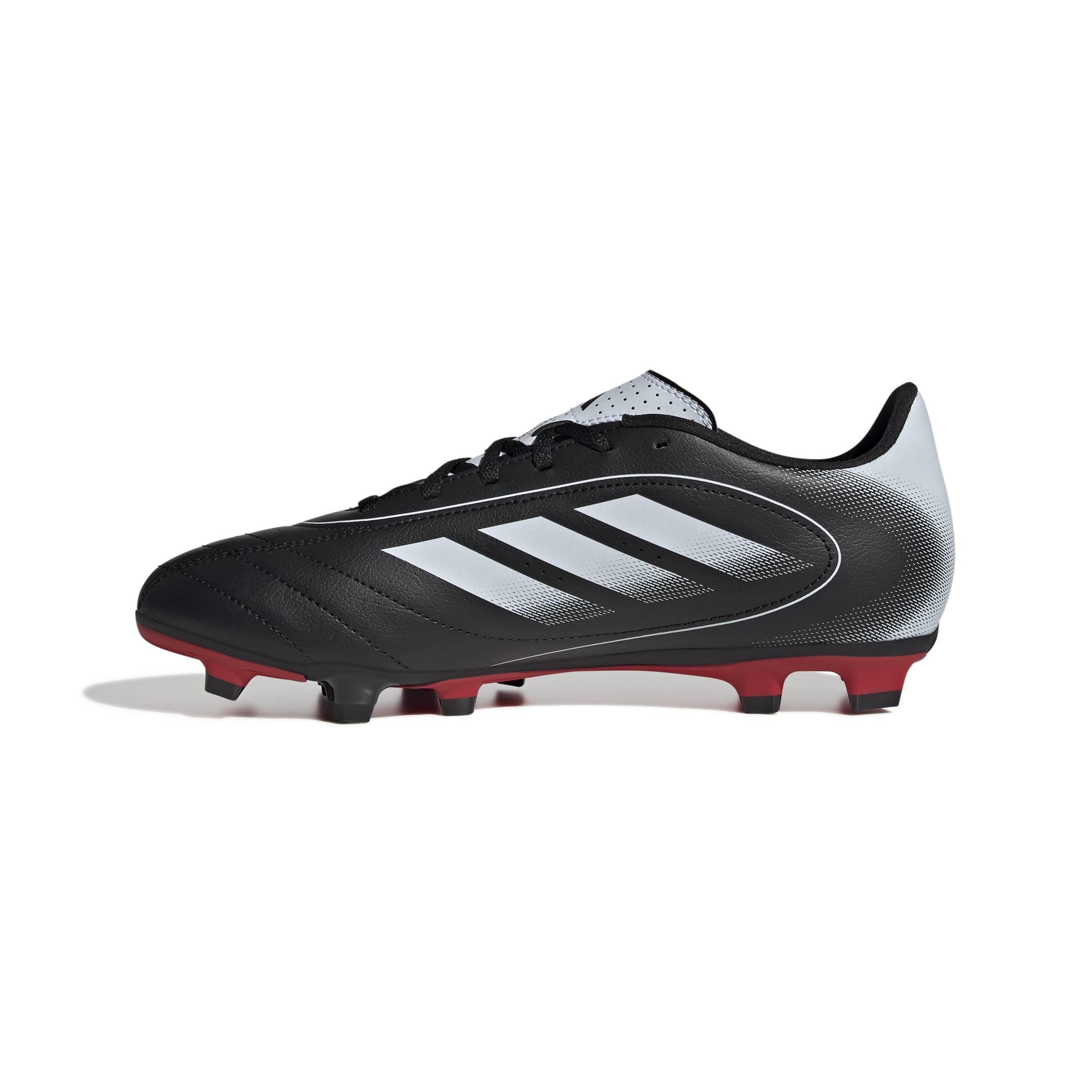


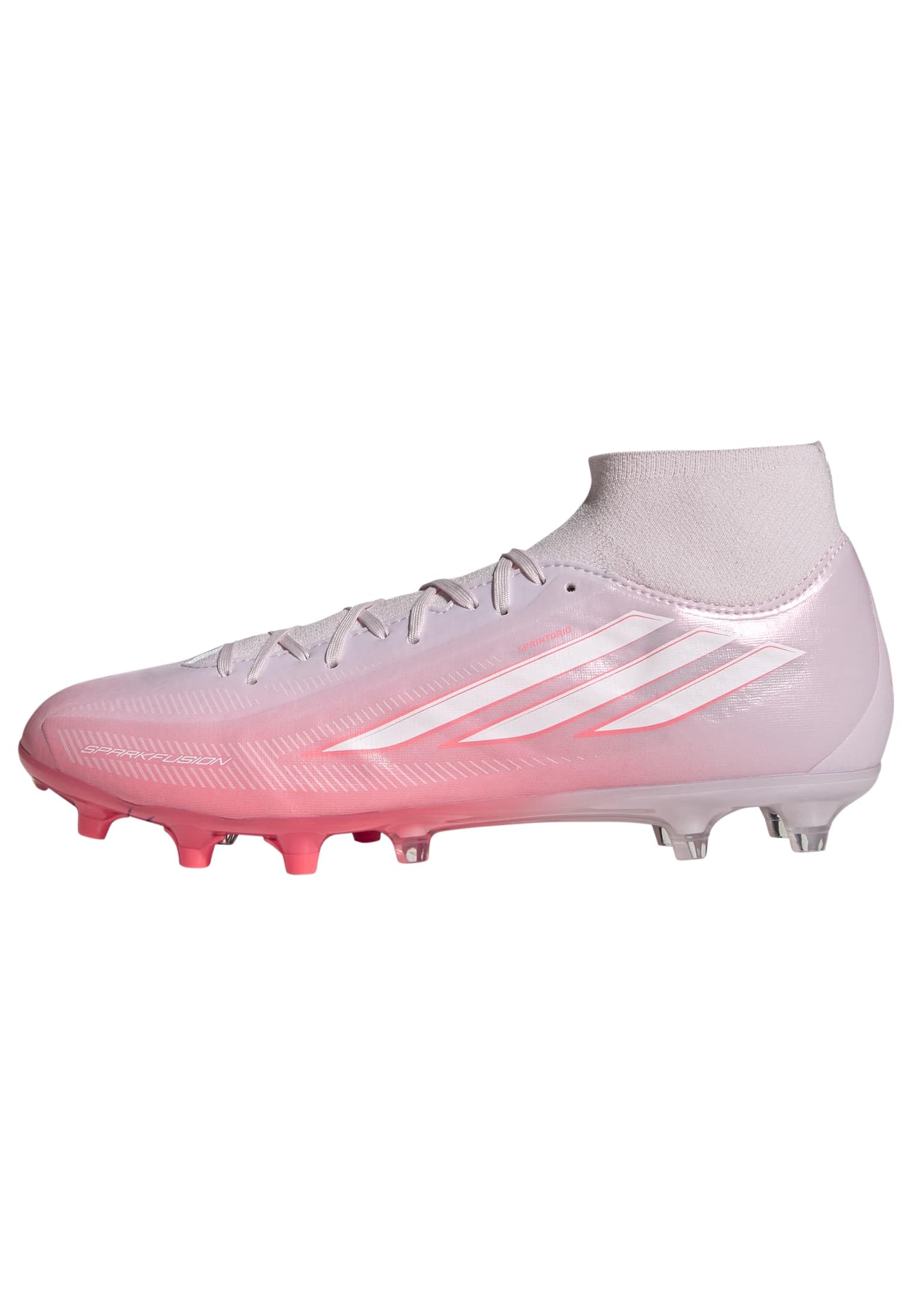

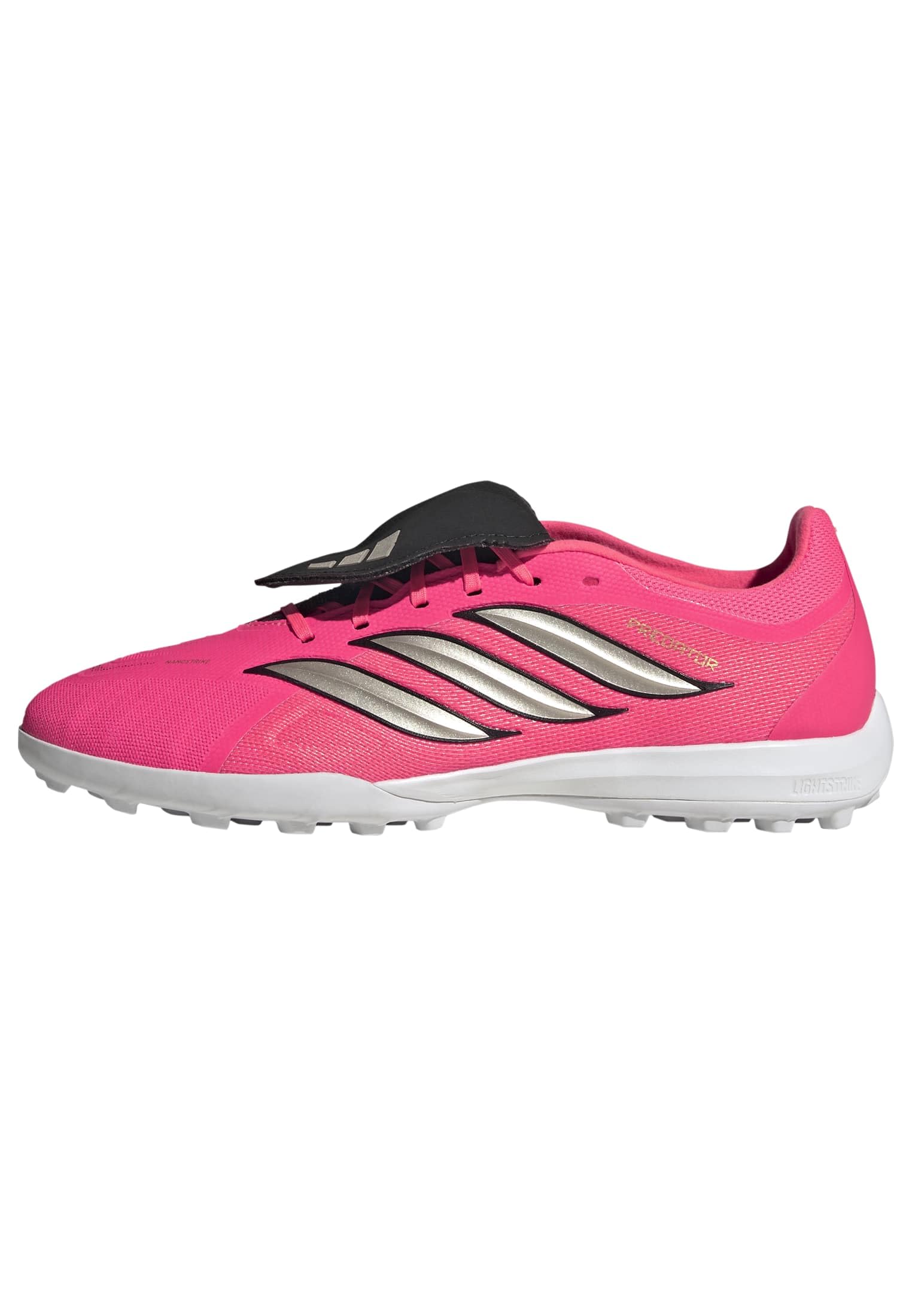


Who Should Buy Which Adidas Soccer Boots?
Your playing pattern matters more than any single feature. A player who trains several times a week needs a different balance of durability, cushioning, and grip than a player who joins a weekend game with friends. Think about where you play most, how long each session lasts, and whether you need one pair for several surfaces or a dedicated pair for one surface.
For Frequent or Serious Players
Frequent players should put durability and consistent fit first. Look for a firm heel counter, a stable midfoot, and an upper that holds its shape after repeated sessions. A secure lacing system stops the foot from sliding inside the boot during sharp turns. Check the return or exchange policy before you commit, since even a well sized pair can feel different after a full session.
For Weekend Beginners
Weekend players usually benefit from comfort and simple care. Choose a soft, flexible upper that needs little break in time, and a stud pattern suited to the surface where you play most often. A moderate price makes sense while you learn which fit and cut you prefer. Avoid an aggressive, stiff design meant for constant high intensity play if your games are short and social.
For Small Spaces and Easy Storage
Players with limited storage should look for a low profile pair that packs neatly into a small bag. A lighter boot is easier to carry to the field, and a smooth upper wipes clean quickly after muddy play. Keep the boots in a ventilated bag rather than a sealed plastic bag, and let them air dry before you store them. If you travel to games, a compact pair also leaves room for shin guards, socks, and a water bottle.
Key Features to Compare
Compare features in the order that affects your game. Fit comes first, because even the best traction cannot rescue a boot that pinches or slips. Surface and stud design come next, followed by weight, flexibility, and weather protection. Use the sections below as a checklist, and mark the two or three factors that matter most for your own playing pattern.
Weight and Flexibility
A lighter boot can feel quicker when you change direction, but a very light design may give up some protection in tackles and hard challenges. Flexibility matters just as much, since a boot that bends with your foot feels more natural during sprints and turns. Players who value touch on the ball often prefer a thinner, more flexible upper, while players who need support may prefer a slightly firmer build.
Fit, Sizing, and Toe Box
Measure your feet in the afternoon, when they are slightly larger than in the morning, and wear the socks you plan to play in. The toe box should give your toes room to spread without letting your foot slide forward when you stop suddenly.
If one foot is larger than the other, fit the larger foot and use the lacing to fine tune the smaller side. A snug heel is important, since heel slip can cause blisters and reduce control. If the boots feel tight across the widest part of your foot when you try them on, they are unlikely to feel comfortable after an hour of play.
Waterproofing and Breathability
Water resistant uppers and waterproof membranes help in wet grass, but they can also trap heat on warm days. Think about your local climate and the time of year when you play most. If you often play in rain or on soaked fields, a membrane lined boot is worth the trade off in breathability.
If you mostly play in dry heat, a breathable mesh or perforated upper will keep your feet cooler and reduce sweat buildup. In either case, air drying after play protects both the membrane and the shape of the boot.
Outsole Traction and Terrain
The outsole must match the surface, and this is one area where a wrong choice can affect both comfort and stability. Firm ground studs suit natural grass that is dry to slightly soft, while shorter, more numerous studs suit hard ground and artificial turf. Indoor courts need a flat, non marking sole rather than studs, since studs can slip and can damage the court.
Check the stud length and spacing, and avoid using long studs on hard surfaces, where they can raise pressure under the foot and reduce stability. If you play on several surfaces, consider a turf style sole as a compromise, and keep a dedicated pair for your main surface if you play often.
Common Mistakes to Avoid When Buying Adidas Soccer Boots
- Choosing by price alone, which can leave you with a boot that fits poorly or suits the wrong surface.
- Ignoring weight and flexibility, which can make a boot feel clumsy even if it looks well made.
- Buying a size too large for growing room, which lets the foot slide and increases blister risk.
- Buying a size too small in the hope that it will stretch, which can cause lasting discomfort.
- Skipping a check of the warranty and return policy, which matters if the fit feels different after a real session.
Another common mistake is to copy a teammate's choice without checking your own foot shape and surface. Use your own measurements and playing pattern as the guide, and treat other players' advice as a starting point only.
Setup and Care Tips
Break new boots in with short sessions before a full match, and lace them firmly without cutting off circulation. After play, remove loose dirt with a soft brush and let the boots air dry away from direct heat, since radiators and strong sunlight can warp the upper and weaken adhesives. Rotate two pairs if you train most days, because rest between sessions lets cushioning recover and lets moisture escape. Check studs and seams regularly, and replace a pair when the outsole grip fades, the heel counter collapses, or the upper no longer holds your foot securely.
For related playing surfaces, see our guide to best soccer boots for a broader look at sole types, and see our guide to best indoor soccer boots if most of your games take place on a court. Defenders with specific coverage needs can also compare best soccer boots for defenders for notes on support and protection in that role.
FAQs
Do I Need Waterproof Soccer Boots?
You need waterproof soccer boots only if you regularly play in rain or on soaked natural grass. A water resistant upper is enough for light damp conditions, and it usually breathes better than a fully lined boot. Players in dry climates often prefer ventilation over waterproofing, since sweat buildup can be just as uncomfortable as wet grass. If you play through winter, a membrane lined boot plus dry socks is a practical combination, and always air dry waterproof boots fully because trapped moisture can damage the lining.
How Long Is the Break In Period for Soccer Boots?
The break in period for most soccer boots lasts one to three short sessions, depending on the upper material and how stiff the boot feels at first. Softer uppers usually feel comfortable right away, while firmer leather style uppers need a few sessions to mold to your foot shape. Wear new boots for training or a short practice game before a competitive match, and stop if you feel sharp pinching or numbness. A long break in period is a warning sign, not a rite of passage, so consider a different size or width if discomfort persists.
How Should Adidas Soccer Boots Fit?
Adidas soccer boots should feel snug around the midfoot and heel, with enough room for your toes to move slightly without sliding forward. Your longest toe should sit close to the end of the boot without pressing hard against it, and the lacing should close evenly without a large gap or a bulge over the instep. If your heel lifts, try a different size or a lacing pattern that locks the heel down. Players with ongoing foot pain should ask their doctor about their needs.
Can I Wear Soccer Boots All Day?
You can wear soccer boots for a full match and for training, but they are not designed as all day walking shoes. The studded sole is built for grip on a playing surface, and it can feel hard and uneven on pavement or indoors. Wearing studs on hard floors also wears them down faster and can make the sole slippery. Change into regular shoes after the game, especially if you need to walk far or stand for hours, and if your feet ache after every session, check your fit and surface match first.
How Often Should I Replace My Adidas Soccer Boots?
Replace your soccer boots when the outsole loses grip, the heel counter softens, or the upper no longer supports your foot, rather than on a fixed calendar schedule. Frequent players may reach that point within one busy season, while weekend players may get several seasons from one pair. Inspect the studs for uneven wear, check for splits near the toe, and notice whether blisters appear in boots that once felt fine. Rotating two pairs and air drying them after play can extend their useful life, but no pair lasts forever once its structure breaks down.
Are Expensive Adidas Soccer Boots Worth It?
Expensive soccer boots are worth it when the extra cost buys a feature you actually need, such as a better fitting upper or a design matched to your main surface. For casual weekend play, a mid priced pair often gives the same comfort and grip as a premium pair. Premium materials matter most for frequent players, who wear boots hard and notice small gains in weight and touch. Compare the picks in the table by fit and surface first, and let price decide only between pairs that already meet those needs.
The Bottom Line
Choose by surface first, fit second, and price third, and you will avoid the most common buying mistakes. A snug heel, a roomy toe box, and a sole matched to your field matter far more than a flashy feature you rarely use. The best adidas soccer boots reward careful sizing and honest thinking about how often you play, so take time with the fit check and the surface check before you order. The product table is a useful shortlist once those two decisions are clear.


