Best Ada Toilets: Matching the Right Model to Your Routine for 2026
Disclosure: We may earn a commission when you buy through links on this page, at no extra cost to you. As an Amazon Associate I earn from qualifying purchases. Learn more

Seat height, rough in, bowl shape, and flush strength decide which of the best ada toilets fits your household and bathroom.
There is no single toilet that fits every household, because routines differ in ways that matter. A taller seat can help a person who finds low seats hard to use, while a compact bowl may matter more in a small bathroom. This guide explains the best ada toilets in terms of fit, comfort, and everyday use, so you can compare types rather than chase one universal answer.
The product table sits between this introduction and the detailed sections that follow. Use it to shortlist shapes and sizes, then read the buying sections to check rough in, clearance, flush style, and cleaning needs before you order. A careful match now can save a return, a plumber visit, and weeks of daily annoyance.

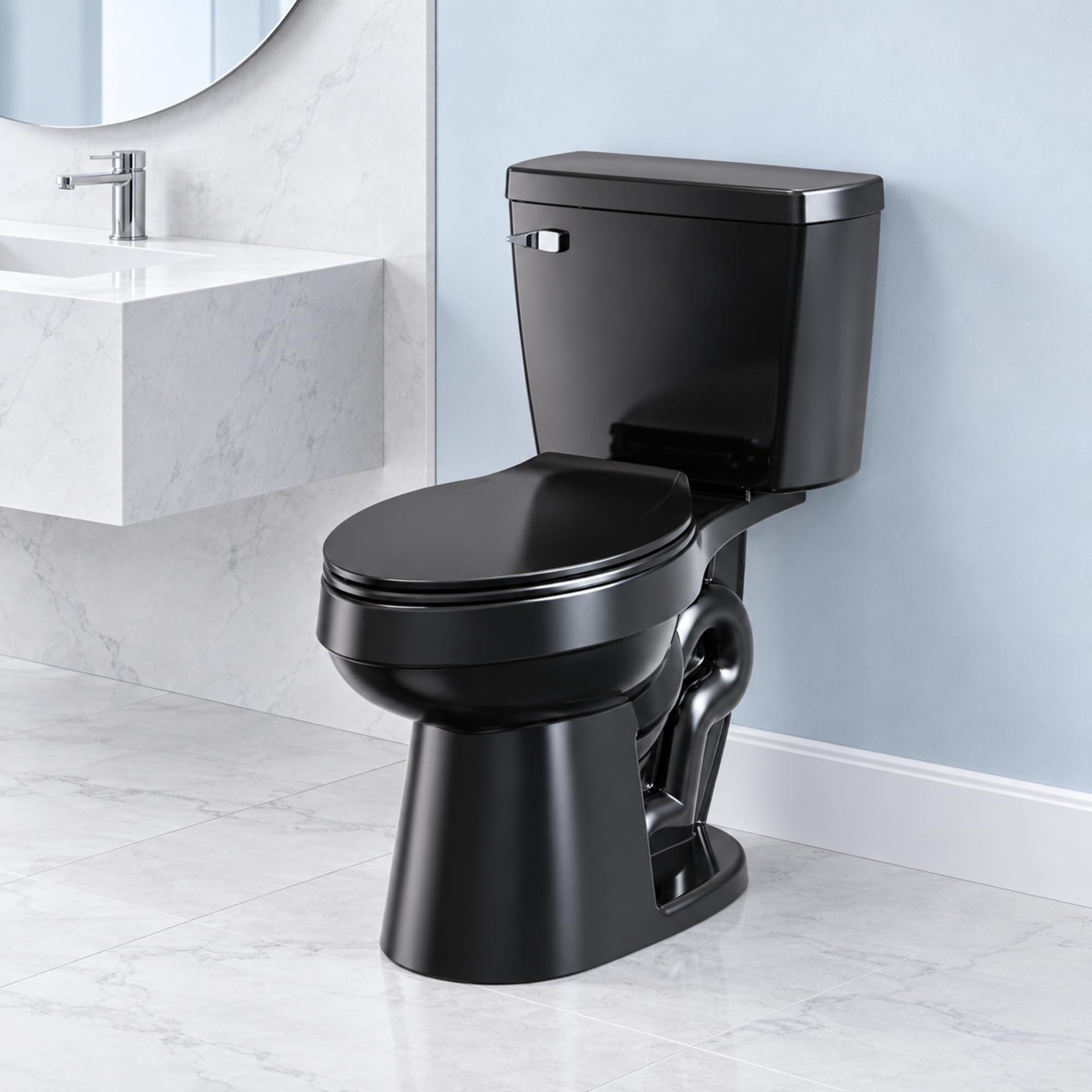

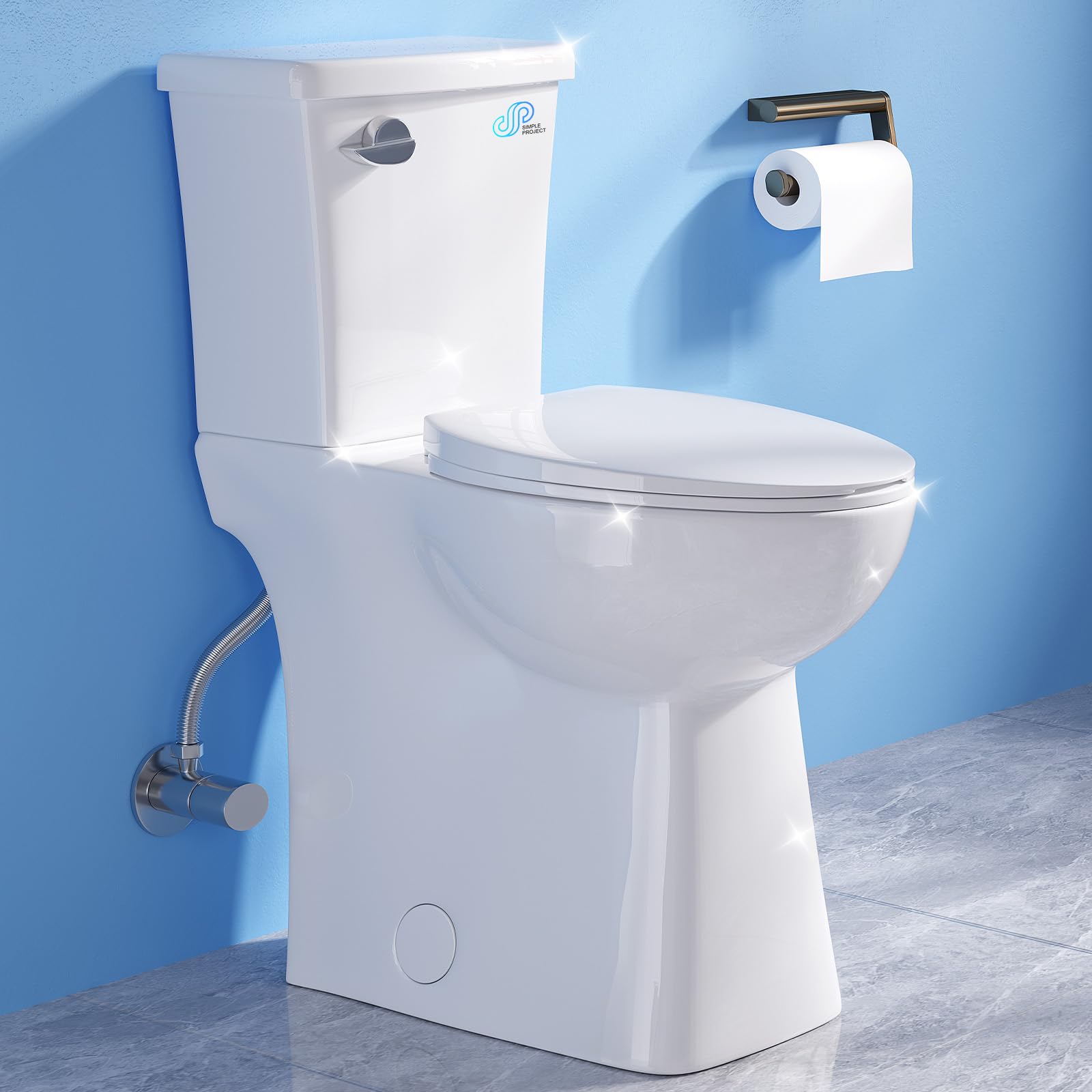
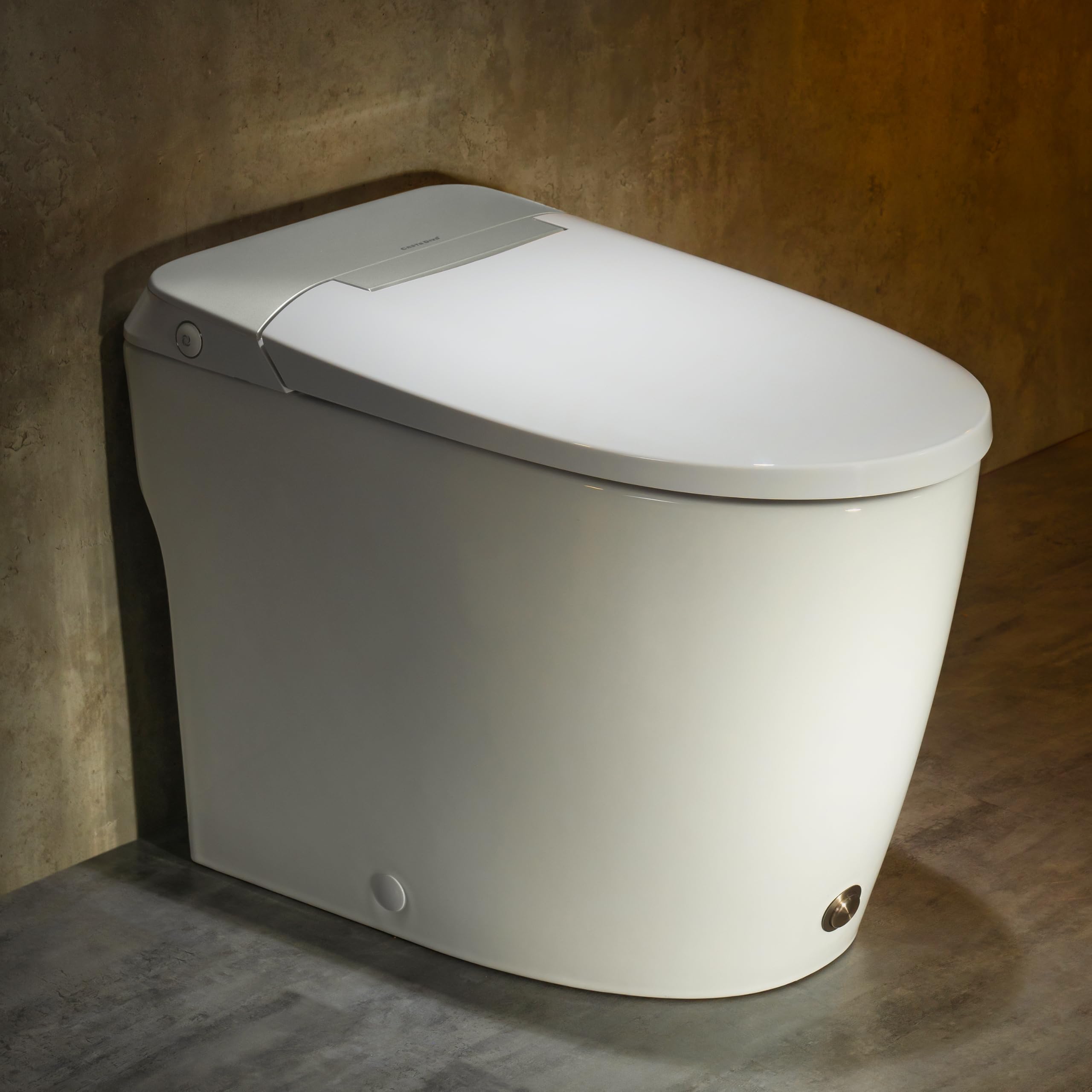


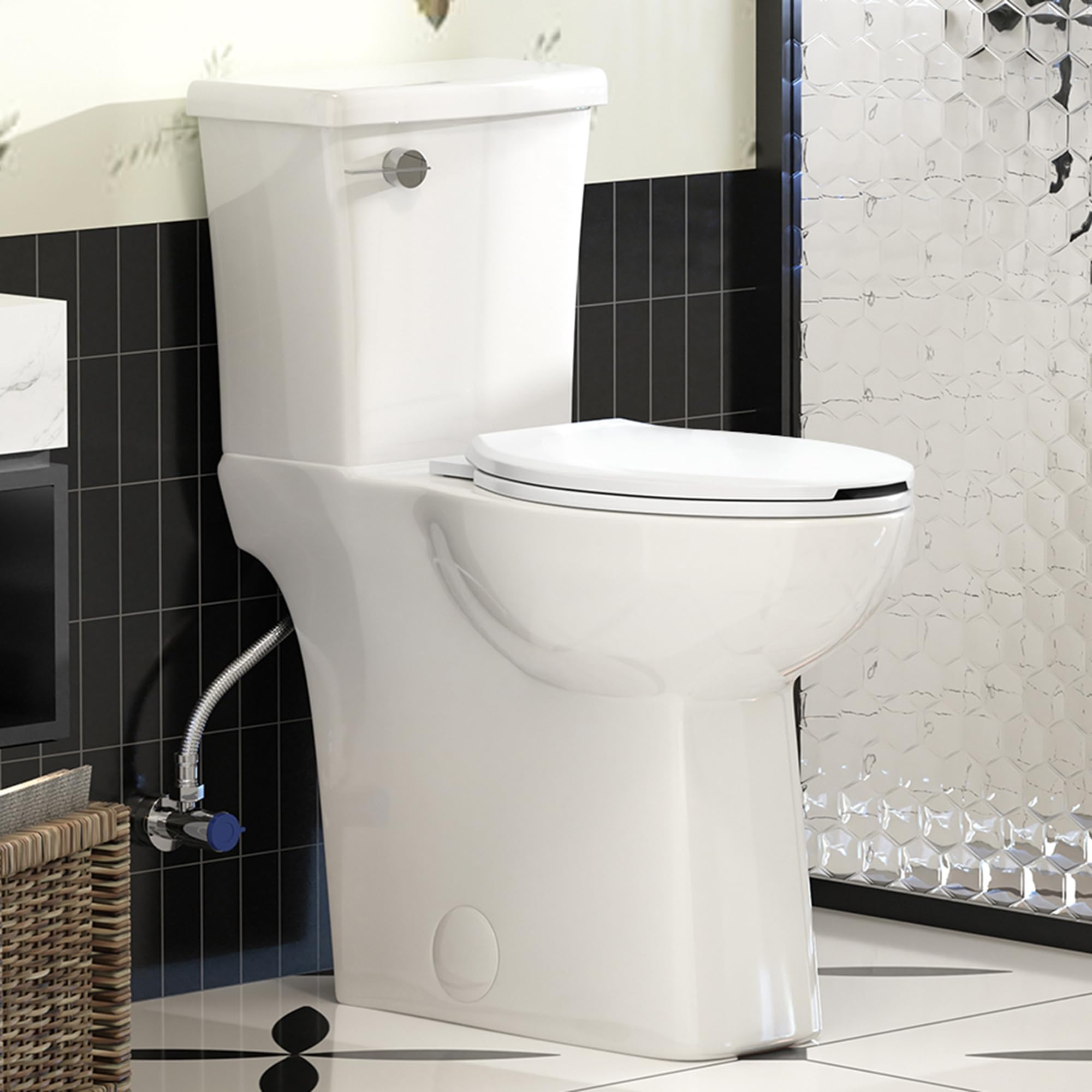
Who Should Buy Which Ada Toilets?
Start with who will use the toilet most often, and how often guests or family members with different needs will use it. Height, bowl shape, and flush strength matter in different ways for each group, so a feature that helps one household may be less useful in another.
For People Who Want the Best Performance
If strong, reliable flushing is your top priority, focus on bowl design, trapway size, and flush volume rather than on extra features. A well shaped bowl and a smooth, fully glazed trapway help waste clear in one flush, which reduces double flushing and keeps the bowl cleaner. Look for a stated flush volume of about 1.28 gallons per flush, and check whether the maker lists a WaterSense label for water saving performance.
For Gift Shoppers
Buying a toilet for someone else calls for a safe, widely fitting choice rather than an unusual design. A comfort height model with an elongated bowl suits many adults, and a standard 12 inch rough in fits most existing bathrooms. Check the return policy, the warranty length, and whether the seat is included, because a missing seat can add an unexpected cost and delay.
For First Time Buyers
First time buyers should keep the checklist short: seat height, rough in, bowl shape, and flush type. Measure from the finished wall to the center of the floor bolts before you shop, and confirm the door swing and side clearance in the room. A simple two piece design is often easier to carry, install, and repair than a one piece design, especially in a tight bathroom.
For Value Seekers
Value means a balance of price, water use, and durability, not simply the lowest price on the page. A mid priced vitreous china toilet with a proven flush design can cost less over time than a cheap model that needs frequent plunging or early repairs. Compare the cost of the seat, the wax ring, and any needed supply line, since those small parts can change the total cost of the job.
Key Features to Compare
The features below decide how a toilet feels day to day and how well it fits your bathroom. Read them in order, and note which ones matter most for your household before you compare prices.
Material and Construction
Most toilets are made from vitreous china, a glazed ceramic that resists stains and is easy to wipe clean. A smooth glaze inside the bowl helps waste slide away and makes brushing easier, while a rougher or thin glaze can stain faster. Check the weight and the finish of the base and tank, and avoid models with visible cracks, chips, or uneven glazing, since those flaws can worsen with use.
Size and Fit
Size starts with rough in, the distance from the finished wall to the center of the closet bolts, which is commonly 12 inches in many homes. Also measure the distance from the center of the toilet to each side wall, the space in front of the bowl, and the door swing, because an elongated bowl needs more front clearance than a round bowl. For a broader comparison of compliant dimensions, see our guide to the best ada compliant toilets and check its fit notes against your own measurements.
Certifications
ADA related guidance describes a seat height of about 17 to 19 inches from the floor to the top of the seat, which is higher than many standard seats. A WaterSense label, where present, signals a flush volume of 1.28 gallons per flush or less, which can save water without forcing a weak flush when the bowl design is sound. Read the maker specification sheet rather than relying on a short product title, since titles sometimes use comfort height language loosely.
Performance
Flush performance depends on the trapway, the bowl shape, and the way water enters the bowl, not on flush volume alone. A larger, fully glazed trapway helps bulky waste pass, while a rim wash design that rinses the full bowl helps prevent streaks. For a wider view of flush strength across toilet types, see our guide to the best ranked toilets, then return to seat height and fit, which matter just as much for daily comfort.
Comfort and Feel
Comfort height seats reduce how far a person must lower and lift, which can help knees and hips during daily use. An elongated bowl gives more seating room than a round bowl, while a slow close seat avoids slamming and feels calmer at night. Sit height should be checked with the actual seat fitted, because seat thickness can add an inch or more to the bare bowl height.
Common Mistakes to Avoid When Buying Ada Toilets
- Shopping on price alone, then finding the flush is weak or the seat height is wrong for the main user.
- Skipping the rough in measurement, which can leave a new toilet sitting too far from the wall or not fitting at all.
- Choosing an elongated bowl for a very small room without checking front clearance and door swing.
- Ignoring warranty terms and the cost of a seat, wax ring, and supply line in the total budget.
- Assuming every tall toilet meets ADA guidance, without checking the specification sheet for seat height and clearance.
How to Make Your Ada Toilet Last Longer
Simple care keeps the glaze smooth and the flush parts working well for years. Clean the bowl with a soft brush and a mild cleaner made for toilets, and avoid harsh abrasive pads that can dull the glaze. Check the flapper and fill valve once a year, and replace worn rubber parts promptly, since a leaking flapper wastes water and can cause weak or noisy flushing.
Keep a plunger made for toilets nearby, and see our guide to the best toilet plungers if you need one that fits a taller bowl. Use toilet paper that breaks down readily, and see our guide to the best toilet paper for options that suit your plumbing.
Check local plumbing rules before any change to the drain or supply, and hire a qualified installer if the rough in, flange, or supply line is unclear.
Ada Toilets: Your Questions Answered
What seat height should I look for?
Look for a seat height of about 17 to 19 inches from the floor to the top of the seat, measured with the seat fitted. That range suits many adults who find standard seats low, but it is not right for every person, so try a similar height in a showroom when you can. Also check side clearance and grab bar placement, since height alone does not make a bathroom easy to use. If the main user is short or uses a wheelchair, measure carefully and ask a qualified installer about the full layout.
Are taller toilets worth the extra cost?
Taller toilets are often worth the cost when the main user has knee, hip, or back discomfort that makes low seats hard to use. The benefit comes from less bending and less effort when sitting and standing, not from a luxury label or a fancy finish. If every user in the home is comfortable with a standard height, the extra cost may be better spent on a stronger flush or a better glaze. Weigh daily comfort first, then compare flush design and water use.
How do I measure rough in correctly?
Measure from the finished wall behind the toilet to the center of the floor bolts that hold the toilet down. Do not measure from the baseboard, and do not guess from the old toilet model name, since wall finishes can change the result. A 12 inch rough in is common, but older homes may use 10 inch or 14 inch sizes, and the wrong size can leave a gap or prevent installation. If the bolts are hidden under caps, lift a cap gently or ask a qualified installer to confirm the measurement.
How often should I replace toilet parts?
Replace flappers and fill valve seals when you notice running water, weak flushing, or a tank that refills on its own. Rubber parts often last several years, but hard water and cleaning chemicals can shorten their life, so a yearly check is a sensible habit. A full toilet replacement is usually needed only when the porcelain cracks, the base leaks at the floor, or repairs no longer hold. Keep spare parts from the same maker when possible, since universal parts do not always seal perfectly.
What cleaning routine keeps the bowl fresh?
Brush the bowl weekly with a mild toilet cleaner, and wipe the seat, hinges, and base with a damp cloth to remove splashes and dust. Avoid pouring harsh drain chemicals into the bowl, since they can harm seals and do not clean the glaze better than regular brushing. For cleaning supplies and methods, see our guide to the best for cleaning toilets, and rinse the brush holder regularly so it does not hold odor. A short, regular routine beats a rare deep clean.
The Bottom Line
The right choice starts with seat height and rough in, then moves to bowl shape, flush strength, and water use. A comfort height, elongated model suits many households, but a small room or a shorter main user may call for a different shape or height. Use the product table to compare the shortlist, confirm every measurement against your bathroom, and choose the model that fits your routine best. When you weigh comfort, fit, and flush performance together, the best ada toilets become much easier to recognize.