
Best Activity Tracker for Elliptical of 2026: Complete Buying Guide
Disclosure: We may earn a commission when you buy through links on this page, at no extra cost to you. As an Amazon Associate I earn from qualifying purchases. Learn more

Choose the best activity tracker for elliptical workouts by accuracy, placement, heart rate, battery life and app fit.
An elliptical keeps your hands on moving handles and your feet on pedals, so many trackers miscount steps and miss effort. Choosing the best activity tracker for elliptical means finding a device that reads heart rate well, logs a workout without arm swing, and syncs cleanly with the app you will actually check after training.
This guide explains placement, sensor fit, and the machine details that affect tracking, such as console links and stride motion. Use the comparison table below to short list tracker types, then apply the checks in each section to your own elliptical and routine.

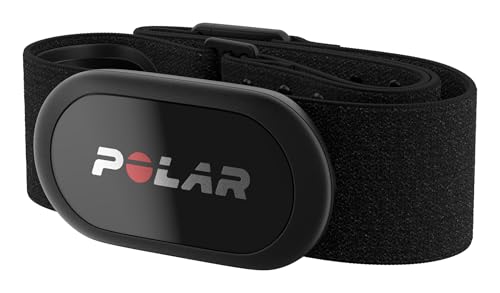
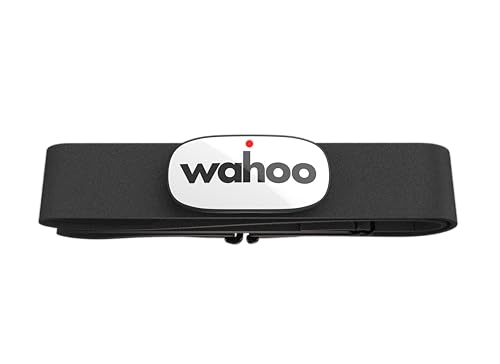
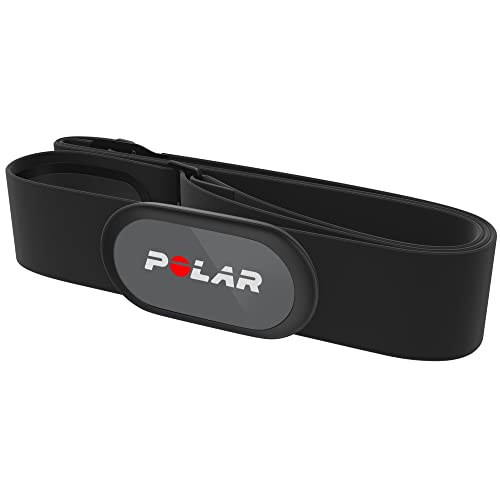
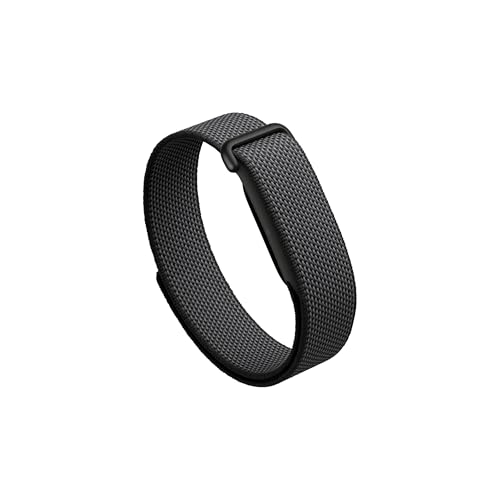
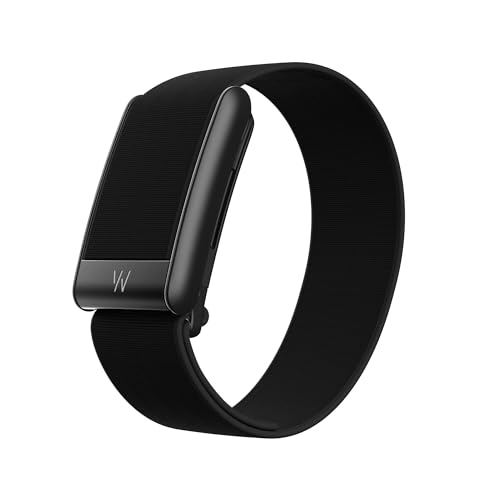
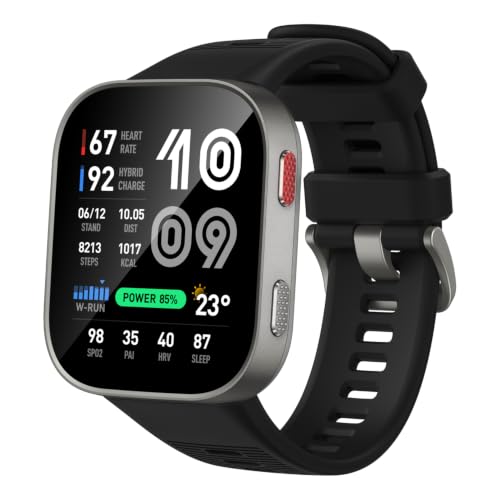


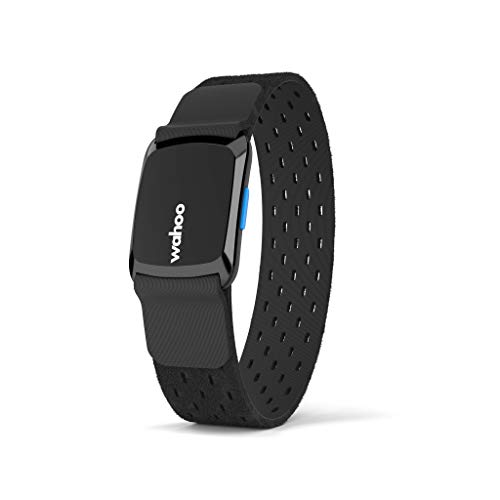
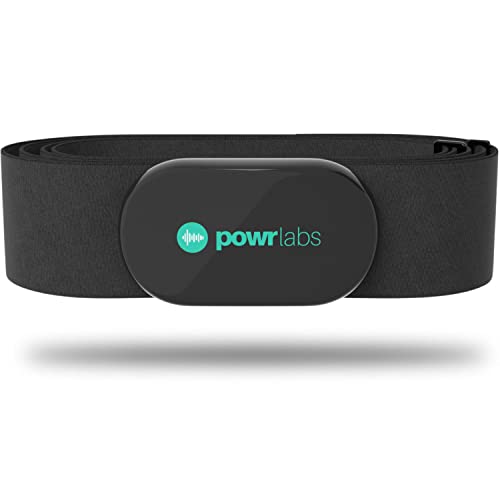
Tracker Types by Budget and Use
Instead of naming models, judge trackers by type and tier. A basic wrist band around $30 to $80 counts time, heart rate, and calories with simple app charts. A midrange watch around $80 to $200 adds stronger sensors, workout modes, and better syncing. A premium watch above that adds training guidance and longer battery life.
Balanced Type
The best overall type for most elliptical users is a midrange wrist watch with an elliptical or indoor cardio mode, a snug strap, and heart rate tracking that samples often during a session. That mode matters because it logs time and effort from heart rate and motion patterns rather than relying only on steps your arms never take.
Look for a clear screen you can read while moving, buttons or a screen lock for sweaty hands, and an app that shows heart rate zones over time. The limit at this tier is guidance depth: you get solid records and trends, but less coaching than premium training watches offer for runners and cyclists.
Budget Type
The best value type is a simple wrist band or a chest strap paired with a free app, often around $30 to $100 in total. A chest strap reads heart rate with strong accuracy during steady elliptical work because it sits close to the heart and does not slide as a wrist device can when you grip moving handles tightly.
Value trackers suit users who train indoors, follow a set routine, and mainly want time, heart rate, and calorie trends. You give up onboard screens, music, and rich app analysis. If you already own an elliptical with a good console display, a value tracker plus that console can cover your needs for very little money.
Best Premium Type
The best premium type is a full training watch with multi sport modes, recovery guidance, and week long battery life, often around $250 to $500. It suits users who mix elliptical sessions with running, cycling, and strength work and want one record for all training load, rather than separate logs in separate apps.
Premium value shows up over months: clearer trends, better sleep and recovery context, and straps and cases built for daily wear. The limit is cost and complexity. If elliptical work is your only training and you will ignore outdoor sport features, a midrange tracker gives you the same core elliptical record for far less.
How to Choose the Best Activity Trackers: Buying Guide
Features That Matter for Elliptical
Elliptical training removes the arm swing and foot strike that many trackers expect, so choose a tracker with a named elliptical or cardio mode and manual workout start. Heart rate accuracy matters more than step accuracy here, because your feet glide and your hands grip, which makes step counts unreliable even on good devices.
Wear a wrist tracker higher on the forearm and tighter than usual for sessions, and keep the sensor clean and dry. Practical know how: compare the tracker heart rate with a manual pulse check during a steady five minute section once, so you learn how much lag or error your device shows before you trust its zone data.
Space, Footprint, and Ceiling Height
Your tracker choice sits within a wider setup question: the elliptical itself needs room. Measure the machine footprint, add about two feet behind it for safe mounting and dismounting, and check ceiling height by adding your height to the pedal rise at its highest point, so your head clears the ceiling at full stride.
A tracker adds no space needs, but a chest strap and a phone or tablet holder might. Keep charging cables away from the pedal path, and place a small shelf or wall hook near the machine for the tracker, strap, towel, and water, so setup takes a minute and you start sessions without hunting for gear.
Noise Level for Apartments
A tracker itself is silent, but your workout data can help you keep the machine quiet. Rising cadence and heavy resistance late at night carry sound through floors, so use heart rate zones to hold a steady effort at lower resistance rather than grinding loudly. A mat under the elliptical cuts vibration and protects the floor below.
If neighbors are a concern, schedule harder intervals earlier and use the tracker to keep evening sessions in a moderate zone. Wipe pedals and rails often, because grit increases squeaks, and tighten bolts monthly as the outline of good elliptical care suggests. Quiet habits protect both your housing situation and your training consistency.
Console, Programs, and App Connectivity
Many ellipticals offer Bluetooth links to apps and trackers, but support varies widely. Check whether your machine sends cadence and resistance data or only receives heart rate from a chest strap. A tracker that pairs with the console gives you one combined record, while a standalone tracker keeps its own log if the console link fails.
Watch for subscription traps. Some console programs and app features sit behind a monthly fee after a trial, while basic heart rate and workout history should stay free. Before you buy a tracker for its app, confirm which charts remain available without payment, and export options if you later switch brands.
For close comparisons in this niche, see our guide to the best fitness tracker for elliptical, which focuses on fitness tracker fit for this exact machine.
Resistance Type and Range
Resistance shapes the effort your tracker records. Magnetic resistance is smooth and quiet and changes in small steps, which helps heart rate rise steadily. Air resistance grows as you pedal faster, and hydraulic systems feel less smooth. Your tracker does not control resistance, but its heart rate zones help you use the range well.
Use lower resistance and a steady cadence to build endurance in a moderate zone, then add short higher resistance intervals once you are warm. Log resistance level in your app notes if the tracker does not capture it, because heart rate at level eight and level fourteen mean very different fitness, and notes keep trends honest.
Stride Length, Range of Motion, and Ergonomics
Stride length, often about 18 to 20 inches on home ellipticals, should suit your height and natural step. A stride that is too short forces a choppy motion that raises heart rate for the wrong reason, while a stride that is too long strains hips. Your tracker can reveal the difference through cadence and heart rate stability across a session.
Handle position matters for wrist trackers. If you grip the moving handles, a wrist sensor may flex and lose contact, so test a session holding the fixed handles and compare readings. If readings stay erratic, a chest strap solves the problem at once and also frees your hands to hold the handles that match your posture.
Warranty
For the tracker, look for at least a one year warranty covering the device and a clear policy for battery faults. For the elliptical, frame cover is longest, parts cover is shorter, and labor cover is shortest, so read all three figures rather than a single headline number. Keep proof of purchase for both devices in one folder.
Support quality matters in the US market: check whether the brand offers phone or chat support, spare straps, and replacement chargers at fair prices. A tracker you cannot recharge because a unique cable is lost or costly becomes waste, so standard or widely available charging parts are a quiet but real buying advantage.
Types of Activity Trackers
Commercial Grade Models
In tracker terms, commercial grade thinking means devices built for heavy daily use, with strong cases, replaceable straps, and reliable syncing for shared or gym settings. They suit users who train daily and want gear that tolerates sweat and knocks. The draw back is size and price, and home users may not need that level of build.
Smart Connected Models
Smart connected models add phone notifications, music controls, and rich apps alongside elliptical tracking. They suit users who want one device for training and daily life. Battery life is shorter than on simple bands, and menus can distract during a session, so use a workout screen lock and limit alerts while you train.
Compact and Foldable Models
Compact trackers are slim bands that weigh little, store in a drawer, and pair well with a compact or foldable elliptical in a small flat. They suit users short on space who want the basics done well. The trade off is a small screen and fewer sport modes, so check that an elliptical or generic cardio mode is present before you buy.
If your wider setup is still undecided, our guide to the best rated elliptical helps you judge the machine itself, while our guide to the best activity tracker watches covers watch style trackers in general.
Tips to Get the Most From Your Activity Tracker
- Start each workout manually in elliptical mode, because auto detection often misses steady indoor sessions.
- Wear the tracker snug and higher on the wrist, or use a chest strap, for steadier heart rate data.
- Use a mat to protect floors and reduce noise, and wipe the sensor and strap down after each workout.
- Tighten elliptical bolts monthly and start with lower resistance, building gradually as fitness improves.
- Review weekly trends rather than single sessions, since one poor sleep can lift heart rate for a day.
- Talk with your clinician about personal heart rate targets if you have a health condition or take medication that affects pulse.
One more know how point: elliptical calorie figures from any tracker are estimates shaped by your weight entry, heart rate, and time. Update your weight in the app every few months, because a stale weight entry quietly skews every calorie and zone calculation the device produces for you.
For equipment context beyond the tracker, our guide to the best elliptical equipment covers mats, holders, and other setup pieces that make indoor training easier to sustain.
Activity Trackers: Your Questions Answered
What features matter most in activity trackers for elliptical?
The features that matter most are a named elliptical mode, reliable heart rate tracking, and an app that shows zones and trends clearly. Step counting matters least on this machine. An extra check is sensor placement support: a tracker that allows a chest strap link gives you an accuracy upgrade path if wrist readings prove unstable during handle gripping.
How much space do I need?
You need the machine footprint plus about two feet of clear space behind it and enough ceiling height for your full height on raised pedals. The tracker needs no floor space at all. As a planning extra, measure the doorway width as well, because a machine that fits the room but not the door creates a delivery problem no tracker feature can solve.
How long does it last?
A good tracker lasts about two to four years, limited mainly by battery health and strap wear. The elliptical itself can last far longer with care. You can extend tracker life by avoiding constant full discharges, keeping it dry before charging, and replacing a worn strap early, because a loose strap harms both comfort and heart rate accuracy.
Which is better for beginners?
A simple wrist band or a midrange watch with auto pause and clear zones is better for beginners. It records sessions with little setup and teaches effort by heart rate rather than by guesswork. Beginners should also start with shorter sessions and lower resistance, and anyone with health concerns should check with a doctor before building an exercise routine.
Is a subscription required?
No, a subscription is not required for core elliptical tracking on most trackers. Basic workout history, heart rate, and time usually stay free, while coaching plans and advanced analysis may sit behind payment. Before buying, open the app store listing and read which features carry a premium label, so the free tier alone still meets your needs.
Is it quiet enough for an apartment?
Yes, elliptical training with a tracker can be quiet enough for an apartment. The tracker is silent, and a magnetic resistance elliptical on a mat makes little noise at moderate effort. Keep evening sessions at a steady zone, maintain bolts and rails, and place the machine away from a shared wall where you can, and most neighbors will never notice your routine.
Final Thoughts
Prioritize an elliptical mode, heart rate fit, and app clarity, and let price tier follow how much training guidance you will truly use. Compare options in the product table above to choose the best activity tracker for elliptical sessions in your home, and revisit our guide to the best fitness tracker for elliptical trainer if your machine setup differs.


