
Best Active Winter Boots at Every Price for 2026: What Your Money Really Gets You
Disclosure: We may earn a commission when you buy through links on this page, at no extra cost to you. As an Amazon Associate I earn from qualifying purchases. Learn more
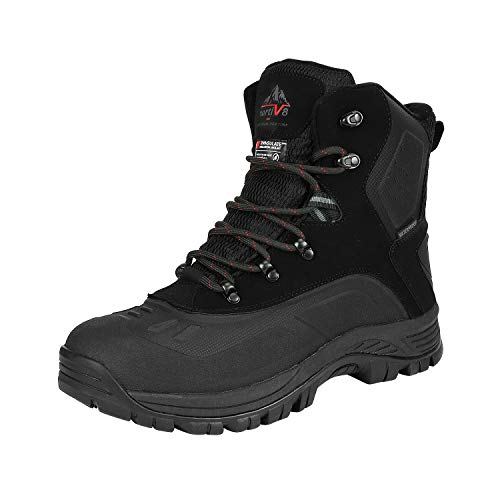
Compare the best active winter boots by insulation, traction, fit with thick socks, weight and price tier.
Prices for winter boots span a wide range, and a higher price does not always buy more warmth for movement. The best active winter boots keep your feet warm while you walk, hike or work outdoors, without the heavy bulk of boots made for standing still. This guide shows where extra money helps, so you can use the comparison table below with a clear budget in mind.
Active use changes what matters most. You need insulation that works without trapping sweat, grip on packed snow and a fit that leaves room for thick socks.
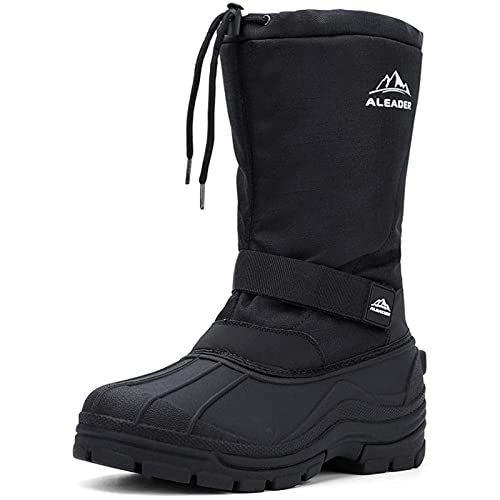
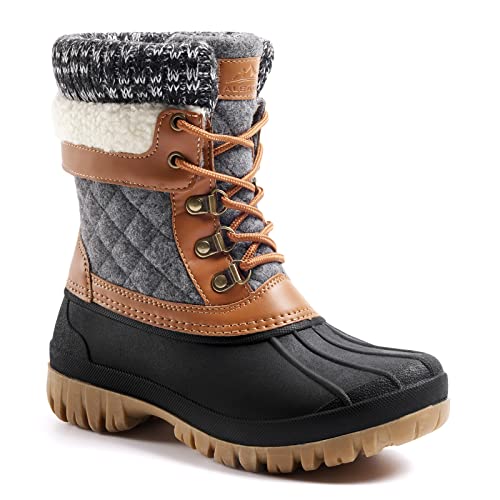
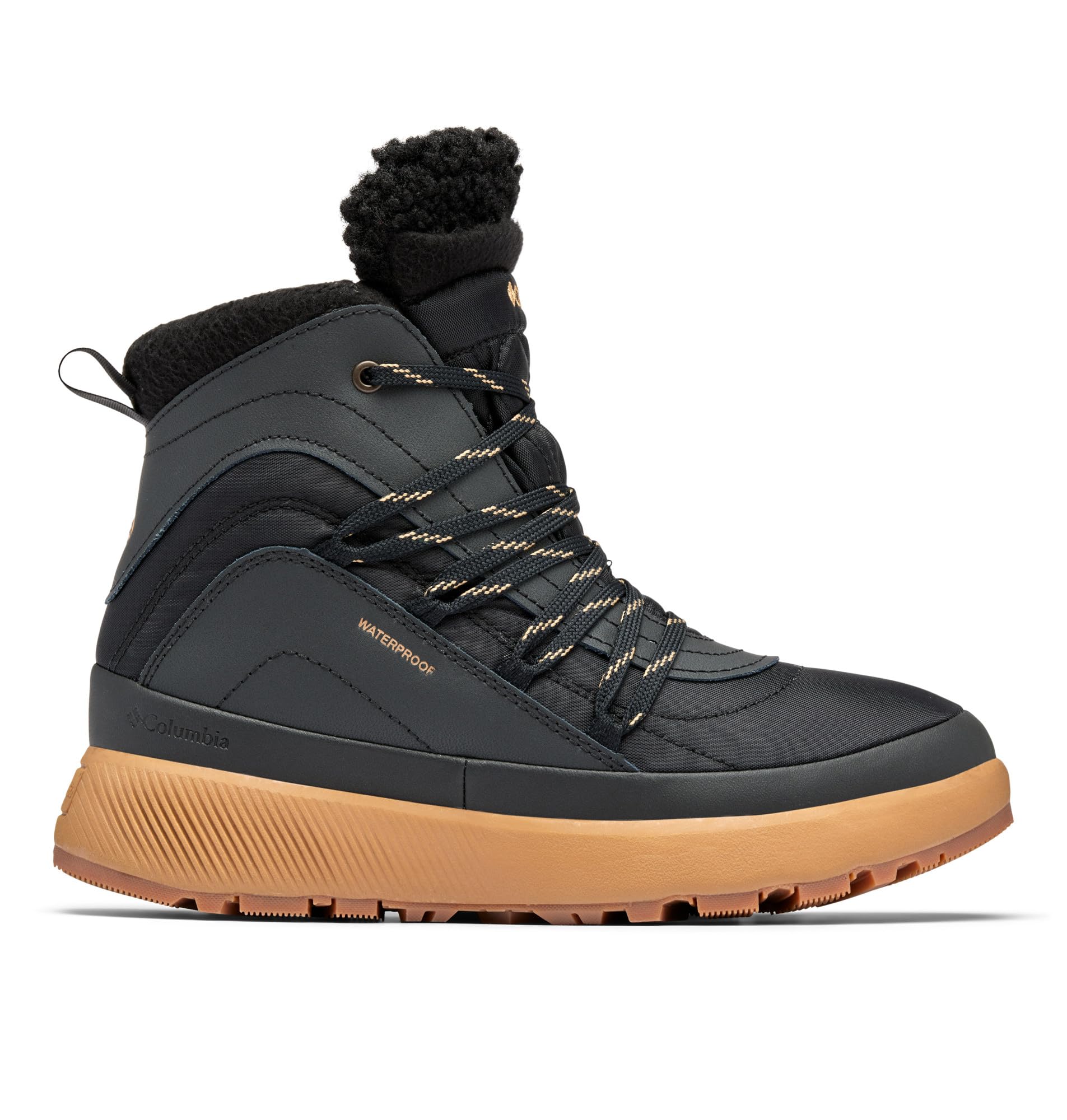
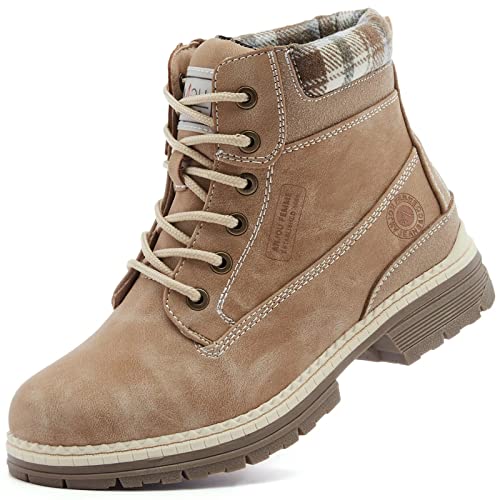
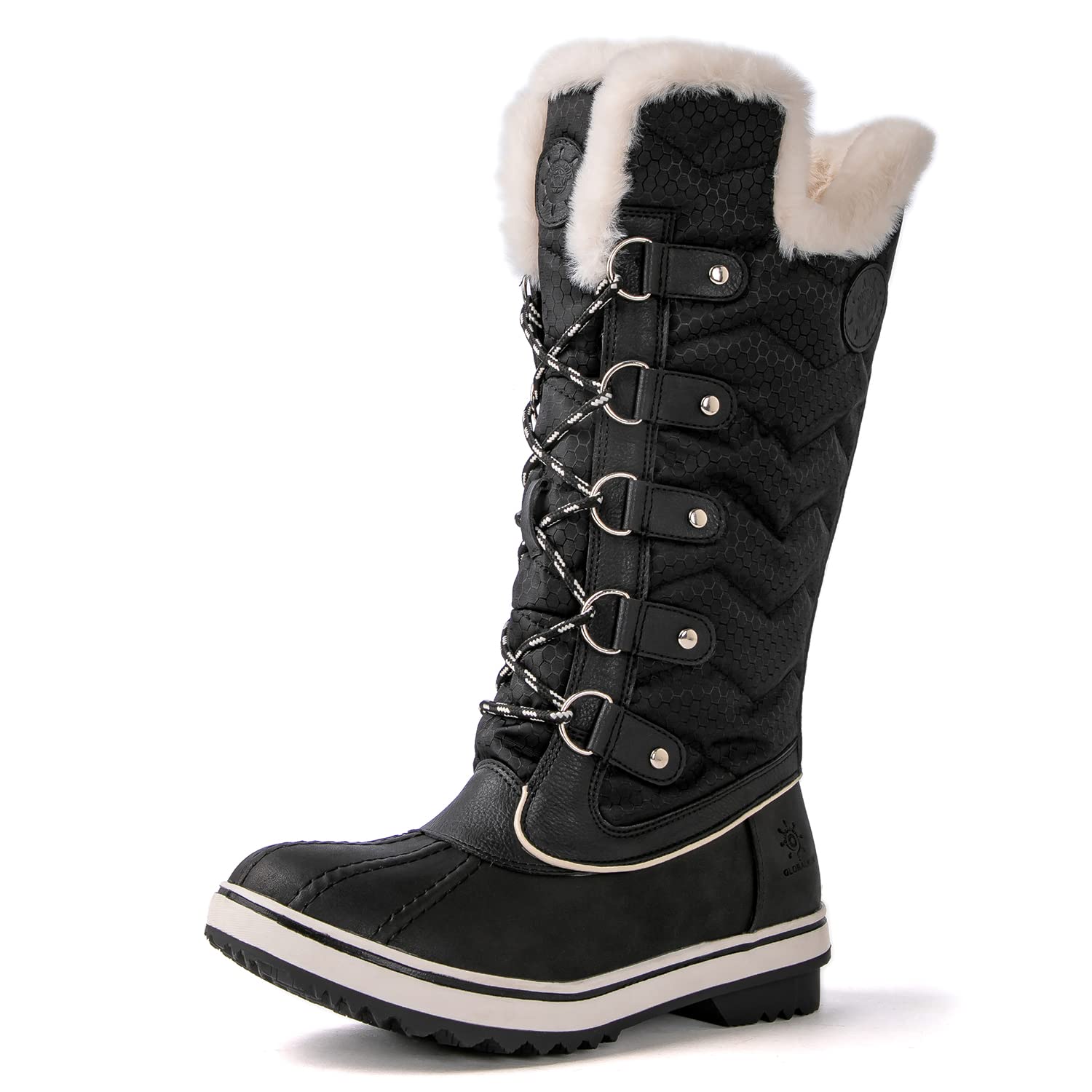

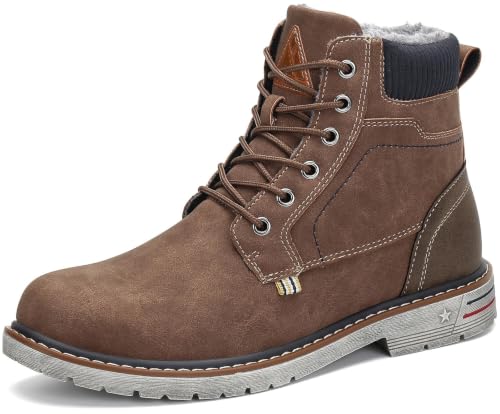


Who Should Buy Which Active Winter Boots?
Start with how long you stay moving and how cold your usual route gets. For a broader view beyond active use, see our guide to the best winter boots for general winter wear.
Daily Walkers and Commuters Watching Their Budget
You walk to work, walk a dog or cross town on cleared paths, often for under an hour at a time. A budget pair with basic insulation and a lugged rubber sole covers most of those trips. Choose a mid height shaft for support on uneven curbs, and leave room for wool socks. Men who prefer a less athletic shape can also see our guide to the best boots men winter.
Winter Hikers and Snowshoers Who Stay Out for Hours
You keep moving on trails, so your feet make their own heat as you go. Spend more for lighter insulation, a breathable waterproof membrane and a firmer sole that stays stable on slopes. A secure lacing system matters more than thick padding, because a heel that lifts on climbs will rub and cool your foot. Weight matters too over miles.
Outdoor Workers and Travelers in Deep Cold
You mix movement with waiting outdoors, so you cool down fast when you stop. Choose stronger insulation, a taller shaft and a durable upper that sheds snow. A roomier fit helps when you add a liner sock on the coldest days. You will pay more, but added warmth during still periods is the reason.
Price Tiers for Boots Built for Moving in Winter
Price tiers differ most in insulation quality, sole grip and weight. Use the ranges below as a guide to what is realistic, then check the features section before you decide that a higher tier suits you better.
Under About $100: Basic Warmth for Short and Mild Outings
Budget boots usually use thinner synthetic insulation, a basic waterproof coating and a heavier rubber sole. They suit short walks, errands and mild snow. Expect a simpler lining and less arch support. For occasional use a few times each month, that trade off can be sensible, as long as you do not plan long hikes or deep cold.
About $100 to $180: Fuller Insulation and Better Grip for Regular Use
This range usually adds a sealed waterproof membrane, insulation that stays warm with less bulk and an outsole with deeper lugs for packed snow. You also tend to get better cushioning and laces that hold tension on hills. For walkers out several times a week, this is often where value peaks. Readers comparing casual styles for men can see our guide to the best winter boots for guys.
Above About $180: Lighter Build and Stronger Traction for Long Days
Premium boots tend to combine light insulation, durable leather or advanced synthetic uppers and soles made for ice and steep ground. You may also get a stiffer shank for stability under a pack. The gain is comfort over long hours and slower wear, not automatic extra warmth. Buy at this level if you hike often or keep one pair for many seasons.
Key Features to Compare Before You Spend More
When you compare best active winter boots across tiers, judge each feature by your activity level first. A warm but sweaty boot and a light but cold boot both fail on a long active day.
Insulation That Matches Your Activity Level
Insulation is often listed by weight, with about 200 grams suited to active use in moderate cold and about 400 grams better for slower days or lower temperatures. Moving feet stay warmer, so very thick insulation can make hikers overheat and dampen socks with sweat. Match the rating to your coldest still moment, when you stop moving and cool fastest.
Waterproofing and Breathability in Balance
A waterproof membrane keeps meltwater and slush out, while breathable construction lets sweat vapor escape during effort. Fully sealed boots protect best in wet snow, but they can feel clammy on climbs if the lining holds moisture. Look for a membrane paired with a lining that wicks, and avoid cotton socks that stay wet. In dry, cold powder, water resistance may be enough.
Outsole Traction and Stability on Ice and Packed Snow
The outsole decides how secure each step feels. Deep, wide lugs bite into packed snow and shed slush, while softer rubber stays flexible in cold air and grips smooth ice better than hard rubber does. A broad heel base and a firm midsole add stability under a pack. No sole removes the need for care on glare ice, so shorten your stride there.
Cushioning and Support for Miles on Snow and Ice
Cushioning softens impact on frozen ground, which feels hard even under snow. A shaped footbed with clear arch support suits flat feet and high arches better than a flat foam insole, and you can often swap the insole. Heel to toe drop in boots is modest, and a lower drop can feel more stable on uneven snow. If foot pain lasts beyond a short break in period, talk with a clinician about your personal needs.
Fit, Toe Box, Weight and Flex for Natural Movement
Measure your feet in the afternoon, wear your winter socks and leave about a thumb width in front of your longest toe. A wide toe box lets toes spread for balance and keeps blood flowing, which helps warmth. Lighter boots with a flex point at the ball of the foot suit fast walking, while stiffer boots suit rough trails and heavier loads.
What Winter Boots Cost You Over Several Seasons
The boot price is only part of what you will spend. Wool socks, replacement insoles and fresh laces add a small yearly cost, and heavy users may replace a pair sooner than casual walkers. A longer warranty can lower risk on premium pairs, but it rarely covers worn tread.
Plan to replace insoles when they stay flat after use, since worn cushioning changes fit and support. Waterproof care products for leather uppers add a modest cost each season. Count those items before you stretch your budget.
Common Mistakes to Avoid
Most regrets with active winter boots come from fit and insulation choices, not from brand or color.
- Buying your usual shoe size without thick socks leaves toes crowded and cold on long walks.
- Choosing the thickest insulation for fast hiking makes feet sweat and then chill when you stop.
- Trusting a smooth fashion sole on packed snow leads to slips on hills and icy curbs.
- Ignoring boot weight for long distances leaves legs tired well before the route ends.
- Drying boots on direct heat cracks leather and weakens glue in the sole.
Care and Maintenance for Active Winter Boots
After each wet outing, pull out the insoles, loosen the laces and let the boots dry at room temperature away from a heater. Stuffing them with plain paper helps draw moisture from the lining. Brush off dried salt and mud, since salt left on an upper will stiffen and stain it.
Clean the outsole lugs with an old brush so packed grit does not reduce grip. Treat leather uppers with a conditioner made for winter footwear when they look dry, and store boots upright in a cool, dry place. Check lace eyelets and sole edges each month, and repair small separations early.
FAQ
How should active winter boots fit for hiking and daily walking?
Active winter boots should feel snug at the heel and midfoot, with clear space for your toes to move. Your heel should stay in place when you walk downhill in the store or on stairs. If your toes press the front on a slope, go up half a size, because feet swell during long walks.
How long is the break in period for active winter boots?
Most active winter boots feel close to ready within about three to five short walks. Stiffer leather pairs can take longer, so build distance gradually and wear your winter socks from the first walk. Hot spots that return in the same place signal a fit problem, not a stage you should push through.
How often should I replace active winter boots used for winter hiking?
Replace active winter boots when the tread looks smooth in the heel and ball areas, or when the midsole feels flat on frozen ground. For regular hikers that is often after about 300 to 500 miles, though salt and heavy loads shorten that span. A crack that lets water reach the lining is also a clear sign.
Are expensive active winter boots worth the extra cost for casual walkers?
For casual walkers, expensive active winter boots are often not worth the extra cost. Short, cleared routes ask little of traction, weight or durability, so a budget or mid priced pair covers the need well. The extra money makes more sense when you walk daily, carry a pack or face steep, icy ground. Spend first on fit and good socks, which improve any tier.
Do active winter boots need to be waterproof for snow?
Active winter boots benefit from waterproof protection in most snowy places, because trails and sidewalks turn to slush as the day warms. Dry powder in deep cold is the main exception, where a water resistant upper can stay comfortable for short outings. If you step through puddles, choose a sealed membrane and a gusseted tongue.
Our Verdict
Choose your tier by time outdoors and effort, not by price alone. Budget pairs serve short trips, the middle range suits most active walkers and premium pairs earn their cost on long, rough days. Use the product table above to check insulation, weight and price.
With fit, traction and insulation in balance, the best active winter boots will keep you moving comfortably without paying for bulk you do not need.


