Best Active Speakers under 1000: A Buying Guide for 2026
Disclosure: We may earn a commission when you buy through links on this page, at no extra cost to you. As an Amazon Associate I earn from qualifying purchases. Learn more

Learn how to choose the best active speakers under 1000 with guidance on amplifier power, driver quality, inputs, room size, and controls for home listening.
A budget near four figures changes the conversation. You are no longer asking whether powered speakers can sound good, but how close they can come to a separate amplifier and passive pair. The best active speakers under 1000 answer with matched amplifiers, better drivers, and cabinets built to stay quiet at high volume.
This guide shows where that money pays off, where it stops paying off, and how to match power and size to your room. Start with the product table, then use the sections that follow to judge the details behind the prices.
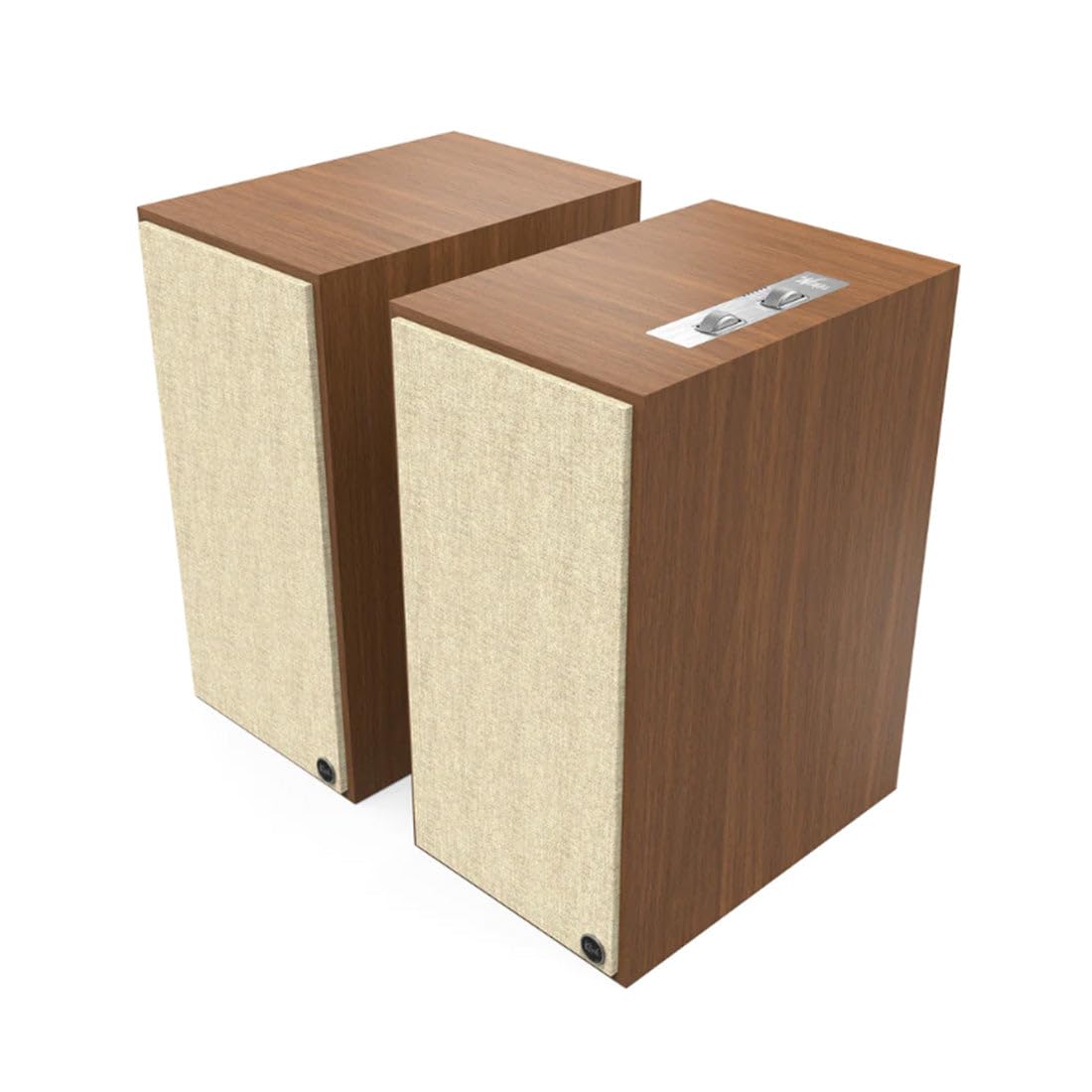
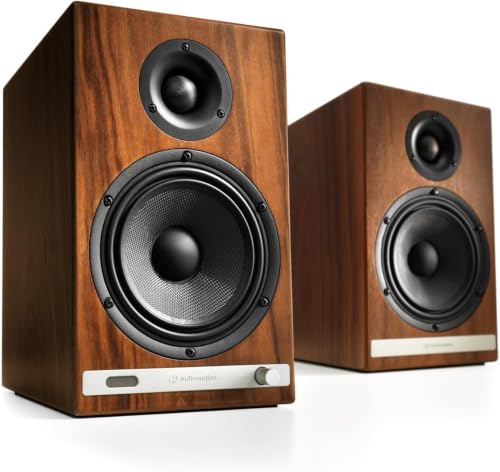

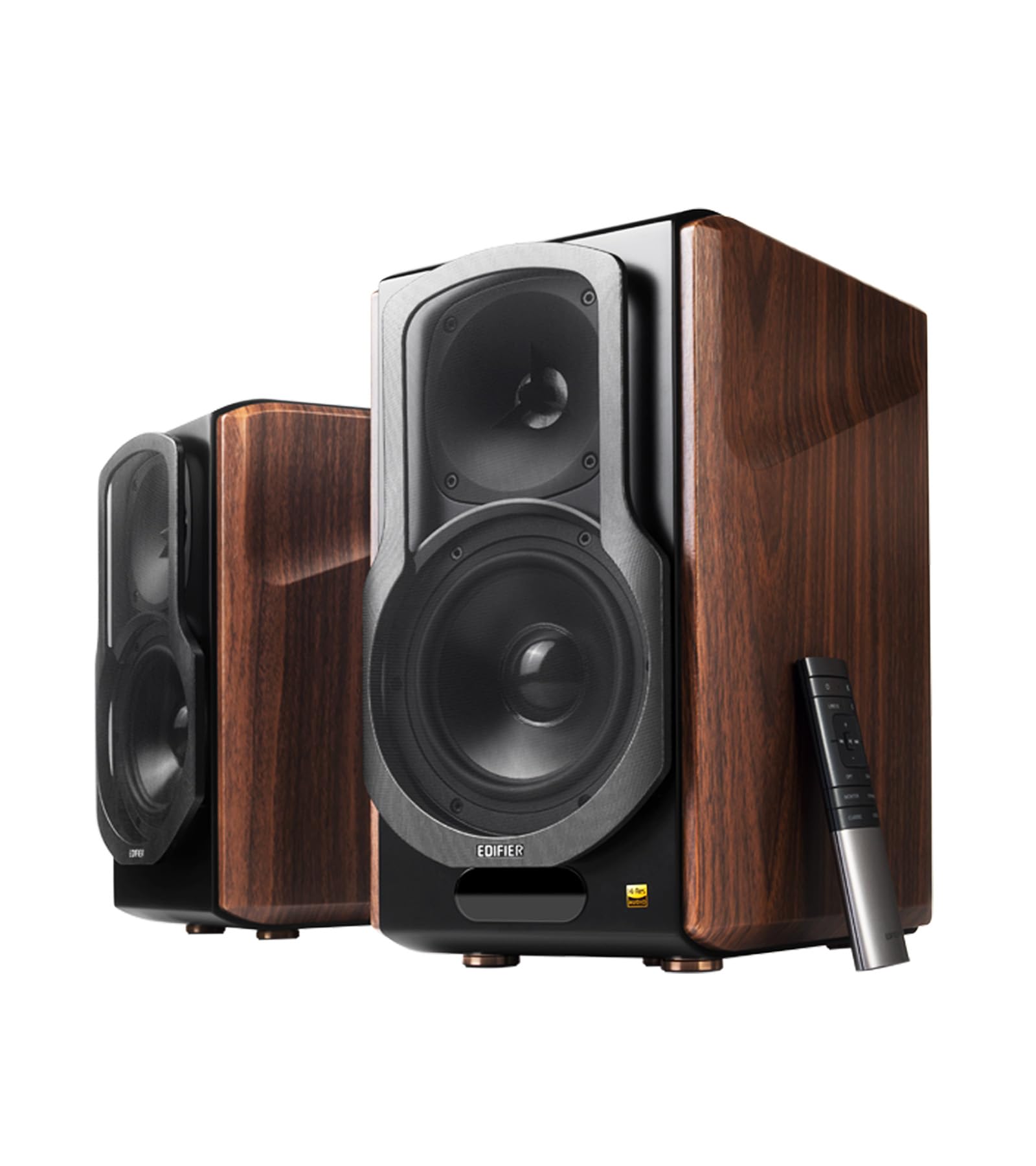


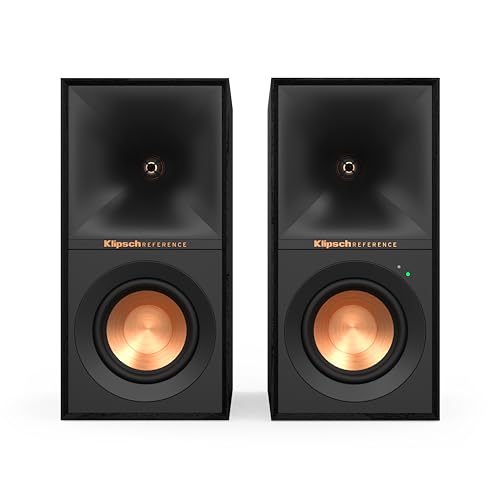


Three Buying Profiles at a Glance
At this level, buyers split into a few clear groups. Use these profiles as starting points, then confirm inputs and dimensions before you spend anything.
Balanced Profile for Serious Home Listening
A balanced pair in the middle of this budget suits music first homes, with a woofer around 5 to 6.5 inches and a clean, neutral tuning. Expect confident bass for a medium room, clear voices, and volume headroom you will rarely use fully. The limit is still physics, so very large rooms and deep movie effects may call for a subwoofer output and a separate sub later.
Value Profile That Skips the Extras
Value at this tier means strong drivers and amplifiers without paying for streaming platforms or luxury finishes. Around $400 to $650 often buys most of the sound of pricier pairs, with simpler remotes and fewer digital inputs. That trade suits buyers who already own a streamer or plan to use a TV or computer as the hub. Check the subwoofer output, because it is the upgrade path you are most likely to want.
Premium Profile With Full Connectivity
Near the top of the budget, you pay for convenience as much as sound. HDMI ARC for a TV, balanced inputs, room correction tools, and refined cabinets become realistic. This profile fits a living room system that must stay simple for the whole household. The risk is paying for features you never open, so list your actual sources before you let a feature list set your budget.
How to Choose the Best Active Speakers: Buying Guide
The best active speakers under 1000 earn their price through amplifier matching and build quality, not through longer spec sheets. Work through these points in order.
What You Can Realistically Get Under $1000
Under $1000 you can expect low distortion, a rigid cabinet, quality drivers, and amplifiers tuned to those drivers at the factory. Many pairs add optical, USB, and HDMI ARC inputs plus a subwoofer output. What you still may not get is built in streaming on every model, or bass that reaches the lowest movie notes. Spend first on drivers and amplification, because you cannot upgrade those parts later.
Sound Quality and Tuning
Frequency response with a stated tolerance tells you far more than a bare range. A pair rated within plus or minus 3 dB across most of the range should sound even and predictable. Driver quality shows in how clearly voices separate from instruments at low volume, not only in loud peaks. Room placement still matters at this price, so leave space behind rear ports and keep the pair away from corners when bass sounds thick.
Durability and Build Quality
Water ratings rarely apply to home powered pairs, even expensive ones, so judge durability by cabinet construction and finish instead. Knock lightly on a cabinet in a store if you can, since a dull thud suggests good bracing. Check that binding style connectors, buttons, and rear switches feel firm. Keep these speakers indoors and dry. If you truly need outdoor sound, a separate rugged portable is the safer tool for that job.
Size, Weight, and Placement
Larger powered pairs can weigh 15 to 25 lb each, so confirm your stands or shelves can carry them safely. A 6.5 inch woofer needs a medium room to breathe, while a 4 inch model can overwhelm a tiny desk with bass. Measure for cable access and heat space around the amplifier plate. Tweeters near seated ear height give the clearest stereo image, so budget for stands if your furniture sits low.
Microphone and Call Features
A few Bluetooth powered speakers include a microphone for phone calls, but most home pairs do not, and that is fine. Call quality depends on mic placement in the room, which is rarely ideal from a shelf. For meetings, a laptop mic or a headset will serve you better. Do not let a call feature steer this purchase unless the speaker will live on a desk and handle calls daily.
Power, Battery, and Charging Reality
Nearly all pairs at this price plug into the wall and have no battery, which is a benefit for consistent amplifier power. Judge output by clean volume in your room size rather than peak watt marketing. A sensitive speaker with modest watts can play louder than an inefficient one with a bigger number. The rare battery powered model in this range trades amplifier headroom for portability, so buy it only if moving the speaker is a weekly habit.
Types of Active Speakers
Home and Bookshelf Models
Bookshelf sized powered pairs are the heart of this market and fit most rooms and desks. They balance bass, clarity, and footprint better than any other type here. For a wider view of the category, see our guide to the best bookshelf speakers under 1000 and compare powered and passive paths. Add a subwoofer later if movies expose the low end limit.
Wireless and Bluetooth Models
Bluetooth and WiFi equipped pairs reduce cable runs and make phone listening effortless. Multipoint Bluetooth lets a laptop and phone stay connected, which suits shared desks. WiFi streaming can offer better stability and multiroom options on supported models. Remember that the amplifier still needs power, so wireless refers to the signal only. Our guide to the best speakers under 1000 puts these designs beside passive systems at the same budget.
Large Room and Tower Style Models
Powered tower style speakers exist but are less common, and they suit open plan rooms where stands look awkward. Their taller cabinets can produce fuller bass without a sub. Placement is less flexible, and shipping or moving them takes planning. If that shape appeals to you, compare notes with our guide to the best tower speakers under 1000 before you commit to the footprint.
How to Make Your Active Speakers Last Longer
- Keep firmware updated. Updates for smart models can improve streaming stability and fix input switching bugs.
- Give the amplifier air. Do not bury the rear plate in insulation or tight cabinetry, because heat shortens electronics life.
- Clean with a dry cloth. Dust vents and grilles gently, and keep sprays and drinks away from cones and ports.
- Avoid max volume for long sessions. Sustained clipping heats voice coils, so back off when the sound turns harsh.
- Use surge protection. Powered speakers contain amplifiers and digital boards, so a quality surge protector is cheap insurance.
One more know how point matters. If one channel ever sounds weaker, swap the left and right input cables first. That simple test tells you whether the fault sits in the source, the cable, or the speaker itself.
FAQs
Can you get a good active speaker under $1000?
Yes, this budget buys genuinely high quality powered sound for most homes. The gains over budget pairs show in cleaner volume, tighter bass, and better cabinets. Returns shrink as you approach the top of the range, though. Many listeners would be happiest near the middle, with leftover funds for stands, a subwoofer, or room friendly extras such as rugs and curtains.
How long does the battery last on active speakers under $1000?
Most pairs at this price have no battery and run on wall power, so runtime is unlimited. The few portable models in this range often claim about 10 to 24 hours at moderate volume. Treat maker claims as best case figures based on quiet listening. Loud outdoor use, cold weather, and heavy bass can cut real runtime by a third or more.
What IP rating do I need for outdoor use?
Home powered pairs normally carry no IP rating, so they should not live outdoors at all. For a patio event, IPX4 on a portable speaker covers splashes, and IP67 covers dust plus short immersion. Bring indoor pairs back inside after any rare outdoor use and let them dry fully. Never leave an amplifier plate exposed to rain, whatever the cabinet finish looks like.
Wired or wireless: which sounds better?
A wired digital or analog connection gives the most stable result and avoids wireless delay for TV and games. WiFi streaming matches wired quality on well designed models because it carries a full digital stream. Bluetooth is close for music but can add latency. At this budget, choose based on sources and convenience, and keep at least one wired input for your main source.
Is ANC worth the extra cost on active speakers?
No, ANC belongs to headphones and does not transfer to speakers playing into a room. If a premium listing uses ANC language for a home speaker, read the rest of its claims carefully. Your money works harder in driver quality, amplifier headroom, and room correction tools. Those features change what you hear every day, while a borrowed headphone term changes nothing.
Final Thoughts
Match cabinet size to your room, confirm the inputs for every source you own, and leave budget room for stands or a future subwoofer. The product table gathers the key specs for a quick shortlist. Chosen with those priorities, the best active speakers under 1000 can anchor a simple system that sounds far bigger than its two boxes suggest.