
Best Active Speakers for TV by Budget: Smart Picks for 2026
Disclosure: We may earn a commission when you buy through links on this page, at no extra cost to you. As an Amazon Associate I earn from qualifying purchases. Learn more

Compare the best active speakers for tv at every price point. Learn what you get at budget, midrange, and premium levels and where spending more pays off.
Built in TV speakers point at the wall or the floor, squeeze dialogue into a thin box, and leave films sounding flat. A pair of active speakers fixes that with a built in amplifier, a proper stereo image, and a remote friendly connection to your TV. Prices range from under $100 to well past $1,000, so this guide to best active speakers for tv shows what each budget level actually buys you in sound and convenience.
Start with the tier sections to set your budget, then check the product table for the best active speakers for tv that match the inputs and sizes your room needs. Connection type and dialogue clarity matter more than raw power, so keep those two at the top of your list.
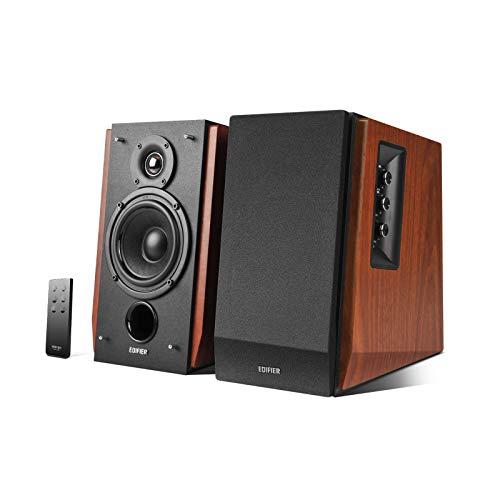

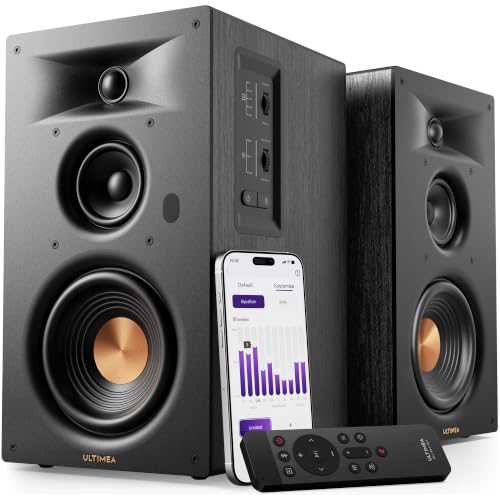
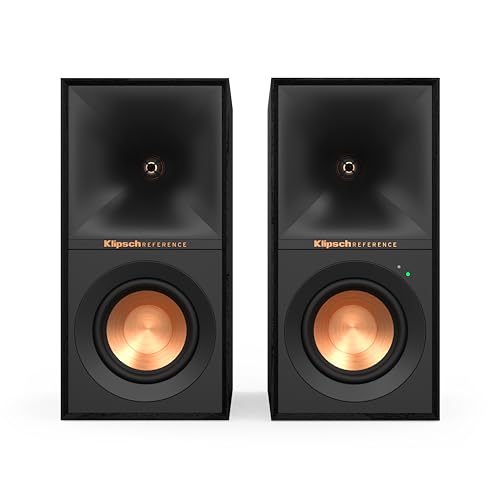
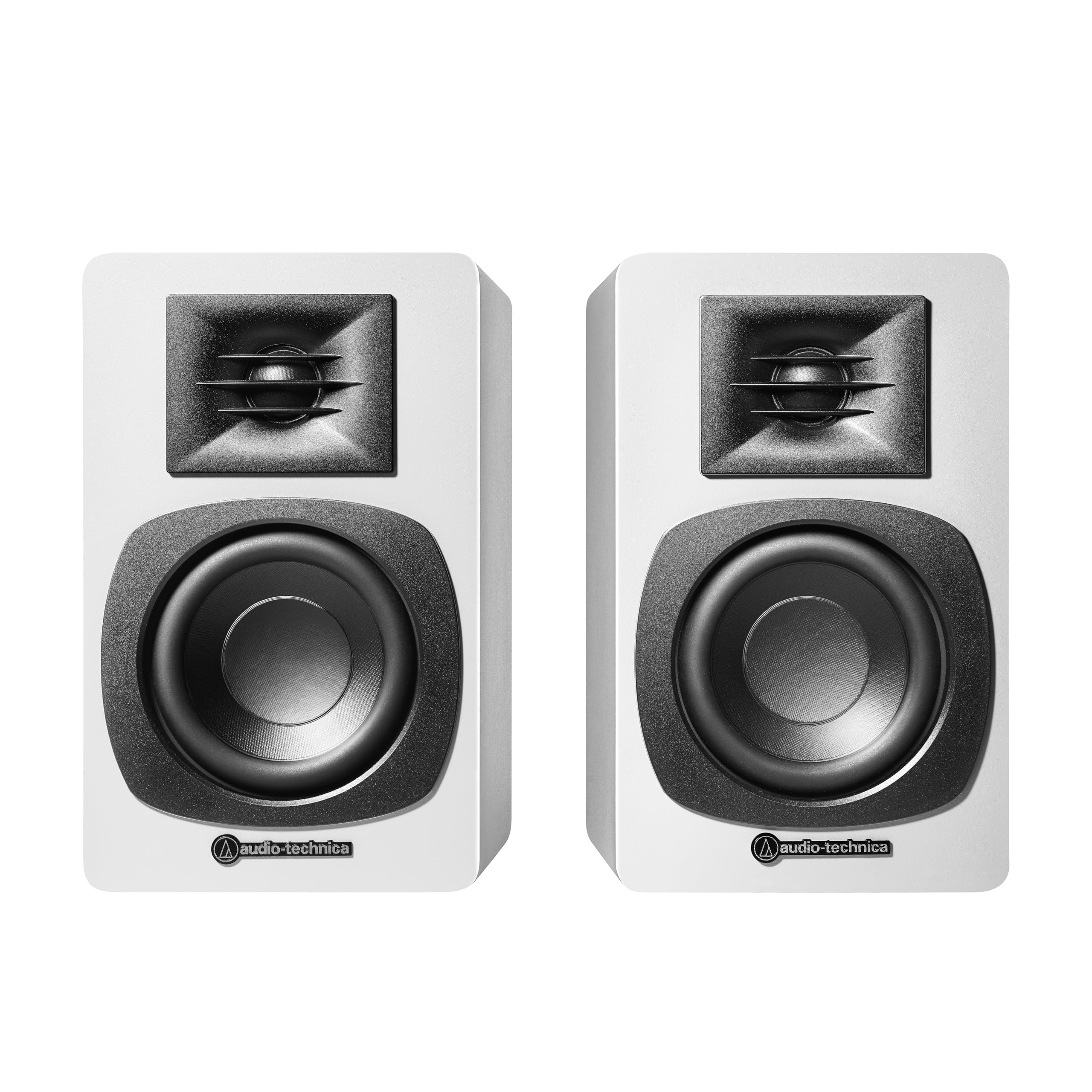
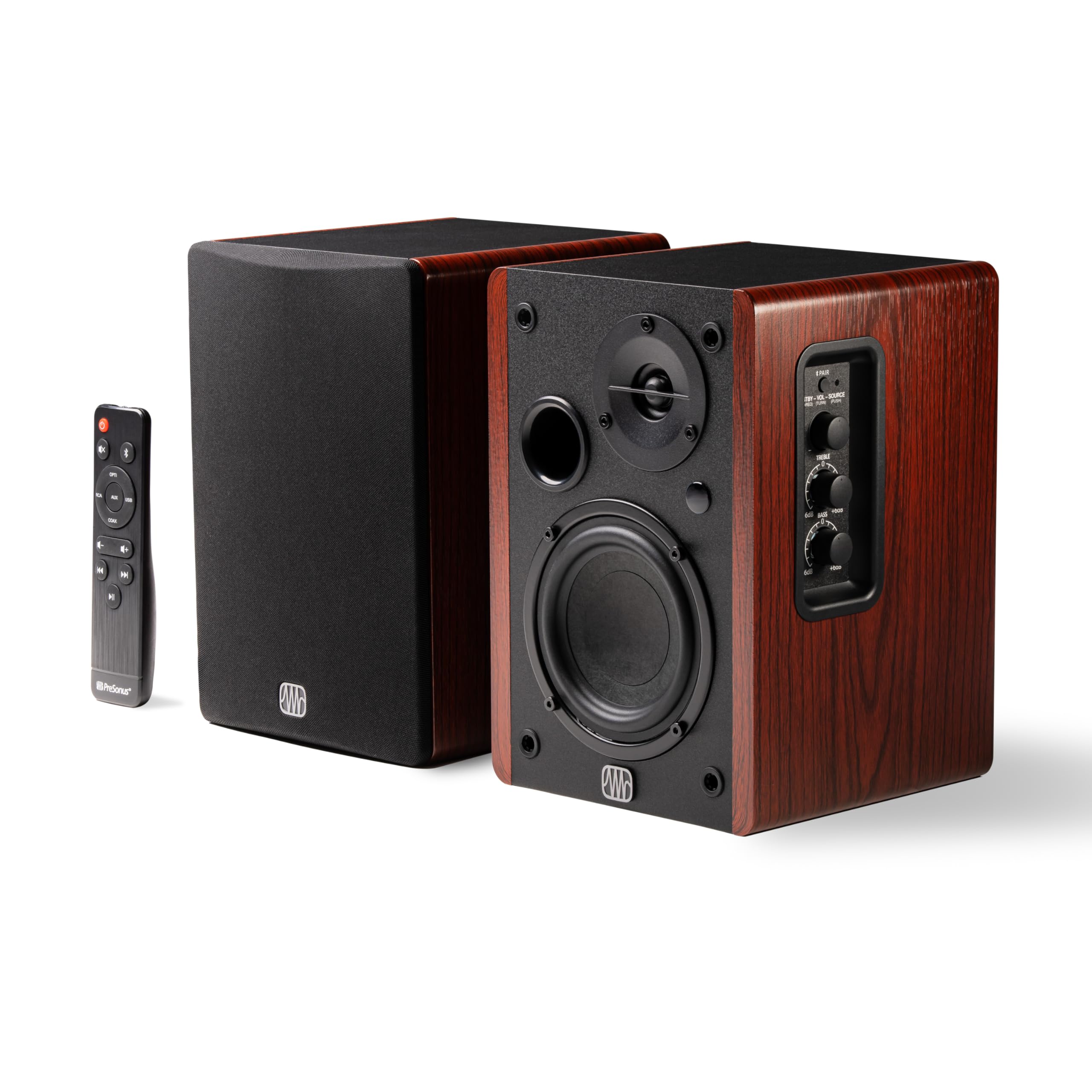


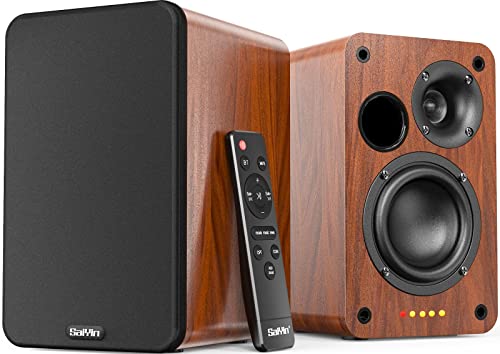
Three Budget Profiles for TV Sound
Instead of naming models, this section describes the profile to expect at each level, who it suits, and the compromise built into the price.
Budget Profile
Budget pairs, usually around $80 to $150, suit bedrooms, small apartments, and anyone upgrading from TV speakers for the first time. You get clear gains in dialogue and stereo width, simple Bluetooth for music, and usually an optical or HDMI ARC input. Bass stays modest, so action films feel tighter but not physical, and cabinets are compact plastic or light wood. Volume is plenty for near viewing distances. For a first step away from flat TV sound, this tier delivers the most noticeable jump per dollar in the whole category.
Midrange Profile
Midrange pairs, around $200 to $450, are the sweet spot for most living rooms. Expect larger woofers with fuller voices, a subwoofer output for later upgrades, better remotes, and tone controls that let you lift dialogue without raising everything. Build quality improves too, with sturdier cabinets that buzz less at high volume. The remaining compromise is deep film bass, which still needs a subwoofer for full effect. If you watch a mix of news, sport, and films from a sofa several feet away, shop here first.
Premium Profile
Premium pairs, around $600 and up, suit dedicated media rooms and listeners who also use the system for serious music. Gains include stronger amplifier headroom, finer low volume control, high quality digital inputs such as HDMI eARC, and sometimes room correction that balances bass in awkward spaces. Dialogue processing modes at this level can genuinely help viewers who struggle with mumbling mixes. The cost is real money plus larger cabinets that demand stands or a wide console. Buy this tier when the room is big, the TV is large, and the system will serve for many years.
What Your Money Gets You at Each Price Tier
Budget Tier: What to Expect
Budget money buys clarity and convenience rather than scale. Dialogue becomes easy to follow at normal volume, and stereo separation makes sport and music feel wider than any TV manages alone. Inputs may be limited to one digital option plus Bluetooth, so check your TV output before ordering. Small cabinets also mean you should sit fairly close for the best effect. Treat this tier as a strong, simple upgrade and it will not disappoint you.
Midrange Tier: The Sweet Spot for Most Buyers
Midrange money adds headroom, which is the ability to play loud moments cleanly without turning down for the quiet ones. You also gain a subwoofer output, better bass control for apartments, and remotes that handle volume and input together. Many pairs here add a dedicated dialogue or voice mode. Shoppers comparing simpler options can also read our guide to the best tv speakers for the wider category beyond active stereo pairs.
Premium Tier: When Spending More Pays Off
Premium spending pays off when your room is large, your TV is 65 inches or bigger, or music matters as much as film. Better digital conversion, stronger cabinets, and room correction produce a calmer, more even sound that stays clear at low late night volume and at full film level. Warranty and support also improve at this level, which matters for electronics you use daily. If your room is small, the midrange tier plus a modest subwoofer usually sounds just as satisfying for less.
Features Worth Paying For in Active Speakers for TV
Connection Options: HDMI ARC, Optical, and Bluetooth
The input panel decides your daily experience more than any sound spec. HDMI ARC or eARC is the best choice for most homes because your TV remote controls speaker volume and the speakers wake with the TV. Optical is a close second and works with older TVs, though you may need the speaker remote for volume. Bluetooth is for music from phones, not for film, since delay can break lip sync. If wireless music freedom matters most, compare our guide to the best wireless speakers for tv before deciding.
Features That Matter for TV
TV use rewards three things: clear dialogue, controlled bass, and painless volume control. A center focused voice mode or a simple treble lift helps older viewers and quiet mixes. Bass control matters because living room walls amplify low notes at night and annoy neighbors. Automatic wake on signal sounds minor until you live with speakers that need a second remote every evening. Prioritize these daily comforts over exotic inputs you will use once a year.
Latency and Lip Sync
Latency is the delay between picture and sound, and even a small delay makes dialogue feel dubbed. Wired HDMI and optical connections keep delay negligible on most systems, and many TVs offer an audio delay adjustment if voices drift. Bluetooth is the risky path, because delay varies by device and can reach a level you cannot ignore. Gamers should also check for a low latency mode, since fast scenes reveal sync problems first. Test with a news broadcast, where faces and voices are easy to judge.
Dynamic Range and Night Mode
Films mix whispers and explosions far apart, and good active speakers handle that range without constant remote work. A night or dynamic range compression mode narrows the gap, lifting quiet dialogue and capping loud peaks, which is ideal for apartments and sleeping children nearby. Without it, you will ride the volume all evening. This feature costs little and helps daily, so treat its absence on a midrange pair as a genuine drawback rather than a minor omission.
Gaming and Extra Inputs
Console and PC players should confirm an extra input for the console or a pass through arrangement that keeps everything in sync. An analog input also welcomes a turntable or an older streamer, and our guide to the best active speakers for turntable explains the phono requirements if vinyl joins your TV setup. A USB input can suit a computer desk setup. None of these extras should replace the core TV connection, so rank HDMI ARC first and treat the rest as bonuses.
Long Term Costs to Factor In
Ownership costs stay modest but are worth adding up. Stands or isolation pads may cost around $30 to $80 and improve both sound and safety on a console. A subwoofer, the most common later upgrade, adds around $150 to $400 at the levels most buyers choose. Electricity use is small, though pairs without automatic standby draw power all day, so check standby behavior if that matters to you. Finally, a warranty of at least two years protects the amplifier and electronics, which are the parts most likely to fail first.
FAQs
What features matter most in active speakers for tv?
An HDMI ARC connection, clear dialogue handling, and a subwoofer output matter most. Together they give you one remote control, voices you can follow, and an upgrade path for film bass. After those, look at cabinet size for your room and a night mode if you watch late. Power ratings alone tell you very little about how a pair will actually sound at home.
How long do active speakers for TV last?
A well made pair typically lasts eight to twelve years in daily home use. The electronics usually age out before the drivers, since input standards change over time. Choosing HDMI eARC plus optical today protects you against the next TV upgrade. Keeping vents dust free and cabinets out of direct heat also helps any powered speaker reach its full service life.
Does my TV refresh rate affect speaker choice?
No, your TV refresh rate does not change which speakers you should buy. Refresh rate describes the picture, while speakers only need a matching audio connection and low delay. Fast action and gaming do reveal lip sync problems sooner, so wired connections matter more for gamers, but the panel speed itself places no special demand on the audio side of your setup.
Active or passive speakers: which is better for TV?
Active speakers are better for most TV setups because the amplifier is built in and matched to the drivers, so you skip a separate receiver and its wiring. Passive speakers suit homes that already own a good amplifier or plan a full surround system later. For a clean two speaker upgrade with one remote, active is simpler, cheaper overall, and easier to place.
What size speakers should I get for my room?
Small rooms and desks suit compact pairs with woofers around 3 to 4 inches, while typical living rooms do better with 5 to 6 inch woofers that fill the space without strain. Large rooms need either bigger cabinets or a subwoofer to support film bass. Measure your console depth first, and leave space behind rear ported cabinets so bass stays clean rather than boomy.
The Bottom Line
Set your budget by room size, insist on HDMI ARC and clear dialogue, and leave a path to add a subwoofer later. Those three choices decide daily satisfaction far more than wattage claims. Compare your shortlist in the product table, and the best active speakers for tv for your home will be easy to spot. For a broader look at the category, see our guide to the best active speakers as well.


