Best Active Speakers For Live Band 2026: A Practical Buying Guide
Disclosure: We may earn a commission when you buy through links on this page, at no extra cost to you. As an Amazon Associate I earn from qualifying purchases. Learn more

Power, coverage, inputs and portability explained for picking the best active speakers for live band gigs, with setup and sound check tips.
A live band needs speakers that are loud, clear, and easy to set up night after night. The best active speakers for live band use built in amplifiers matched to the drivers, so you carry fewer boxes and avoid amplifier matching guesswork. The product table will help you compare the best active speakers for live band gigs side by side.
This guide covers power, coverage, inputs, and portability for gigging bands. It is written for first time buyers and working bands alike, with practical setup advice that helps you sound good in small rooms, halls, and outdoor spots.

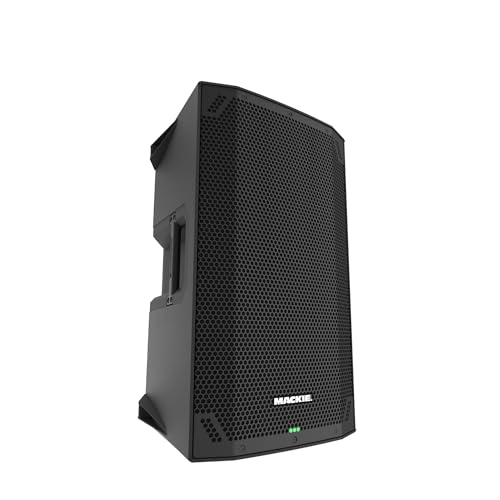
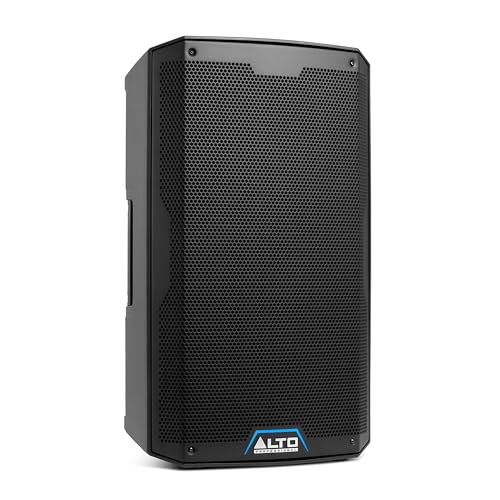



Who Should Buy Which Type
For Small Venue Bands
Small venue bands need speakers that fill a room without overwhelming it or feeding back. A pair of well placed active speakers on stands often suffices, with a mixer controlling levels. Clarity at moderate volume matters more than maximum loudness.
For Wedding and Event Bands
Event bands play varied rooms, from halls to gardens, and need flexible coverage and quick setup. Speakers that work on stands, on the floor as monitors, and with a subwoofer later give room to grow. Reliable, simple controls help when setup time is short.
For Loud Rock and Larger Stages
Louder bands and larger stages need more output, wider coverage, and often subwoofers for bass. Plan the full PA, including monitors and mixer channels, rather than buying speakers in isolation. Power and coverage must match the stage, not just the budget.
Types Compared
Two Way Active Speakers
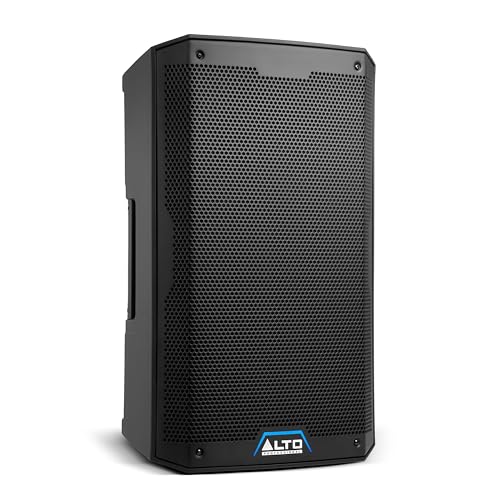
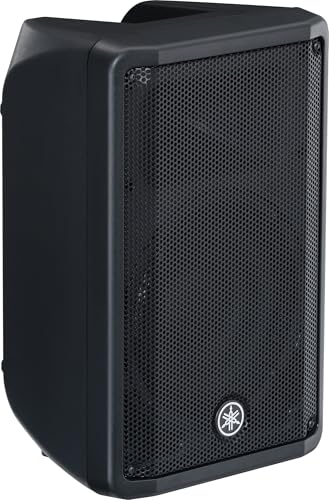
Two way active speakers pair a woofer with a horn or tweeter and suit most bands as main speakers. They are portable, simple to set up, and cover vocals and instruments well. They are the default choice for many gigging bands.
Three Way Active Speakers
Three way active speakers add a dedicated midrange driver for clearer vocals and instruments at higher volume. They are larger and heavier, but they can sound more detailed in bigger rooms. They suit bands that play loud and need vocal clarity.
Column Array Systems
Column arrays stack small drivers in a tall column for wide, even coverage with a slim look. They suit acoustic acts, speech, and smaller bands in reflective rooms. They may need a subwoofer for full bass with a full band.
Active Subwoofers
Active subwoofers handle low bass so main speakers can focus on vocals and instruments. They add weight and setup time, but they transform kick drum and bass guitar impact. Add one when mains alone sound thin at gig volume.
Key Features of Active Speakers for a Live Band
Power and Output
Power ratings alone do not tell you how loud a speaker plays, so check maximum output and sensitivity together. A speaker with efficient drivers can outplay a higher wattage speaker with poor efficiency. Listen at gig volume where possible, since specs hide distortion.
Coverage Pattern
Coverage pattern describes how wide and tall sound spreads from the speaker. Wide coverage suits audiences spread across a room, while narrower coverage throws sound further in a long hall. Aim speakers so coverage overlaps slightly, without blasting the front row.
Inputs and Mixer Compatibility
Active speakers usually accept mixer outputs by balanced cable, and some add mic inputs or Bluetooth for break music. Check that inputs match your mixer and that gain controls are easy to reach. Simple, clearly labeled controls reduce setup errors in dark venues.
Built In DSP and Protection
Built in digital processing often adds EQ presets, limiters, and crossover settings for use with or without a subwoofer. Protection circuits guard drivers against clipping and overheating. Presets help beginners, but learn what each preset does before relying on it live.
Weight and Portability
Gigging gear gets carried, loaded, and stacked often, so weight, handles, and cabinet durability matter. A speaker that is hard to lift safely will be dreaded on every load in. Check pole mounts, handles, and cabinet corners before committing.
Gig Setup Basics
Place main speakers on stands at head height or above, angled toward the audience, and keep them ahead of microphones to reduce feedback. Leave space behind speakers for cables and ventilation, and tape cables down in walkways. A tidy stage is a safer stage.
Set mixer levels so vocals sit clearly above instruments, then bring the whole mix up together rather than pushing one channel into distortion. Do a sound check at performance volume, including the loudest song, so limiters and feedback show up before the audience arrives. Small checks prevent big surprises.
Care and Maintenance
Wipe cabinets after gigs, check grilles and handles for damage, and store speakers upright in a dry place. Inspect cables for cuts and loose connectors, since cable faults cause most live sound gremlins. Keep spare cables and fuses in your gig kit.
Let speakers cool after a loud set before packing them into a hot vehicle, and avoid stacking heavy gear on grilles. Regular checks keep a PA reliable, which matters more on gig night than any single feature. Treat the PA as an instrument, not as luggage.
Mistakes to Avoid
- Buying on wattage alone, without checking output, coverage, and distortion.
- Placing speakers behind microphones, then fighting feedback all night.
- Skipping a sound check at full performance volume.
- Overloading a small PA with bass it cannot reproduce cleanly.
A Final Check Before You Order
Before you order, confirm output, coverage, inputs, weight, and subwoofer compatibility against your venues and mixer. Plan stands, cables, and transport, since the speaker is only part of the gig system. These checks matter more than any single power number.
The related guides linked below cover nearby live sound speakers, including powered and PA options for bands, so you can compare coverage and portability. Read them with your venues in mind, and shortlist the speakers that fit your band. Related guides: best speakers for live band, best powered speakers for live band, best pa speakers for live band, best active speakers, best powered pa speakers for live band.
Frequently Asked Questions
What is the difference between active and passive speakers?
Active speakers have amplifiers built in and matched to the drivers, so you connect a mixer directly. Passive speakers need a separate amplifier chosen and matched by you. Active speakers simplify setup for most bands, while passive systems suit venues with installed amplifiers. Passive systems also suit installed venues, where amplifiers live in a rack away from the stage.
Do I need a subwoofer for a live band?
It depends on your music and venues. Acoustic and vocal led acts often manage without one, while rock, pop, and dance bands benefit greatly from subwoofer bass. If kick drum and bass sound thin at gig volume, a subwoofer is the usual fix. A crossover setting that sends only lows to the subwoofer keeps mains cleaner at high volume.
How do I avoid feedback with active speakers?
Keep main speakers ahead of microphones, point them at the audience, and set vocal mic gain carefully. Use EQ to tame ringing frequencies during sound check, and keep stage monitors at the lowest useful volume. Good placement prevents more feedback than any gadget. Directional microphones reject more stage sound than omnidirectional ones, which also reduces feedback risk.
Can I use active speakers as stage monitors?
Many active speakers include a monitor angle or floor wedge shape for this use. Check that the model supports monitor placement and that inputs suit your monitor mix. Dedicated monitors often suit this job better, but flexible mains can cover small stages. Dedicated monitors give each musician a personal mix, which flexible mains cannot always provide.
What cables do I need for active speakers?
Most bands use balanced cables from the mixer to each active speaker, plus power cables to each speaker. Bring spares, since cable faults are common. Keep power and signal cables tidy and taped in walkways for safety. Label both ends of every cable, since dark stages make identical black cables hard to trace quickly.
Sound Checks That Save Gigs
A good sound check tests the loudest moments, not just a gentle warm up. Play the loudest song at performance volume, check vocal clarity, and listen for feedback, distortion, and balance from the audience area. Problems found now are easy to fix, while problems found mid set are not.
Walk the room during sound check, since sound differs greatly between stage, front row, and back wall. A mix that sounds great on stage can sound muddy or harsh out front. Ask a trusted friend to listen from the audience while you play.
Plan for common failures: a spare cable, a spare mic, and a simple backup plan if a speaker channel drops. Bands that recover quickly from small failures look professional, while bands that panic lose the room. Pack spares even when everything worked last time.
Finally, keep stage volume under control, since loud stages force the PA to fight itself and tire ears. A balanced stage lets the PA do its job and keeps vocals clear. The best gigs feel loud to the audience and comfortable on stage at once.
Final Thoughts
Match output, coverage, and portability to your venues, and the best active speakers for live band for your band will be the ones that set up fast and sound clear every night. The product table gives a useful starting point, but your rooms and your mixer should make the final call.
Order only after you have confirmed inputs, weight, and subwoofer plans, and sound check at full volume before every gig. A reliable PA lets the band focus on playing, which is the whole point.