
Best Active Hifi Speakers: The Buyer Checklist We Use for 2026
Disclosure: We may earn a commission when you buy through links on this page, at no extra cost to you. As an Amazon Associate I earn from qualifying purchases. Learn more

Use this buying guide and checklist for best active hifi speakers to compare sound quality, inputs, placement, and value before you choose a pair.
Active hifi speakers put the amplifier inside the cabinet, matched to the drivers by the maker, so you skip a separate receiver and a pile of speaker wire. That simplicity is appealing, but it also means the amplifier, the digital converter, and the speakers all live or die together, which makes your choice harder to undo later. This guide gives you a clear checklist for judging best active hifi speakers on sound, inputs, and room fit before you spend anything.
Work through the criteria below in order, note which ones matter most for your room and sources, and then check the product table against your notes. A pair that scores well on the points you actually care about will serve you far better than a pair that simply lists the most features.
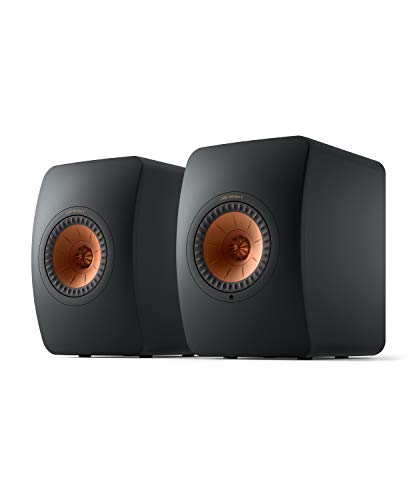

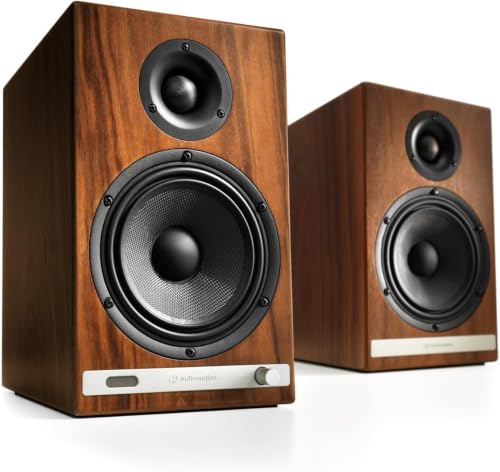


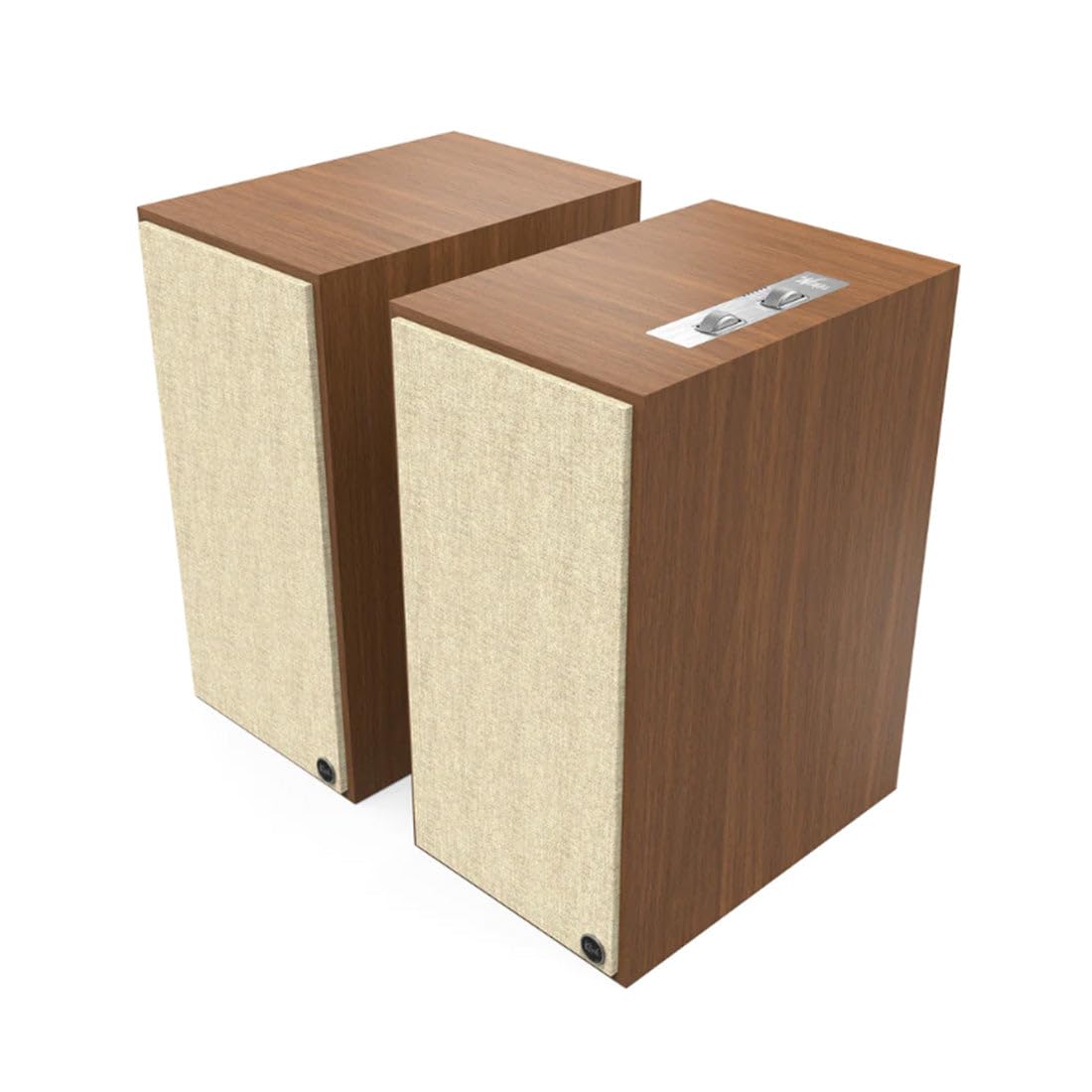
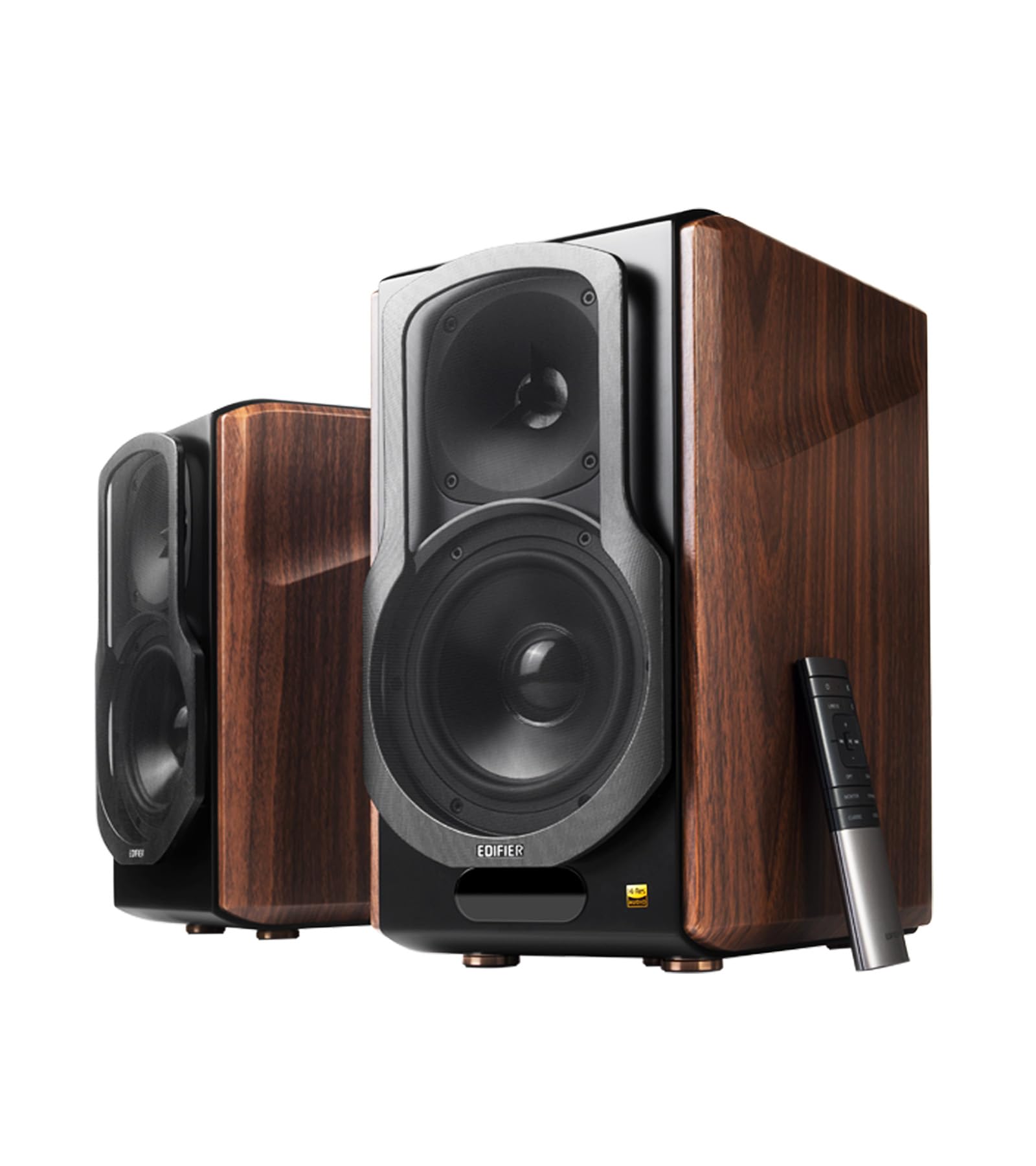


How to Evaluate Active Hifi Speakers
Think of this section as a scorecard. Each criterion shows what good looks like, what should make you pause, and how to check the claim with the information a maker actually publishes. If a listing hides one of these basics, treat that silence as useful information in itself.
Sound Quality and Tuning
Start with driver size and cabinet volume, because small cabinets cannot move much air no matter how clever the processing is. A woofer around 4 to 6 inches suits desks and small rooms, while larger drivers fill open living spaces without strain. Look for a published frequency response with a tolerance stated, such as plus or minus 3 dB, rather than a bare low number with no context. Tuning matters as much as hardware: a slightly neutral balance with mild bass lift usually ages better than a boomy showroom sound that flatters pop and tires you on voices and acoustic music.
Durability and Water Resistance (IP Rating)
Most hifi pairs live indoors, so cabinet finish, grille strength, and connector quality matter more than weather sealing. Check that binding posts or input sockets feel described as solid, and that the maker states a warranty of at least two years. An IP rating only becomes relevant if the speakers will sit on a covered patio or near a kitchen sink. IPX4 handles splashes, while IP67 suits gear that truly travels outdoors. If no IP rating is published, assume the speaker belongs indoors and keep it away from rain and steam.
Connectivity (Bluetooth Version, Codecs, Wired)
Inputs decide what you can plug in today and in three years. A good pair offers at least one digital input for a TV or streamer, an analog input for other sources, and Bluetooth for casual phone listening. Bluetooth 5.3 with multipoint lets two phones stay connected, and codec support such as AAC, aptX, or LDAC can improve wireless sound with matching devices. Wired connections still win on reliability and latency, so if a turntable is in your plans, read our guide to the best active speakers for turntable for the phono stage details that matter there.
Size, Weight, and Handling
Forget ear comfort here; for speakers this criterion is about whether the pair fits your furniture and your life. Measure your shelf or stands before ordering, leave a few inches behind the cabinet for cables and any rear port, and check the weight if you plan to move them between rooms. Heavy cabinets often resist vibration better, but a pair you dread lifting will never get repositioned when your room layout changes. Confirm the controls sit where you can reach them, since a volume knob on the back panel becomes a daily annoyance.
Power Draw and Standby Behaviour
Classic active speakers plug into the wall and have no battery to wear out, which is one less long term cost. What varies is standby behavior: good models sip power while idle and wake quickly when a signal arrives, while poor ones need a manual switch or draw notable power all day. If you are considering a portable model with a battery, expect roughly 10 to 20 hours of playback at moderate volume, and ask whether the battery can be replaced. A non replaceable battery in an otherwise fine speaker quietly sets its expiry date.
Ecosystem and App Features
An app earns its place when it adds useful tone controls, room correction, or firmware updates that fix real problems. Check that equalizer adjustments cover bass and treble at minimum, and that updates do not require an account you would rather avoid. Stereo pairing should hold sync reliably, because drifting channels ruin imaging fast. If you are still deciding between formats, our overview of the best hifi speakers explains how active designs compare with traditional passive setups driven by a separate amplifier.
Placement and Room Size
Room fit can matter more than the speaker itself. Tweeters should sit near ear height when you are seated, and most pairs image best placed a little away from back walls and roughly as far apart as they are from your chair. Small rooms reward compact cabinets and front ports, since rear ports boom against nearby walls. Large rooms need either bigger drivers or a subwoofer output for film bass. Shoppers comparing formats may also find our guide to the best active bookshelf speakers helpful for shelf friendly sizing notes.
Three Speaker Profiles That Pass the Checklist
Instead of naming models, use these three profiles to find the best active hifi speakers in the product table for your situation. Each profile describes who it suits, what it does well, and the compromise you accept.
All Round Profile
This profile suits listeners who want one pair for music, TV, and casual streaming in a medium sized room. Expect woofers around 5 to 6 inches, both digital and analog inputs, a subwoofer output for later, and app based tone control. Prices typically land around $400 to $800 per pair. The compromise is size: these cabinets need stands or a deep shelf, and they can overwhelm a tiny desk. If your budget and space allow one confident purchase, this is the profile to measure other options against first.
Value Profile
Value pairs, usually around $150 to $350, suit bedrooms, offices, and first serious setups. You still get a built in amplifier, Bluetooth, and at least one wired input, and sound quality at moderate volume can be genuinely satisfying. What you give up is deep bass, premium cabinet finish, and extras such as room correction or a subwoofer output on the cheapest examples. Check the warranty and return window carefully at this level, because quality control varies more. For many listeners this tier delivers most of the enjoyment for a fraction of the cost.
Premium Profile
Premium pairs, often around $900 and up, suit dedicated listening rooms and buyers who keep gear for a decade. Gains include larger and better braced cabinets, more amplifier headroom, finer volume control, high quality digital conversion, and sometimes measured room correction that tames real acoustic problems. The compromise is cost plus commitment: heavy cabinets and app ecosystems tie you to one maker. Spending here pays off mainly when your room is treated or measured and your sources are good. Otherwise the value profile plus a subwoofer often sounds just as enjoyable.
Quick Buyer Checklist
Answer these questions honestly before you order. A no answer does not always disqualify a pair, but two or more no answers on your priority items should send you back to the product table.
- Do the cabinets fit my shelf or stands with room for cables behind them?
- Does the pair accept every source I own today, including my TV?
- Is the frequency response published with a stated tolerance?
- Can I add a subwoofer later if film bass feels thin?
- Do the controls and remote suit how I actually listen each day?
- Is the warranty at least two years with a clear return window?
- Does standby mode wake quickly without a manual switch?
Red Flags to Watch For
A few warning signs show up again and again on weak listings. Walk away, or at least dig deeper, when you meet them.
- Huge wattage claims with no mention of distortion or how the power was measured.
- A frequency response that promises deep bass from a tiny cabinet with no tolerance stated.
- No published weight, dimensions, or input list, which makes planning impossible.
- A warranty under one year on a product that combines amplifier and speaker in one box.
- Bluetooth only connection on a pair marketed for TV use, where delay can break lip sync.
If you prefer a simpler shortlist of formats, our guide to the best active speakers covers the wider category beyond strict hifi use. Shoppers who like the powered concept but not the hifi label can also compare notes in our guide to the best active powered speakers.
Tips to Get the Most From Your Active Hifi Speaker
Update firmware when the maker releases it, since updates often improve standby wake behavior and Bluetooth stability. Dust cabinets and grilles with a dry cloth, keep vents clear, and avoid placing speakers in direct sun where heat ages finishes and electronics. Small placement experiments pay off: moving a pair a few inches from the wall or toeing them slightly toward your chair can improve clarity more than any cable upgrade. Finally, set volume on the speaker itself near the top of its comfortable range and control daily level from your source for finer steps.
FAQs
What IP rating do I need for outdoor use?
You need at least IPX4 for a covered patio and IP67 for gear left in open weather. Most hifi pairs carry no rating at all, which means indoor use only. If outdoor listening is a regular plan rather than a rare event, shop for a speaker designed and rated for it instead of risking a hifi cabinet that humidity will slowly damage.
Do I need a special codec for active hifi speakers?
No, a special codec is optional rather than essential. Standard Bluetooth sounds acceptable for casual listening, while AAC suits Apple devices and aptX or LDAC can add detail with matching Android phones. For critical listening, a wired digital or analog connection removes compression and delay entirely, which is why input choice matters more than chasing the longest codec list.
Is ANC worth the extra cost on speakers?
No, active noise canceling is a headphone feature and does not apply to room speakers. What sellers sometimes mean is room correction, which measures your space and adjusts bass peaks, and that can be worth paying for in awkward rooms. Do not pay a premium for an ANC badge on a speaker; spend that money on placement, stands, or a subwoofer instead.
Wired or wireless: which sounds better?
Wired connections sound better in most setups because they avoid Bluetooth compression and delay. A digital cable from your TV or streamer also locks volume control to one remote, which simplifies daily use. Wireless earns its place for phones and guests, so the practical answer is to choose a pair that does both well and default to wired for films and focused listening.
How long does the battery last on active hifi speakers?
Most home models have no battery at all and run from the wall, so battery life is not a concern. Portable active speakers that do include one typically play for about 10 to 20 hours at moderate volume, less at high volume or with heavy bass. Ask about replacement cost before buying, because a sealed battery often decides how long the whole speaker remains useful.
Wrapping Up
Sound tuning, honest inputs, and room fit decide satisfaction far more than feature lists. Score each pair against the checklist, pick the profile that matches your room and budget, and use the product table to confirm the details. Chosen that way, the best active hifi speakers for you will be the pair you stop adjusting and simply enjoy every day.


