
Best Action Watches: Everything to Know Before Your First Purchase for 2026
Disclosure: We may earn a commission when you buy through links on this page, at no extra cost to you. As an Amazon Associate I earn from qualifying purchases. Learn more

Shopping for the best action watches for the first time? Learn the key terms, compare movements and ratings, and avoid common mistakes with this guide.
Buying your first tough watch can feel confusing. Listings throw around terms like lume, sapphire crystal, and water resistance ratings, and prices range from under $100 to well over $1,000. This guide slows the process down, explains each term in plain English, and helps you choose among the best action watches with confidence instead of guesswork.
We will start with what an action watch actually is, walk through the specs that matter, and finish with the mistakes first time buyers make most often. By the end, the comparison table below will make a lot more sense.
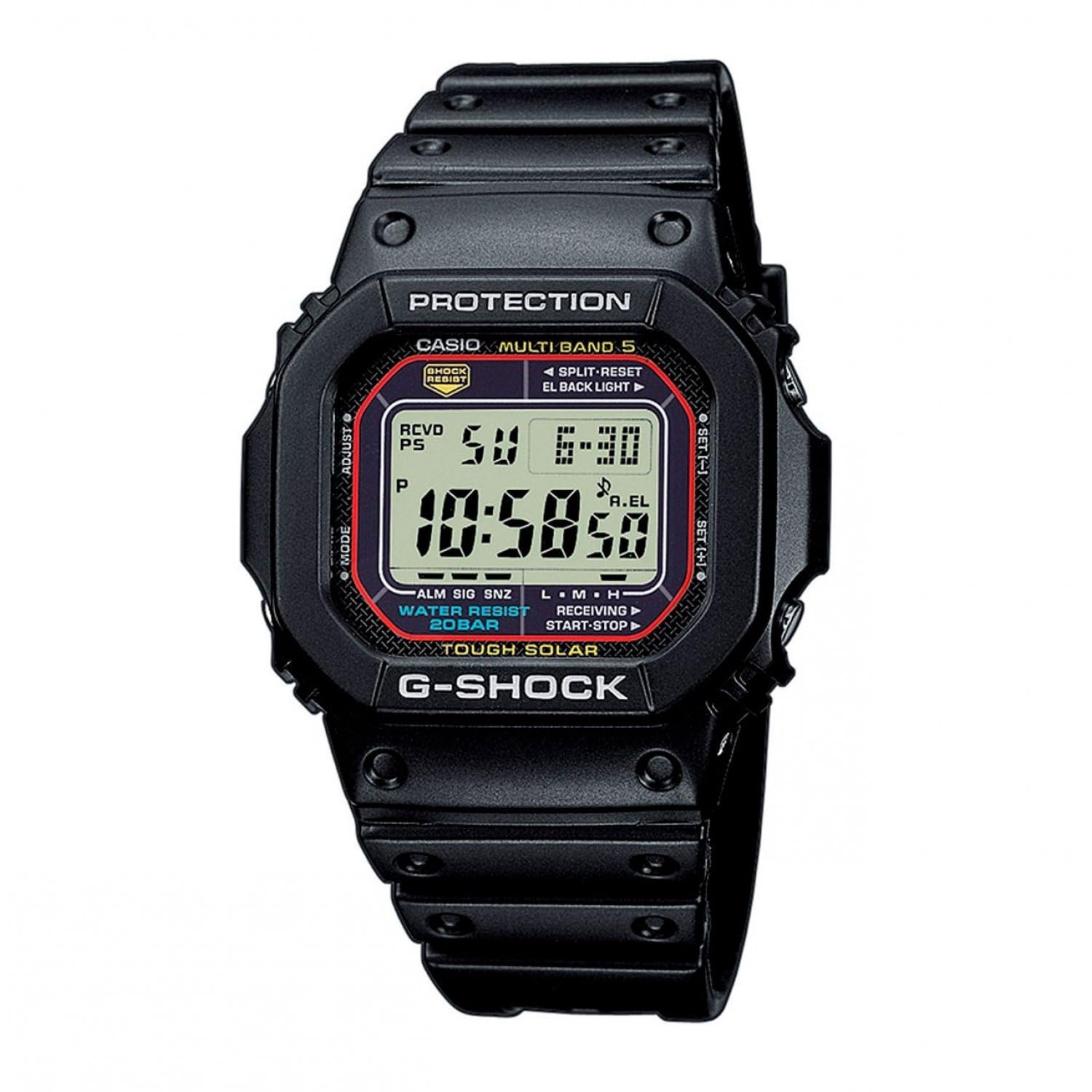
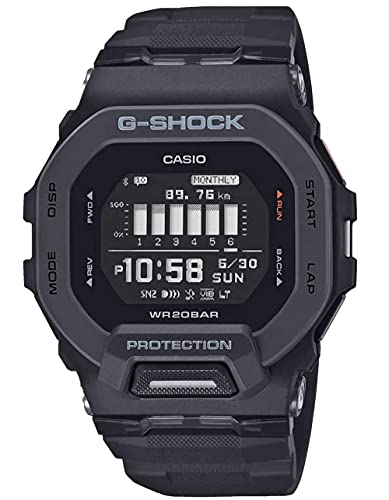


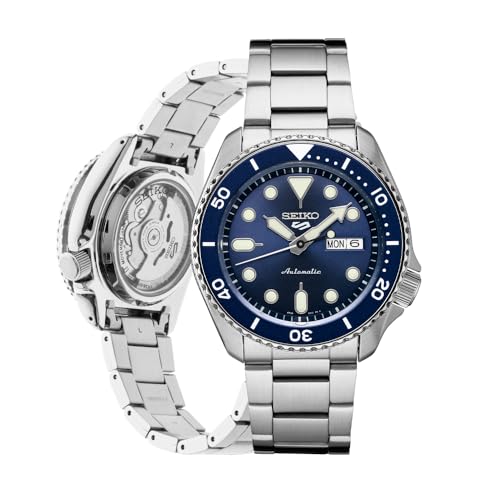


Action Watches 101: The Basics
An action watch is a watch built to survive rough use. It shrugs off knocks, water, dust, and temperature swings that would damage a delicate dress watch. Most pair a sturdy case with strong lume so you can read the time in the dark, a strap that tolerates sweat and water, and a crystal that resists scratches.
People buy them for hiking, swimming, manual work, travel, and everyday wear where a fragile watch would be a worry. Some are simple analog or digital timepieces, while others add GPS, timers, and fitness tracking. The right choice depends on whether you want a tool that only tells time very reliably, or a wrist computer that also guides workouts and navigation.
Crystals deserve a quick mention too. Sapphire crystal resists scratches better than mineral glass and keeps the dial looking clear after years of knocks against desks, rocks, and door frames.
Key Specs Explained in Plain English
Movement Type (Quartz, Automatic, Solar, Smart)
The movement is the engine that drives the hands or the display. Quartz movements run on a battery, keep excellent time, and need almost no attention. Automatic movements wind themselves from your arm motion and appeal to people who enjoy mechanical craft, but they cost more to service.
Solar models charge from light and can run for years without a battery swap. Smart models add apps and sensors, yet they need charging every few days and become outdated faster.
Strap and Bracelet Options
The strap decides comfort more than almost anything else. Silicone and rubber straps handle water, sweat, and sunscreen well and clean up with a quick rinse. NATO style fabric straps dry fast and keep the watch on your wrist even if one spring bar fails.
Metal bracelets look sharp and last for years but add weight. Leather suits dry, casual wear and suffers in water. A quick release strap system lets you swap styles in seconds without tools, which makes one watch work for the gym, the office, and weekends.
Water Resistance Rating
Water resistance ratings confuse many first time buyers because the numbers do not mean what they seem to. A 30 m rating covers splashes and rain only, so keep that watch away from swimming. A 100 m rating handles swimming and snorkeling comfortably.
A 200 m rating is the standard for diving and serious water sports. Remember that seals age, so have the gaskets checked every few years, and never press buttons underwater unless the maker says it is safe.
Brand Reputation, Warranty, and Value
A trusted brand backs its watches with a real warranty, spare parts, and service centers you can actually reach in the US. Two years of warranty coverage is a reasonable minimum at most prices. Established makers also tend to hold their value better if you later sell or trade up.
Read the warranty terms before you buy, because water damage and accidental drops are often excluded. A slightly higher price from a brand with strong support usually beats a bargain with no service network behind it.
Case Size and Wrist Fit
Case diameter is the width of the watch body, and most action watches fall between 38 and 44 mm. Smaller wrists usually look and feel best with 38 to 40 mm cases, while larger wrists can carry 42 to 44 mm easily. Lug to lug length, the distance across the strap attachment points, matters just as much: if it extends past your wrist edges, the watch will feel awkward. Thickness affects comfort under sleeves and gloves, so slimmer cases win for daily wear.
Smart and Fitness Features
GPS tracks routes and pace without your phone, heart rate sensors estimate training effort, and altimeters and compasses help on the trail. These tools are genuinely useful for runners and hikers, but treat the health numbers as guidance rather than medical readings, and see a doctor about any health concern instead of relying on a watch. Battery life is the trade off: a feature rich smartwatch may need charging every few days, while a simple quartz watch runs for years untouched.
Rookie Mistakes to Avoid
- Buying by looks alone. A bold design means little if the case is too large for your wrist or the strap irritates your skin during activity.
- Misreading water ratings. Many buyers swim with a 30 m watch and flood it. Match the rating to your wettest activity, not your average day.
- Ignoring total cost. Automatic watches need servicing every 5 to 7 years, and smartwatches need replacement sooner. Factor upkeep into the price.
- Skipping the warranty check. Gray market deals can void coverage. Buy from sellers who honor the maker warranty.
- Choosing features you will never use. Extra sensors add cost, weight, and charging hassle. Buy for your real routine.
If you want a broader shortlist first, our guide to the best quality watches covers build standards across styles. Readers focused on training may prefer our guide to the best workout watches, which leans into sensors and durability for the gym.
Getting Started: Setup and First Use
When your watch arrives, set the time and date carefully, following the manual for the crown positions so you do not damage the movement by adjusting the date at the wrong hour. Try each strap hole during a normal day, because wrists swell slightly with heat and activity. Test the lume after a few minutes in daylight, and learn which buttons control the timer or light before you need them outdoors.
For ongoing care, rinse the watch with fresh water after saltwater exposure and dry it with a soft cloth. Keep the manual and warranty card somewhere safe. If you chose an automatic model, wear it regularly or store it properly, and plan on professional service every 5 to 7 years to keep it accurate and water resistant.
Action Watches: Your Questions Answered
What case size fits my wrist?
Measure your wrist with a soft tape, then match it to case size. Wrists under about 6.5 inches usually suit 38 to 40 mm cases, while wrists above 7 inches handle 42 to 44 mm well. Check the lug to lug length too, since a long case can overhang a narrow wrist even when the diameter looks right on paper.
Is a smartwatch worth it over a classic watch?
A smartwatch is worth it if you will actually use GPS routes, workout tracking, and phone notifications every week. A classic watch wins on battery life, simplicity, and lifespan, since it can serve for decades with basic service. Many first time buyers are happier starting simple, then adding a smart model later once they know which data they truly check.
Quartz or automatic: which is better?
Quartz is better for accuracy, low cost, and zero fuss, since it keeps time within seconds per month and asks only for a battery change every few years. Automatic is better if you enjoy mechanical movements and the smooth sweep of the second hand. Neither is wrong. Choose quartz for a pure tool watch, and automatic if the craft itself is part of the appeal for you.
How water resistant should a watch be?
Choose at least 100 m if you swim, shower, or get caught in heavy rain with the watch on. That rating covers most recreational water use with margin to spare. Pick 200 m for diving or frequent high speed water sports. Keep seals maintained, because an old gasket can fail long before the printed rating becomes the limiting factor.
How long does a watch battery last?
A typical quartz watch battery lasts about 2 to 3 years, though power saving digital models can run much longer. Solar watches avoid swaps by charging from light and often run for a decade on one cell. Smartwatches are different: their rechargeable batteries need charging every few days and slowly lose capacity over several years of daily cycles.
The Bottom Line
Start with fit, water resistance, and movement type, and the rest of the decision gets easier. A watch that suits your wrist, survives your wettest activity, and matches how much upkeep you accept will serve you daily. Browse more styles in our guides to the best watches for guys, the best manly watches, and the best male watches, then compare your shortlist against the product table above to find the best action watches for your first purchase.


