
The Best Action Cameras for Hunting: Buying Guide for 2026
Disclosure: We may earn a commission when you buy through links on this page, at no extra cost to you. As an Amazon Associate I earn from qualifying purchases. Learn more

Hunters who need tough, quiet gear will find the best action cameras for hunting explained here: weather sealing, low light, battery life, and mounts.
Hunting puts a camera through cold mornings, rain, dust, long waits, and sudden action, so the best action cameras for hunting are chosen for toughness and discretion first, not for studio specs. A camera that films well in a bright room may struggle at dawn in a blind, and a loud or bulky camera can disturb game before you press record. The product table gives you a starting set of options, and the sections below show how to weigh weather sealing, low light ability, battery life, and mounting options against your own hunting style.
This guide explains the features that matter in the field, compares action cameras with other camera types, and gives you a practical way to choose without paying for features you will never use.


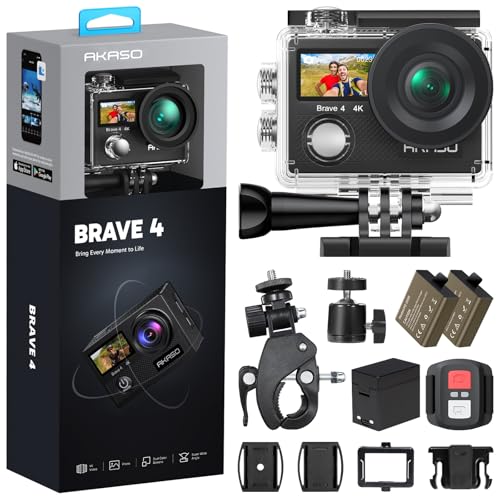

Who Should Buy Which Hunting Camera?
Different hunters need different cameras, and the right type depends on where you hunt and how you film. The groups below cover the most common field situations, so find the one closest to your own hunts and use it as a starting point for the feature sections that follow.
Still Hunters and Blind Hunters
If you spend long hours in a blind or a stand, battery life and quiet operation matter more than fast frame rates. A camera with a long recording time, a silent or near silent control layout, and a mount that holds steady on a rail or a tripod will serve you well. You also need good low light performance for dawn and dusk, when game moves most, and a lens that captures a wide scene without forcing you to pan noisily.
Spot and Stalk Hunters
Hunters who cover ground on foot need a light, compact camera that starts fast and rides securely on a chest mount, a head mount, or a pack strap. Weight matters on a long walk, and a camera that bounces or snags on brush will distract you at the wrong moment. Look for strong stabilization, a rugged body that handles bumps and light rain, and a battery you can swap quickly in the field.
Hunters Who Film for Friends and Family
If you film mainly to share the experience, ease of use and simple sharing matter most. A camera with automatic exposure, easy phone transfer, and clear audio for campfire narration will get used far more than a complex camera with manual controls you never touch. A versatile camera that travels well often beats a specialized one that stays at home.
How to Choose the Best Action Cameras for Hunting
The sections below cover the features that decide field performance. Read them in order if you are new to action cameras, or jump to the factor that matters most for your hunts, since each section stands on its own.
Features That Matter for Hunting
Hunting demands weather sealing, quiet operation, long battery life, and good dawn and dusk performance. Check how the camera handles rain and dust, whether its buttons and menus can be worked with cold fingers, and how it mounts to a blind window, a tree, or your own gear. For a wider view of the category, see our guide to best action cameras before you focus on hunting specific features.
Sensor Size and Image Quality
Sensor size helps in dim light, but lens quality and processing matter just as much in the field. A larger sensor usually produces cleaner footage at dawn and dusk, yet a smaller sensor with a good lens and steady processing can still deliver clear clips for sharing. Compare sample footage shot outdoors at first light and last light, and look for natural colors on foliage, clear detail in shadows, and footage that stays steady when you move.
Low Light Performance
Low light performance decides whether your camera is useful during the most active hunting hours. Look for a sensor and lens combination that keeps detail in shadows without turning the image grainy, and check how the camera handles the shift from dark timber to bright open sky. A camera that performs well at dawn and dusk is worth more in the field than one that only shines at midday. Keep expectations realistic: no small action camera sees in true darkness, and legal hunting hours still apply.
Ease of Use for Your Skill Level
A hunting camera should be simple to start, stop, and check in the field. Large buttons, a clear screen, and automatic modes help when you are wearing gloves or working in low light, while a companion app can help with framing and transfers back at camp. Avoid cameras that bury basic controls deep in menus, since you will not want to scroll through settings with game nearby. Practice mounting and operating the camera at home before the season opens.
Size, Weight, and Ergonomics
A compact camera rides better on a head mount or chest mount and draws less attention in a blind, but a slightly larger body can be easier to grip and operate with cold hands. Consider the full field kit: camera, mounts, spare batteries, memory cards, and a case all add weight to your pack. A camera that fits in a jacket pocket suits still hunting, while a chest mounted camera suits walking hunts where both hands stay free.
Video Capabilities
Match video settings to how you share footage and how long you film. Recording at 4K gives room to crop later, but it fills cards fast and drains batteries sooner, so many hunters shoot at a lower resolution for long sits. A frame rate of 60 frames per second smooths quick movement, while a slower rate suits calm blind footage and saves storage. For everyday camera terms, our guide to best digital cameras explains resolution and frame rate in plain language.
Lens and Zoom Range
Most action cameras use a fixed wide lens, which suits hunting because it captures a broad scene without aiming precisely. Some cameras offer a narrower view mode that reduces edge distortion for closer subjects, which can help when filming from a blind. The 8x42 and 10x42 figures seen in optics guides describe binoculars, not action cameras, so do not use them to judge a hunting camera lens. Instead, compare field of view and sample footage shot at typical hunting distances.
Action Cameras vs Other Options
An action camera is not the only way to film a hunt, and each alternative suits a different goal. The comparisons below help you decide whether an action camera fits your style or whether another type serves you better.
Vlogging Cameras
Vlogging cameras offer larger screens, better audio options, and easier manual control, which suits camp narration and longer talking segments. They are usually bulkier and less weather resistant than action cameras, and they draw more attention in a blind.
Compact Binoculars
Compact binoculars are for viewing game, not for recording it, so they complement rather than replace a camera. They help you spot and judge animals at distance, while an action camera records the scene once game comes closer. Many hunters carry both: binoculars for glassing and a small action camera mounted for hands free filming.
Mirrorless Cameras
Mirrorless cameras deliver higher image quality, interchangeable lenses, and finer manual control, which suits hunters who also photograph wildlife seriously. They are larger, heavier, costlier, and more vulnerable to rain and dust than action cameras, and they demand more attention to operate.
Point and Shoot Compacts
Point and shoot cameras sit between action cameras and mirrorless models: they are easy to use, offer a zoom lens, and produce good still photos and video in fair light. They are less rugged and less mount friendly than action cameras, and their zoom can tempt you to film from too far away.
Spending Levels Explained
At a lower spending level, expect a rugged basic camera with solid daylight video, decent battery life, and simple mounts, which suits new hunters and occasional filming. A middle spending level usually adds better low light footage, stronger stabilization, longer battery options, and a wider mount range, which suits hunters who film most trips. At a higher spending level, expect the best low light handling, the most reliable weather sealing, and the most flexible mounting and audio options. For a budget friendly starting point, see our guide to best inexpensive action cameras.
How to Make Your Action Camera Last Longer
- Use a lens cloth, not your shirt, to clean the lens, since fabric can trap grit and scratch the surface.
- Carry a spare battery and a spare memory card, and keep them warm in an inside pocket on cold mornings.
- Store the camera in a dry, padded bag between hunts, away from dust and damp.
- Update firmware for autofocus and stability improvements before the season, not during it.
- Check mounts and screws before each outing, since vibration on rough roads can loosen them.
Frequently Asked Questions
What features matter most in action cameras for hunting?
Weather sealing, low light performance, quiet operation, battery life, and secure mounting matter most in the field. A camera that survives rain and cold, films well at dawn and dusk, starts without a loud click, and stays mounted without rattling will serve you better than one with a longer feature list. Stabilization and a wide lens come next, since they keep footage usable when you move or react fast. Together these field factors matter more than megapixels or studio video modes.
Which action camera is better for low light hunting?
The better low light camera is usually the one with a larger sensor, a lens that gathers more light, and clean high sensitivity footage rather than the highest pixel count. Compare sample clips shot at dawn and dusk in timber, and look for detail in shadows without heavy grain. A camera that handles the shift from dark cover to bright sky without blowing out the image will also help.
What features matter most for beginners?
Beginners should prioritize simple controls, strong stabilization, good battery life, and reliable weather sealing over manual settings. A camera that starts with one large button and keeps footage steady while you walk will produce better clips than a complex camera used badly. Look for automatic exposure and color modes that handle changing light, and practice mounting and framing at home first.
How much should I spend on my first hunting camera?
A first hunting camera often costs about $150 to $350 with a basic mount, which covers daylight and dawn and dusk filming with solid stabilization. Spending more usually buys better low light footage, tougher sealing, or longer battery options rather than a different kind of camera. Before you stretch your budget, add up mounts, spare batteries, memory cards, and a case, since those extras matter in the field.
What does 8x42 or 10x42 mean for a hunting camera?
Those numbers describe binoculars, not action cameras, so they do not measure a hunting camera lens. In binocular terms, the first number is magnification and the second is the front lens diameter in millimeters, so 8x42 means eight times magnification with a 42 millimeter front lens. Action cameras use a fixed wide lens measured by field of view instead, so compare cameras by their stated angle and by sample footage at hunting distances. If a listing quotes binocular figures for a camera, treat it as a mixed up listing.
Is a smartphone enough instead of an action camera for hunting?
A smartphone can film a hunt from a blind or a vehicle, but it has limits in the field. Phones are bulkier to mount, harder to operate with gloves, more vulnerable to rain and cold, and their batteries drain faster in low temperatures. A dedicated action camera is smaller, tougher, quieter to start, and easier to mount hands free, which matters when game appears suddenly. For related camera types, see our guide to best hunting cameras.
Our Verdict
The best action cameras for hunting balance weather sealing, dawn and dusk performance, quiet operation, and mounting flexibility for the way you actually hunt. Pick a spending level that leaves room for mounts, spare batteries, and a case, and practice with the camera before the season so field operation feels automatic. Check the product table once more, follow local hunting and wildlife rules, never look at the sun through optics, and choose the camera you will carry on every hunt, since the best footage comes from the camera that is with you in the field.


