Best Acrylic Primer by Budget for 2026
Disclosure: We may earn a commission when you buy through links on this page, at no extra cost to you. As an Amazon Associate I earn from qualifying purchases. Learn more

See what the best acrylic primer buys at budget, midrange, and premium prices, and which features are worth paying for.
Prices for the best acrylic primer cover a very wide range, and the cheapest can may look like a bargain until a topcoat peels or a stain bleeds through. Primer is the layer that helps paint grip, covers stains, and evens out a surface, so a poor choice can cost more in extra coats and rework than the primer itself saved. This guide explains what your money buys at each price level so you can spend where it counts.
Use the product table to compare options, then read the tier and feature sections to match a primer to your surface and your project.
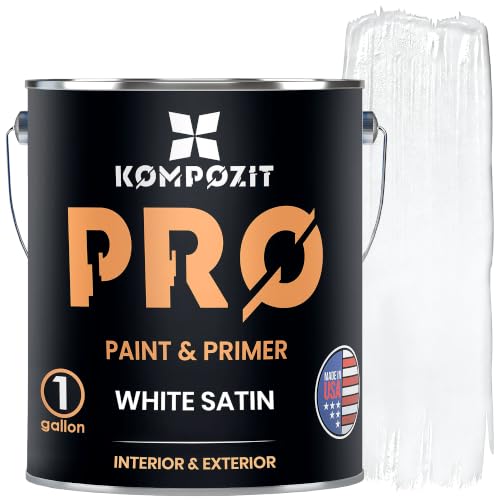
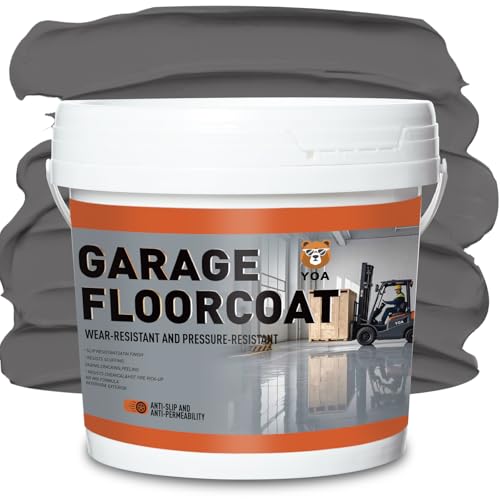
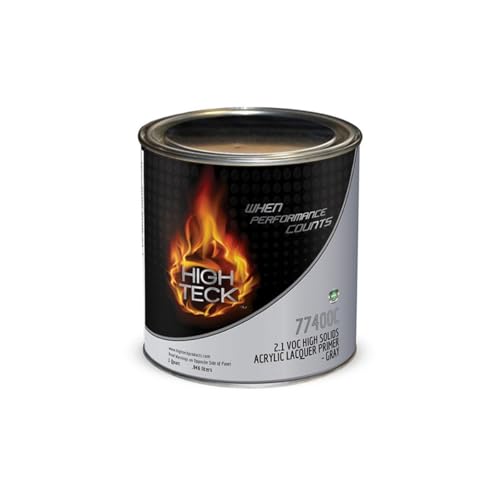
Spending Levels for the Best Acrylic Primer
Think in three bands rather than single cans. Budget primers suit simple, low risk surfaces, midrange primers suit most rooms and repairs, and premium primers suit stains, slick surfaces, and high wear areas. The sections below describe what each band typically offers, so you can judge any primer against the same yardstick.
Budget Level Guidance
Budget primers, usually around $10 to $20 per gallon, suit clean drywall, previously painted walls in good shape, and low traffic rooms. They usually offer basic adhesion and coverage, but may need two coats over patches or color changes. If your surface is sound and your topcoat is similar in color, a budget primer can be enough. Stains, glossy paint, or bare wood call for a step up in price.
Midrange Level Guidance
Midrange primers, usually around $20 to $35 per gallon, suit most home projects, including patched drywall, moderate color changes, and rooms that get regular use. They usually cover better in one coat, grip a wider range of surfaces, and block light stains more reliably than budget options. For a whole room repaint, this band often gives the best balance of cost and results.
Premium Level Guidance
Premium primers, usually around $35 to $55 per gallon, suit hard problems: water stains, smoke marks, tannin bleed from wood, glossy tile or laminate, and high moisture rooms. They usually offer stronger stain blocking, better adhesion to slick surfaces, and faster recoat times. The extra cost pays when it prevents a failed topcoat, but it is wasted on a clean wall a midrange primer would already handle well.
What Your Money Gets You at Each Price Tier
Price tiers differ in coverage, adhesion, stain blocking, and dry time, not just in label claims. Compare cans on those four points, and match the tier to the hardest surface in your project rather than the easiest wall.
Budget Tier: What to Expect
Budget primers give you basic sealing and adhesion at a low upfront cost, with coverage that often needs a second coat over repairs or bold colors. They work best on clean, previously painted drywall and in low wear rooms. Their limits show up on stains, bare wood, and glossy surfaces. If you choose this tier, budget for extra time and possibly extra paint, since two thin coats beat one thick coat that dries unevenly.
Midrange Tier: The Sensible Middle for Most Rooms
Midrange primers give you stronger coverage, better grip on patched and primed surfaces, and more reliable stain blocking for light marks. They suit living rooms, hallways, kitchens, and most repaint work, and they often let you finish in one primer coat plus two topcoats. Dry times are usually practical for a weekend project, and cleanup stays simple with soap and water for water based formulas. If you only buy one tier for general home use, this is usually the one to choose.
Premium Tier: When Spending More Pays Off
Premium primers pay off when the surface itself is the problem. Strong stain blockers seal water marks, nicotine, and wood tannin that would otherwise bleed through a topcoat within weeks. High adhesion formulas grip glossy paint, laminate, and previously varnished wood without heavy sanding. Faster dry and recoat times also matter on larger jobs, since they let you finish in a day rather than stretching work across a weekend.
On easy surfaces, though, premium primers add cost without a visible gain.
Features Worth Paying For (and Ones to Skip)
Not every feature deserves a higher price. Pay for traits that solve a problem your surface actually has, and skip extras that sound useful but change nothing on your walls.
Safety and Certifications
Look for low odor and low VOC formulas for indoor rooms, especially bedrooms and spaces used by children or pets. Check the label for ventilation guidance and for any warnings about sanding old paint, since older homes may hide lead paint that needs professional handling. Certifications matter most as a general signal, not as a quality guarantee, so read the label rather than trusting a badge alone. Always ventilate the room, follow the manufacturer's instructions, and keep cans away from children and pets.
Build Quality and Materials
For primer, build quality means solids content, consistency, and how evenly it lays down. A primer with good body covers patches without dragging or leaving roller marks, and it sands smooth when dry. Thin, watery primers may look cheap but often need extra coats, which erases the saving. Stir the can well and try a small patch before you commit to a whole room.
Key Performance Specs
The specs that matter most are coverage per gallon, recoat time, and stain blocking strength. Coverage near 300 to 400 square feet per gallon is typical for smooth drywall, while rough or porous surfaces will use more. Recoat times of one to two hours suit weekend work, while longer waits slow a project down. Stain blocking strength is the spec to weigh most heavily on marked walls, since a primer that cannot seal a stain will waste every topcoat you put over it.
Intended Use and Who It Is For
Match the primer to the surface, not to the room name alone. Drywall primers suit new or patched walls, multi surface primers suit mixed rooms with wood trim and painted walls, and stain blocking primers suit damaged or marked surfaces. Renters repainting a clean room need far less than owners fixing water damage or covering dark paneling. If your project mixes surfaces, pick the primer that handles the hardest surface, and use it throughout for a uniform base.
Warranty and Customer Support
Primer warranties usually cover defects in the can, not the result on your wall, so read the terms before you rely on them. Maker support matters more in practice: clear label directions, a helpline for surface questions, and consistent formulas across batches. Keep the can and receipt until the project is done, since batch details help if you need a second can that matches. A strong warranty never makes up for a primer chosen for the wrong surface.
Long Term Costs to Factor In
The can price is only part of the total cost. Add rollers, brushes, drop cloths, sandpaper, and painter tape, plus extra topcoat if a weak primer forces another coat. A primer that needs two coats doubles labor time, and a failed topcoat can double material cost as well.
A premium primer that seals a stain in one coat can save a full day of rework, so judge value by the finished wall and total time spent, not by shelf price alone. For related surfaces, see our guide to the best paint primers, and for bathroom fixtures that pair with a repaint, see our guide to the best acrylic bathtubs.
Frequently Asked Questions
How much should I spend on an acrylic primer?
Spend at the tier your surface demands, not at the tier your budget prefers. Clean drywall and light repaints do well with budget or midrange primers, while stains, glossy surfaces, and bare wood justify premium prices. As a rough guide, expect around $10 to $20 per gallon at budget level, around $20 to $35 at midrange, and around $35 to $55 at premium level. Buying one step up is cheaper than repainting a wall that peeled or bled through.
How do I maintain an acrylic primer?
Primer itself needs little maintenance once it is covered by a topcoat, since the topcoat protects it from wear and moisture. Before painting, store cans upright in a cool dry place, keep lids sealed, and stir well before reuse. After painting, keep a small amount of leftover primer for touch ups, labeled with the room and date. If a primed wall stays unpainted for weeks, clean off dust before topcoating so the topcoat grips properly.
Are expensive acrylic primers worth it?
Expensive primers are worth it only when they solve a problem cheaper primers cannot. On stained, glossy, or damaged surfaces, a premium stain blocker or high adhesion primer can save a failed paint job and a weekend of rework. On clean, previously painted walls, the same primer adds cost without a visible difference in the finished result. Ask what is hardest about your surface first, and let that answer decide whether the premium price is justified.
How long does an acrylic primer last?
An unopened can usually lasts two to three years if stored upright in a cool dry place, while an opened can lasts less once air and skinning degrade the contents. Once applied and topcoated, primer lasts as long as the paint system above it, often many years indoors. Signs of a bad can include a sour smell, lumps that will not stir out, or a film that will not dry evenly. When in doubt, try a small patch and discard a can that fails.
What features matter most when buying acrylic primers?
Adhesion, stain blocking, coverage, and dry time matter most, in that order for most projects. Adhesion decides whether paint stays on the wall, stain blocking decides whether marks stay hidden, coverage decides how many coats you need, and dry time decides how fast you can finish. Low odor and easy cleanup matter for indoor comfort but should not override those four performance traits. Match the strongest feature to your hardest surface, and you will rarely regret the choice.
Wrapping Up
Choose the tier that fits your surface: budget for clean walls, midrange for most rooms, and premium for stains and slick surfaces. Check adhesion, stain blocking, coverage, and dry time on the label, and count total project cost rather than can price alone. A primer that grips well and seals properly saves topcoat, time, and rework, which is the real measure of value. Compare the picks in the table with your surfaces in mind, and the best acrylic primer for your project will be the one that gives a sound base without paying for strength you do not need.