
Best Accurate Watches: Our 2026 Checklist and Buying Guide
Disclosure: We may earn a commission when you buy through links on this page, at no extra cost to you. As an Amazon Associate I earn from qualifying purchases. Learn more

Run through this checklist for the best accurate watches covering movements, accuracy ranges, fit, and care, so you can buy with confidence the first time.
An accurate watch saves you small daily doubts, from catching a train to starting a meeting on time. Yet accuracy claims vary wildly, and many listings hide the movement details that decide whether a watch gains seconds daily or yearly. This checklist helps you choose the best accurate watches by judging movement, fit, and build before style.
You will see how each movement type performs, what good and weak accuracy figures look like, and which warning signs matter. Use the comparison table below alongside these criteria as you narrow your shortlist.



How We Evaluate Accurate Watches
Accuracy comes first in this guide, but a watch you dislike wearing helps no one. Each criterion below pairs a clear standard with the reason it affects your daily experience.
Movement Type (Quartz, Automatic, Solar, Smart)
Quartz movements lead on accuracy, with typical models varying by about 15 seconds per month and high accuracy quartz reaching about 5 to 10 seconds per year. Automatic movements offer craft and no battery changes, but expect roughly 5 to 30 seconds of drift per day. Solar watches pair quartz accuracy with light powered charging, while GPS and radio controlled models correct themselves from external signals. Choose the type whose upkeep matches your patience, because an unworn watch tells no time at all.
Case Size and Wrist Fit
Most wrists suit cases from 38 to 44 mm, with thickness and lug to lug length deciding real comfort. A watch that overhangs your wrist looks oversized and catches on cuffs and door frames. Measure your wrist, then compare lug to lug figures rather than diameter alone, since that span decides overhang. Slim cases under about 12 mm slide under shirt cuffs for office wear, while thicker sport cases trade elegance for presence and durability.
Brand Reputation, Warranty, and Value
A proven maker with clear service options in the US protects an accuracy focused purchase. Look for at least a two year warranty, published accuracy ranges for the exact movement, and spare parts support for straps and batteries. Resale value follows reputation, but daily reliability matters more for most buyers. Shoppers comparing build standards across price bands can review best quality watches to see how makers differ in finishing and support.
Strap and Bracelet Options
The strap decides comfort as much as the case does. Leather suits offices and dress wear but dislikes water, NATO fabric straps handle sweat and wash easily, metal bracelets balance weight and last for years, and silicone rules workouts. A quick release strap system lets you swap looks in seconds without tools, which extends one accurate watch across your whole week. Check lug width, commonly 20 mm or 22 mm, before ordering any spare strap.
Crystal and Case Materials
Sapphire crystal resists scratches far better than mineral glass, which matters if you want the dial readable for years. Acrylic crystals scratch easily but can be polished and suit vintage styles. Case materials range from 316L steel, the common durable standard, to titanium, which cuts weight noticeably for all day wear. Coated cases look sharp when new, yet scratches can reveal base metal, so plain steel or titanium ages more gracefully for daily use.
Legibility and Style
An accurate watch still fails if you cannot read it at a glance. Strong contrast between hands and dial, clear markers, and lume that glows after dark all support quick reading. A restrained dial suits office and formal settings, while larger numerals and bold hands suit sport and outdoor use. Buyers drawn to classic masculine styling often compare best watches for guys for size and dial ideas before settling on a movement.
Water Resistance Rating
Water ratings mislead many buyers, because 30 m means splash resistance only, not swimming. Choose 100 m if you swim or shower with your watch, and 200 m with a screw down crown for serious water sports. Heat and soap weaken seals over time, so have gaskets checked every few years. Training focused readers can compare best workout watches for models built around sweat, laps, and recovery timing.
Three Styles That Pass the Checklist
These three styles cover most accuracy needs without naming individual models. Match your tolerance for drift first, then pick the style that fits your budget and wardrobe.
High Accuracy Quartz
High accuracy quartz suits buyers who want to set the watch rarely and trust it completely, with drift of only seconds per year. Prices often run about $300 to $900, reflecting thermocompensation and better finishing. You gain grab and go simplicity, strong legibility options, and thin cases. The honest limit is emotional rather than practical, since some collectors prefer mechanical craft, and battery changes every few years still apply unless the model adds solar charging.
Standard Quartz and Solar
Standard quartz and solar watches deliver accuracy of about 15 seconds per month for roughly $80 to $300, which covers nearly every real schedule. Solar models remove battery worries for a decade or more of daily light exposure. This tier offers the widest choice of case sizes and straps, making fit easy to get right. The trade off is plainer materials, often mineral crystal and basic water resistance, so check those two points before you buy.
Best Premium Style: GPS and Radio Controlled
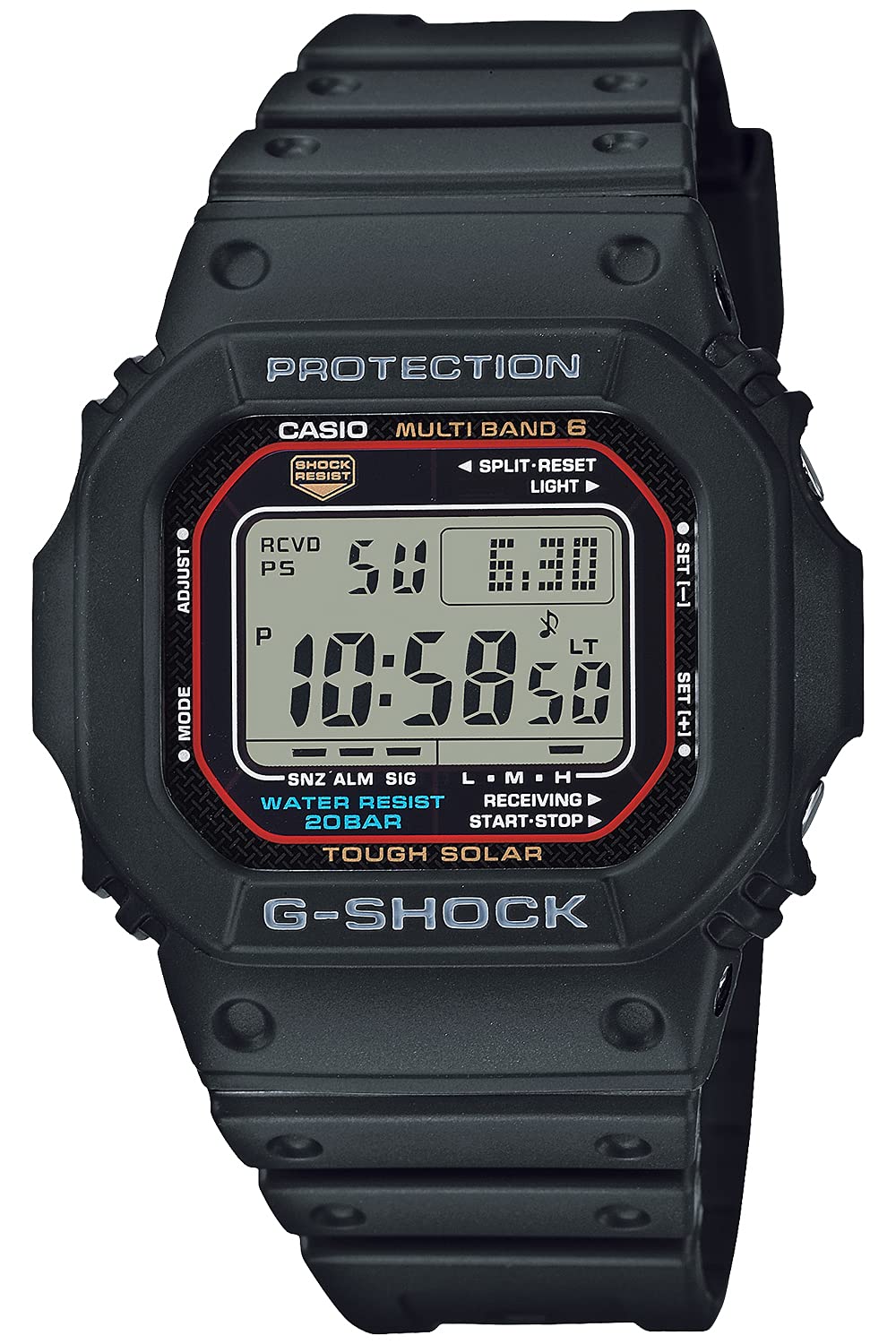
GPS and radio controlled watches correct themselves against atomic time signals, so they stay accurate to the second without your attention. Expect about $500 to $1,500, larger cases to house antennas, and rich travel features such as automatic time zone changes. They suit frequent travelers and anyone who wants exact time daily. Limits include weaker signal reception indoors or between tall buildings, and higher service costs if the module ever fails.
Quick Buyer Checklist
- Does the listing state an accuracy range for the exact movement, in seconds per day, month, or year?
- Does the case size and lug to lug length suit your wrist without overhang?
- Is the crystal sapphire if you want long term scratch resistance?
- Does the water rating match your real use, with 100 m or more for swimming?
- Is the warranty at least two years, with service available in your country?
- Can the strap be swapped with a quick release system in a standard lug width?
- Would you still choose this watch if the brand name were hidden?
Red Flags to Watch For
- Accuracy described with praise words but no numbers anywhere in the listing.
- Water resistance shown as a headline feature at only 30 m on a sport styled watch.
- Warranty of a few months only, or service that requires shipping overseas at your cost.
- Photos that hide the case back and movement details on a watch sold mainly for precision.
- Prices far below similar models from the same maker, which can signal old stock or grey market goods with no valid warranty.
Precision is measurable, so sellers who respect it publish figures. If a listing avoids numbers, assume ordinary performance until proven otherwise. Readers comparing traditional styling can also browse best male watches for dial and size context.
Tips to Get the Most From Your Accurate Watch
Service automatic watches every 5 to 7 years, because old lubricants increase friction and drift. Rinse any watch exposed to saltwater with fresh water and dry it fully, even when the rating allows swimming. Store watches away from magnets in speakers, tablet covers, and bag clasps, since magnetism is a common hidden cause of sudden fast running in mechanical models.
Frequently Asked Questions
How water resistant should a watch be?
Choose at least 100 m if the watch will see swimming or regular showers. A 30 m rating only covers splashes and rain, despite how the number sounds. One detail many owners miss is that you should never operate the crown or pushers underwater unless the maker explicitly allows it, because that action can draw moisture past the seals.
What case size fits my wrist?
Most wrists between about 6 and 7.5 inches suit cases from 38 to 42 mm, with lug to lug length under about 50 mm. Slim wrists usually look best at the smaller end, while larger wrists carry 44 mm comfortably. If you buy online, paper cutouts at the stated size give a surprisingly honest preview on your wrist.
How long does a watch battery last?
A standard quartz battery lasts about 2 to 3 years, while some efficient movements stretch to 5 years or more. Solar models often run a decade before the rechargeable cell weakens. A seconds hand that jumps every few seconds is a low battery warning on many quartz models, so plan a change soon rather than waiting for a full stop.
Quartz or automatic: which is better?
Quartz is better for pure accuracy, cost, and thin cases, while automatic is better for craft, smoothness of the seconds hand, and freedom from batteries. Neither wins for everyone. If you own one watch and need it right every day without thought, quartz wins. If you enjoy mechanical objects and accept daily drift, automatic rewards you.
Is a smartwatch worth it over a classic watch?
A smartwatch wins on notifications, fitness tracking, and exact network time, but it needs charging every day or two and ages like a phone. A classic accurate watch wins on longevity, style, and zero charging habits. Many owners keep both, wearing the smartwatch for training and the classic watch for work and events.
Our Verdict
Start with the movement, because its stated accuracy range decides whether the watch meets your real tolerance for drift. Then confirm fit, crystal, and water rating against your daily routine, and let style choose among the survivors. Check the product table above, and select from the best accurate watches the style that keeps perfect time in step with your life.


