
Best Accessories for Speakers: Checklist for 2026 and Buying Guide
Disclosure: We may earn a commission when you buy through links on this page, at no extra cost to you. As an Amazon Associate I earn from qualifying purchases. Learn more

Run through this checklist for the best accessories for speakers covering cables, stands, placement, and power, so your setup sounds clean and lasts longer.
A good speaker can sound disappointing in the wrong setup, and the fix is often a modest accessory rather than a new speaker. Stands, cables, isolation pads, and cases shape sound, safety, and daily convenience more than most buyers expect. This guide gives you a clear checklist for choosing the best accessories for speakers before you spend anything.
We explain how each accessory type is judged, which categories pass that checklist, and which warning signs should send you elsewhere. Keep the comparison table below in mind as you match each criterion to your room and listening habits.




How to Judge Speaker Accessories
Judge every accessory on whether it improves sound, protects the speaker, or makes daily use easier without adding clutter. Use the points below as a scoring guide when listings make big claims with few details.
Features That Matter for Speakers
Speaker accessories must match connection type, size, and power needs before anything else. A stand rated for less weight than your speaker is unsafe, and a cable with the wrong connector is useless on arrival. Check Bluetooth version and codec support for wireless gear, watt and gauge ratings for cables, and exact dimensions for cases and mounts. Speakers reward correct fit because vibration, heat, and placement all affect performance in ways headphone accessories never face.
Sound Quality and Tuning
Placement gear has the largest honest effect on sound. Stands that lift tweeters to ear level and pads that isolate vibration tighten bass and clear up voices, while room position often matters more than cable price. Frequency response and driver size describe the speaker itself, but accessories decide how much of that ability you hear. If you are still choosing the speaker, guides such as best sounding speakers explain tuning styles from bass heavy to neutral.
Ecosystem and App Features
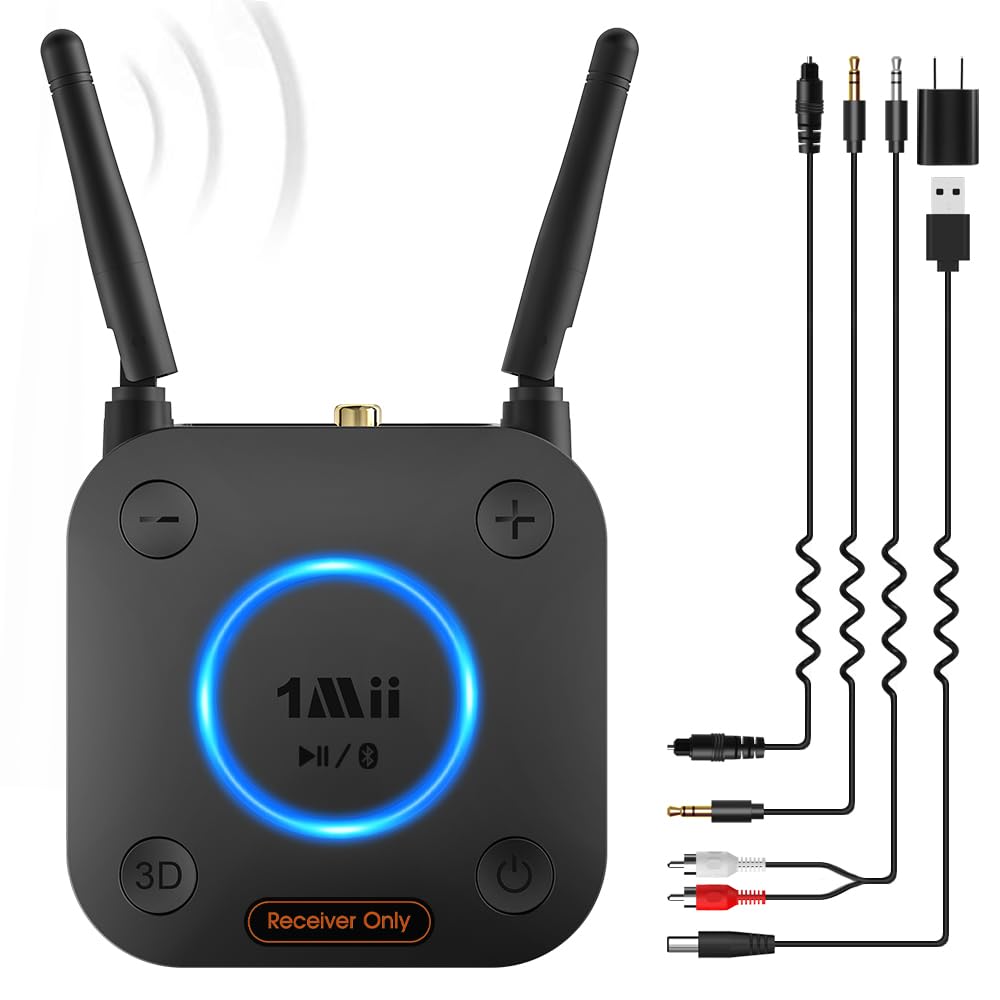
Many modern speakers rely on an app for EQ, firmware updates, and multi room grouping, and your accessories should support that ecosystem rather than fight it. A remote, wall control, or voice assistant puck adds little if it breaks grouping or lags behind the app. Check that spare chargers and cables match the maker spec, because underpowered charging can cause dropouts that look like app faults. Platform support for your phone also matters before you buy app dependent extras.
Microphone Quality
Microphones matter when your speaker doubles as a speakerphone or a voice assistant hub. Accessory stands and cases should never cover microphone ports, since blocked ports cause muffled calls and missed wake words. If you take calls or join meetings through your speaker, check voice clarity across the room after adding any case or mount. For group calls on the move, owners of best bt speakers often add a separate speakerphone, which shows how much mic quality shapes daily satisfaction.
Vibration Isolation
For speakers, isolation means controlling vibration and room noise rather than cancelling sound with electronics. Isolation pads and solid stands stop energy from traveling into desks and shelves, which keeps bass clean and avoids annoying rattles. What you want is stable support, dense pad material, and placement away from corners that exaggerate boom.
Fit, Weight, and Portability
Comfort with speaker gear means safe carrying and stable placement, not ear comfort. A travel case should fit your exact model with room for its charger, while handles and straps should balance the full weight without digging into your hand. Stands need a footprint wide enough for your speaker at full volume vibration. If an accessory makes moving or cleaning your speaker a chore, you will stop using it, so simple and sturdy beats clever and fiddly.
Three Accessory Types Worth Buying
This section shows which accessory categories deliver the most value at each level. Match the category to your problem first, then compare options inside it.
Best Overall Category: Stands and Isolation Pads
Stands and isolation pads improve sound for almost every home setup, which makes them the strongest overall buy. Expect to spend about $30 to $120 for a solid pair of stands or quality pads sized to your speakers. Judge them by weight rating, height that places tweeters near ear level, and dense pad material that does not compress flat within weeks. The main limit is space, because floor stands need room and can be a trip hazard in busy family areas.
Best Value Category: Cables and Connectors
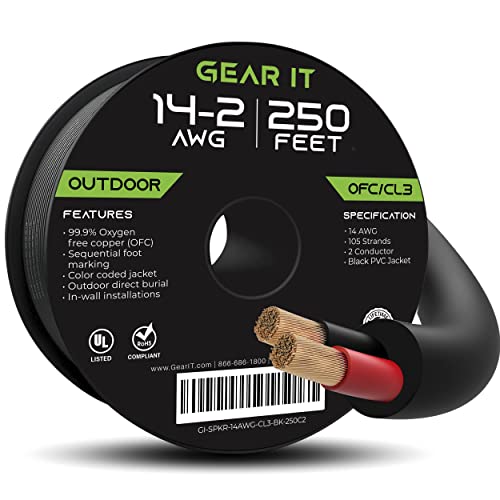
Correct cables solve hum, dropouts, and messy setups for very little money, usually about $10 to $40. Choose the right length with a little slack, connectors that seat firmly, and wire gauge suited to your run length, with thicker wire for longer runs. Banana plugs and tidy cable channels add convenience for systems you rearrange often. The limit here is honesty in listings, since exotic materials rarely change sound, so pay for build quality and fit rather than grand claims.
Best for Heavy Use Category: Cases and Wall Mounts
Owners who move speakers weekly or mount them permanently should fund protection and secure fixing, often about $40 to $150. A fitted hard case guards drivers and corners during transport, a need familiar to fans of best portable speakers who carry gear to parks and job sites. Wall mounts must match your speaker weight and stud or anchor type exactly. Heavy use exposes weak straps and brackets quickly, so rated hardware and clear instructions matter more than a low price.
Quick Buyer Checklist
- Does the accessory list your exact speaker model, size, or weight as supported?
- Do connectors, Bluetooth version, and codec support match your speaker and phone?
- Is the stand or mount rated above your speaker weight with a safety margin?
- Will the case fit the speaker plus its charger and cable without forcing the zipper?
- Does the item state a clear IP rating if you plan outdoor use?
- Is the warranty at least one year, with returns that cover fit problems?
- Can you explain in one sentence what problem this accessory solves for you?
Red Flags to Watch For
- Vague specs with no weight rating, dimensions, or connector type stated anywhere.
- Claims of dramatic sound transformation from a passive cable or pad with no measurements.
- No safety certification on chargers or power accessories for expensive speakers.
- Warranty periods of only a few months on stands or mounts that carry real weight.
- Listings full of unrelated keywords, such as headphone terms on a speaker stand page.
Any one flag deserves a closer look, and two flags together usually mean you should choose a clearer listing. Careful sellers state limits as plainly as strengths, and that honesty protects your speaker.
Tips to Get the Most From Your Accessory
Keep firmware updated through the maker app, because updates often improve Bluetooth stability and voice control. Store portable speakers and their cables in a case to protect drivers from dust and knocks between uses. Clean grilles, pads, and connectors gently with a dry cloth each month, and check stand screws and mount bolts twice a year so vibration never loosens them quietly. Owners comparing compact options in best mobile speakers will find the same care habits apply at every size.
FAQs
What features matter most in accessories for speakers?
Exact fit matters most, including weight rating, dimensions, and connector type. Next comes build quality in the parts that move or carry load, such as hinges, straps, and brackets. One point buyers miss is cable length planning, because a cable that is slightly too short forces bad placement, while far too much slack creates tangles and trip risks.
Do speaker stands and isolation pads really improve sound?
They can, mainly by raising tweeters to ear level and stopping vibration from traveling into the desk or shelf. Expect tighter bass and clearer voices rather than a dramatic transformation. Room position and speaker spacing still matter at least as much as the accessory.
Wired or wireless: which sounds better?
A wired connection sounds more consistent, because it avoids compression and dropouts entirely. Modern Bluetooth with a good codec comes close for casual listening and wins on convenience. For accessories, that means a quality cable still earns its place for a desk or home setup, while wireless extras suit rooms where cables would cross walkways.
Do I need a special codec?
You only benefit from a special codec when both your phone and speaker support it, so check both spec sheets first. Multipoint support, which keeps two devices connected, often helps daily life more than a small audio gain. If your listening is mostly podcasts and background music, standard Bluetooth support is honestly enough.
What IP rating do I need for outdoor use?
IP67 means the device can handle dust and brief immersion, which suits poolside and beach use with care. For garden or patio use under cover, a lower splash rating may be enough. Remember that cases and covers can change real protection, so a sealed speaker inside an open mesh bag is no longer sealed at all.
How long does the battery last?
Battery life belongs to the speaker, but accessories affect it more than people think. Chargers that deliver less power than the maker spec can leave a speaker half charged before a long day. A power bank with enough capacity for one full recharge, often around 10,000 mAh or more, is the most useful battery accessory for travel.
Final Thoughts
Judge every accessory by fit, honest sound benefit, and protection, in that order. Fix placement first with stands or pads, secure connections second with correct cables, and add cases or mounts when your routine truly moves the speaker. Compare your shortlist in the product table above and choose the best accessories for speakers that solve your clearest problem first.


