
Best Accessories for Mirrorless Cameras: A Complete Buying Guide for 2026
Disclosure: We may earn a commission when you buy through links on this page, at no extra cost to you. As an Amazon Associate I earn from qualifying purchases. Learn more

Use this buying guide to choose the best accessories for mirrorless cameras, compare key features, sizes, and prices, and build a kit that fits your routine.
A mirrorless camera body is only half of your kit, and the wrong extras can make a small, fast camera feel bulky and slow. The right extras do the opposite, protecting the body and helping autofocus, video, and battery life work at their best. This guide shows you how to choose the best accessories for mirrorless cameras for the way you actually shoot.
We start with three common kit styles, then explain the features behind them in plain language. Check the comparison table below as you read, so each feature connects to a real decision.


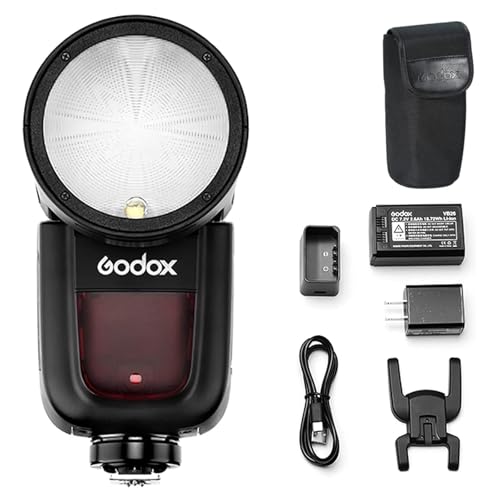


Three Kit Styles at a Glance
Most buyers fall into one of three groups. Find yours first, because it sets your budget and stops you from buying advanced gear you will rarely carry.
Balanced Everyday Kit
The everyday kit suits most owners and usually costs about $150 to $350 beyond the camera and kit lens. It covers protection with a fitted bag or case, power with one spare battery, storage with two fast cards, and support with a compact tripod or grip. Choose this tier if you shoot family events, travel, and short video clips each month. Its strength is balance, since no single item dominates your bag or budget, and its limit is that demanding video or low light work will push you toward the upgrade tier.
Value Focused Kit
The value kit keeps spending near about $60 to $150 and funds only what prevents lost photos. A spare battery, one large memory card, a simple strap, and a soft padded case solve the most common problems for new owners. Third party batteries and straps can save money, but check voltage and connector fit carefully before you trust them on an important day. This tier works well for students and casual shooters, and you can add pieces later as your habits become clear.
Upgrade Kit for Serious Creators
The upgrade kit, often about $400 to $900, targets video quality, speed, and comfort during long sessions. It adds a cage or grip for mounting, an external microphone, a monitor or quality headphones, fast cards for high bit rate video, and several batteries or a USB C power bank. Choose it if you film clients, stream, or shoot events where a missed moment cannot be repeated. The trade off is size and setup time, because each added part needs mounting, cables, and care.
How to Choose the Best Accessories: Buying Guide
When you compare the best accessories for mirrorless cameras, judge each item against your mount, your sensor size, and your most common shooting conditions. The points below explain what to check and which numbers deserve your attention.
Features That Matter for Mirrorless Cameras
Mirrorless bodies are compact, so accessories must respect small grips, short battery life, and electronic features. Confirm that batteries, chargers, and remote controls list your exact model, because similar names often use different parts. Electronic viewfinders and rear screens draw power constantly, which makes spare batteries more important here than with older DSLR kits. Also check firmware notes, since makers sometimes add accessory support through updates.
Sensor Size and Image Quality
Your sensor may be 1 inch in compact style bodies, APS C in most mid range models, or full frame in larger ones, and size affects lens and filter choices. Larger sensors gather more light and reward better glass, while smaller sensors keep lenses and bags lighter. Megapixels alone do not promise sharp photos, because lens quality, focus accuracy, and steady support matter just as much. Buy filters and lens hoods that match the thread size of the lenses you own today.
Size, Weight, and Ergonomics
The main promise of a mirrorless kit is portability, so weigh every addition. A heavy tripod or oversized bag can erase the size advantage that made you choose this system. Try a grip extender or a wider strap if your hand cramps during long walks, and pick a bag that holds the body with a lens attached for fast access. Travel shooters comparing compact bodies should see best small mirrorless cameras for a sense of how small a full kit can stay.
Durability and Weather Sealing
Weather sealing only helps when every part of the chain resists moisture, so a sealed body with an open accessory port still has a weak point. Look for sealed battery doors, covered ports, and bags with rain covers for outdoor work. Fogging can trouble lenses moved between cold air and warm rooms, so let gear adjust slowly inside a closed bag. No consumer kit is truly waterproof unless it carries a clear depth rating, so treat splash resistance as protection against accidents, not swimming.
Ease of Use for Your Skill Level
Accessories should shorten your path from idea to photo. Wireless remotes and phone apps help with group shots and video starts, but test the connection at home before an important shoot. Chargers that power two batteries at once and show charge level save guesswork the night before a trip. If a cage, rig, or menu driven device slows you down, simplify it, because the kit you understand fully will outperform the kit you avoid using.
Lens and Zoom Range
Lenses define what your accessories must support, from filter sizes to tripod strength. Optical zoom ranges such as 24 to 70 mm cover most daily subjects, while a fast f stop like f1.8 or f2.8 helps in low light and blurs backgrounds. Mount choice locks you into a lens family for years, so review guides like best nikon mirrorless cameras and best sony mirrorless cameras before you invest heavily in mount specific extras. Adapters can bridge systems, yet they may slow autofocus, so test critical combinations first.
Autofocus and Stabilization
Modern mirrorless autofocus, including eye AF for people and animals, works best when your support gear stays out of its way. A grip or cage should never block the focus assist light or strain the mount with a heavy lens. In body image stabilization, often called IBIS, reduces shake for stills and walking video, but a gimbal still wins for smooth moving shots. Keep stabilization modes matched to your lens settings, because using both systems with conflicting settings can soften images.
Accessories vs Other Options
Sometimes the honest answer is a different tool entirely. Here is how common alternatives compare, so you spend on the right category. If you are still choosing a main camera, our guide to the best mirrorless cameras covers the bodies these accessories support.
Vlogging Cameras
Vlogging cameras build the microphone, flip screen, and stabilization into one small body, which suits creators who film themselves daily. They cost less than a full mirrorless rig and start faster. A mirrorless kit still wins when you need interchangeable lenses, better low light quality, or room to grow into paid work.
Action Cameras
Action cameras survive drops, rain, and mounting on helmets or bikes that would endanger a mirrorless body. Their tiny size and wide view suit sports and travel clips. Image quality, battery options, and lens choice stay limited, so they work best as a second camera rather than your only one.
Point and Shoot Compacts
Point and shoot compacts combine lens and body in a pocket size package with simple controls. They ask for almost no accessories beyond a case and a card, which appeals to minimalists. You give up lens choice, accessory growth, and the best low light results, so committed shooters usually outgrow them. Shoppers weighing formats can compare wider options in best digital cameras before deciding.
Care and Maintenance Tips
- Use a lens cloth, not your shirt, and blow loose dust off glass before you wipe, so grit never drags across the coating.
- Carry a spare battery in a marked case and rotate your batteries, so each one ages evenly and stays reliable.
- Store gear in a dry, padded bag with silica packs if your home is humid, and keep it away from radiators and car heat.
- Update firmware for AF improvements and accessory support, following the maker instructions exactly and using a full battery.
- Format cards in the camera after backup, and retire cards that show errors, because storage is cheap compared with lost photos.
Accessories: Your Questions Answered
What features matter most in accessories for mirrorless cameras?
Exact model fit matters most, followed by battery support and card speed. Mirrorless bodies use power quickly and record large video files, so weak batteries or slow cards limit you fast. Also confirm that grips and cages leave every dial, port, and the battery door fully usable without tools.
What memory card do I need for a mirrorless camera?
Check which card type your body uses, since some take SD and others CFexpress or dual slots. Choose a fast card with a high write speed if you shoot burst photos or high bit rate video, and pick a capacity that covers a full day. Format the card in the camera, not on a computer.
What specs matter most for beginners?
Beginners should watch battery model numbers, card capacity and speed class, and bag dimensions against their camera with a lens attached. Those three checks prevent most returns. One spec many new owners miss is charger input type, because a USB C charger lets you refill batteries from a laptop or power bank while traveling.
Is a smartphone enough instead?
A smartphone is enough for casual posts, quick family clips, and days when carrying a camera feels like a burden. A mirrorless kit earns its cost when you want lens choice, cleaner low light files, shallow depth of field, or reliable audio for video. Many creators carry both and pick per outing.
How much should I spend on my first one?
Plan about $60 to $150 for a first accessory round covering a spare battery, a card, and basic protection. Add support and audio gear later, once you know whether stills or video dominate your use. Spending slowly in the order of your real frustrations almost always beats buying a large bundle at the start.
Which is better for low light?
A fast lens helps low light results most, and a tripod helps next for still subjects. Among accessories, a quality flash or a small LED panel adds light you control, which beats pushing ISO alone. Stabilization also helps at slow shutter speeds, but it cannot freeze a dancing guest or a moving child.
Final Thoughts
Protect the body, power it well, and support your lenses properly, and most other choices become easy. Match every item to your exact model, keep the total kit light enough to carry daily, and add video gear only when your work demands it. Return to the product table above and select the best accessories for mirrorless cameras that fit your kit style and budget.


