Best Accessories for Laptops 2026: A Practical Buying Guide
Disclosure: We may earn a commission when you buy through links on this page, at no extra cost to you. As an Amazon Associate I earn from qualifying purchases. Learn more

Learn how to choose accessories for laptops by daily use, portability, and comfort, with tips for mice, keyboards, stands, and travel gear. for daily work.
Laptop accessories can change how a laptop feels every day. A good mouse, a comfortable stand, and a reliable bag matter more than a long list of gadgets. The best accessories for laptops solve a real daily annoyance, not add clutter to your desk or bag.
This guide groups accessories by use: comfort, productivity, travel, and protection. It explains what to spend on first and what to skip until a need is clear. The goal is a setup that feels better after a full workday.
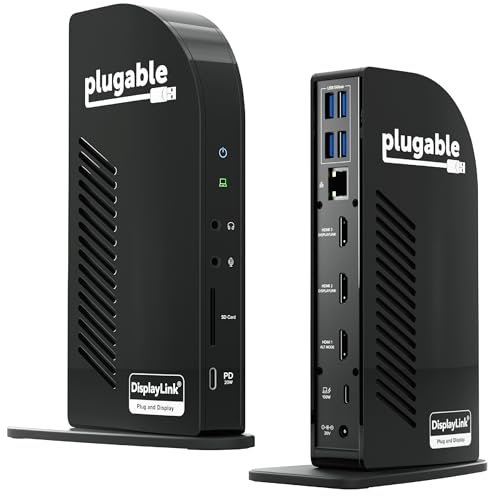

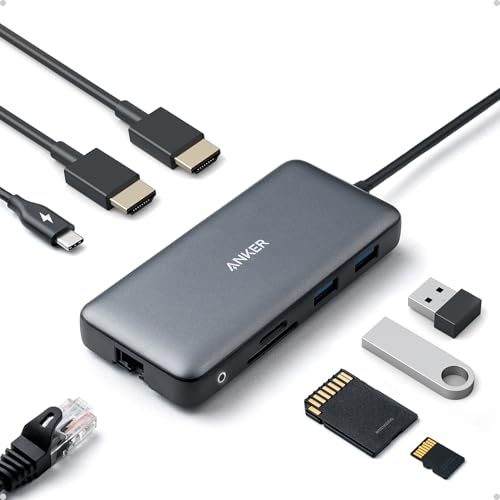
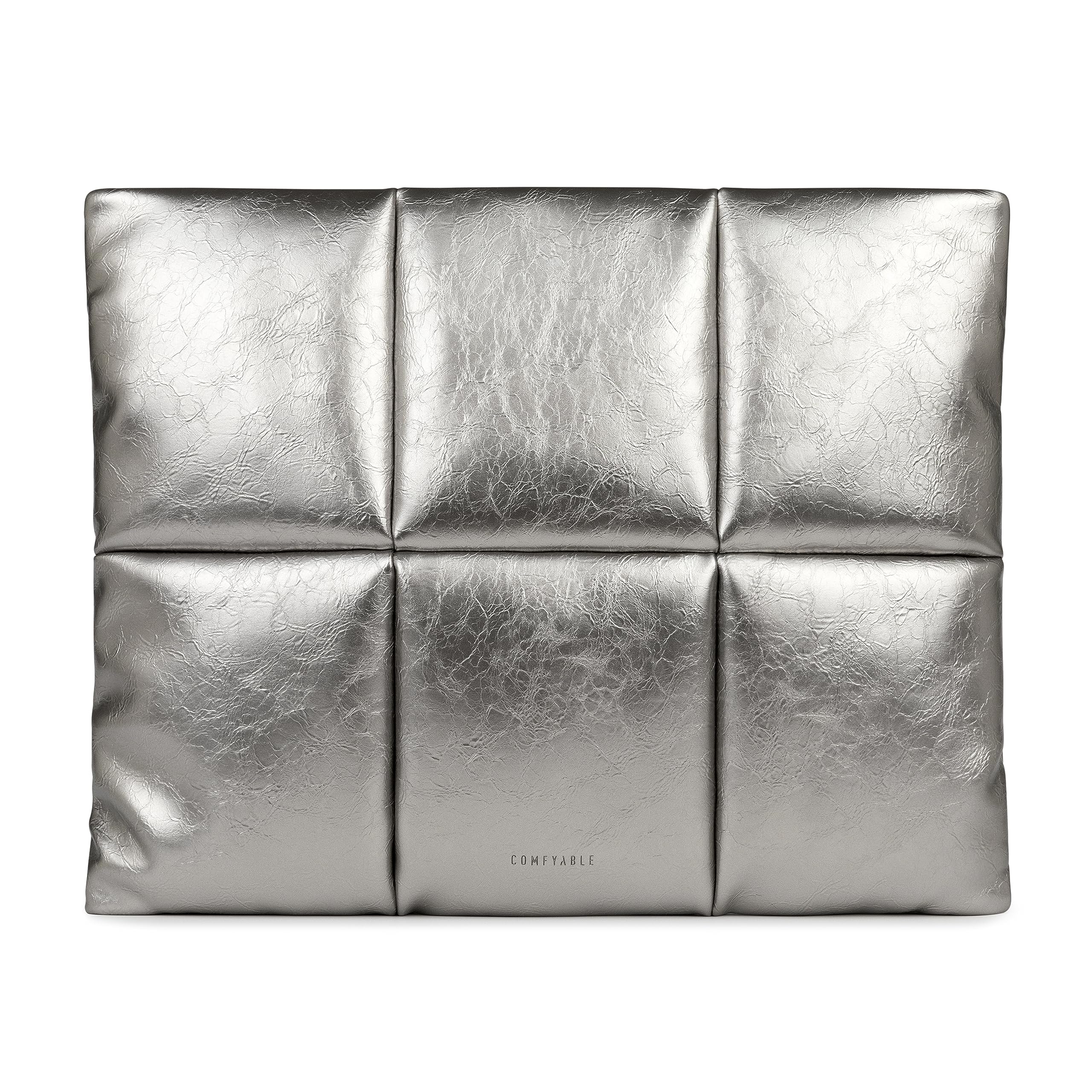

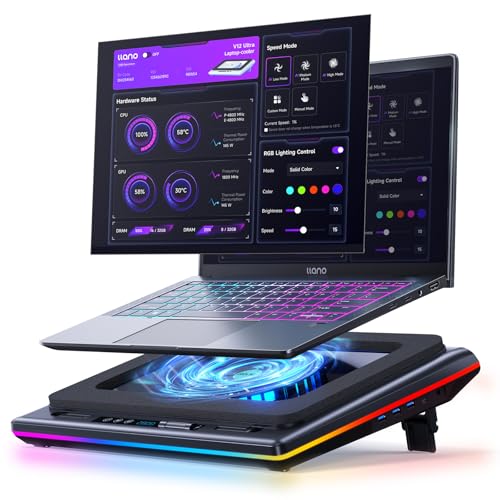


The comparison table below gives a quick overview of the main choices. The sections that follow explain types, features, and everyday use, so you can match each accessory to your routine rather than to a showroom display.
Who Should Buy Laptop Accessories
Accessories suit anyone who uses a laptop for hours daily, especially students and remote workers. A stand and an external keyboard can improve posture, while a good mouse reduces wrist strain. Travelers benefit most from a protective sleeve and a compact charger.
They are less useful if you use a laptop only for short, casual sessions. In that case, a few basics cover most needs. Avoid buying a full kit at once. Add one item, use it for a week, then decide what still feels missing.
Types Compared
Most choices fall into a few clear types. The differences below matter more than small specification gaps, because they decide how the product feels in daily use.
Comfort accessories
Comfort accessories include stands, external keyboards, and mice. A stand lifts the screen to eye level, which helps neck posture. An external keyboard and mouse let you keep shoulders relaxed while typing.
Comfort gear takes desk space and adds setup time. If you move desks often, choose foldable stands and compact mice that pack easily. Test keyboard feel before committing to a full size model.
Productivity accessories
Productivity accessories include docks, extra monitors, and hubs. A dock connects several devices with one cable, while a hub adds ports for drives and displays. These items suit desk based work with many peripherals.
Docks and hubs vary in power delivery and display support. Check that the dock charges your laptop at full speed and supports your monitor resolution before you buy.
Travel and protection accessories
Travel accessories include sleeves, bags, chargers, and cable organizers. A padded sleeve protects against bumps, while a compact charger saves bag space. Organizers keep cables from tangling during trips.
Travel gear adds weight if overdone. Choose one bag that fits your laptop plus daily items, and skip duplicate chargers unless you travel often. Check bag dimensions against your laptop size.
Key Features to Compare
Ergonomics and comfort
Ergonomics should come first for long sessions. Screen height, keyboard angle, and mouse shape affect comfort more than extra features. Look for adjustable stands and mice shaped for your hand size and grip style.
Ports and compatibility
Check port types before buying hubs or docks. USB C, HDMI, and older USB ports are not interchangeable without adapters. Confirm power delivery wattage, since a weak charger can slow charging or fail under load.
Portability and weight
Portability matters if you carry gear daily. A stand that folds flat, a mouse that fits a small pocket, and a charger with a short cable keep bags light. Weigh the full kit, not just one item.
Build quality and warranty
Cables, hinges, and zippers fail first on cheap accessories. Look for reinforced cable ends, sturdy stand joints, and bag stitching that survives daily use. A short warranty can signal weak durability.
Common Mistakes to Avoid
A common mistake is buying accessories before knowing your routine. A fancy dock helps little if you rarely connect external displays. Start with the annoyance that bothers you most, such as neck strain or a tangled bag, and solve that first.
Another mistake is ignoring compatibility. A hub that does not support your monitor, or a charger that delivers too little power, wastes money and time. Check specifications against your laptop model before ordering.
Budget and Long Term Value
A good starter set costs about $50 to $120, covering a stand, a mouse, and a sleeve. A productivity setup with a dock and a monitor can run about $200 to $500. Premium bags and docks push higher, but they are rarely needed first.
Long term value comes from items used daily. A stand and mouse used for years beat a drawer of unused gadgets. Replace cheap cables early, since a failed cable can interrupt work at the worst moment.
A Final Check Before You Order
Before you order, list your top three daily frustrations with your laptop setup. Match each one to a single accessory. Check laptop size, port types, and charger wattage against each item.
Measure desk space and bag size. A stand that does not fit your desk, or a bag that barely closes, will not get used. Buy one item at a time and test it in real use before adding more.
Setting Up a Comfortable Laptop Desk
Raise the laptop on a stand until the top of the screen sits at or just below eye level, then use a separate keyboard and mouse so your arms rest at a relaxed angle. This one change does more for comfort than any single gadget. Keep the charger, hub and cables on one side of the desk, and use a cable clip or sleeve so a tug on the cord does not drag the laptop off the stand.
For travel, pack a sleeve, a compact charger and a small hub in one pouch so nothing gets left behind. Label the pouch, keep spare cables inside, and store it with your bag. A consistent kit saves time at airports and in shared offices.
Plan for upkeep too. Wipe stands and mouse surfaces with a slightly damp cloth, check cables for fraying each season and replace anything that heats up or disconnects. Parts that are easy to replace keep the whole setup useful for years.
Questions to Ask Before You Order
Use these questions as a final checklist before you buy. They help you catch fit, cost, and upkeep issues while a change is still easy.
- Does this option fit my space, my routine, and the people who will use it most?
- What will I need to clean, maintain, or replace in the first year?
- Which features will I actually use every week, and which are only nice to have?
- Can I return or exchange it easily if the fit or comfort is wrong?
- Does the total cost, including accessories and upkeep, stay within my budget?
Frequently Asked Questions
What laptop accessory should I buy first?
Start with comfort. A laptop stand plus an external mouse often helps most for long sessions. They improve posture and reduce wrist strain more than extra gadgets or decorative items.
Do I need a docking station?
You need one if you connect a monitor, keyboard, and drives daily at one desk. A simple hub may be enough for occasional use. Docks save cable plugging time, but they cost more and need compatibility checks.
Are laptop sleeves enough protection?
A padded sleeve protects against bumps inside a bag, but it does not replace a bag for travel. For commuting, use a sleeve inside a padded laptop bag. For flights, a dedicated laptop compartment adds more protection.
How do I choose a laptop charger?
Match wattage to your laptop maker guidance and check the connector type. A charger with too little power charges slowly or may not keep up under load. A charger with more power is usually safe if the connector and voltage match.
Can accessories improve battery life?
Indirectly, yes. A dock or hub with efficient power delivery avoids wasted charging cycles. The bigger gains come from screen brightness and background apps, not from accessories alone.
Final Thoughts
The best accessories are the ones you reach for every day. Comfort, compatibility, and portability matter more than feature lists or matching brands.
Buy for a real need, test one item at a time, and build a setup that fits your desk and your bag. Chosen this way, best accessories for laptops make a laptop feel like a proper workstation wherever you work.
Use the product table above to shortlist two or three options, then check measurements, fit, and running costs once more before you buy.