
Best AC Vacuum Pumps 2026: A Practical Buying Guide
Disclosure: We may earn a commission when you buy through links on this page, at no extra cost to you. As an Amazon Associate I earn from qualifying purchases. Learn more

Choose an AC vacuum pump for HVAC work with the right CFM, micron rating, oil type, and durability. Practical safety and sizing guidance included.
An AC vacuum pump removes air and moisture from a refrigeration system before charging, and that job decides how long the system lasts. The best ac vacuum pumps pull a deep, stable vacuum without overheating or leaking oil into the work area. The comparison table below will help you compare the main options side by side.
This guide covers sizing, vacuum depth, oil management, and durability for HVAC work. It is written for technicians and serious DIY readers, with a clear note: refrigerant work in many places requires certification and proper handling, so follow local rules and call a licensed technician when the job requires it.

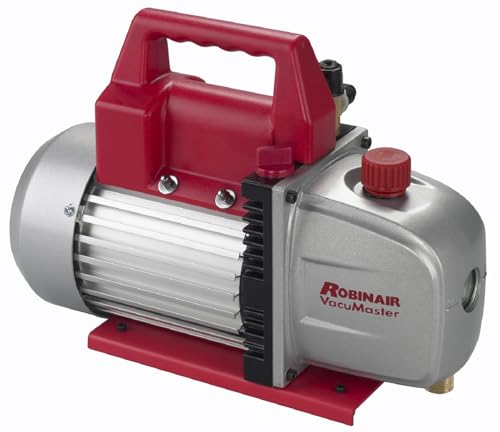


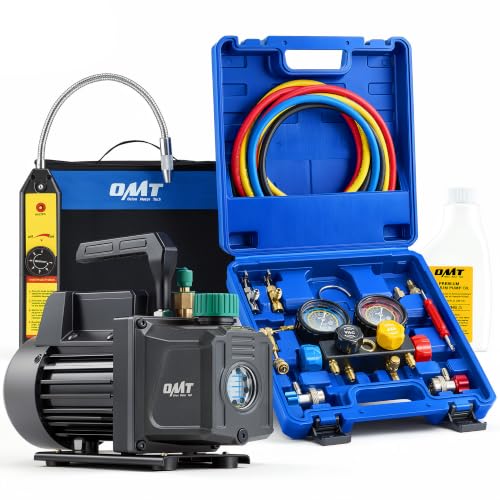
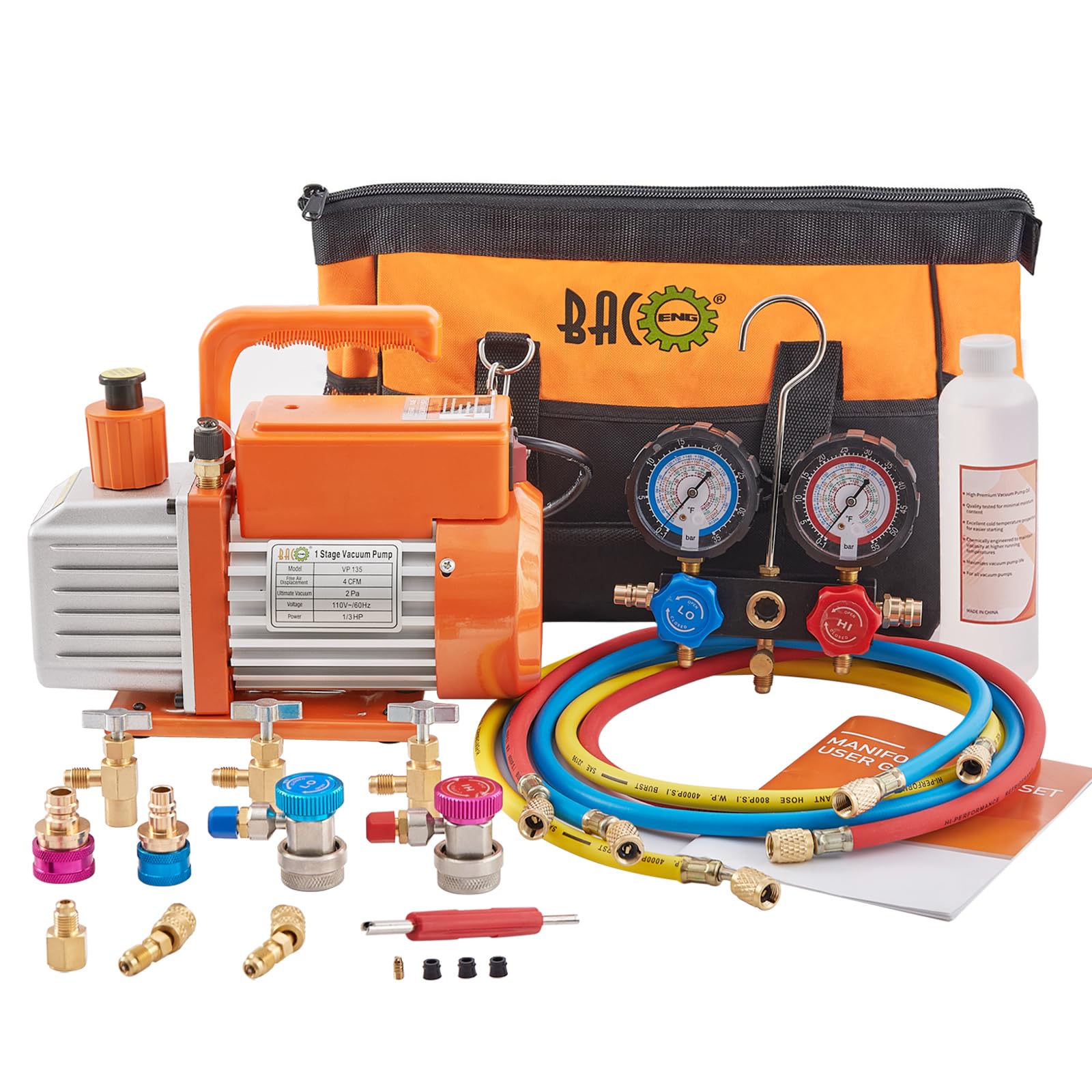


Who Should Buy Which Type
For Residential HVAC Technicians
Residential technicians need a pump that handles split systems and small to mid size installs day after day. A mid size two stage pump with good oil capacity suits most home systems. Portability and a sturdy case matter when you carry tools between jobs.
For Commercial and Large System Work
Larger systems hold more air and moisture, so they need higher flow and longer stable pulls. A larger pump saves time on big jobs but weighs more and costs more. Match the pump to the largest system you regularly service.
For Automotive AC Work
Automotive AC systems are smaller, so a compact pump can suffice, but vacuum depth still matters. Check fittings and adapters for vehicle service ports. A pump that is easy to store in a mobile kit is a real advantage.
Types Compared
Single Stage Vacuum Pumps
Single stage pumps use one pumping stage and suit smaller systems and occasional use. They are simpler and often lighter and cheaper. They may struggle to hold a very deep vacuum on larger or damp systems.
Two Stage Vacuum Pumps
Two stage pumps use two stages in series to reach a deeper vacuum more reliably. They are the common choice for professional HVAC work. They handle moisture better and hold vacuum more steadily during long pulls.
Rotary Vane Pumps
Rotary vane pumps are the standard design for HVAC vacuum work, known for steady flow and deep vacuum. They need regular oil changes and care to stay clean. Most professional pumps use this design.
Oil Free and Diaphragm Pumps
Oil free designs avoid oil mist and oil changes, which suits clean or sensitive work. They may not reach the same deep vacuum as rotary vane pumps for HVAC charging. Check the ultimate vacuum rating before choosing one for refrigeration work.
Key Features to Compare
Flow Rate in CFM
Flow rate, measured in cubic feet per minute, decides how fast a pump evacuates a system. Larger systems benefit from higher flow, while small systems gain little from oversizing. Match flow to your typical system size, not to the biggest number on the box.
Ultimate Vacuum and Micron Rating
Ultimate vacuum, often stated in microns, shows how deep a vacuum the pump can reach. HVAC charging needs a deep, stable vacuum to remove moisture. A pump that reaches the rating only briefly, then rises, is less useful than one that holds steady.
Oil Capacity and Sight Glass
Oil carries contaminants out of the system, so capacity and clarity matter. A sight glass lets you check oil condition at a glance, and easy draining makes changes less messy. Change oil when it looks cloudy or after wet jobs, following maker guidance.
Motor Power and Duty Cycle
Motor power supports sustained pulls without overheating, especially on large or damp systems. Duty cycle tells you how long the pump can run continuously. A pump that overheats and shuts down mid job wastes more time than a slightly slower steady pump.
Ports, Fittings, and Weight
Standard ports and included adapters save fiddly trips to the supply house. Weight and handle design matter for mobile work, since you carry the pump often. A well balanced pump with a solid case is easier to live with daily.
Safe Setup and Use
Connect the pump with clean, rated hoses and fittings, and check for leaks before starting a long pull. Use a vacuum gauge to confirm depth and stability, not just run time. A system that will not hold vacuum has a leak or trapped moisture that needs attention before charging.
Work in a ventilated area, keep oil away from open flames, and follow local rules for refrigerant handling and recovery. Wear eye protection when working around pressurized systems. If you are not certified or unsure about a step, stop and call a licensed technician rather than guessing.
Care and Maintenance
Change oil regularly and keep the pump clean and dry between jobs. Store it upright with caps on ports to keep dust and moisture out. A pump that is looked after holds vacuum better and lasts far longer.
Check hoses, fittings, and seals for wear, since a small leak at the pump end can ruin an otherwise good evacuation. Replace cracked hoses promptly and keep spare oil and seals in your kit. Small maintenance habits protect expensive system work.
Mistakes to Avoid
- Choosing the biggest CFM number without checking ultimate vacuum and stability.
- Skipping the vacuum gauge and judging the job by run time alone.
- Running with dirty or waterlogged oil, which limits vacuum depth.
- Working on refrigerant systems without the certification or recovery gear the job requires.
A Final Check Before You Order
Before you order, confirm flow rate, ultimate vacuum, oil capacity, port sizes, weight, and power needs against the systems you service. Check that hoses and adapters fit your gauges and service ports. These details matter more than any single headline number.
The related guides linked below cover nearby pump types, including general vacuum pumps and HVAC specific models, so you can compare flow and vacuum depth across the range. Read them with your workload in mind, and shortlist the pump that fits your systems. Related guides: best vacuum pumps, best ac heat pumps, best vacuum pumps hvac.
Frequently Asked Questions
What CFM do I need for residential AC work?
Most residential split systems work well with a mid size pump, while larger systems benefit from higher flow. Oversizing helps little on small systems and adds weight and cost. Match flow to the largest system you regularly evacuate. Vacuum rated hoses with larger bores evacuate faster than narrow charging hoses on the same pump.
How deep a vacuum do I need before charging?
HVAC practice calls for a deep vacuum measured in microns, held stable for a set time to confirm no leaks or moisture remain. Follow maker and industry guidance for the system type, and use a gauge rather than guessing by time. A rising reading means more work is needed. Triple evacuation, with nitrogen breaks between pulls, helps stubborn moisture leave older systems.
How often should I change vacuum pump oil?
Change oil when it looks cloudy, after wet or contaminated jobs, and at the intervals the maker recommends. Fresh oil pulls deeper and faster, while dirty oil limits performance. Keep spare oil on hand so changes are never skipped for convenience. Store oil sealed and upright, since open containers absorb moisture from humid shop air.
Can I use one pump for cars and home AC systems?
A mid size pump can serve both if fittings, flow, and vacuum depth suit each system. Automotive systems are smaller, so portability helps, while home systems may need longer pulls. Check adapters and ratings for both uses before relying on one pump. Keep a set of adapters for different service ports, since vehicles and home systems use different fittings.
Why will my system not hold a vacuum?
A rising vacuum reading usually means a leak, trapped moisture, or a faulty hose or fitting. Check connections, hoses, and gauges first, then look for system leaks. Do not charge a system that will not hold vacuum, and call a licensed technician if you cannot find the cause. Isolate the pump with valves before checking the hold, so gauge hose leaks do not confuse the reading.
Getting a Deep Stable Vacuum
A deep vacuum needs patience as much as pump power, since moisture hides in oil, hoses, and system corners. Pull slowly, watch the gauge, and give the system time to release trapped moisture. Rushing a pull leaves moisture that later damages compressors and reduces cooling.
Use clean, dry hoses and a dedicated vacuum rated manifold for best results, since standard charging hoses can leak slightly under vacuum. Check hose seals and gauge connections before each job, and replace cracked hoses promptly. Small leaks at the gauge end waste more time than any pump upgrade saves.
Change oil before a big or wet job, and again after it if the oil looks cloudy. Fresh oil pulls deeper and holds vacuum steadier, while contaminated oil limits both. Keep a log of oil changes alongside job notes, so maintenance never slips during busy weeks.
Finally, verify the hold with a standing vacuum test before charging, and record the reading. A stable reading gives confidence, while a rising reading demands investigation before refrigerant goes in. Good vacuum practice protects the whole system, not just the pump.
Final Thoughts
Match flow, vacuum depth, and durability to your real workload, and the best ac vacuum pumps for your kit will be the ones that pull deep and hold steady job after job. The product table above gives a useful starting point, but your systems and your certification should make the final call.
Order only after you have confirmed ratings, fittings, and oil care needs, and keep gauges and spare oil with the pump. With steady maintenance, a good vacuum pump is one of the most reliable tools in HVAC work.


