
Best Airbrush Sets: Every Type Explained Side by Side for 2026
Disclosure: We may earn a commission when you buy through links on this page, at no extra cost to you. As an Amazon Associate I earn from qualifying purchases. Learn more

Compare the best airbrush sets by type, ideal user and price: compact, mid range and premium kits for models, nails, cakes and cars.
Airbrush listings look similar at first glance, yet the sets differ in trigger style, compressor strength, needle size, and what they are really built to paint. Choosing the best airbrush sets for your work means matching the type to your surface, your paint, and how fine your detail needs to be.
This guide compares the main types side by side and then walks through cost, setup, and care. Use the comparison table below for a quick overview, then read the sections for the type closest to your project.
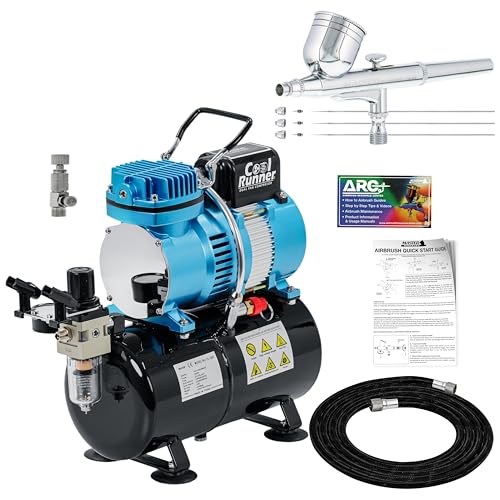


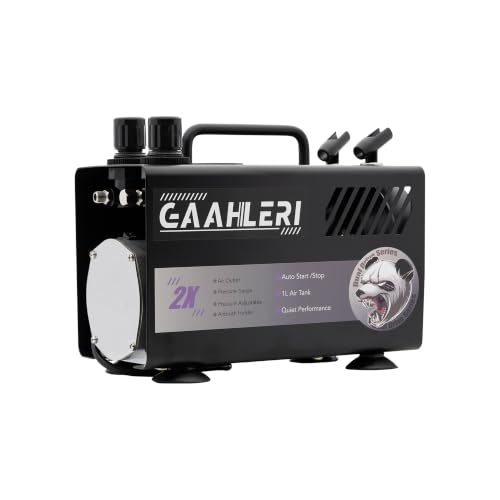
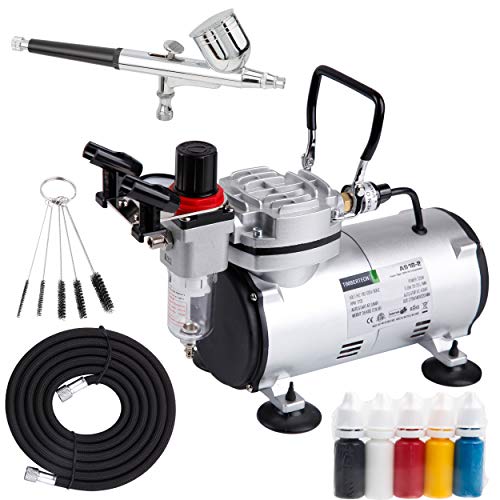
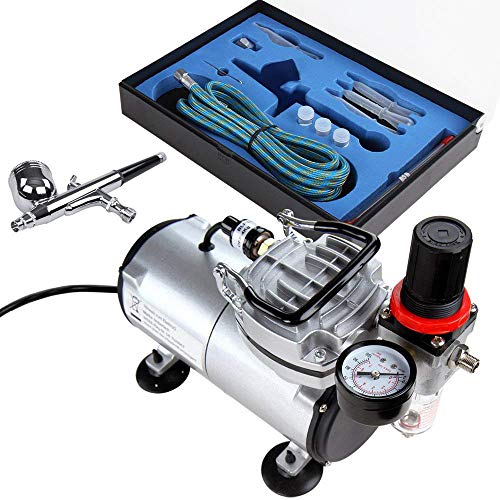
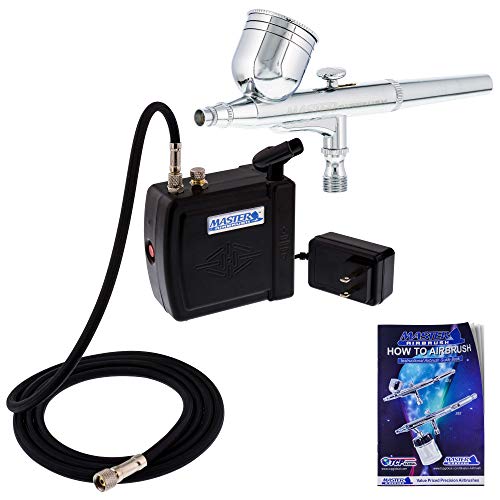
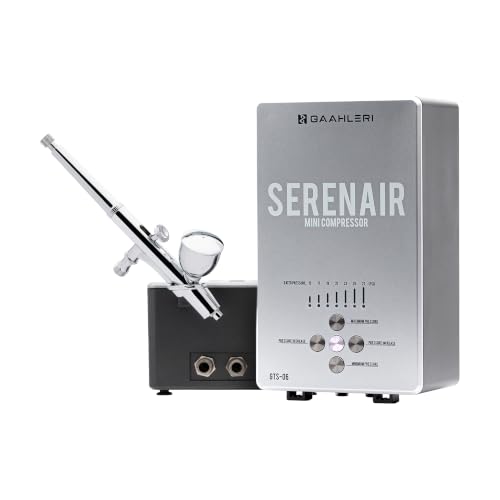
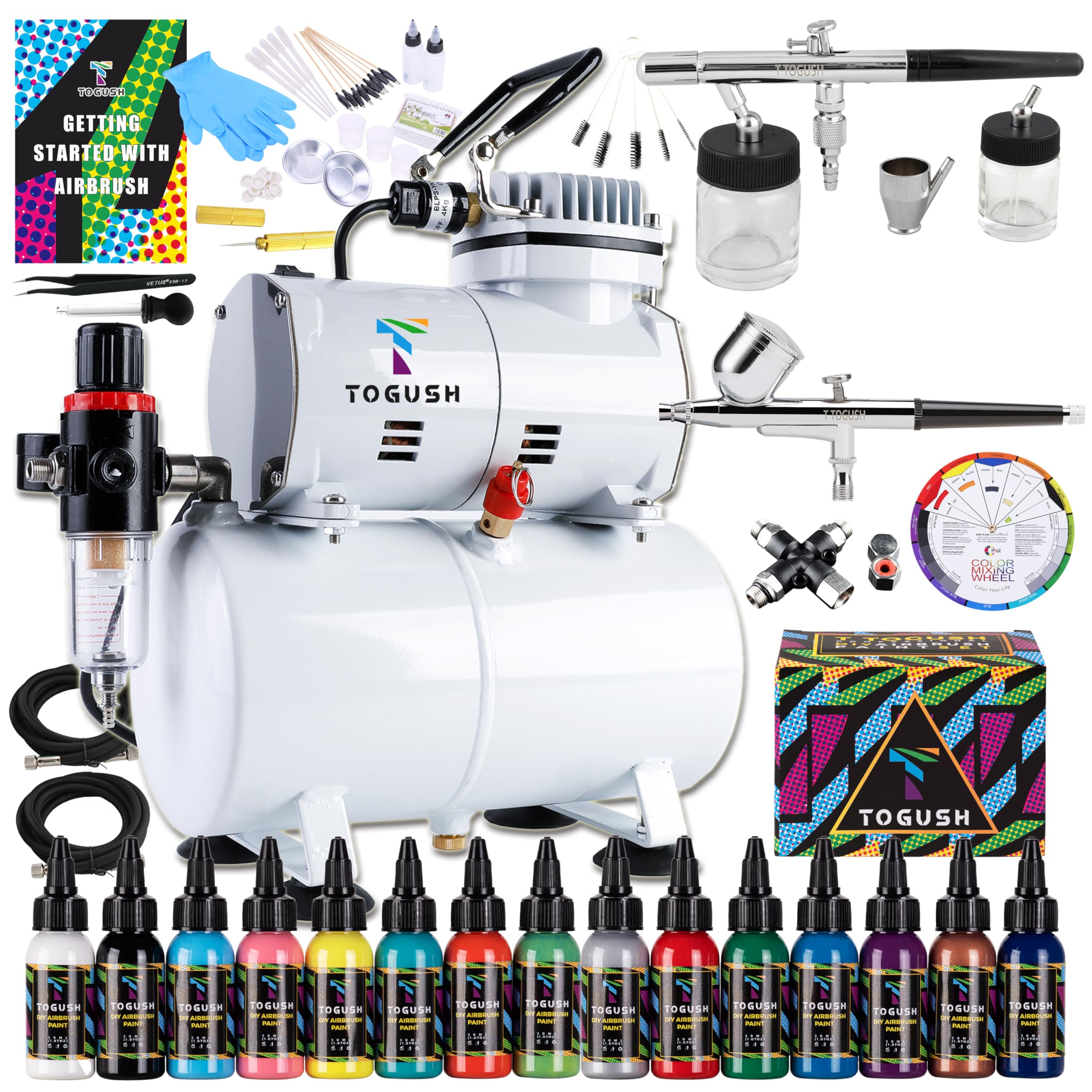
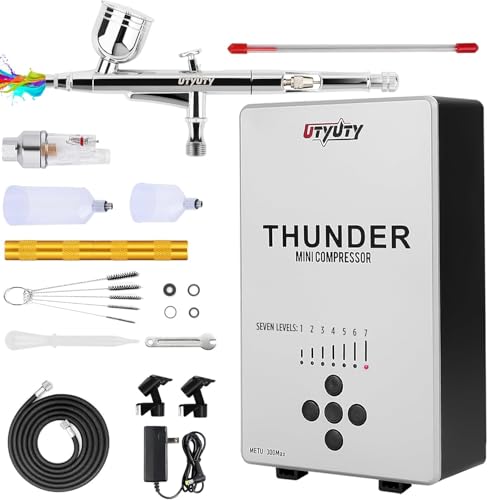
Types of Airbrush Sets Compared
A complete set normally includes the airbrush itself, a compressor or other air source, a hose, and sometimes cups, needles, and cleaning tools. Sets differ less in the box contents than in control and air supply, and those two factors decide your results.
Compact Options
Compact options pair a small airbrush with a mini compressor or a cordless air supply in a kit that stores in a drawer or a small case. They suit makeup, cake work, nail art, small models, and touch up jobs where you paint for short sessions at low pressure. The strengths are low noise, easy storage, and a gentle learning curve for a first set. The limits are air volume and duty cycle, since a small compressor needs rest breaks during long sessions and may pulse on broad coverage. Choose compact if your work is small in scale, you value portability, and you paint in shorter bursts rather than all afternoon.
Mid Range Options
Mid range options add a steadier compressor, often with a small air tank, and a dual action airbrush that controls air and paint separately. They suit hobby models, illustration, textiles, and general craft work where you need both fine lines and even coverage. A tank smooths airflow, which reduces pulsing and makes gradients easier. You also tend to get spare needles, larger cups, and better cleaning tools. The trade off is more bench space and a higher price than compact kits. For most buyers who plan to grow beyond a first project, mid range is the most balanced starting point.
Premium Options
Premium options combine a quiet, higher capacity compressor with a finely machined airbrush that holds tight tolerances and sprays very consistently. They suit artwork for sale, detailed automotive work, and anyone who paints for long sessions and needs repeatable results. Needle and nozzle quality, smooth trigger travel, and stable pressure at low settings are the real gains. You also pay more for replacement parts, and the finer nozzles clog more easily with thick paint. Buy premium for control and endurance, not because a higher price alone guarantees better art. Skill and paint thinning still decide most of the finish.
Compact Options vs Mid Range Options: Which Should You Choose?
Compare these two popular levels on five points. Control: mid range dual action brushes let you vary paint flow while spraying, while many compact brushes are simpler and less precise. Air supply: a mid range tank compressor gives smoother, longer airflow, while a compact unit is quieter and smaller but needs pauses. Coverage: mid range handles larger panels and backgrounds, compact handles small areas well. Cost: compact sets often run about $50 to $120, while mid range sets often run about $120 to $300. Growth: if you expect your projects to get larger within a year, mid range avoids a second purchase.
Choose compact for cakes, makeup, nails, and small models in short sessions. Choose mid range for regular hobby work, larger models, and any project where an even background coat matters. A useful know how test is session length. If you will spray for more than about twenty minutes at a time, the steadier air supply of a mid range set will usually feel worth the extra money within the first few projects.
How to Choose the Right Airbrush Set
Warranty and Customer Support
Check the warranty length for both the airbrush and the compressor, since they may be covered separately. A set is a poor bargain if a failed compressor has no clear repair path after a few months. Look for spare parts availability, especially needles, nozzles, and seals, because a bent needle is a normal early accident. Good support means a parts list, clear diagrams, and a way to order the exact nozzle size your brush uses. Keep the receipt and the part numbers in the case with the set so a replacement order takes minutes, not guesswork.
Ease of Use and Setup
Dual action control takes practice but gives you far more control once learned, while single action is simpler for flat, even coats. Gravity feed cups are easy to clean and work at lower pressure for detail, while siphon feed jars hold more paint for larger areas. Setup should be simple: connect the hose, set pressure, thin the paint to a milky consistency, and test on paper first. Choose a compressor with a clear pressure gauge and a moisture trap if you paint in a humid room. Your first session should be practice strokes and cleaning, not your main project.
Maintenance and Long Term Costs
Cleaning after every session is the rule that decides how long a set lasts. Dried paint in the nozzle causes spattering, bent needle tips, and hours of troubleshooting that feel like a faulty product. Budget for cleaner, spare needles and nozzles, and replacement seals over time. A practical routine is to flush with water or the right cleaner, back flush gently, wipe the needle, and leave the brush dry. Never soak a whole brush in strong solvent unless the maker allows it, since seals can swell. Sets that include cleaning brushes and a nozzle tool save money and frustration later.
Intended Use and Who It Is For
Name your main surface before you shop. Fine illustration and models need small needle sizes and low pressure control. Textiles and larger craft work need more paint capacity and a bit more pressure. Food work needs a dedicated set that is never used with craft paints, for hygiene reasons. Automotive and helmet work needs coverage, durable finishes, and often a larger nozzle option. A set that tries to cover every use with one needle size will be a compromise, so favor the use you will do weekly over the one you might try once.
Price vs Value
Budget sets around $50 to $120 can teach you the basics, but check compressor steadiness and parts availability before trusting a very low price. Mid range sets around $120 to $300 usually give the best value, with a tank compressor and a brush you can keep as your skill grows. Premium sets around $300 to $600 or more buy refinement and quiet, long session comfort. Value is not the number of small accessories in the box. A spare needle in the right size is worth more than a pile of stencils you will never use.
Choosing Airbrush Sets for Your Situation
Best Airbrush Sets for Automotive
For best airbrush sets for automotive work, prioritize steady air, a compressor with a tank, and nozzle options that handle larger areas as well as detail. Automotive paints and clears need consistent pressure and thorough cleaning with the correct solvents for that paint system. Many painters use the airbrush for graphics and detail over a base coat applied by a larger gun. Choose seals that tolerate your paint type, and work with proper ventilation and a respirator rated for your coatings. If you are new to automotive finishes, practice panels are essential before you touch a vehicle.
Best Cake Airbrush Sets
For best cake airbrush sets, the non negotiable rule is a dedicated food only set. The compressor should be small and quiet, the brush easy to disassemble and wash fully, and every color must be a food grade airbrush color. Never use a brush that has sprayed craft or automotive paint, even after cleaning, because residue risk is not worth it. Low pressure control matters for soft gradients on icing without blowing decorations around. Store the food set separately, labeled, so it can never be mixed up with a craft set in a busy kitchen.
Tips to Get the Most From Your Airbrush Set
- Read the manual before first use, especially the cleaning steps and the correct way to remove the needle.
- Thin paint gradually and test on paper or a practice panel, adjusting pressure before you blame the brush.
- Clean and inspect regularly, checking the needle tip under good light for bends or dried paint.
- Store in a dry place, in its case, with caps on cups and the needle guard in place.
- Keep a simple log of paint, thinning ratio, and pressure for jobs that work well, so you can repeat them.
Ventilation and personal protection matter for every type except food work. Spray in a ventilated area, and wear a suitable respirator for solvent based paints and for fine mist of any kind. Keep paints and cleaners away from children, and dispose of solvent waste through your local household hazardous waste route rather than a sink.
Frequently Asked Questions
How long does an airbrush set last?
An airbrush set can last for many years if you clean it after every session and replace wear parts as needed. The needle, nozzle, and seals are consumables, while the brush body and compressor are the long life parts. Most early failures trace back to dried paint or a bent needle, not to age. A compressor used within its duty cycle and kept dust free will also last far longer. Treat cleaning as part of spraying time and the set will reward you.
Are expensive airbrush sets worth it?
They are worth it if you paint often, sell your work, or need very fine control at low pressure for long sessions. The gain is consistency and comfort more than a sudden jump in results for a new user. A mid range set in practiced hands will outperform a premium set used rarely and cleaned poorly. Upgrade when you can name the exact limit your current set imposes, such as pulsing air or coarse low pressure control. That clear reason makes the extra spend easy to justify.
How much should I spend on an airbrush set?
Most first time buyers do well around $120 to $300 for a mid range set with a tank compressor. Spend around $50 to $120 only if your work is small and occasional, such as cakes or nails, and the set is dedicated to that use. Spend more for premium control if you paint weekly or for clients. Include cleaner, practice paint, and at least one spare needle in your first budget. Leaving those out to hit a lower total usually costs more later.
How do I maintain an airbrush set?
Flush the brush as soon as you finish, before paint dries inside the nozzle. Use water for water based paints and the maker approved cleaner for other types, then wipe the needle carefully and reassemble once parts are dry. Check the nozzle for buildup if spattering starts, and never force a needle through a clog. Lubricate only where the manual directs, with products safe for your paint type. For food sets, wash parts that contact color with hot soapy water and let them dry fully.
What features matter most when buying airbrush sets?
Steady air supply, trigger control that matches your skill, and needle size suited to your work matter most. After those, look at feed type, cup size, and how easily the brush strips down for cleaning. Parts availability is a feature too, even though it never appears in photos. A set with a clear manual, named spare parts, and a moisture trap will serve you better than a set with many novelty extras. Match the set to your main project first.
The Bottom Line
Match the type to your work: compact for small, short jobs, mid range for most hobby use, and premium for long, detailed sessions. Confirm parts availability and commit to cleaning after every use, and the best airbrush sets choice becomes straightforward at any budget. Compare your short list in the product table above, start with practice before a main project, and build skill on the set that fits the work you do most.


