
Best Abc Watches for Every Need: How to Pick the Right One for 2026
Disclosure: We may earn a commission when you buy through links on this page, at no extra cost to you. As an Amazon Associate I earn from qualifying purchases. Learn more

Compare abc watches by sensor accuracy, battery life, case size and price, and match altimeter, barometer and compass features to your outdoor plans.
ABC stands for altimeter, barometer, and compass, the three sensors that turn a watch into a field instrument. There is no single model that suits every wrist and every trail, because a climber, a hunter, and a weekend hiker lean on those sensors very differently. This guide to the best abc watches starts with your actual use, then matches sensor quality, battery life, and budget to it. The comparison table below puts the main choices side by side.
Used well, these sensors help you judge weather changes, hold a bearing, and track how much climbing you have done. Used carelessly, they are just numbers. The sections below show you which specs predict real accuracy outdoors and which ones are decoration.
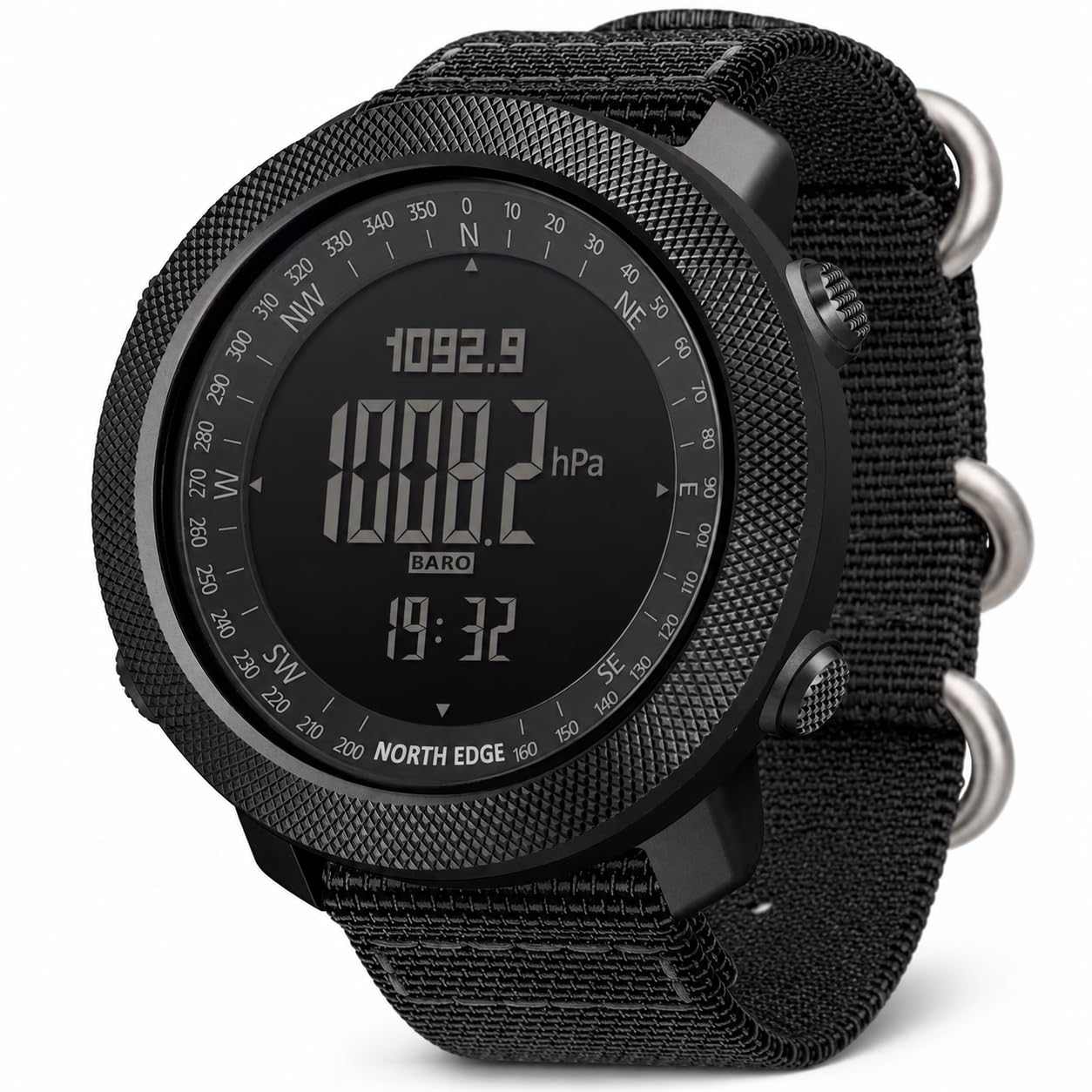


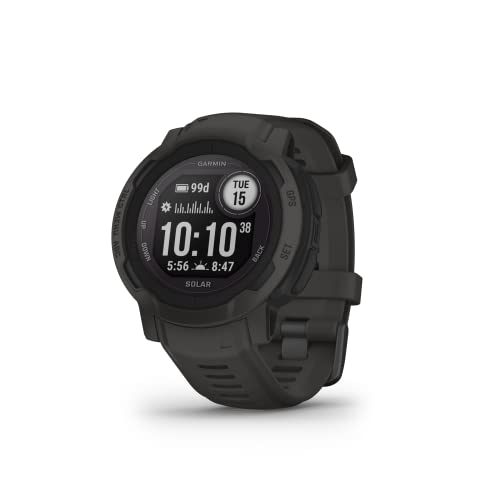
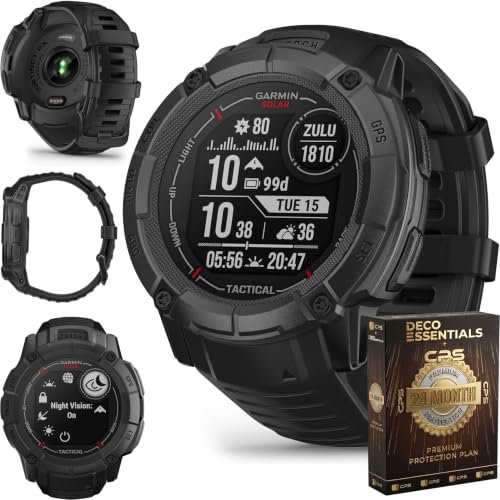
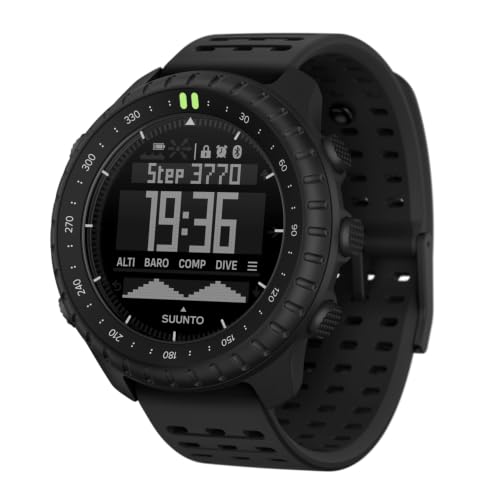
Who Should Buy Which Abc Watches?
Find the buyer type that sounds like you. Each group below names the need, the features to put first, and the kind of watch that usually fits, so you can shop with a short list instead of a catalog.
For First Time Buyers
Your first ABC watch should be simple to read, forgiving to set up, and clear about calibration. Choose a model with a large display, plain menus, and guided calibration for the compass and altimeter, because every ABC sensor needs occasional calibration to stay honest. A resin case keeps weight and price down while you learn. Skip models that bury the barometer graph behind five button presses. You want the weather trend on the main screen, visible at a glance when clouds build over a ridge.
For People Who Want the Best Performance
Performance buyers should pay for sensor quality, not screen flair. Look for a barometric altimeter that lets you lock a reference pressure, a compass with adjustable declination, and a temperature compensated sensor set. GPS models add position fixes and more accurate elevation profiles, at the cost of battery life. A sapphire crystal and a steel or titanium bezel survive rock contact better than basic glass. If you train with the watch as well as navigate, our guide to the best workout watches covers heart rate and training features in depth.
For Gift Shoppers
An ABC watch makes a strong gift for hikers, anglers, hunters, and service members because it is useful on day one. Choose a midsize case that suits most wrists, a neutral color, and a strap that is easy to swap. Solar charging is a thoughtful upgrade here, since the recipient may not enjoy managing cables or coin cell batteries. Confirm the return window before you buy, because wrist fit is personal. Include a note about calibration, since a compass that points wrong on the first trip makes a poor first impression.
For Value Seekers
Value means accurate core sensors at a fair price, without paying for maps or smart features you will not use. Many watches under $200 deliver a reliable altimeter, barometer, and compass, and that trio is the whole point of the category. Spend your savings on a spare strap and a screen protector instead of a higher tier. Check battery type before buying: a common coin cell you can change yourself keeps long term costs low, while sealed rechargeable models depend on cables and eventual battery wear.
Choosing Abc Watches for Your Situation
The four situations below cover the searches buyers make most often. Each one highlights the two or three criteria that matter most in that situation, and the trade you accept.
Best Abc Watches for Men
Shoppers in this segment usually care about wrist presence, durability, and controls that work with gloves. Cases in this segment often run about 45 to 55 mm, so check lug to lug length against your wrist before assuming bigger is better. Favor raised bezels that guard the crystal, buttons you can press with cold fingers, and a strap long enough for a bare wrist or a jacket cuff. Dark, low glare finishes suit field use better than polished steel.
Best Abc Watches under 100
Watches in this price band prove that the core sensor trio does not require a big budget. At this price you usually get a barometric altimeter, a digital compass, a thermometer, and a storm alarm, powered by a coin cell or basic solar charging. What you give up is GPS, premium crystal, and refined software. Accuracy depends heavily on calibration, so choose a model that makes recalibrating fast. For casual hiking, fishing, and weather watching, this tier covers the real needs surprisingly well.
Best Abc Watches under 200
Stepping up toward the $200 mark typically buys better build quality, clearer displays, and longer battery life. Many models in this band add stronger water resistance, sunrise and sunset data, tide or moon information on some versions, and more comfortable straps. Solar charging becomes common, which suits buyers who hate battery changes. This is the tier where a watch starts to feel like long term gear rather than a gadget, and it is where most regular hikers should aim if the budget allows.
Best Outdoor Abc Watches
The best outdoor abc watches are the ones still working on day five of a trip. Prioritize battery life measured in months rather than hours, a display you can read in hard sunlight, and water resistance of about 100 meters for rain, river crossings, and camp chores. A barometer graph with a storm alarm earns its place here, warning you while you still have time to descend or secure camp. Weight matters too: a watch you forget you are wearing gets checked more often, and frequent checks are what make the sensors useful.
Key Features to Compare
With your situation clear, compare candidates on these five features. Each one affects accuracy, comfort, or cost in a way you will feel on real trips.
Brand Reputation, Warranty, and Value
Established outdoor watch brands support their sensors with clear manuals, firmware or service support, and warranties of one to two years or more. That support matters because sensor drift and strap wear are normal over years of use. A cheap unknown brand may share the same spec list yet offer no path for repair. Judge value across the whole ownership span: a watch that lasts eight seasons costs less per trip than a bargain that fails in year two. Keep proof of purchase, since warranty claims for sensor faults often need it.
Legibility and Style
Legibility decides whether sensor data helps you at a glance. Look for large digits, strong contrast, and a backlight you can trigger with gloves on. Negative displays look sharp indoors but can read poorly in bright sun on some models, so check outdoor photos or in person if you can. Lume helps on analog digital hybrids at night. Style matters for daily wear between trips: a watch that looks at home in town gets worn more, and a worn watch is a calibrated watch. Our guide to the best watches for guys covers everyday styling range in more detail.
Movement Type (Quartz, Automatic, Solar, Smart)
ABC watches are quartz based almost by definition, since sensors and digital displays need battery power. Your real choice is between coin cell quartz, solar charging, and rechargeable smart platforms with ABC sensors added. Coin cells are cheap and last one to three years. Solar models stretch that to many months per charge and reduce waste, but need regular light exposure. Smart platforms add GPS and apps and drain in days. Automatic movements cannot power digital sensors, so they do not appear in this category.
Crystal and Case Materials
Mineral glass is standard at lower prices and resists everyday knocks well. Sapphire crystal costs more and resists scratches from rock and grit far better, which keeps a field watch readable for years. Resin cases are light and absorb impacts, while stainless steel and titanium add toughness and a more premium feel at higher weight. Check the bezel design: a raised bezel takes the hits that would otherwise land on the crystal. For a broader look at build quality across price bands, see our guide to the best quality watches.
Case Size and Wrist Fit
ABC watches run large, commonly about 45 to 55 mm across, because sensors, batteries, and readable screens take room. Measure your wrist and compare lug to lug distance, since overhang causes wobble that annoys on long hikes and can skew a wrist based temperature reading. Thickness matters under jacket cuffs and glove gauntlets. Smaller wrists should look for compact models around 42 to 45 mm, which exist in most ranges. A watch that sits flat and still will be read more often and trusted more, which is the whole point.
Common Mistakes to Avoid When Buying Abc Watches
- Judging by price or screen size alone and ignoring sensor calibration options.
- Forgetting that a barometric altimeter drifts with weather, then blaming the watch for honest physics.
- Buying a case so large it slides around the wrist and fights every jacket cuff.
- Skipping the water resistance check, then wearing a 50 meter watch into the shower daily.
- Ignoring battery type, warranty length, and strap replacement cost until the first failure.
How to Make Your Abc Watch Last Longer
Rinse the watch in fresh water after saltwater exposure, since salt and grit attack seals and buttons. Store it away from strong magnets, which can disturb the compass sensor until you recalibrate. Recalibrate the compass after long travel and reset the altimeter at known elevations, such as trailhead signs, at the start of each trip. Keep solar models in daylight on a windowsill between trips rather than in a dark drawer. Replace gaskets when a battery change opens the case, and let a watchmaker handle pressure testing if you swim with the watch often.
FAQs
Is a smartwatch worth it over a classic watch?
For outdoor data, a smartwatch with ABC sensors adds GPS tracks, maps, and phone alerts, but it needs charging every few days and its software support ends within years. A classic ABC watch runs for months or years on a battery and does its core job with no phone at all. Choose the smartwatch if you want one device for training, messages, and navigation. Choose the classic field watch if reliability on long trips matters more than apps.
How water resistant should a watch be?
For hiking and camp life, about 100 meters is the comfortable target, covering rain, splashes, and brief swims. A 50 meter rating handles rain and hand washing but should stay out of the pool. Distance ratings describe static pressure in a lab, not moving water, so treat them with margin. One extra point: never press the buttons underwater unless the maker states that the watch allows it, because button presses can let moisture past the seals.
Quartz or automatic: which is better?
For an ABC watch, quartz is the only practical answer, because digital sensors, alarms, and backlights all need battery power. Quartz also wins on accuracy, gaining or losing seconds per month rather than per day. Automatic movements belong to classic analog watches, where the appeal is craft rather than data. If you want both worlds, many outdoors people wear an ABC watch on trips and an automatic in town, which keeps each tool doing the job it does best.
What case size fits my wrist?
Start with lug to lug length: it should sit within the flat top of your wrist without overhang. Wrists around 15 to 17 cm usually suit compact ABC models of about 42 to 46 mm, while wrists above 18 cm can carry 50 mm cases comfortably. Thickness near or under about 15 mm slides under cuffs more easily. If you fall between sizes, choose the smaller one for hiking, since a lighter watch bounces less and reads more steadily at a glance.
How long does a watch battery last?
A standard coin cell in an ABC watch typically lasts about one to three years depending on backlight, alarm, and sensor use. Solar models can run for years with regular light, using the battery as a buffer rather than a countdown. GPS heavy smart models last days per charge instead. A useful habit is to note the battery change date inside the box, because a cell that dies at home is an errand, while one that dies on a summit is a lesson.
Final Thoughts
Calibrate honestly, choose a case that fits, and let battery life match your longest trip. The product table above gathers the sensor and size details so you can compare quickly. For most hikers and anglers, the best abc watches are the midpriced solar models that keep the core trio accurate for years with almost no upkeep. Pick the watch you will actually wear every day, and its sensors will be ready when the weather turns.


